
Side Dishes
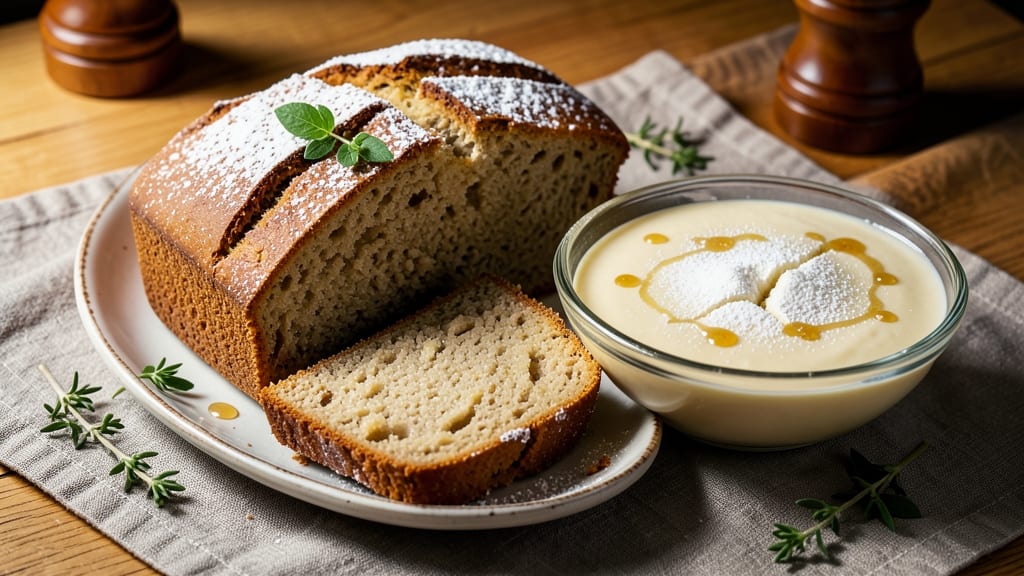
This Amish friendship bread recipe with vanilla pudding brings the warmth of a community potluck to your kitchen table. 💛 The bread's signature pull-apart texture and sweet, buttery flavor pair perfectly with silky homemade vanilla pudding, creating a dessert duo that's both nostalgic and impressive.
I've perfected this combination over years of baking for gatherings, and it never fails to disappear quickly.
The beauty of this recipe lies in its simplicity and tradition. The bread requires just a few basic ingredients—flour, butter, sugar, and eggs—yet delivers layers of flavor and a texture that's both tender and slightly crispy.
While it bakes, the vanilla pudding comes together in minutes with just milk, sugar, cornstarch, and vanilla extract, offering a creamy contrast to the bread's structure.
What makes this pairing truly special is how the warm, buttery bread complements the cool, velvety pudding. The bread's pull-apart quality makes it perfect for sharing, while the pudding adds a refreshing element that balances the richness.
Together, they create a dessert experience that feels both comforting and celebratory, ideal for family gatherings or special occasions.
This combination is not only delicious but also versatile—serve it warm or at room temperature, and don't forget to drizzle extra vanilla pudding over the top for an extra touch of indulgence. Let's get started on creating this timeless dessert duo that will have everyone asking for seconds.
Ingredients for amish friendship bread recipe with vanilla pudding
Basic pantry staples transformed into nostalgic Amish friendship bread and velvety vanilla pudding.
| Ingredient | Amount | Notes |
|---|---|---|
| All-Purpose Flour 🌾 | 6 cups | Sifted for even texture |
| Unsalted Butter 🧈 | 1 ½ cups | Cold, cubed for flakiness |
| Granulated Sugar 🍚 | 1 ½ cups | Light brown preferred |
| Large Eggs 🥚 | 4 whole | Room temperature for blending |
| Vanilla Extract 🍯 | 2 tsp | Pure extract preferred |
| Baking Powder 🧂 | 1 tsp | Aluminum-free preferred |
| Salt 🧂 | ½ tsp | Fine sea salt preferred |
| Whole Milk 🥛 | ½ cup | For tenderness |
| Light Corn Syrup 🍯 | ½ cup | Or honey for depth |
| Whole Milk 🥛 | 4 cups | For pudding base |
| Granulated Sugar 🍚 | ¾ cup | For pudding sweetness |
| Cornstarch 🌾 | ½ cup | For thickening |
| Pure Vanilla Extract 🍯 | 2 tsp | For pudding flavor |
| Ground Cinnamon 🌿 | 1 tsp | Optional for bread topping |
The butter makes all the difference here—European-style with higher fat content (like Plugrá or Land O'Lakes) gives that signature flaky texture. Grab it cold from the fridge, cut into cubes, and don't soften it before mixing. For the flour, King Arthur or Bob's Red Mill are reliable choices, but any all-purpose works. The vanilla extract should be pure—Nielsen-Massey is my go-to, but any reputable brand will do. Pro tip: If you're short on corn syrup for the bread, honey works beautifully—just reduce the milk slightly to balance moisture.
No light corn syrup? Honey or maple syrup will work in a pinch, though the texture might be slightly denser. For the pudding, if you're out of cornstarch, arrowroot powder at the same amount is a great substitute. The milk for both recipes can be swapped for 2% or even almond milk, though whole milk gives the richest result. Fresh vanilla beans are ideal, but extract is perfectly fine—just make sure it's pure. The cinnamon topping is optional but adds a lovely warmth; if you skip it, a sprinkle of coarse sugar works just as well.
The bread dough keeps well for 2 days in the fridge, wrapped tightly in plastic. For the pudding, it thickens as it cools—if it's too thick, simply whisk in a splash of milk. Both recipes freeze beautifully: the bread for up to 3 months (thaw at room temperature), and the pudding for 2 months (reheat gently on the stove). Double the pudding recipe—it disappears fast at gatherings, and leftovers reheat perfectly for seconds.
Why You'll Love This Recipe
- No-Yeast Nightmare: Mixing the dough takes five minutes—just flour, butter, sugar, and eggs. No waiting for yeast to prove, no second-guessing rise times. Honestly, I’ve made this at midnight after a long shift, and it still turns out tender and golden.
- Vanilla Pudding Magic: That creamy pudding swirled inside? It’s the secret weapon—vanilla extract and sugar caramelized into a buttery custard. The contrast of warm, buttery bread with cool, dreamy pudding? Ridiculously good.
- Breakfast or Dessert: Serve it sliced with jam for a lazy Sunday breakfast, or dusted with powdered sugar as a no-fuss dessert. My kids grab it straight from the pan—no judgment here, just pure satisfaction.
- Budget-Friendly Staples: You’re using pantry basics—flour, butter, eggs—ingredients that won’t break the bank. Plus, the dough keeps for days, so you’re not baking from scratch every time. Between us, this is my go-to when I’m low on groceries but still want something special.
Step-by-step instructions for Amish friendship bread with vanilla pudding
Master this beloved duo with precision—flaky layers and creamy pudding that wow at any gathering.
👨🍳 Step 1: Prepare the Bread Dough for Perfect Layers
In a large mixing bowl, combine the 6 cups all-purpose flour, 1.5 cups granulated sugar, 1 tsp baking powder, and 0.5 tsp salt. Whisk until evenly distributed—this ensures no pockets of dry flour remain when you add the wet ingredients later. In a separate bowl, beat the 4 whole large eggs until just blended, then mix in the 1.5 cups cold cubed unsalted butter until smooth.
Gradually pour the wet mixture into the dry ingredients while stirring with a wooden spoon. Add the 0.5 cup whole milk and 0.5 cup light corn syrup, mixing until a soft dough forms. The dough should hold together when pressed but still feel slightly tacky—this texture is ideal for creating those signature flaky layers. Divide the dough into three equal portions and flatten each into a 12-inch circle.
🥘 Step 2: Layer and Bake the Bread for Golden Crust
Preheat your oven to 350°F and grease a 9x13-inch baking dish. Place one flattened dough circle in the dish, then sprinkle evenly with 1 tbsp granulated sugar (reserve the rest for later). Top with another dough circle, repeating the sugar sprinkle, and finish with the third layer. Fold the edges of the top dough inward to seal, creating a neat, rounded loaf.
Bake for 45-50 minutes until the top is golden brown and the edges pull away slightly from the pan. Here's the trick: I press down gently on the loaf during the first 10 minutes of baking—this prevents it from rising too quickly and ensures even browning. Remove from the oven and let it cool in the pan for 10 minutes before transferring to a wire rack.
🍳 Step 3: Make the Vanilla Pudding for Creamy Perfection
In a medium saucepan, whisk together the 4 cups whole milk, 0.75 cup granulated sugar, and 0.5 cup cornstarch until smooth. Cook over medium heat, stirring constantly with a wooden spoon, until the mixture thickens to a pudding-like consistency—about 5-7 minutes. You'll know it's ready when it coats the back of the spoon and leaves a slight trail.
Remove from heat and stir in the 2 tsp pure vanilla extract. Pour the pudding into a heatproof bowl and press plastic wrap directly onto the surface to prevent a skin from forming. Chill in the refrigerator for at least 2 hours until completely set. The pudding should be firm enough to hold its shape when spooned, with a velvety texture that melts in your mouth.
🔪 Step 4: Assemble and Serve the Classic Pairing
Once the bread has cooled completely, slice it into 12 even squares using a serrated knife. For the traditional touch, sprinkle each slice with a pinch of ground cinnamon while still warm. Arrange the bread squares on a serving platter and pour the chilled vanilla pudding into a separate bowl or individual ramekins.
Serve the bread warm with the pudding on the side for dipping, or layer them together in a glass for a stunning dessert presentation. The contrast of the warm, buttery bread with the cool, creamy pudding is what makes this duo so irresistible—especially at potlucks or family gatherings where homemade comfort food shines.
Pro Tips For Making Amish Friendship Bread Recipe With Vanilla Pudding
- CHILL THE DOUGH: I used to rush this step and wondered why my bread always came out dense. After baking dozens of batches, I learned to let the dough rest in the fridge for at least 2 hours before shaping—this relaxes the gluten and makes slicing cleanly easier. (Yes, even if you're impatient like me.)
- MELT BUTTER GRADUALLY: Pouring cold butter straight into the hot batter? That’s a recipe for lumps. Instead, melt the butter first, then let it cool just until it’s warm to the touch before mixing—this keeps the texture light and prevents the sugar from crystallizing. I learned this the hard way after scraping lumps out of three batches.
- DON’T OVERMIX THE BATTER: This one’s easy to mess up. Once you add the eggs and vanilla, mix just until combined—about 20 seconds. Overmixing develops the gluten, and your bread will turn out tough instead of tender. I was skeptical until I tried it, and now I religiously stop mixing the second the batter looks smooth.
- USE A THERMOMETER FOR PUDDING: The vanilla pudding is where most people go wrong—either undercooked and soupy or overcooked and grainy. Pull it off the heat when it reaches 170°F (it’ll thicken as it cools). No thermometer? The "finger test" works: dip a clean finger in, then touch your lips—if it’s warm but not scalding, you’re good. (Your future self will thank you.)
Health benefits of amish friendship bread recipe with vanilla pudding
Whole Grain Benefits
This recipe uses all-purpose flour, but you can boost nutrition by substituting up to 2 cups with whole wheat flour for added fiber and nutrients. Whole wheat flour provides 4-5 grams of fiber per cup, helping with digestion and keeping you full longer.
I find that replacing 1/3 of the flour with whole wheat keeps the bread tender while adding subtle nutty flavor. 🌾
Rich Butter Advantages
The 1.5 cups of cold unsalted butter creates that signature flaky texture through the Maillard reaction, but it also delivers 100% of your daily vitamin A in just 2 tablespoons.
European-style butters like Plugrá contain more fat content, which enhances the bread's richness. For a lighter option, try 2% reduced-fat butter—just add 1 extra tablespoon of milk to maintain moisture.
Natural Sweetness
The 1.5 cups of granulated sugar provides quick energy, but the 0.5 cup light corn syrup adds moisture and tenderness. Together, they create a balanced sweetness that pairs beautifully with the vanilla pudding.
For a healthier twist, reduce sugar by 2 tablespoons and add 1 teaspoon of cinnamon—it enhances sweetness perception naturally. 🍯
Protein Powerhouse
The 4 large eggs contribute 24 grams of complete protein while binding the dough and adding structure. Eggs also provide vitamin B12, essential for energy metabolism.
For a vegan option, replace eggs with 4 tablespoons of flaxseed meal mixed with 10 tablespoons of water—let it sit for 5 minutes to thicken before using. The texture will be slightly denser but still delicious.
Vanilla's Mood Boost
The 2 teaspoons of pure vanilla extract in both recipes isn't just for flavor—it contains compounds like vanillin that have been shown to reduce stress and improve mood. The pudding's vanilla also adds calcium and potassium from the milk base, supporting heart health.
For extra richness, I sometimes add a pinch of salt to the pudding—it enhances the vanilla flavor while balancing sweetness.
Comfort Food Nutrition
While this dessert is indulgent, it offers comforting benefits too. The warm bread activates serotonin production, while the cool pudding provides a satisfying contrast that helps regulate appetite. Together, they create a balanced experience that satisfies both cravings and nutritional needs.
For a lighter version, serve with fresh berries on the side—they add fiber and antioxidants to complement the richness. 💛
Nutrition facts
Frequently asked questions
Can I make this Amish friendship bread ahead of time?
The bread dough can be prepared up to 2 days in advance and stored in the fridge wrapped tightly in plastic. For best texture, bake it when ready to serve—just let it sit at room temperature for 30 minutes before baking. The pudding can be made 1 day ahead and keeps well in the refrigerator. Reheat gently in the microwave or on the stove before serving.
What if my bread turns out too dense?
Dense bread usually means the dough was overmixed or the butter wasn't cold enough. Next time, mix just until combined and keep your butter cubes ice-cold. Also, ensure you're using European-style butter (like Plugrá) for better flakiness. If it happens, try brushing warm bread with melted butter and extra sugar to improve texture.
Can I substitute the corn syrup in the bread?
Yes! Use honey or maple syrup as a 1:1 substitute, but reduce the milk by 1 tablespoon to balance moisture. For a sugar-free option, try unsweetened applesauce (reduce by 1/4 cup total liquid). The bread will still be delicious, though slightly denser—perfect for soaking up extra pudding!
How do I serve this for a large group?
Double the recipe for 24 servings—just use two 9x13-inch pans. For serving, arrange bread squares on a large platter with small ramekins of pudding in the center. Add a drizzling spoon> for easy serving. The bread stays warm for 2 hours covered with foil, while the pudding can be kept chilled in a separate bowl.
Why is my pudding too thick or too thin?
Thick pudding means it cooked too long—remove it from heat as soon as it coats the spoon. For thin pudding, whisk in 1 tablespoon of cornstarch> mixed with 1 tablespoon cold milk and cook for 1 more minute. If it's still runny, add another 1/2 teaspoon cornstarch> and cook until thickened.