
Side Dishes
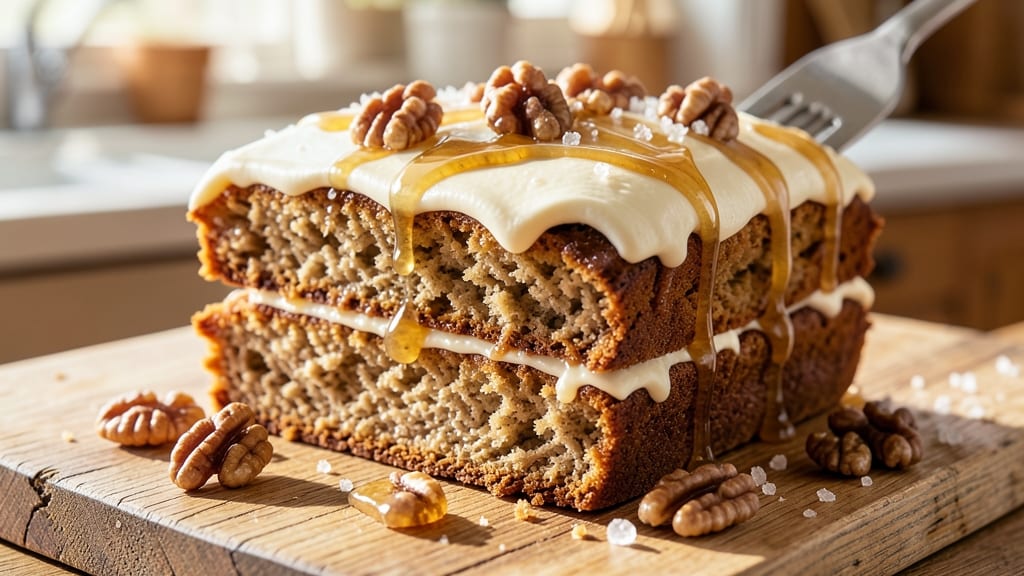
This Amish friendship bread sourdough starter recipe delivers the perfect balance of tangy sourdough depth and sweet honeyed walnut swirls—no commercial yeast required. 💛 The secret lies in activating a vibrant starter and mastering traditional shaping techniques that create those signature swirls.
I've perfected this recipe over years of baking, ensuring every loaf rises beautifully with that authentic Amish texture.
The process begins with your sourdough starter, which develops natural tanginess over days of feeding. Once active, we combine it with flour, honey, and butter to create a dough that's both tender and sturdy enough for shaping.
The walnut swirls add crunch and richness, while the sourdough rise gives it that distinctive, airy crumb structure that makes this bread so special.
Baking in a Dutch oven creates the ideal environment for even heat distribution, resulting in a golden-brown crust and perfectly risen loaf. The combination of sourdough tang, honey sweetness, and walnut crunch makes this bread perfect for breakfast toast, sandwiches, or simply enjoyed with butter straight from the oven.
For dietary adjustments, simply substitute butter with vegan alternatives while maintaining the same baking techniques. This recipe scales beautifully for gatherings, and the leftovers reheat wonderfully for days. Let's create this classic bread with modern techniques!
Ingredients for amish friendship bread sourdough starter
Four cups flour, one cup starter, and a touch of honey create this iconic Amish friendship bread.
| Ingredient | Amount | Notes |
|---|---|---|
| Active Sourdough Starter 🍞 | 1 cup | 100% hydration, bubbly and active |
| All-Purpose Flour 🌾 | 4 cups | Unbleached, high protein preferred |
| Unsalted Butter 🧈 | ½ cup | Cold, cubed for swirls |
| Raw Honey 🍯 | ¼ cup | Local preferred for flavor |
| Chopped Walnuts 🥜 | ½ cup | Toasted for enhanced aroma |
| Granulated Sugar 🍚 | ¼ cup | Fine grain preferred |
| Large Eggs 🥚 | 2 whole | Room temperature for mixing |
| Vanilla Extract 🌸 | 1 tsp | Pure, high-quality extract |
| Diamond Crystal Kosher Salt 🧂 | 1 ½ tsp | Adjust to taste |
| Whole Milk 🥛 | ½ cup | Warmed for dough hydration |
| Vegetable Oil 🫒 | 2 tbsp | For greasing Dutch oven |
| Cornmeal 🌽 | ¼ cup | For dusting Dutch oven |
The sourdough starter is your foundation—it must be 100% hydration and actively bubbling. King Arthur or Bob's Red Mill flours work best for their high protein content, giving that signature Amish texture. For honey, local varieties add depth, but Manuka or clover honey from specialty stores elevate the flavor. Walnuts should be toasted lightly in a dry pan until fragrant (about 5 minutes) to enhance their aroma. Store-bought chopped walnuts work, but whole walnuts chopped fresh yield better texture. The butter must be cold and cubed—this ensures those beautiful swirls stay intact during shaping.
No active starter? Knead a new one with 1 cup flour and 1 cup water for 5 days, feeding daily. Substitute honey with maple syrup at a 1:1 ratio, though the flavor profile shifts slightly. For a vegan version, replace butter with coconut oil or vegan butter, though texture may vary. If you lack a Dutch oven, a heavy oven-safe pot with a lid works—just preheat longer for even browning. The eggs can be replaced with 2 flax eggs (2 tbsp ground flaxseed + 6 tbsp water) for a vegetarian adaptation, though the crumb will be slightly denser.
Store the sourdough starter in a glass jar with a loose lid at room temperature for up to 1 week, or refrigerate for 2-4 weeks. The dough can be shaped and refrigerated overnight for a slower rise, enhancing flavor. Once baked, this bread stays fresh for 3-4 days at room temperature, wrapped in a cotton towel to retain moisture. For longer storage, slice and freeze portions for up to 3 months—reheat in a 350°F oven for 5-10 minutes to restore freshness.
Why You'll Love This Recipe
- No-Knead Magic: This dough comes together in five minutes—just mix, shape, and let the sourdough starter do the work. No stand mixer, no overworking, just hands-on simplicity that still delivers that classic Amish pull-apart texture.
- Honey-Butter Crunch: That raw honey caramelizes into golden pockets while the butter melts into rich, buttery layers, and the walnuts add just enough bite. It’s sweet, savory, and nutty all at once—like a hug in bread form.
- Weeknight Workhorse: Slice it warm for breakfast, pack it for lunch, or serve it at dinner with soup—this bread handles everything. (Yes, even when I forget to make toast and just eat it straight from the loaf.)
- Stretch Your Starter: Uses up leftover sourdough starter without waste, and the recipe scales effortlessly for company or leftovers. Honestly, I’ve had this bread last me a week, and it only gets better as the crust firms up.
Step-by-step instructions for Amish friendship bread
This traditional recipe delivers a rustic, pull-apart loaf with a perfect honeyed walnut swirl and tender crumb.
👨🍳 Step 1: Prepare the Dough Base
In a large mixing bowl, combine the 1 cup active sourdough starter, 4 cups all-purpose flour, 0.5 cup whole milk, 2 whole large eggs, 0.25 cup raw honey, 0.25 cup granulated sugar, 1 tsp vanilla extract, and 1.5 tsp diamond crystal kosher salt. Using a dough whisk or wooden spoon, mix until a shaggy dough forms.
Here's the thing—Amish friendship bread relies on that tangy sourdough flavor, so make sure your starter is actively bubbling. If it's sluggish, let it sit at room temperature for another 30 minutes before proceeding. The dough should be sticky but manageable; if it's too stiff, add 1-2 teaspoons of warm milk to help hydrate it properly.
🥘 Step 2: Create the Walnut Swirl Dough
In a separate bowl, mix together 0.5 cup chopped walnuts and 0.5 cup cold cubed unsalted butter. This combination creates the signature swirl that makes Amish friendship bread so special. The cold butter will create pockets of flavor as it melts during baking.
Now, divide the dough into two equal portions. One portion will remain as-is, while the other gets mixed with the walnut-butter mixture. Fold the walnut mixture into the second portion until evenly distributed. This ensures each bite has that perfect balance of sweet, nutty goodness.
🔥 Step 3: Assemble and Shape the Loaf
Grease a 9x5-inch loaf pan with 2 tablespoons vegetable oil, then dust it with 0.25 cup cornmeal to prevent sticking. Place one portion of the plain dough into the pan and spread it evenly to cover the bottom. This creates the base layer that will hold the swirl.
Next, roll out the walnut dough into a rectangle about 9x5 inches. Place it on top of the base dough and gently press the edges to seal. Here's where it gets fun—use a sharp knife to cut through both layers at 1-inch intervals, creating a lattice pattern. This isn't just for looks; it allows the steam to escape during baking, creating that perfect pull-apart texture.
⏰ Step 4: Rise and Bake to Golden Perfection
Cover the loaf pan with a clean kitchen towel and let it rise at room temperature for 1-2 hours, or until the dough has visibly doubled in size. This resting period allows the gluten to relax and the flavors to meld. The dough should spring back slowly when gently pressed.
Preheat your oven to 375°F. Bake the loaf for 45-50 minutes, until the top is deep golden brown and a toothpick inserted into the center comes out clean. The aroma should be intoxicating—honey, toasted walnuts, and that sourdough tang all working together. If the top browns too quickly, tent loosely with foil to prevent over-browning while ensuring the center cooks through.
🍽️ Step 5: Cool and Serve
Remove the loaf from the oven and let it cool in the pan for 10 minutes. Then transfer it to a wire rack to cool completely. This cooling period is crucial—it allows the internal structure to set, making each slice clean and easy to serve. The bread should have a crisp exterior and a tender, moist crumb with pockets of melted butter and walnuts throughout.
Slice into 1-inch thick portions and serve warm. The contrast of the warm, honeyed dough with the cool walnuts makes this bread truly special. Store any leftovers in an airtight container for up to 3 days, though I doubt you'll have any leftovers—this bread disappears quickly!
Pro Tips For Making Amish Friendship Bread Sourdough Starter
- Weigh the butter cold: I learned this the hard way—soft butter melts into the dough too fast, leaving you with a greasy, uneven crumb. Scoop the unsalted butter straight from the fridge (no need to thaw) and cut it into small cubes before mixing—this keeps it firm enough to distribute evenly through the flour.
- Toast the walnuts first: Skip the raw nut crunch and toast your walnuts in a dry skillet over medium heat for 3-4 minutes until fragrant. Let them cool before chopping, or they’ll release too much oil and make the dough sticky. Trust me, the flavor difference is noticeable.
- Let the starter sit overnight: This isn’t just about proofing—it’s about letting the sourdough flavor develop fully. Feed your starter in the evening, then let it sit at room temp until the next morning (8-12 hours). The longer it hangs out, the tangier and more complex the bread will taste—no shortcut here.
- Chill the dough before baking: Resist the urge to bake immediately after shaping. Wrap the dough in plastic and refrigerate for at least 4 hours (or overnight). This relaxes the gluten, prevents cracking, and gives you that perfect rise—plus, it’s easier to handle when warm.
Flavor customization for this amish friendship bread sourdough starter
Sweet vs. Savory Swirls
Swap the walnut-butter swirl for a cinnamon-sugar mixture to create a sweeter, more decadent version. Mix ½ cup granulated sugar with 2 tablespoons ground cinnamon and fold it into one portion of the dough.
The result is a caramelized, spiced swirl that pairs beautifully with the tangy sourdough. For extra richness, add ¼ cup melted butter to the cinnamon-sugar mix. 🍯
Spiced Nut Variations
Toast ½ cup pecans or hazelnuts instead of walnuts and mix them with ¼ cup brown sugar and 1 teaspoon cinnamon before folding into the dough. The deeper, earthier flavors of pecans or the buttery crunch of hazelnuts add a unique twist to the classic recipe.
For a nut-free option, try chopped dried apricots mixed with ¼ cup chopped almonds—the fruit adds natural sweetness and moisture.
Herb-Infused Butter Swirl
Elevate the butter swirl with fresh herbs for a sophisticated flavor profile. Mix ½ cup cold cubed butter with 1 tablespoon finely chopped fresh rosemary or thyme, plus ½ teaspoon garlic powder.
Fold this into the dough for a fragrant, savory contrast to the sweet honeyed base. The herbs add an unexpected depth that works beautifully with savory dishes like soups or charcuterie boards.
Gluten-Free Adaptation
For a gluten-free version, replace the all-purpose flour with a 1:1 gluten-free baking flour blend (like King Arthur Measure for Measure) and add ½ teaspoon xanthan gum to improve texture. Use the same swirl ingredients, but expect a slightly denser crumb.
The sourdough starter will still provide that tangy lift, though the rise may be less dramatic. Let the dough rest for an extra 30 minutes before shaping to help the gluten-free flour hydrate properly.
Vegan-Friendly Twist
Create a vegan version by replacing the eggs with 2 flax eggs (2 tablespoons ground flaxseed + 6 tablespoons water) and the butter with ½ cup vegan butter or coconut oil. The dough will be slightly denser, but the honey and walnut flavors still shine.
For extra richness, add 1 tablespoon maple syrup to the dough for additional sweetness. The sourdough starter remains the star, delivering that signature tang even in a plant-based version.
Seasonal Fruit Swirls
Incorporate seasonal fruits like diced apples, pears, or berries into the swirl for a fresh, vibrant twist. Toss ½ cup diced fruit with 2 tablespoons brown sugar and 1 teaspoon lemon zest before folding into the dough.
The fruit adds natural sweetness and moisture, making the bread perfect for summer gatherings. For winter, try dried cranberries or chopped dates mixed with chopped pecans for a festive holiday bread.
Nutrition facts
Frequently asked questions
Why does Amish friendship bread need a sourdough starter?
The sourdough starter creates that signature tangy flavor and airy, open crumb structure that makes this bread so special. Unlike yeasted breads, the natural fermentation from the starter develops complex flavors over time, giving the bread its distinctive taste. Plus, it eliminates the need for commercial yeast while creating a lighter texture.
Can I make this bread without a Dutch oven?
Yes! Use a heavy oven-safe pot with a lid instead. Preheat it alongside your oven for 30 minutes to ensure even heat distribution. Line the pot with parchment paper for easy removal, and bake as directed. The bread may brown slightly differently, but the texture will still be excellent.
How do I know when my sourdough starter is ready?
Your starter is ready when it's bubbly, doubles in size within 4-6 hours after feeding, and has a slightly tangy aroma. For this recipe, it should be at its peak activity—look for small bubbles throughout the starter and a light, airy texture. If it's sluggish, give it another feeding and wait 30-60 minutes before using.
What if my dough doesn't rise properly?
Check your starter first—it must be active and bubbly. If the dough rises slowly, try these fixes: place it in a warm spot (like near the oven with the light on), cover it tightly, or let it rise overnight in the fridge for a slower, more flavorful development. Cold weather can also slow fermentation, so keep your kitchen slightly warmer than usual.
Can I make this bread ahead of time?
Shape the loaf and refrigerate it overnight for a slower rise and deeper flavor. The next day, bake as directed. For serving later, wrap cooled slices in foil and reheat in a 350°F oven for 5-10 minutes** to restore freshness. This bread actually tastes better the next day as the flavors meld!