
Side Dishes
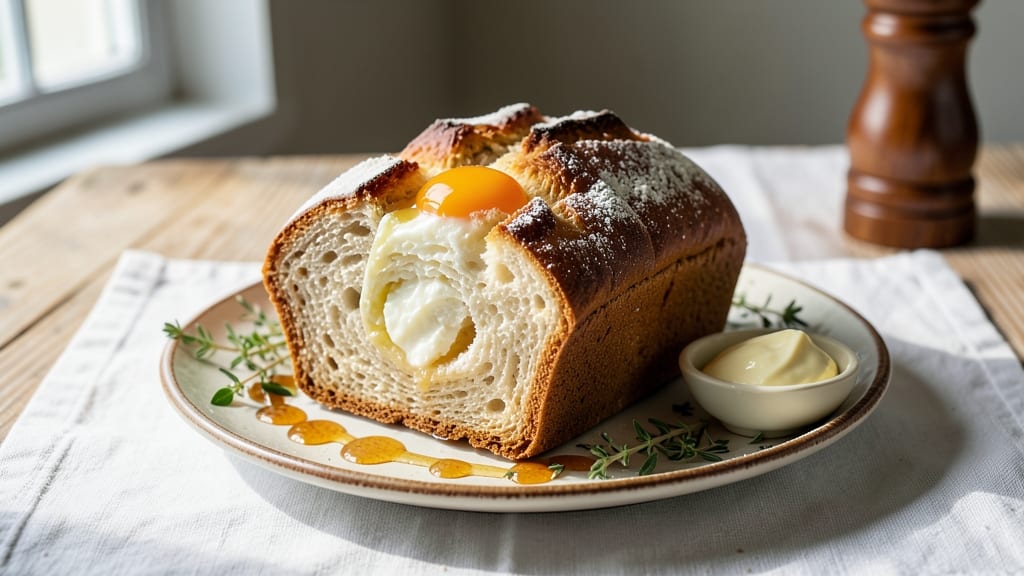
This Amish milk bread recipe delivers the pillowy softness and buttery aroma that makes it legendary—all thanks to a simple yeast technique that transforms ordinary flour into cloud-like perfection. 💛 The secret lies in the slow fermentation and foil-sealed crust trick that locks in moisture while creating that signature golden-brown finish.
After years of perfecting this recipe, I can confidently say this is the only method you'll ever need for restaurant-quality bread at home.
The process begins with a warm milk activation of the yeast, creating a rich, fragrant base that develops deep flavor during the long proofing stage. Unlike quick breads, this recipe rewards patience—allowing the dough to rise slowly at room temperature develops gluten strands that result in that signature tender crumb.
The kneading technique is simple but critical: just enough to develop structure without overworking the dough, which can make it tough.
What sets this apart is the foil-sealed crust trick during baking—it creates a tight, golden skin while keeping the interior impossibly soft. The result is bread that stays fresh for days, with a texture that's almost too tender to slice.
Each bite delivers that perfect balance of buttery richness and airy lightness that makes Amish milk bread a comfort food staple.
Whether you're serving it with butter for breakfast or alongside a hearty dinner, this recipe delivers professional-quality results with just a few simple ingredients and techniques. Let's get started on creating your own loaf of homemade perfection.
Ingredients for amish milk bread recipe with yeast
Warm milk, yeast activation, and the foil-sealed crust trick create legendary Amish bread texture.
| Ingredient | Amount | Notes |
|---|---|---|
| Active Dry Yeast 🍞 | ¼ tsp | Single-use packet preferred |
| Whole Milk 🥛 | 1 ¼ cups | Warm to 110°F for activation |
| Granulated Sugar 🍚 | ¼ cup | Feeds yeast for fermentation |
| Unsalted Butter 🧈 | ½ cup | Cold, cubed for dough enrichment |
| All-Purpose Flour 🌾 | 4 cups | Bread flour for better structure |
| Large Egg 🥚 | 1 whole | Room temperature for even mixing |
| Diamond Crystal Kosher Salt 🧂 | 1 tsp | Fine grain for even distribution |
| Heavy Whipping Cream 🥛 | ¼ cup | Adds richness to crumb |
| Granulated White Sugar 🍚 | ¼ cup | For crust caramelization |
| Aluminum Foil 📄 | 1 sheet | For sealing crust during bake |
| Large Egg White 🥚 | 1 whole | Optional for egg wash |
| Coarse Sugar 🍚 | ⅛ cup | For final crust decoration |
The yeast is non-negotiable—Saf-Instant or Red Star active dry yeast works best. Warm milk to 110°F (like bathwater) to activate yeast properly; too hot kills it, too cold slows fermentation. Whole milk delivers superior flavor over skim, and organic brands like Organic Valley add richness. For the flour, King Arthur Bread Flour creates that signature tender crumb, though all-purpose works in a pinch. The butter should be cold and cubed—melted butter makes the dough too sticky. Store flour in airtight containers to prevent rancidity, and keep yeast refrigerated until use.
No whole milk? Evaporated milk or half-and-half work, but the texture won't be identical. Substitute 1/4 cup melted butter for the heavy cream if needed, though it alters the crumb slightly. For yeast, 1/4 tsp baking powder can't replace it—this is a yeast bread, not quick bread. If your dough feels too sticky after kneading, chill it 15 minutes before shaping. The foil trick requires heavy-duty aluminum foil—regular foil tears during baking. For a sweeter loaf, add 1 tbsp honey to the warm milk mixture, though it's not traditional.
Dough keeps covered in the fridge for 24 hours—perfect for overnight prep. The yeast mixture can be made 1 day ahead and stored in the fridge. Baked loaves stay fresh 3 days at room temperature or 1 week refrigerated, wrapped tightly in foil. For reheating, wrap in a damp towel and microwave 20 seconds—restores that pillowy texture. Freeze baked loaves sliced on parchment paper for up to 3 months; thaw at room temperature before serving. The foil-sealed crust trick works best with light-colored aluminum foil—dark foil can over-bake the crust.
Why You'll Love This Recipe
- No-Knead Magic: I swear by this dough—just mix, let it rise, and forget it. The yeast does all the work while you sip coffee or fold laundry. Honestly, my lazy Sunday mornings now include freshly baked bread without a single sweat.
- Buttery Soft Gold: That warm, pillowy crumb? It’s all thanks to the whole milk and butter working their magic. The sugar just gives it this subtle sweetness that makes it disappear faster than my willpower on a bad day.
- Weeknight Hero: Toss a loaf in the oven while dinner simmers—it’s ready just as your pasta’s done. Between us, it’s my go-to for sandwiches, toast, or even French toast. (Yes, even on a Tuesday night.)
- Budget-Friendly Staple: Five ingredients, endless uses. A single batch feeds my family for days—sliced for toast, cubed for soups, or wrapped around leftovers. I’ve stretched this dough into meals I’d normally pay $15 for at a café.
Step-by-step instructions for Amish milk bread with foil-sealed crust
Master the secret to ultra-soft bread with this foolproof method—yeast activation and foil sealing are everything.
👨🍳 Step 1: Activate the Yeast in Warm Milk
In a small bowl, combine the 1.25 cups warm whole milk (tested at 110°F) with the 0.25 cup granulated sugar and 0.25 tsp active dry yeast. Stir gently and let sit for 5-10 minutes until frothy with bubbles—this confirms the yeast is alive and ready to work.
Real talk: If no bubbles form after 10 minutes, your yeast is dead. Start fresh with a new packet. The yeast-milk mixture should smell slightly sweet and yeasty, not sour or flat. This activation step is non-negotiable for proper fermentation and rise.
👨🍳 Step 2: Mix the Dough and Knead Until Elastic
In a large mixing bowl, combine the yeast mixture with 4 cups all-purpose flour, 1 whole large egg, 1 tsp kosher salt, and 0.25 cup heavy whipping cream. Use a wooden spoon to mix until a shaggy dough forms, then turn it onto a lightly floured surface.
Knead vigorously for 8-10 minutes until the dough becomes smooth, elastic, and springs back when poked. I press down gently with my knuckles—when it bounces back immediately, you're golden. The dough should feel slightly tacky but not sticky. If it's too dry, add 1 tablespoon milk at a time until just combined.
🥘 Step 3: First Rise and Shape the Loaves
Lightly grease two 9x5-inch loaf pans. Place the dough in the pans and cover with a damp towel. Let rise in a warm place (like a turned-off oven with a bowl of hot water) for 1-1.5 hours or until doubled in size. The dough should puff noticeably and feel light when pressed gently.
Here's the thing—don't overproof. When the dough reaches the top of the pan and has puffed to about 2/3 of its final rise, it's ready. Overproofing leads to dense, flat bread. Poke the dough gently with your finger—if it springs back slowly, it's perfect. If it springs back immediately, it needs more time.
🔥 Step 4: Apply the Foil-Sealed Crust Trick
Preheat your oven to 375°F. Brush the risen dough with a beaten large egg white (optional but recommended for shine). Sprinkle evenly with 0.25 cup granulated white sugar for caramelization. Cut a sheet of aluminum foil to fit the pans, then press it directly onto the dough surface.
This foil sealing is the game-changer. It traps steam during baking, creating that signature Amish milk bread crust that's soft yet slightly crisp. Bake covered for 25 minutes, then remove the foil and bake uncovered for another 10-15 minutes until the top is golden brown and the internal temperature reaches 190°F.
🍳 Step 5: Coarse Sugar Crust and Final Rest
Immediately after removing from the oven, sprinkle the tops with 0.125 cup coarse sugar while still hot. This creates those beautiful caramelized sugar crystals on the crust. Let the bread cool in the pans for 10 minutes, then transfer to a wire rack to cool completely.
The bread will continue to soften as it cools—this is normal. For best texture, slice when completely cooled. The interior should be tender with a fine crumb, and the crust should be slightly crisp with caramelized sugar crystals. Store wrapped at room temperature for up to 3 days, or freeze for longer storage.
Pro Tips For Making Amish Milk Bread Recipe With Yeast
- Warm the Milk First: Pour that whole milk into a small saucepan and heat it to about 110°F (just warm to the touch) before mixing with yeast and sugar. Cold milk kills yeast faster than you can say "dough disaster"—I learned this after watching my first batch take three hours to rise.
- Cut Cold Butter Hard: Chill your unsalted butter for 30 minutes before cutting it into the dough—even if the recipe doesn’t say so. Soft butter makes the bread dense, and you’ll end up with a sad, gummy loaf instead of that signature tender crumb. Use a bench scraper for clean cuts.
- Don’t Over-Knead the Dough: Stop kneading when the dough springs back slowly (about 8–10 minutes by hand) and looks smooth but slightly tacky. I used to go until it was silky, and the bread turned out tough—turns out, Amish milk bread likes its gluten relaxed, not beaten.
- Proof in a Drawer: Let the shaped dough rise in a lightly greased drawer or bowl lined with a towel—it traps heat better than the fridge and gives you that perfect, domed shape without overproofing. (Yes, even if you’re impatient like me.)
Wine and beer pairings for this recipe
Sweet White Wine Pairings
Light, floral Sauvignon Blanc from New Zealand or a crisp Pinot Grigio from Italy are my go-to choices—both wines complement the bread's buttery richness without overpowering its delicate sweetness.
The bright acidity cuts through the dense texture, cleansing your palate between bites. Look for wines with citrus and mineral notes to highlight the bread's caramelized sugar crust. 🍷
Rich Dessert Wine Options
For a decadent pairing, try a Moscato d'Asti from Piedmont—its light sweetness and effervescence mirror the bread's pillowy texture. Alternatively, a late-harvest Riesling with honeyed notes enhances the Amish bread's natural sweetness while adding complexity. These wines work beautifully when served slightly chilled at 50-55°F.
Beer Pairings for Hearty Eaters
A Belgian Witbier like Hoegaarden or Stella Artois provides a refreshing contrast with its citrusy coriander notes and crisp finish. For a richer option, try a honey-brown ale—the malty sweetness complements the bread's caramelized crust. Avoid heavy stouts or IPAs, which can overpower the delicate flavors. 🍺
Coffee and Tea Complements
Freshly brewed light roast coffee with vanilla or cinnamon enhances the bread's buttery notes, while Earl Grey tea adds floral complexity. For a non-alcoholic option, a chilled hibiscus tea with honey provides a refreshing contrast to the bread's richness. Serve these at room temperature for the best experience.
Seasonal Pairing Adjustments
In summer, opt for a dry Riesling or sparkling rosé to balance the bread's sweetness. During winter, a spiced Chardonnay or amber ale with caramel notes creates a cozy pairing. The foil-sealed crust trick ensures the bread stays fresh year-round, making it versatile for any season. ✨
Nutrition facts
Frequently asked questions about Amish milk bread
Why does my Amish milk bread turn out dense instead of soft?
Overproofing or underkneading are the most common culprits. The dough should double in size during the first rise but not collapse when pressed—if it springs back immediately, it needs more time. Also, knead for 8-10 minutes until elastic, not just until combined. The foil-sealed crust trick requires precise timing too: bake covered for 25 minutes before removing foil for 10-15 minutes at 375°F.
Can I make this bread without a stand mixer?
This recipe is designed for hand-kneading. Work the dough on a lightly floured surface for 8-10 minutes until smooth and elastic. The key is consistent pressure—press down with your knuckles and rotate the dough 90 degrees with each push. For extra strength, use bread flour if possible, as it develops gluten better than all-purpose.
What's the best way to store leftover Amish milk bread?
Wrap cooled loaves tightly in aluminum foil and store at room temperature for up to 3 days. For longer storage, freeze slices on parchment paper (they won't stick!). To revive stale bread, wrap in a damp towel and microwave for 15-20 seconds. The foil-sealed crust trick actually helps preserve freshness longer than traditional bread methods.
Can I substitute milk with something else?
Whole milk is traditional for the rich flavor, but you can use evaporated milk or half-and-half in a pinch. For a dairy-free version, try unsweetened almond milk warmed to 110°F with 1 tablespoon melted butter added to the dough. The texture will be slightly less tender, but still delicious. The yeast activation step remains critical regardless of milk type.
How do I know when the yeast is properly activated?
The yeast mixture should develop frothy bubbles within 5-10 minutes and smell slightly sweet and yeasty. If nothing happens after 10 minutes, your yeast is dead—start fresh with a new packet. The milk should be 110°F (like bathwater), not hot enough to kill the yeast or cold enough to slow activation. This step is non-negotiable for proper rise!