
Desserts
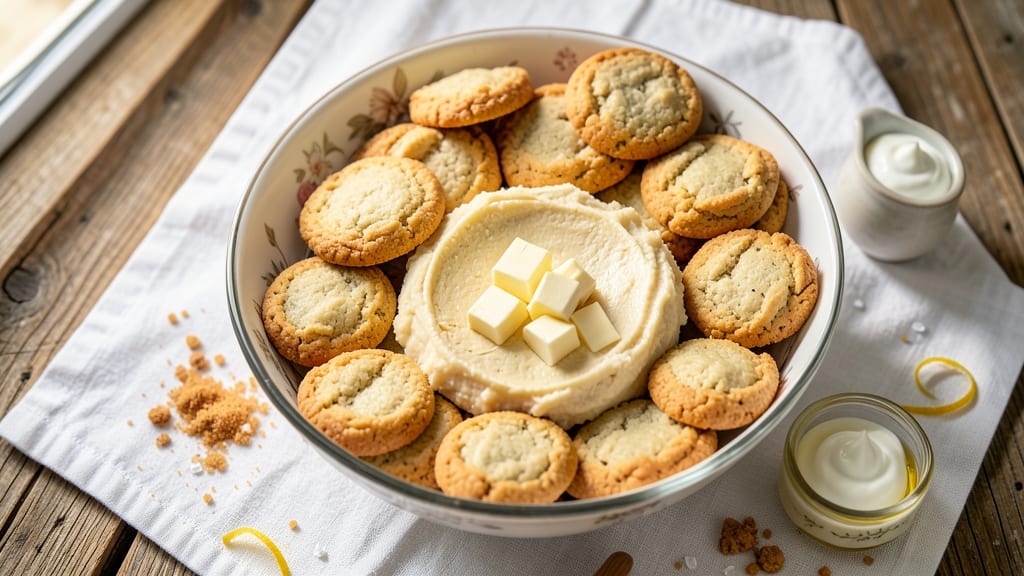
This Amish shortbread cookie recipe delivers the perfect balance of buttery richness and delicate vanilla flavor that's become a kitchen staple in Amish communities.
The secret lies in using cold butter and a precise mix of flour and sugar, creating those signature tender yet crumbly cookies with just the right snap. I've perfected this recipe over years of baking, ensuring every batch turns out with that iconic Amish shortbread texture.
What sets these apart is the traditional method of cutting the dough into simple shapes before baking, which creates clean edges and that characteristic crumbly texture. The recipe calls for just six ingredients, including high-quality vanilla extract and a touch of salt to enhance the buttery flavor.
Unlike many shortbread recipes, this version uses a higher proportion of butter to flour, which is key to achieving that melt-in-your-mouth quality.
The result is a batch of golden-brown cookies with a tender, almost cake-like interior and a satisfying crunch around the edges. Each bite reveals layers of vanilla flavor and buttery richness that make these cookies irresistible.
The simplicity of the recipe belies its impressive results—no fancy techniques required, just careful measuring and precise baking.
These cookies are perfect for holiday gatherings, potlucks, or as a simple treat to enjoy with your morning coffee. The recipe makes about two dozen cookies, which is just enough to share or keep a few for yourself.
Let's get started on creating these timeless treats that have been loved for generations.
Ingredients for amish shortbread cookie
Six simple ingredients transform into timeless Amish shortbread cookies with signature buttery crunch.
| Ingredient | Amount | Notes |
|---|---|---|
| Unsalted Butter 🧈 | 1 cup | Cold, cut into small cubes |
| All-Purpose Flour 🌾 | 2 cups | Sifted for even texture |
| Granulated Sugar 🍚 | ½ cup | Superfine preferred for smoothness |
| Pure Vanilla Extract 🌿 | 1 tbsp | High-quality, preferably bourbon-based |
| Fine Sea Salt 🧂 | ½ tsp | Kosher or sea salt preferred |
| Heavy Cream 🥛 | ¼ cup | Cold, for dough binding |
The butter is non-negotiable here—European-style unsalted butter (like Plugrá or Land O'Lakes) gives the best flavor, but any high-quality brand works. Keep it cold until mixing—this is key for that signature crumbly texture. The flour should be sifted to avoid lumps, and I always grab the King Arthur brand for its consistent quality. For the sugar, superfine dissolves more smoothly, but regular granulated works if you pulse it in a food processor. The vanilla? Bourbon-based extracts have deeper flavor, but pure vanilla will do in a pinch.
No vanilla extract? Vanilla bean paste or powdered vanilla works at half the amount. Running short on butter? Coconut oil solidified in the fridge mimics the texture, though flavor differs slightly. The heavy cream can be swapped for cold sour cream if you prefer a tangier note. For a festive twist, add a pinch of cinnamon or lemon zest to the dough. And if you're cutting shapes, a cookie cutter makes the job easier—classic Amish designs like stars or circles are traditional.
Store the dough in an airtight container with parchment between layers for up to 3 days in the fridge. Baked cookies keep their crunch for 5 days at room temperature or 2 weeks in an airtight tin. For long-term storage, freeze unbaked dough balls for 3 months or baked cookies for 6 months. I always bake a few extra—they disappear faster than you'd think, especially around holiday time.
Why You'll Love This Recipe
- Four-Ingredient Magic: I swear by this—just butter, flour, sugar, and vanilla. No fancy mix-ins, no extra steps. The dough comes together faster than I can say "cut into triangles," and honestly? That’s half the battle.
- Butter-Kissed Crunch: That first bite of crispy edges with a melt-in-your-mouth center? It’s the butter doing all the work. Cold cubes pressed into the dough create those perfect shatter-y layers—no one will believe it’s this simple.
- Holiday or Snack Attack: Between us, these disappear at Christmas gatherings, but I also keep a stash in my freezer for lazy afternoons. Wrap them in parchment, toss in a bag, and they’re ready when you are—no last-minute baking stress.
- Budget-Friendly Staples: You’re already buying these ingredients for half your recipes. A single batch yields 24 cookies, and they last for days in an airtight container. That’s $2 worth of dough stretching into weeks of "I’ll just have one more."
Step-by-step instructions for Amish shortbread cookies
Here's the classic method for creating melt-in-your-mouth shortbread with that signature Amish crumb and vanilla depth.
Cut and Cream the Cold Butter
Cut the 1 cup unsalted butter into small, even cubes and place them in the bowl of a stand mixer fitted with the paddle attachment. Chill the bowl and paddles in the freezer for 10 minutes—this ensures the butter stays cold throughout mixing. Mix on medium speed until the butter is light and fluffy, about 3-4 minutes. You'll see it nearly double in volume and become pale yellow.
Cold butter is critical here—it creates that signature shortbread crumb. If the butter starts to melt, chill the bowl again for 5 minutes and restart. The texture should resemble whipped cream rather than liquid butter. This step builds the foundation for those delicate, melt-in-your-mouth layers.
Gradually Add Dry Ingredients
In a separate bowl, whisk together the 2 cups all-purpose flour, 0.5 cup granulated sugar, and 0.5 teaspoon fine sea salt. Sift the mixture through a fine-mesh sieve directly into the butter mixture to aerate the flour and prevent lumps. With the mixer running on low speed, gradually add the dry ingredients over 1-2 minutes, stopping occasionally to scrape down the sides of the bowl.
This slow incorporation prevents gluten development, which would make the cookies tough. You're looking for a dough that holds together when pressed but still looks slightly crumbly. The texture should resemble wet sand rather than a smooth ball. If the mixture seems too dry, proceed to the next step—it will come together with the cream.
Incorporate Vanilla and Heavy Cream
Add the 1 tablespoon pure vanilla extract and 0.25 cup cold heavy cream to the dough mixture. Mix on low speed for 1-2 minutes until the dough just comes together. The vanilla adds that signature Amish depth while the cream binds the dough without making it sticky. You may need to use your hands to gently press the dough into a cohesive mass—it should be firm but not stiff.
Here's the thing—don't overmix. You want to maintain as much air as possible for that classic shortbread texture. The dough should be smooth but still slightly crumbly. If it feels too sticky, chill it for 10 minutes before proceeding. This step ensures the cookies hold their shape during baking while maintaining their signature melt-in-your-mouth quality.
Chill and Shape the Dough
Divide the dough into two equal portions and flatten each into a 4-inch round disc about ½-inch thick. Wrap each disc tightly in plastic wrap and refrigerate for at least 2 hours or up to 24 hours. Chilling is non-negotiable—it prevents the cookies from spreading too much in the oven and allows the flour to fully hydrate for optimal texture.
For best results, I recommend chilling overnight. The longer it rests, the more flavor develops and the better the crumb becomes. When ready to bake, remove the dough from the refrigerator and let it sit at room temperature for 10-15 minutes to soften slightly. This makes it easier to handle without tearing.
Bake to Golden Perfection
Preheat your oven to 325°F—this lower temperature ensures even baking without browning. Place one disc of dough on a parchment-lined baking sheet and use a sharp knife to cut into 24 even squares (about 1½ inches per side). Transfer the cut squares to the baking sheet, spacing them 1 inch apart. Repeat with the second disc of dough.
Bake for 25-30 minutes until the edges are just beginning to turn golden and the centers look slightly underbaked. They'll continue cooking on the hot sheet after removal. The cookies should be soft but set when you press the center gently—no browning yet. Rotate the baking sheet halfway through for even baking. Let the cookies cool on the baking sheet for 5 minutes before transferring to a wire rack to cool completely.
Pro Tips For Making Amish Shortbread Cookie
- Chill the Dough: Dough that’s too warm spreads like a lazy Sunday—literally. Press it into your pan after refrigerating for at least 30 minutes (or up to 48 hours for extra crisp edges). I learned this the hard way when my first batch turned into a sad, greasy puddle.
- Use Cold Butter: Cut that unsalted butter into cubes, then freeze it for 10 minutes before mixing. The flour will behave like a dream instead of clumping into a greasy mess. Yes, even if you’re impatient like me—this isn’t the step to rush.
- Skip the Overmixing: Stir the dough just until the flour disappears. Overworking it develops gluten, and your cookies will turn out tough instead of tender. Think of it like flirting—just enough to get the job done, no need to smother it.
- Salt the Edges: Sprinkle a pinch of fine sea salt over the top of the dough before baking. It crisps beautifully and balances the sweetness, especially if your butter’s unsalted. (Your future self will thank you when the first bite hits just right.)
Make-ahead tips for this amish shortbread cookie
Dough Prep Ahead
Roll the chilled dough into a 1-inch thick log instead of discs for easier cutting later. Wrap tightly in plastic wrap and refrigerate for up to 3 days.
When ready to bake, simply slice into 1-inch rounds or use cookie cutters for shapes. This method saves time and makes batch baking effortless—perfect for holiday prep! 📅
Freezer-Friendly Dough
Divide the dough into 1-ounce portions and flatten slightly before freezing on a tray. Once frozen solid, transfer to a ziplock bag for up to 3 months.
Thaw in the fridge overnight before baking. I like to label bags with dates to track freshness—this ensures no freezer burn ruins your dough. 🧊
Baked Cookie Storage
Store baked cookies in an airtight metal tin layered with parchment paper to maintain crunch. They stay fresh for 5 days at room temperature or 2 weeks in the fridge.
For longer storage, freeze baked cookies for up to 6 months—just wrap individually in plastic wrap before placing in a bag. 💫
Make-Ahead Baking
Pre-bake and freeze unbaked cookies by shaping dough into discs, wrapping individually in plastic, and freezing for 24 hours. Bake straight from frozen at 325°F for 35-40 minutes, adding 5 minutes to the original time.
This is my go-to method for last-minute holiday gifts—just pull from the freezer and bake! ⏰
Flavor Boost Prep
Enhance vanilla flavor by infusing the dough with 1 teaspoon vanilla bean seeds during mixing. For extra richness, add 1 tablespoon lemon zest to the dry ingredients.
Prep these flavor additions ahead of time and store in the fridge until ready to mix—this keeps your ingredients fresh and ready for baking day. 🌿
Gift-Worthy Packaging
For gifting, arrange cooled cookies in a wooden box or clear cellophane bag tied with ribbon. Add a sprinkle of flaky sea salt or powdered sugar for presentation.
I like to include a handwritten note with baking tips—it makes the gift feel personal and special. Perfect for teachers or neighbors! 🎁
Nutrition facts
Frequently asked questions
Why does Amish shortbread need cold butter?
The cold butter creates tiny air pockets when creamed, giving those signature tender yet crumbly layers. If it melts too soon, the cookies will spread too much and lose their classic texture. Always chill your bowl and butter before mixing!
Can I make these cookies without a mixer?
Use a wooden spoon or your hands to cut the cold butter into the flour until it resembles coarse crumbs. Then work in the vanilla and cream by hand until the dough comes together. Just be patient—it takes a little more elbow grease.
What shapes work best for Amish shortbread?
Traditional Amish shortbread is often cut into simple squares, but you can use any shape! Classic cookie cutters like stars, circles, or even holiday-themed designs work beautifully. Just press the dough firmly to prevent tearing when cutting.
Why did my cookies turn out cakey instead of crumbly?
Overmixing the dough develops gluten, which makes cookies tough. Keep mixing to a minimum and avoid pressing too hard when shaping. Also, ensure your butter stays cold throughout the process—this is key to that signature shortbread crumb.
Can I add chocolate chips to this recipe?
While traditional Amish shortbread keeps it simple, you can absolutely add chocolate chips! Fold in ½ cup mini chocolate chips with the vanilla and cream. Keep portions small—too many chips will make the texture dense. Dark chocolate pairs especially well with the vanilla flavor.