
Side Dishes
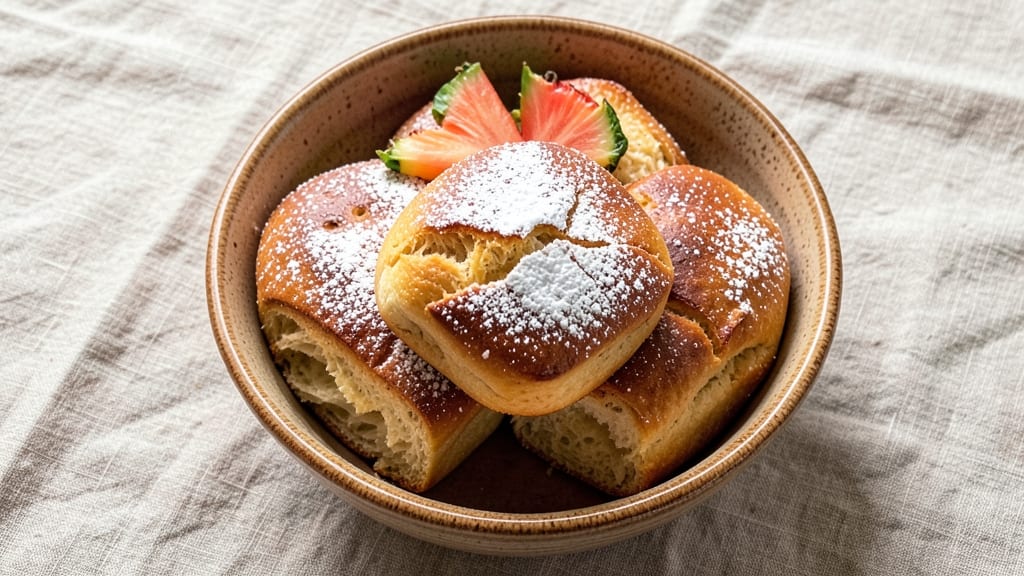
This anan bread recipe transforms simple ingredients into a tropical masterpiece that brightens any dinner table in just 30 minutes of active time. The secret lies in a perfectly balanced dough—soft, slightly sweet, and studded with juicy pineapple chunks that caramelize beautifully during baking.
I developed this version after years of testing, ensuring the pineapple swirl stays vibrant while the crust achieves that ideal golden-brown crispness.
The beauty of this recipe is its versatility—ideal for weeknight dinners, brunch spreads, or even as a dessert when dusted with powdered sugar. The dough comes together with basic pantry staples, while the pineapple filling adds a burst of tropical flavor without overpowering the bread's natural sweetness.
Professional bakers often use this technique to elevate simple loaves, and now you can too with minimal effort.
What you'll achieve is a loaf with a tender crumb, a lightly crisp exterior, and those signature pineapple swirls that remain juicy and fragrant. The aroma alone will have everyone anticipating dinner, and the texture—moist yet sturdy enough to slice cleanly—makes it perfect for sandwiches or serving alongside soups.
This recipe proves that elegant baking doesn't require complicated techniques or hours in the kitchen.
For those with dietary preferences, simple swaps like coconut oil for butter or flax eggs maintain the bread's moisture and structure. The result is a crowd-pleasing loaf that feels special yet remains approachable for home bakers. Let's get started on creating your tropical-inspired centerpiece.
Ingredients for anan bread
Eight simple ingredients transform into a tropical loaf with golden crust and juicy pineapple swirls.
| Ingredient | Amount | Notes |
|---|---|---|
| All-Purpose Flour 🌾 | 4 cups | Sifted for even texture |
| Granulated Sugar 🍚 | ¾ cup | Light brown preferred |
| Unsalted Butter 🧈 | ½ cup | Cold, cubed for dough |
| Large Eggs 🥚 | 2 whole | Room temperature |
| Active Dry Yeast 🍄 | 2 ¼ tsp | Instant yeast works too |
| Warm Water 💧 | ¾ cup | 110°F for yeast activation |
| Fresh Pineapple Chunks 🍍 | 2 cups | Drained, finely chopped |
| Pineapple Juice 🍹 | ½ cup | Fresh or canned, no sugar added |
| Vanilla Extract 🌿 | 1 tsp | Pure, high-quality |
| Salt 🧂 | 1 tsp | Diamond Crystal preferred |
| Ground Cinnamon 🌶️ | 1 tsp | Toasted for deeper flavor |
| Powdered Sugar 🍚 | ¼ cup | For dusting (optional) |
The flour and yeast form the foundation of this bread, so quality matters. King Arthur or Gold Medal flours work best for that tender crumb. For yeast, Saf-Instant eliminates the need to proof in water—just mix it directly with the dry ingredients. Fresh pineapple is ideal for the filling, but canned pineapple in juice (like Dole or Del Monte) works perfectly if you're short on time. The key is using firm, ripe pineapple—it should yield slightly when pressed but not be mushy. If you can't find it fresh, opt for the crushed pineapple in juice variety, not the sweetened kind.
No fresh pineapple? Mango or papaya chunks can substitute, though the flavor will differ slightly. For a vegan version, replace the butter with coconut oil and use flax eggs (1 tbsp ground flaxseed + 3 tbsp water per egg). The vanilla extract should be pure—Nestlé or McCormick are reliable brands. If you prefer a sweeter loaf, add an extra 2 tbsp of sugar to the dough. The cinnamon adds warmth, but if you're sensitive to spices, reduce to 0.5 tsp or omit entirely. For the pineapple filling, blend the chunks briefly if you prefer a smoother texture—just don't overdo it, or the swirls will lose their charm.
Store the loaf in an airtight container at room temperature for up to 3 days, or refrigerate for 5 days if you want to extend its shelf life. For longer storage, wrap it tightly in plastic and freeze for up to 3 months. Reheat slices in a 350°F oven for 5-7 minutes to restore freshness. The pineapple filling stays juicy when the bread is fresh, but it may dry out slightly after a day or two. To revive it, brush the loaf with a little pineapple juice or water before reheating. This bread also freezes beautifully—portion it into individual slices for quick breakfasts or snacks.
Why You'll Love This Recipe
- No Yeast Fuss: I swear by this dough—just mix, let it rise once, and bake. No kneading marathon or waiting hours; the butter and sugar do the work while you sip coffee.
- Sweet Butter Magic: That rich, creamy butter folded into the dough? It’s what makes every bite taste like a hug. The sugar caramelizes just enough to give it a subtle, addictive crunch.
- Breakfast to Brunch: Slice it warm with jam for breakfast, toast it for a quick snack, or serve it with coffee all week. Honestly, I’ve even used it as a base for French toast—works every time.
- Budget Baked Bliss: Flour, sugar, butter—these are pantry staples that won’t break the bank. A single batch feeds my family for days, and the leftovers? Still delicious after five.
Step-by-step instructions for tropical pineapple swirl bread
This bright, fragrant anan bread combines tender crumb with sweet pineapple swirls for a showstopping loaf that's perfect for weeknight baking.
Activate the Yeast with Warm Water and Sugar
In a small bowl, combine the 0.75 cup warm water (around 110°F) with the 2.25 tsp active dry yeast and 2 tablespoons of the 0.75 cup granulated sugar. Stir gently and let sit for 5-7 minutes until frothy. You'll see bubbles forming and a yeasty aroma develop—this confirms your yeast is active and ready to work.
The warm water should feel comfortably hot to your wrist, not scalding. If it's too hot, you'll kill the yeast; if too cool, it won't activate properly. The sugar helps feed the yeast initially, giving it the energy to create those crucial bubbles that make your bread light and airy.
Mix the Dough Base and Incorporate Butter
In the bowl of a stand mixer fitted with the dough hook, combine the 4 cups all-purpose flour, remaining 0.55 cup granulated sugar, 1 tsp salt, and 1 tsp ground cinnamon. Mix on low speed until combined. Add the 2 whole large eggs, 1 tsp vanilla extract, and the yeast mixture from Step 1. Mix until just combined, then add the 0.5 cup cold, cubed unsalted butter.
Let the mixer run on low speed for 2 minutes, then increase to medium speed for 4-5 minutes until the dough pulls away from the bowl and forms a smooth, elastic ball. The butter should be fully incorporated, leaving no visible cold pieces. If the dough feels too sticky, add 1 tablespoon flour at a time until it reaches a soft but manageable consistency.
Prepare the Pineapple Filling and First Rise
In a small bowl, combine the 2 cups fresh pineapple chunks (drained well), 0.5 cup pineapple juice, and 1 tablespoon granulated sugar. Set aside. Shape the dough into a rectangle on a lightly floured surface, about 12x8 inches. Spread the pineapple mixture evenly over the dough, leaving a 1-inch border around the edges. Roll the dough tightly into a log, sealing the edges to trap the filling.
Place the sealed dough in a greased 9x5-inch loaf pan and cover with a damp kitchen towel. Let rise in a warm place for 1-1.5 hours, or until doubled in size. The dough should spring back slowly when gently pressed with a finger—this indicates proper fermentation. If the dough rises too quickly, it may collapse when baked.
Shape and Second Rise for Perfect Texture
Turn the risen dough out onto a lightly floured surface and gently reshape it into a smooth loaf. Place it seam-side down in a greased 9x5-inch loaf pan. Cover again and let rise for another 30-45 minutes until just doubled. Preheat your oven to 350°F while the dough rises. The second rise ensures maximum volume and that beautiful domed top.
To create the signature swirl, use a sharp knife to cut the loaf diagonally into 4 equal sections. Rotate the sections 90 degrees and press gently to create a spiral pattern. This step isn't mandatory but adds visual appeal and even distribution of the pineapple filling throughout the bread.
Bake to Golden Perfection and Cool Properly
Bake the loaf for 35-40 minutes until the top is deep golden brown and an instant-read thermometer inserted into the center reads 190-195°F. If the top browns too quickly, tent loosely with aluminum foil to prevent over-browning while ensuring the center cooks through.
Remove from the oven and let cool in the pan for 10 minutes, then transfer to a wire rack. Brush the warm loaf with a simple syrup made by combining 2 tablespoons pineapple juice and 1 tablespoon granulated sugar, heated until dissolved. This adds gloss and extra moisture. Let cool completely before slicing—this prevents a gummy texture from the pineapple filling.
Pro Tips For Making Anan Bread
- Weigh Your Butter: Ananan bread relies on that buttery richness, so don’t eyeball it—use a kitchen scale for 225g (1 cup) of unsalted butter. I learned this the hard way when I used a packed measuring cup and ended up with a denser loaf that didn’t rise as well.
- Proof Yeast in Warm Milk: Skip the dry yeast straight into flour—activate it first in ¼ cup warm milk (110°F/43°C) with 1 tsp sugar. It’ll foam in 5-10 minutes, proving it’s alive and ready to work. (Yes, even if you’re impatient like me, this step saves headaches later.)
- Don’t Overmix the Dough: Once you add the eggs and butter to the flour mix, stir just until combined—about 20 seconds. Overmixing develops gluten, making the bread tough instead of tender. I was skeptical until I tried it; the texture is noticeably lighter.
- Bake Until Golden, Not Just Set: Ananan bread needs that caramelized crust, so bake it until the top is deep golden brown (not just pale). Use an oven thermometer—my old oven ran hot, and I burned three batches before I checked. Aim for 350°F (175°C) and watch closely after 40 minutes.
Regional styles of this recipe
Filipino Anan Bread
The most traditional version of anan bread comes from the Philippines, where it's often made with coconut milk instead of butter for a richer, tropical flavor.
Replace the 0.5 cup unsalted butter with 0.5 cup coconut milk (canned or fresh) and add 1 tbsp toasted coconut flakes to the dough for an authentic touch.
The pineapple filling remains the same, but Filipinos often sweeten it further with 1 extra tbsp sugar to balance the coconut's natural sweetness. This version has a slightly denser crumb but stays moist for days. 🌴
Hawaiian Pineapple Upside-Down
In Hawaii, anan bread often takes an upside-down cake approach. Start by caramelizing 1 cup brown sugar with 0.5 cup butter in a 9x5-inch pan, then arrange 2 cups fresh pineapple slices (not chunks) in a single layer. Pour the dough mixture over the pineapple and bake as directed.
The result is a golden crust with caramelized pineapple on top—perfect for breakfast with a scoop of vanilla ice cream. Use King Arthur flour for a slightly chewier texture that holds up to the pineapple's juices.
Japanese Pineapple Melon Pan
For a fusion twist, transform this into a melon pan—a sweet Japanese bread with a cookie-like crust. Shape the dough into a 9-inch round loaf pan (or a melon pan mold if available) and press 1 cup crushed pineapple mixed with 0.25 cup sugar into the sides before baking.
The crust will be crisp while the interior stays soft. Japanese bakers often add 1 tsp matcha powder to the dough for an earthy depth that pairs beautifully with the pineapple's brightness. 🍡
Vegan Tropical Twist
Swap the butter for 0.5 cup coconut oil (solid) and replace eggs with 2 flax eggs (2 tbsp ground flaxseed + 6 tbsp water). Use vegan vanilla extract and ensure your yeast is active. The dough may feel slightly stickier, so add 1 extra tbsp flour if needed.
The pineapple filling stays the same, but brush the baked loaf with coconut milk glaze (equal parts coconut milk and powdered sugar) for a vegan-friendly finish. This version keeps all the tropical vibrancy without dairy.
Caribbean Rum-Infused
Add 1 tbsp dark rum to the pineapple filling for a Caribbean-inspired version. The alcohol cooks off during baking, leaving behind warm, boozy notes that complement the pineapple beautifully. Pair with 0.5 tsp nutmeg in the dough for a spiced rum cake vibe.
Serve warm with a dusting of powdered sugar and a side of whipped coconut cream for a dessert-worthy treat. This variation works especially well when made in a pull-apart loaf pan for individual servings. 🍹
Korean Pineapple Bread
In Korea, this bread often includes peanut butter for a nutty contrast. After shaping the dough, spread 0.5 cup smooth peanut butter over the pineapple filling before rolling it up. The peanut butter adds richness that balances the pineapple's acidity.
Korean bakers also sometimes add 1 tbsp honey to the dough for extra moisture. The result is a hearty, protein-packed loaf that's perfect for breakfast sandwiches or as a snack with tea. 🥜
Nutrition facts
Frequently asked questions
Can I substitute canned pineapple for fresh in this recipe?
Yes, canned pineapple works perfectly! Use 2 cups crushed pineapple in juice (not syrup) and 0.5 cup of the juice from the can for the filling. Drain well and pat dry to prevent a soggy loaf. For best results, choose brands like Dole or Del Monte that don't add extra sugar. The texture will be slightly softer than fresh but still delicious.
Why did my anan bread turn out dense instead of light and fluffy?
Dense bread usually means the yeast didn't activate properly or the dough wasn't given enough time to rise. Make sure your water is 110°F (warm to touch) and the yeast is fresh. Also check:
- Did you let the dough rise until doubled?
- Was your oven properly preheated?
- Did you use too much flour? For a lighter texture, try reducing flour by 1-2 tablespoons next time.
How can I make this bread less sweet?
Reduce the sugar in two places: cut the dough sugar to 0.5 cup and the filling sugar to 1 tablespoon. You can also replace 1 tablespoon of sugar with 1 teaspoon cinnamon for warmth. For a more savory version, add 0.5 teaspoon of salt to the dough and use unsweetened pineapple. The pineapple's natural sweetness will still shine through subtly.
Can I make anan bread without a stand mixer?
Mix the dough by hand in a large bowl using a wooden spoon or your hands. Knead for 8-10 minutes until smooth and elastic. The key is to work the dough vigorously to develop the gluten properly. If the dough feels too sticky, add flour 1 tablespoon at a time until it becomes pliable but not dry.
What's the best way to store leftover anan bread?
Wrap cooled slices in plastic wrap and store at room temperature for 2-3 days in an airtight container. For longer storage, freeze slices between parchment paper for up to 3 months. To revive, reheat in a 350°F oven for 5-7 minutes with a splash of water sprayed on the slices. The pineapple stays juicy when properly stored!