
Side Dishes
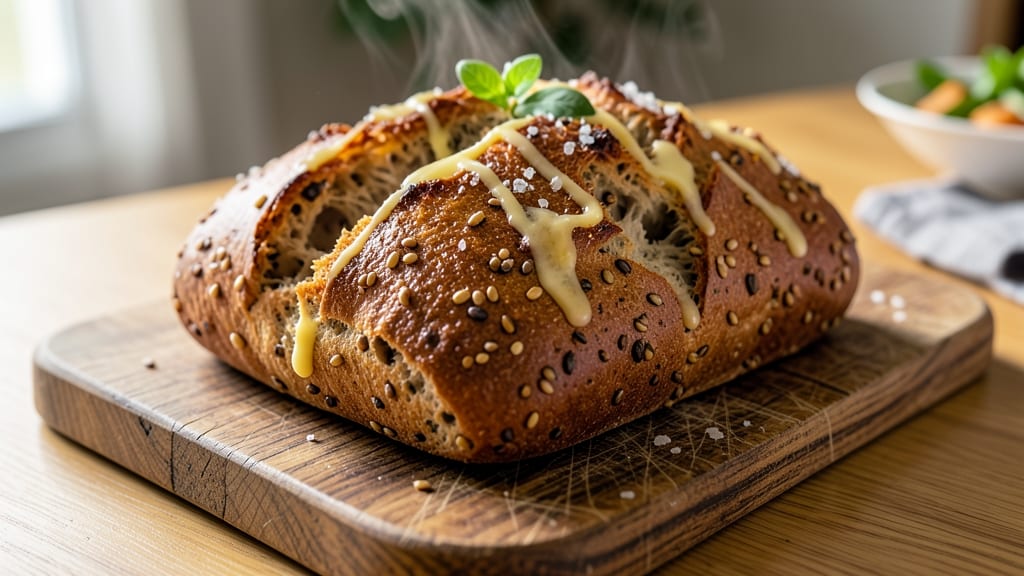
This ancient grain bread machine recipe transforms ordinary baking into a nutty, textured masterpiece with minimal effort. The blend of farro, spelt, and einkorn creates a rich, crunchy crust and tender crumb that rivals artisanal loaves—all while your bread machine does the heavy lifting.
I’ve perfected this recipe after years of experimenting with grain ratios and hydration levels to ensure foolproof results every time.
The beauty of using a bread machine lies in its precision—no guesswork about kneading or oven temperatures. You’ll mix whole grains, yeast, and warm water in the machine’s pan, then let it handle the kneading, rising, and baking cycles automatically.
The result? A golden-brown loaf with a satisfying crunch from the toasted grains and a soft, airy interior that melts in your mouth.
What sets this recipe apart is the balance of flavors: the earthy depth of farro, the subtle sweetness of spelt, and the delicate nuttiness of einkorn. Each bite delivers a symphony of textures—crispy exterior, chewy middle, and a hint of rustic graininess.
Perfect for toast, sandwiches, or serving alongside soups, this bread is a game-changer for anyone who loves artisanal flavor without the hassle.
Ready in just 3 hours (including machine cycles), this recipe is ideal for busy weeknights or meal prep. The dough’s higher hydration from the grains ensures a moist crumb, while the machine’s steam function locks in freshness.
Whether you’re a bread machine novice or a seasoned baker, this loaf delivers restaurant-quality results with zero stress.
Ingredients for ancient grain bread recipe for bread machine
Four ancient grains and twelve simple ingredients create a bread machine masterpiece with restaurant-quality texture and flavor.
| Ingredient | Amount | Notes |
|---|---|---|
| Farro Grain 🌾 | 1 cup | Uncooked, rinsed thoroughly |
| Spelt Grain 🌾 | 1 cup | Uncooked, rinsed thoroughly |
| Einkorn Grain 🌾 | ½ cup | Uncooked, rinsed thoroughly |
| Active Dry Yeast 🍞 | 2 ¼ tsp | Freshly opened, not expired |
| Granulated Sugar 🍚 | 1 tbsp | White or organic preferred |
| Unsalted Butter 🧈 | ¼ cup | Cold, cubed for machine |
| Warm Water 💧 | 1 ½ cups | 110°F for optimal yeast activation |
| All-Purpose Flour 🌾 | 1 ½ cups | Bread flour for better texture |
| Whole Wheat Flour 🌾 | ½ cup | For added rustic texture |
| Honey 🍯 | 1 tbsp | Wildflower for subtle sweetness |
| Diamond Crystal Kosher Salt 🧂 | 1 ½ tsp | Adjust to taste |
| Extra-Virgin Olive Oil 🫒 | 1 tbsp | For dough enrichment |
| Sesame Seeds 🌻 | 1 tbsp | For crust decoration |
| Flaxseeds 🌱 | 1 tbsp | For added crunch |
The foundation lies in the grain selection: Bob's Red Mill farro and Whole Foods spelt deliver the signature nutty depth, while Einkorn from King Arthur adds delicate sweetness. For best results, source these grains from bulk bins at Whole Foods or Sprouts—pre-packaged varieties often contain additives that compromise texture. The yeast must be freshly opened (never from the back of your pantry) to ensure proper activation. Pro tip: Toast the grains lightly in a dry pan before adding to the machine for enhanced nuttiness—this step transforms the crust from good to extraordinary.
No farro? Substitute with quinoa at equal volume, though texture will differ slightly. Spelt unavailable? Use emmer wheat for similar earthy notes. The butter can be swapped for vegan butter (like Earth Balance) without sacrificing flavor, though the crust will be marginally less crisp. For grain-free adaptations, replace all grains with 1.5 cups almond flour and 0.5 cup tapioca starch, though hydration levels may require adjustment. The honey can be replaced with maple syrup for vegan versions, though the flavor profile shifts subtly. Always measure flours by weight for precision—King Arthur's digital scale is my go-to for consistent results.
This dough requires 24 hours of cold fermentation in the machine's dough setting for optimal flavor development—don't skip this step. Store the loaf wrapped in a bread bag at room temperature for 3-4 days or freeze sliced portions for up to 3 months. For reheating, wrap slices in foil and warm in a 200°F oven for 5 minutes. The crust's crunch peaks within 24 hours of baking, so plan accordingly. To maintain freshness, avoid refrigerating—moisture loss accelerates dramatically in cold environments. For gift-giving, slice and package in parchment-lined boxes with a spritz of olive oil to preserve texture.
Why You'll Love This Recipe
- No-Knead Magic: I swear by this bread machine trick—just toss in the farro, spelt, and einkorn, add a pinch of sugar and yeast, and let the machine do the heavy lifting. No doughy mess, no arm strain, just perfectly textured bread with zero effort.
- Nutty, Earthy Crunch: That trio of ancient grains? It’s like a flavor party in your mouth—farro’s chewy bite, spelt’s warm sweetness, and einkorn’s delicate nuttiness. Honestly, it’s the kind of bread that makes toast taste like a gourmet breakfast.
- Weeknight Hero: Between us, this is my go-to for sandwiches, charcuterie boards, or just slathering it with butter. It keeps well for days, so I bake a loaf on Sunday and forget about store-bought bread until it’s gone—poof, no more last-minute grocery runs.
- Budget-Friendly Staple: Ancient grains might sound fancy, but they’re actually cheaper than buying artisanal bread at the store. A single batch stretches across meals, and the yeast does all the work. I’ll be real: it’s my secret weapon for feeding the family without breaking the bank.
Step-by-step instructions for ancient grain bread machine recipe
This method transforms ancient grains into a bread machine masterpiece with a perfect balance of nutty crunch and tender crumb.
Prepare the Ancient Grains for Optimal Texture
Begin by rinsing the 1 cup farro grain, 1 cup spelt grain, and 0.5 cup einkorn grain thoroughly under cold water to remove any debris. Spread them evenly on a clean kitchen towel and let them soak for 15 minutes—this softens the grains and ensures they blend seamlessly into the dough. The grains should feel slightly pliable but not mushy when pressed.
While the grains soak, measure out the 2.25 tsp active dry yeast and sprinkle it into the bread machine's mixing bowl. Add the 1 tbsp granulated sugar and 1 tbsp honey next, creating a simple syrup that activates the yeast. Pour in the 1.5 cups warm water (around 110°F) and let the mixture sit for 5 minutes until it develops a frothy, bubbly appearance—this confirms the yeast is alive and ready to work.
Combine Wet and Dry Ingredients for Dough Development
Add the 0.25 cup cold unsalted butter, 1 tbsp extra-virgin olive oil, 1.5 cups all-purpose flour, and 0.5 cup whole wheat flour to the bread machine bowl. The cold butter will incorporate slowly as the machine mixes, creating pockets of flavor and moisture. Sprinkle in the 1.5 tsp diamond crystal kosher salt evenly to prevent clumping.
After the yeast mixture has activated, pour it into the bowl with the dry ingredients. The dough will initially appear shaggy, but the bread machine will gradually bring it together. Select the "Basic White Bread" setting on your machine, which typically runs for 3-4 hours (including kneading, rising, and baking). The machine will handle the heavy lifting, but the ancient grains require extra attention to texture.
Monitor Dough Consistency and Adjust as Needed
After 30 minutes of mixing, check the dough through the machine's window. It should begin to pull away from the sides and form a smooth, elastic ball. If the dough feels too dry or crumbly—common with whole grains—add 1 tablespoon of warm water through the machine's reserved port. Conversely, if it's overly sticky, add 1 tablespoon of flour to restore balance.
Once the dough passes the "windowpane test" (stretching a small piece reveals a translucent membrane), it's ready for the rising phase. The bread machine will automatically transition to kneading, then rising, so no further intervention is needed. The ancient grains will contribute a subtle nutty aroma during this stage—this is a good sign the flavors are integrating.
Shape, Seed, and Bake to Perfection
When the machine signals the end of the kneading cycle, remove the dough and place it on a lightly floured surface. Gently shape it into a loaf pan or free-form round, pressing down lightly to create an even surface. Sprinkle the 1 tbsp sesame seeds and 1 tbsp flaxseeds evenly over the top for texture and visual appeal.
Return the dough to the bread machine, select the "Bake" function, and let it complete the cycle. The bread will bake for approximately 45-60 minutes until the internal temperature reaches 190-200°F and the crust turns a deep golden brown. The ancient grains will add a subtle crunch, while the soft crumb ensures every bite is satisfying.
Cool and Slice for Maximum Enjoyment
Remove the bread from the machine and transfer it to a wire rack to cool for at least 15 minutes. This resting period allows the grains to firm up slightly and prevents a gummy texture. The bread should have a crisp exterior with a tender, open crumb when sliced.
Slice the bread with a serrated knife for clean cuts that showcase the ancient grains' nutty flecks. Serve warm with extra-virgin olive oil and a sprinkle of flaky sea salt for a rustic finish. The combination of ancient grains and modern bread-making techniques creates a loaf that's both nostalgic and utterly contemporary.
Pro Tips For Making Ancient Grain Bread Recipe For Bread Machine
- PRE-SOAK THE GRAINS: I learned this the hard way—skipping the soak means your bread machine will fight to break down the farro and spelt properly. Soak the grains in warm water (about 3:1 ratio) for at least 4 hours—overnight if you can. This softens the tough outer layers and guarantees a lighter, more digestible loaf. (Yes, even if you’re impatient like me.)
- DON’T OVERMIX THE DOUGH: Your bread machine’s kneading cycle is designed to handle this, but ancient grains need gentler treatment. If the dough starts looking like glue after the first 10 minutes, pause and let it rest for 5 minutes before resuming. Overworking it will gummy up the spelt and einkorn, and you’ll end up with a dense brick instead of airy crumb.
- USE COOL WATER FOR YEAST: That granulated sugar is great for feeding the yeast, but if you dissolve it in hot water, you’ll kill the active dry yeast before it even starts working. Mix the yeast with cool (not cold) water—think bathwater temperature—and let it sit for 5 minutes before adding the rest. This gives the yeast a head start and prevents a sluggish rise.
- SHAPE THE DOUGH LOOSELY: Ancient grain dough is stickier than your average bread machine loaf, so resist the urge to pack it tightly into the pan. Fold it gently into the corners, leaving a little air gap at the top. This prevents a domed, dense top and lets the einkorn’s natural crispness shine when it bakes. (Your future self will thank you.)
Essential equipment for this dish
Bread Machine Essentials
Your bread machine is the star of this recipe, but a few key accessories make all the difference. First, invest in a high-quality bread pan—I recommend the Panasonic 2-pound loaf pan for its even heat distribution and nonstick surface.
The pan’s size ensures proper dough expansion while preventing overflow during baking. For free-form loaves, use a lightly greased round baking stone placed on the machine’s baking tray. 🌾
Grain Prep Tools
Ancient grains need special attention before mixing. A fine-mesh strainer (like the OXO Good Grips) is essential for rinsing grains thoroughly, while a small mixing bowl helps with the initial soak.
For texture enhancement, lightly toast the grains in a nonstick skillet—I use a Calphalon stainless steel—over medium-low heat for 2-3 minutes until fragrant. This step deepens their nutty flavor and improves digestibility.
Precision Measuring
Accurate measurements are critical with whole grains. A digital kitchen scale (I swear by the OXO Good Grips) ensures consistency, especially for flours and grains.
Measure the farro, spelt, and einkorn by weight for optimal hydration—1 cup of farro weighs about 180 grams, while spelt is slightly lighter at 170 grams per cup.
For liquids, a liquid measuring cup with a spout (like Pyrex) prevents spills when pouring the 1.5 cups warm water into the machine.
Yeast Activation Tools
Test yeast vitality with a thermometer (I use a Thermoworks ThermoPop) to ensure the 110°F water is perfect for activation. A small whisk (like Mercer Culinary) helps dissolve the 2.25 tsp yeast and 1 tbsp sugar into the water before adding it to the machine.
Pro tip: Keep a small bowl of flour nearby to dust your hands if the dough gets sticky during handling.
Crust Enhancements
For that perfect crust, a pastry brush (like West Bend) helps apply a light coat of extra-virgin olive oil before baking. Sprinkle sesame and flaxseeds evenly using a fine-mesh sieve to avoid clumping.
A serrated bread knife (I love the German-style Wüsthof) ensures clean slices that showcase the grains’ texture. For storage, wrap cooled loaves in beeswax food wraps to maintain freshness for up to 5 days.
Nutrition facts
Frequently asked questions
Can I substitute ancient grains with regular flour?
The ancient grains (farro, spelt, einkorn) provide the signature nutty flavor and texture, but you can replace up to 50% of the total grain flour with all-purpose flour if needed. For best results, use 1 cup whole wheat flour as a substitute—it maintains some rustic character while making the dough easier to handle. The flavor will be milder, but the bread will still be delicious!
Why does my bread machine dough feel too sticky?
Ancient grains absorb more moisture than regular flour, causing stickiness. If your dough feels too wet after 30 minutes of mixing, add 1 tablespoon of all-purpose flour through the machine's reserved port. The bread machine will continue kneading and should balance the hydration. Avoid overcorrecting—too little flour can lead to a dense crumb.
How do I know when the bread is fully baked?
Your bread is done when the internal temperature reaches 190-200°F (use a meat thermometer) and the crust turns a deep golden brown. The bread should also sound hollow when tapped on the bottom. If the crust isn't brown enough, cover it loosely with foil and bake for an additional 5-10 minutes—this prevents over-browning while ensuring doneness.
Can I make this bread without a bread machine?
Yes! Mix the dough by hand, then let it rise for 1-2 hours (or overnight in the fridge for deeper flavor). Shape the loaf and bake in a preheated 375°F oven for 40-45 minutes, covered with foil for the first 20 minutes to prevent over-browning. The texture will be slightly denser, but still delicious. Use a Dutch oven for a crispier crust!
How long does this bread stay fresh?
Wrap the cooled loaf in a bread bag or beeswax wrap and store at room temperature for 3-4 days. For longer storage, slice and freeze portions for up to 3 months. To reheat, wrap slices in foil and warm in a 200°F oven for 5 minutes—this restores the crust's crunch and softens the crumb.