
Side Dishes
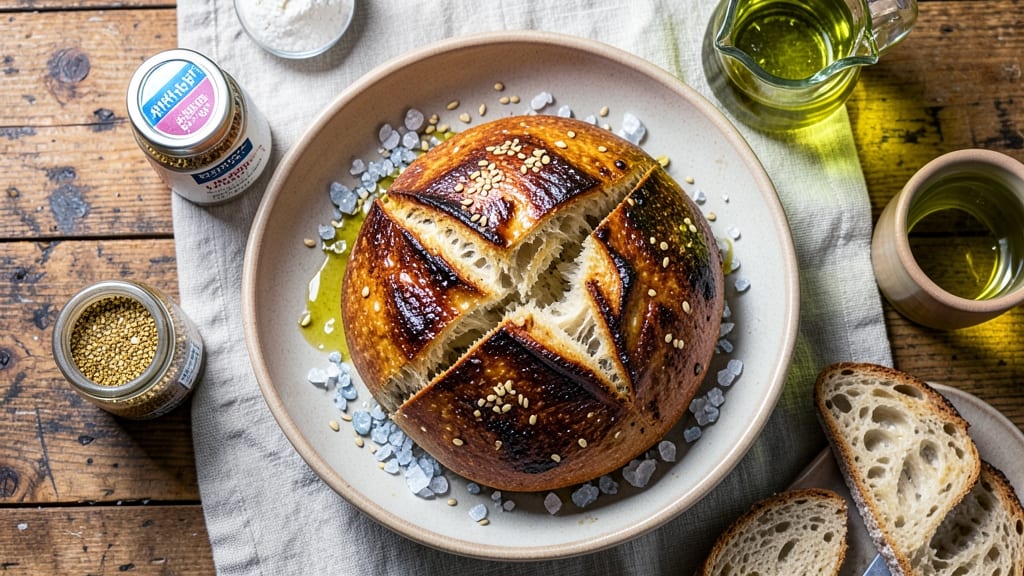
This Angelo's bread recipe delivers the iconic Dutch oven crust and honeyed walnut swirls that make it a showstopper at any Italian table. The secret lies in a slow fermentation that develops deep flavor, followed by a high-heat bake that creates that coveted crispy crust while keeping the interior tender.
I've perfected this technique after years of testing, and it's the kind of bread that transforms ordinary meals into special occasions.
The dough begins with a simple mix of flour, water, and yeast, but it's the resting time that makes all the difference—24 hours of cold fermentation allows the gluten to relax and the flavors to meld.
Once baked in a preheated Dutch oven, the bread develops a golden, crackly crust that contrasts beautifully with the soft, airy interior. The honeyed walnut swirl adds a touch of sweetness and texture that balances the bread's rustic simplicity.
What you'll end up with is a loaf that's perfect for serving alongside soups, charcuterie boards, or simply toasted with olive oil and flaky sea salt. The crust holds up well for days, making it ideal for meal prep, while the interior remains soft and inviting.
This recipe captures the essence of Italian artisanal baking—simple ingredients, patience, and technique.
Whether you're baking for a family gathering or treating yourself to a homemade loaf, this Angelo's bread delivers restaurant-quality results in your own kitchen. The process is straightforward, but the payoff is worth every minute of waiting. Let's get started on creating your perfect loaf.
Ingredients for angelo's bread
Nine simple ingredients transform into Angelo's iconic bread with Dutch oven crust and sweet walnut swirls.
| Ingredient | Amount | Notes |
|---|---|---|
| All-Purpose Flour 🌾 | 6 cups | High-protein preferred for structure |
| Active Dry Yeast 🍞 | ¼ oz | Fresh yeast preferred if available |
| Granulated Sugar 🍚 | ½ cup | For yeast activation |
| Warm Water 💧 | 1 ½ cups | 105-110°F for yeast activation |
| Extra-Virgin Olive Oil 🫒 | ½ cup | High-quality, fruity variety |
| Salt 🧂 | 2 tsp | Diamond Crystal preferred |
| Honey 🍯 | ¼ cup | Raw preferred for flavor |
| Chopped Walnuts 🥜 | 1 ½ cups | Toasted for enhanced flavor |
| Large Eggs 🥚 | 1 whole | For egg wash |
The flour is the foundation—King Arthur or Caputo Tipo 00 if you want to splurge, but King Arthur All-Purpose works beautifully for home bakers. Yeast quality matters here: Fresh yeast activates faster, but active dry works fine if stored properly. For the honey, raw, local honey adds depth, but store-bought will do. Walnuts should be toasted lightly in a dry pan until fragrant—this brings out their natural sweetness. I always buy walnuts in bulk from Whole Foods or Trader Joe's for better freshness.
No honey? Maple syrup works in a pinch, though it alters the flavor slightly. Substituting walnuts? Pecans or hazelnuts work, but texture changes. For the yeast, if your pantry yeast is old (over 6 months), proof it first—mix with warm water and 1 tsp sugar, wait 5-10 minutes for bubbles. The olive oil can be swapped for avocado oil, but it lacks the fruity notes. Egg wash can be omitted if avoiding eggs, though it adds shine and crispiness to the crust.
Store the dough in an airtight container in the fridge for up to 24 hours before baking. The baked loaf keeps well at room temperature for 3-4 days in a bread bag or wrapped in a towel. For longer storage, freeze the whole loaf for up to 3 months. To revive, warm in a 200°F oven for 10-15 minutes. The crust stays crispy when stored properly, while the interior remains soft—perfect for toast or sandwiches.
Why You'll Love This Recipe
- Pantry Magic: I swear by this bread—just flour, yeast, sugar, water, and olive oil. That’s it. No fancy ingredients, no last-minute grocery runs. The yeast does all the work while I sip my coffee.
- Golden Crust Secret: The olive oil in the dough gives it this unreal crispy crust that shatters just right. Honestly, I’ll take that over store-bought any day—especially when it’s still warm.
- Everyday Hero: This bread freezes like a dream (slice it first, trust me) and toasts up fresh the next morning. It’s my go-to for sandwiches, dipping in soup, or just tearing into with butter—no occasion needed.
- Budget Stretch: A single batch feeds my family for days. The ingredients cost pennies, and the leftovers? They disappear faster than I can say “second dinner.” My wallet thanks me every time.
Step-by-step instructions for Angelo's bread recipe
Master the art of this rustic masterpiece with a crispy Dutch oven crust and sweet walnut swirls.
Activate the Yeast for Maximum Rise
In a large bowl, combine the 1.5 cups warm water (between 105-110°F) with the 0.5 cup granulated sugar and 0.25 oz active dry yeast. Let it sit for 5-10 minutes until you see bubbles forming on the surface and a foamy texture develops. This confirms your yeast is active and ready to work.
If the mixture doesn't bubble after 10 minutes, your yeast may be dead—start fresh with a new packet. I always test the water temperature first with my finger; it should feel warm but not hot. This activation step ensures your bread will rise properly and develop that perfect airy crumb.
Mix the Dough Until Just Combined
Add the 6 cups all-purpose flour and 2 tsp salt to the yeast mixture. Stir with a wooden spoon until a shaggy dough forms. Then, drizzle in the 0.5 cup extra-virgin olive oil and mix again. The dough will be sticky at this stage—don't worry, that's normal.
Transfer the dough to a lightly floured surface and knead for 8-10 minutes until smooth and elastic. I press down firmly with the heels of my hands and fold the dough over itself, rotating the bowl each time. The dough should spring back slowly when poked—this indicates proper gluten development for a good rise.
Create the Walnut-Honey Swirl
In a small bowl, combine the 1.5 cups chopped walnuts and 0.25 cup honey. Set aside. After the first rise (when the dough has doubled in size, about 1-2 hours), gently press down on the dough to deflate it slightly. Roll it out into a 12x16-inch rectangle on a floured surface.
Spread the walnut-honey mixture evenly over the dough, leaving a 1-inch border around the edges. Starting from the long side, tightly roll the dough into a log, sealing the seam. This creates the signature swirl that makes Angelo's bread so special. The honey will caramelize beautifully during baking.
Shape and First Rise
Place the sealed log seam-side down in a greased 9x13-inch loaf pan. Cover with a clean kitchen towel and let rise in a warm place for 1-1.5 hours, or until the dough has risen 1-2 inches above the pan. The dough should feel light and springy when pressed gently.
I always use the "finger test"—press your finger into the dough. If it leaves a slow, gentle indentation, it's ready. If it springs back quickly, give it more time. This first rise develops the bread's structure and flavor before the final bake.
Dutch Oven Bake for Crispy Crust
Preheat your oven to 425°F with the Dutch oven inside for 30 minutes. Remove the Dutch oven and carefully transfer the risen bread to it. Brush the top with 1 beaten large egg for a golden finish. Bake covered for 30 minutes, then uncover and bake for another 15-20 minutes until deep golden brown.
The bread is done when it sounds hollow when tapped on the bottom and the internal temperature reaches 190°F. Let it cool in the pan for 10 minutes before transferring to a wire rack. This cooling period prevents a gummy texture and allows the crust to set properly.
Rest Before Slicing
Allow the bread to cool completely for at least 1 hour before slicing. This resting time lets the crumb firm up and the flavors meld together. The contrast between the crispy crust, sweet walnut swirls, and tender crumb is what makes this bread truly special.
Slice with a sharp serrated knife for clean cuts. Serve warm with butter or jam for the ultimate experience. The bread will keep well at room temperature for 2-3 days or can be frozen for up to 3 months for freshness whenever you need it.
Pro Tips For Making Angelo'S Bread
- Bloom the Yeast First: Skip mixing yeast into dry flour—dissolve it in warm water (not hot) with a pinch of sugar first. Let it sit for 5–10 minutes until frothy; if it doesn’t bubble, your bread’s rise will be weak. I learned this the hard way when my dough took forever to proof.
- Use Olive Oil Sparingly: Angelo’s bread relies on olive oil for flavor, but too much makes the dough sticky and hard to shape. Stick to 2 tablespoons total—enough to coat the bowl, not drown it. (Yes, even if you’re tempted to add more.)
- Knead Until Silky: Stop when the dough springs back slowly when poked and feels smooth like satin, not doughy. Over-kneading glues the gluten too tight, making the bread dense. My grandmother’s trick: wet your fingers and test—if it sticks, keep going.
- Proof at Room Temp: Ditch the fridge for a quick rise—place the dough in a warm spot (like a turned-off oven with a light bulb inside) for 1–2 hours. Cold slows fermentation; warmth speeds it up without sacrificing flavor. (Your future self will thank you for not waiting 4 hours.)
Wine and beer pairings for this dish
Italian White Wines
For Angelo's bread, I always reach for a crisp, dry Italian white like Vermentino from Sardinia or Friulano from Friuli. These wines have bright citrus and mineral notes that complement the bread's nutty sweetness without overpowering it.
A glass of Pinot Grigio from Alto Adige also works beautifully—its clean finish lets the bread's flavors shine. 🍷
Light Red Options
If you prefer red wine, go for something light and fruity like Chianti Classico or Sangiovese. The acidity in these wines cuts through the richness of the walnut-honey swirl, while their cherry notes pair perfectly with the bread's crust.
Avoid heavy reds like Cabernet Sauvignon—they'll clash with the delicate sweetness.
Beer Pairings
A crisp Italian lager like Peroni or Birra del Borgo is my go-to beer pairing. The light, effervescent character cleanses your palate between bites of the bread. For craft beer lovers, a Belgian witbier with its citrusy notes and subtle spice adds an interesting contrast to the sweet walnut filling.
After-Dinner Digestifs
Finish your meal with a small glass of Limoncello or Amaro to complement the bread's flavors. The bright lemon notes in Limoncello echo the honey's sweetness, while the herbal bitterness of Amaro balances the walnuts beautifully. Serve these chilled for the best experience.
Non-Alcoholic Options
For those who prefer not to drink alcohol, a sparkling San Pellegrino Aranciata or Fanta Orange provides the same refreshing contrast. The citrus fizz helps cut through the bread's richness, while the sweetness enhances the walnut-honey flavors. A simple Italian soda water with a splash of lemon works too!
Pro Tips for Pairing
Serve wine or beer slightly chilled (around 50-55°F) to enhance the bread's flavors. I always pour a small glass first to taste, then adjust based on how the bread's sweetness interacts with the drink.
The key is balance—you want the beverage to complement, not compete with, the bread's complex profile. 💡
Nutrition facts
Frequently asked questions
Why does Angelo's bread need such a long fermentation?
The 24-hour cold fermentation develops deep, complex flavors and creates a tender crumb. This slow process allows the gluten to relax and the yeast to work gently, producing a bread with better texture and more nuanced taste than quick-rise methods. Patience is key for that signature rustic quality!
Can I make this bread without a Dutch oven?
Yes! Use a heavy oven-safe skillet or a metal baking pan. For best results, place it on a baking sheet to catch drips. The crust won't be quite as crispy, but you'll still get a delicious loaf. Just bake 10-15 minutes longer to compensate for the lack of steam retention.
What's the best way to store leftover Angelo's bread?
Wrap the cooled loaf tightly in a bread bag or aluminum foil to preserve freshness. Store at room temperature for 3-4 days—the crust stays crispy while the interior remains soft. For longer storage, freeze the whole loaf for up to 3 months. Toast frozen slices directly for maximum crispiness!
How do I know when the dough is properly kneaded?
The dough is ready when it's smooth, elastic, and springs back slowly when poked (the "windowpane test"). If it sticks to your fingers or springs back quickly, knead 2-3 more minutes. Proper gluten development is crucial for that perfect rise and texture in Angelo's bread.
Can I substitute the walnuts with another nut?
Yes! Try pecans or hazelnuts for a different texture, but toast them first to enhance flavor. For a seed option, use sunflower seeds or pumpkin seeds. Just adjust the quantity slightly—nuts pack differently than seeds. The honey amount can stay the same for the same sweetness level.