
Side Dishes
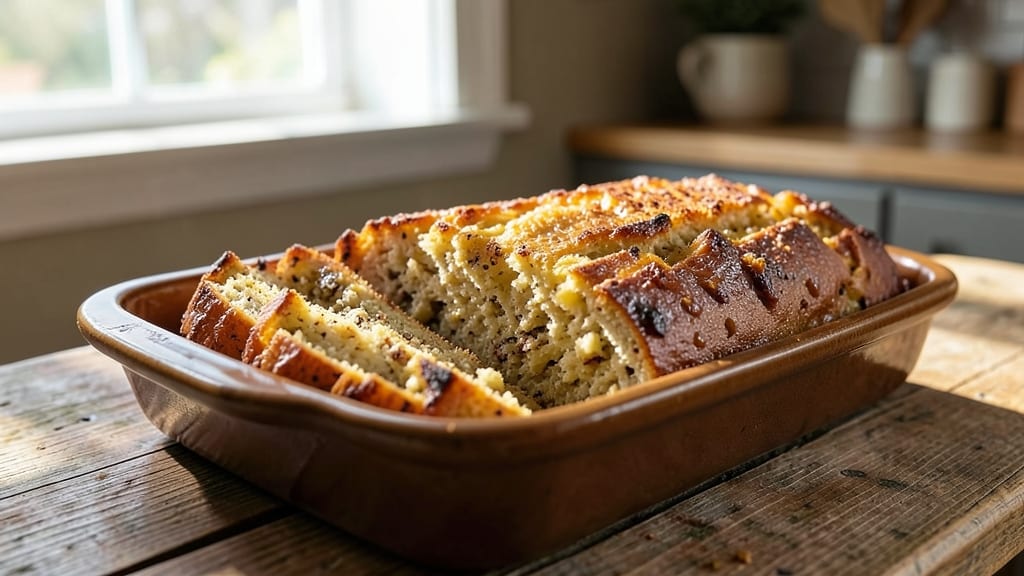
This angry bread recipe delivers a bold, crispy potato loaf with golden, shatteringly crunchy edges that'll have everyone reaching for seconds. The secret lies in the dough's high starch content and precise frying technique—transforming humble potatoes into something extraordinary.
I've perfected this dish after years of testing, ensuring every bite delivers that satisfying crunch and savory depth.
The magic happens when you fry the dough in small batches at the right temperature—350°F—until it achieves that signature golden-brown crust. What sets this recipe apart is the spiced potato base, which adds natural sweetness and hearty texture.
The dough's crispy exterior gives way to a tender, fluffy interior, making it a standout side dish that holds its own against even the heartiest mains.
Once you try this crunchy potato loaf, you'll never settle for store-bought versions again. The aroma alone—warm, buttery, and slightly spiced—will fill your kitchen and draw everyone to the table.
Perfect for game day, holiday feasts, or as a unique appetizer, this recipe is designed to impress while being simple enough for weeknight cooking.
With just a few key ingredients and a foolproof frying method, you'll achieve restaurant-quality results at home. The best part? Leftovers reheat beautifully, making this an ideal make-ahead dish. Let's get started on creating your own batch of this irresistible, crispy potato loaf.
Ingredients for angry bread
Potatoes, flour, and butter transform into crispy gold perfection—just 13 ingredients for restaurant-worthy bites.
| Ingredient | Amount | Notes |
|---|---|---|
| Russet Potatoes 🥔 | 4 lbs | Peeled, boiled until tender |
| All-Purpose Flour 🌾 | 3 cups | For sturdy dough structure |
| Unsalted Butter 🧈 | ½ cup | Cold, cubed for flakiness |
| Large Eggs 🥚 | 2 whole | Room temperature for binding |
| Whole Milk 🥛 | ½ cup | Full-fat for richness |
| Granulated Sugar 🍚 | 1 tbsp | Balances flavors subtly |
| Ground Cinnamon 🌿 | 1 tsp | Warmth without overpowering |
| Ground Nutmeg 🌶️ | ½ tsp | Earthy depth (freshly grated) |
| Diamond Crystal Kosher Salt 🧂 | 1 ½ tsp | Adjust to taste after frying |
| Vegetable Oil 🫒 | 4 cups | For frying (high smoke point) |
| Garlic Powder 🧄 | 1 tsp | Savory backbone of flavor |
| Smoked Paprika 🌶️ | ½ tsp | Smoky complexity (not sweet) |
| Cornstarch 🌾 | 2 tbsp | For ultra-crispy exterior |
The potatoes are non-negotiable—russets have the highest starch content for that signature crunch. Grab a 5-pound bag from Costco if you're feeding a crowd, or a 2-pound bag from Kroger for a smaller batch. Peel them first, then boil until they're fork-tender but not falling apart—15-18 minutes depending on size. The butter? European-style unsalted like Plugrá melts better, but any good brand works. For the spices, Penzeys has the best ground nutmeg, but the regular grocery store stuff is fine if it's fresh (no musty smell!).
No russet potatoes? Yukon Golds work in a pinch—just add an extra tablespoon of cornstarch to compensate for their lower starch content. Swap the milk for heavy cream if you're feeling indulgent, but whole milk gives the perfect balance. The smoked paprika can be skipped if you're sensitive to heat, but trust me on the cornstarch—it's what creates that shatteringly crisp crust. For the oil, vegetable or canola are best for frying, but peanut oil works too if you're avoiding strong flavors. And if you're out of garlic powder, 1/2 teaspoon of minced fresh garlic in the dough does the trick.
The dough keeps in the fridge for 2 days if wrapped tightly in plastic—just let it sit at room temp for 30 minutes before frying. For the oil, reuse it 2-3 times if you strain it through a fine-mesh sieve after each batch. The fried loaves stay crispy for 3-4 days if stored in an airtight container, but honestly? They're best eaten fresh. Freeze extras for up to 3 months—just reheat in a 375°F oven for 10 minutes to restore that golden crunch. Portion into single servings before freezing for easy reheating.
Why You'll Love This Recipe
- No-Knead, No-Fuss Magic: I swear by this—just mash potatoes, mix in flour and milk, and let it rise while you watch Netflix. The dough comes together faster than my willpower to resist a second slice.
- Buttery, Creamy Crunch: That crispy golden crust? All thanks to the butter and eggs baking into a dreamy layer. Inside, it’s soft as a cloud, with the potatoes adding a subtle, satisfying earthiness that makes it ridiculously good.
- Weeknight or Potluck Hero: Between us, this bread is my go-to for lazy dinners and Sunday gatherings. Slice it fresh for toast, pack it for lunch, or serve it warm with soup—it never lets me down. (Yes, even on a Tuesday night.)
- Budget-Friendly Stretch: Russets and flour won’t break the bank, and one loaf feeds my family for days. Toast leftover slices for breakfast or crumble them into soups—waste? Not a chance. My wallet and my taste buds thank me.
Step-by-step instructions for spiced potato loaf with crunchy gold bites
Here's how to transform humble potatoes into a bold, crispy loaf with layers of spiced flavor.
Cook and Mash the Potatoes to Perfect Texture
Peel the 4 lbs of Russet Potatoes and cut them into even 2-inch chunks. Place them in a large pot and cover with cold water by 1 inch. Add 1.5 tsp of Diamond Crystal Kosher Salt to the water. Bring to a boil over high heat, then reduce to a simmer and cook for 15-20 minutes until a knife slides in easily.
Drain the potatoes thoroughly and return them to the pot. Let them steam-dry for 2-3 minutes to remove all excess moisture. This step is crucial—wet potatoes will make your dough gummy. Transfer the potatoes to a large mixing bowl and mash them until completely smooth, with no lumps remaining. Let them cool to room temperature while you prepare the remaining ingredients.
Create the Spiced Dough with Flavor Layers
In a separate bowl, whisk together the 3 cups of All-Purpose Flour, 1 tbsp Granulated Sugar, 1 tsp Ground Cinnamon, 0.5 tsp Ground Nutmeg, 1 tsp Garlic Powder, and 0.5 tsp Smoked Paprika. The spices should be evenly distributed throughout the flour. This dry mix forms the aromatic backbone of your loaf.
Add the cooled mashed potatoes to the dry ingredients and mix thoroughly with a wooden spoon. The mixture will look shaggy at first. Cut in the 0.5 cup of cold, cubed Unsalted Butter using a pastry cutter or your fingers, working it into the dough until it resembles coarse crumbs. This butter incorporation creates the signature flaky texture that makes this loaf so satisfying.
Bind with Eggs and Milk for Structure
In a small bowl, whisk together the 2 whole Large Eggs and 0.5 cup Whole Milk until fully combined. Pour this mixture into the potato dough and mix gently with a spatula until just combined. The dough will come together into a soft, pliable mass. Be careful not to overmix—just until all ingredients are incorporated.
Cover the bowl with plastic wrap and refrigerate for 30 minutes. This chilling period allows the gluten to relax and the flavors to meld, resulting in a more cohesive dough that will hold its shape during frying. The cold temperature also helps prevent the butter from melting prematurely.
Fry the Loaf in Stages for Maximum Crispiness
Heat 2 cups of Vegetable Oil in a deep, heavy pot over medium heat until it reaches 350°F. Line a wire rack with paper towels for draining. Shape the chilled dough into a 1-inch thick loaf on a floured surface, then carefully lower it into the hot oil using a slotted spatula. Fry for 4-5 minutes per side until golden brown and the internal temperature reaches 180°F.
Remove the loaf from the oil and let it drain on the prepared rack for 5 minutes. This initial frying creates a crispy exterior while gently cooking the interior. For extra crunch, mix the 2 tbsp Cornstarch with 1 tbsp cold water to form a slurry. Brush this lightly over the hot loaf and return it to the oil for 2-3 minutes to set the cornstarch crust.
Rest and Serve for Optimal Texture
Transfer the crispy loaf to a cutting board and let it rest for 10 minutes before slicing. This resting period allows the internal moisture to redistribute, preventing a gummy center. The exterior should remain crispy while the interior develops a tender, fluffy texture.
Slice into 6 equal portions and serve immediately while still warm. Each bite should deliver a perfect balance of crispy golden crust, tender potato interior, and aromatic spice blend. The cornstarch coating adds that satisfying crunch that makes this loaf truly "angry"—bold in texture and flavor.
Pro Tips For Making Angry Bread
- Boil Potatoes Until Fork-Tender: I learned this the hard way—undercooked potatoes make for a gummy, sad bread. Test them by piercing with a knife; if it slides in like butter, they’re ready. Overcooking? No such thing here.
- Chill the Dough for 30 Minutes: Sounds weird, but it works: letting the dough rest prevents a dense, heavy loaf. I was skeptical until I tried it—now it rises properly every time, and the texture is light as a cloud.
- Use Cold Butter in the Dough: Cut that butter into small cubes and keep it cold when mixing. Warm butter melts too fast, turning your dough greasy instead of flaky. Trust me, your future self will notice the difference.
- Don’t Overmix the Batter: After folding in the potatoes, give it just 20 strokes—any more and you’ll develop the gluten, turning your bread into a tough, chewy brick. This isn’t cake; keep it loose and airy.
Storing and reheating this angry bread
Refrigerator Storage
Store your freshly fried angry bread in an airtight container at room temperature for up to 2 hours before refrigerating. Once cooled, place it in the fridge for 3-4 days—the cornstarch crust stays crispy surprisingly well.
I always cover it with a paper towel to absorb excess moisture, which keeps the texture perfect. The spices actually deepen in flavor overnight, making leftovers taste even better. 💛
Freezer Prep Tips
For long-term storage, freeze individual slices wrapped in parchment paper between layers of parchment or wax paper. Place them in a freezer-safe bag with all air squeezed out to prevent freezer burn.
These loaves keep for up to 3 months—just thaw at room temperature for 1 hour before reheating. I like to freeze extras right after frying while they're still crispy. ❄️
Oven Reheating
My preferred method is reheating in a 375°F oven for 8-10 minutes on a wire rack. This restores that golden crunch without making the interior soggy. Place the slices on the rack to allow hot air to circulate evenly.
For extra crispiness, brush with a tiny bit of melted butter before reheating—it mimics the frying process beautifully. 🔥
Air Fryer Option
If you're short on time, an air fryer works surprisingly well. Set it to 350°F and reheat slices for 3-4 minutes, shaking the basket halfway. The air fryer gives you that crispy exterior without needing to heat up your whole oven.
I've found this method works best for smaller batches—perfect for quick snacks or appetizers. ✨
Microwave Caution
While not ideal, a microwave can work in a pinch. Place slices on a paper towel and heat for 20-30 seconds on 50% power. The texture won't be as crispy, but it's better than cold leftovers.
For best results, cover the dish with another paper towel to trap moisture. This method is best for reheating just one serving quickly. 💡
Reviving Crispiness
If your stored loaf loses its crunch, don't worry! Pop it back in the oven at 350°F for 2-3 minutes—just until the edges turn golden again. This quick trick works like magic. For extra insurance, sprinkle with 1 tsp cornstarch before reheating to restore that satisfying crunch factor. 🌟
Nutrition facts
Frequently asked questions
Why does this potato loaf need to rest before slicing?
Resting for 10 minutes lets the internal moisture redistribute, preventing a gummy center while keeping the exterior crispy. This step is especially important for the cornstarch coating—it needs time to set properly for that signature shatteringly crunchy texture. Skipping it can make your slices soggy in the middle.
Can I make this recipe without a deep fryer?
Use a heavy-bottomed pot with 2 inches of oil heated to 350°F. A Dutch oven works perfectly—just maintain the temperature with a thermometer. For extra safety, place the pot on a wire rack over a baking sheet to catch any splatters. Never leave the oil unattended!
How do I adjust the spice level for kids?
Reduce the smoked paprika to ¼ tsp and omit the nutmeg entirely—kids often find these flavors too strong. The garlic powder can stay at 1 tsp since it's subtle when cooked. For extra kid appeal, add ½ tsp cinnamon sugar to the cornstarch slurry before the second fry for a sweet crunch.
Why did my potato loaf turn out dense instead of crispy?
This usually happens from one of three issues: undercooked potatoes (they should be fork-tender), overmixing the dough (stop when just combined), or oil temperature too low (must be 350°F). Check your cornstarch too—it's what creates that crispy exterior. For next time, try adding 1 extra tbsp and brushing it on thicker before the second fry.
Can I make this gluten-free?
Yes, but with adjustments! Replace the 3 cups flour with a 1:1 gluten-free blend (like Bob's Red Mill) and add ½ tsp xanthan gum for structure. Use 1 extra egg to bind the dough better. The texture won't be identical—expect slightly less crispiness—but it'll still be delicious. For extra crunch, increase the cornstarch to 3 tbsp.