
Side Dishes
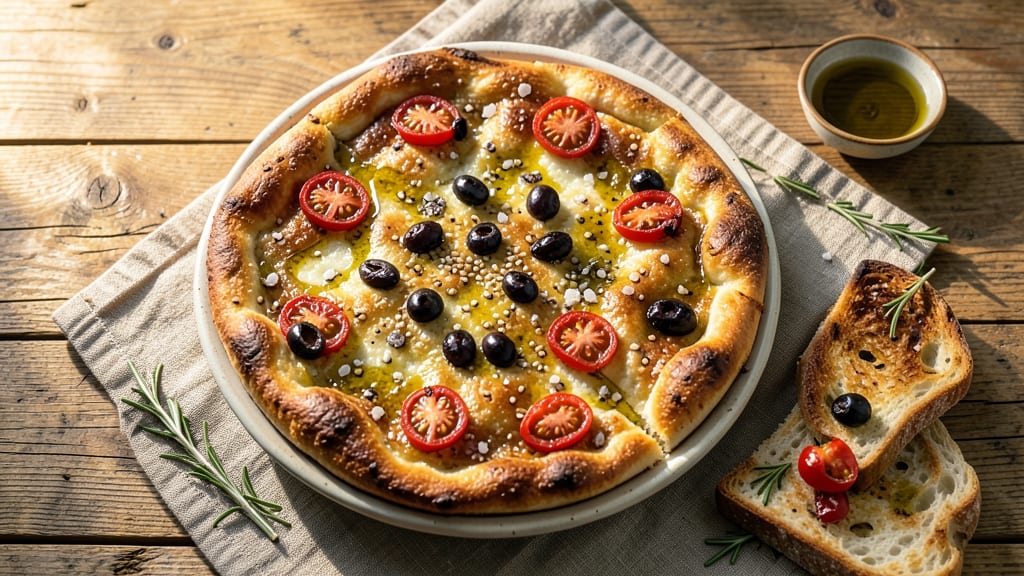
Anna Olson’s focaccia bread recipe transforms simple ingredients into a golden, olive oil-infused masterpiece with a signature Roman salt finish. 🌟 The secret lies in its generous olive oil content—drizzled generously over the dough and brushed repeatedly during baking—and the art of dimpling, which creates those coveted pockets for catching melted butter or olive oil.
This isn’t your average focaccia; it’s a restaurant-quality loaf that’s surprisingly approachable for home bakers.
The dough comes together in just 10 minutes of mixing, followed by a 2-hour proofing at room temperature, making it perfect for a relaxed weekend project. The real magic happens in the oven, where the bread develops a crispy, shatteringly thin crust while staying soft and airy inside.
Anna’s technique ensures every bite delivers that perfect balance of buttery richness and savory depth, thanks to the flaky sea salt sprinkled on top at the end.
What sets this recipe apart is its adaptability—whether you’re serving it as a side to soups, pairing it with charcuterie, or using it as a base for sandwiches, the texture and flavor shine.
The generous olive oil doesn’t just add moisture; it creates a luxurious mouthfeel and a subtle fruity aroma that elevates every slice. With just 7 ingredients and minimal effort, you’ll achieve a loaf that looks and tastes like it belongs in a high-end bakery.
The key to success is patience—letting the dough rise fully and baking it until the edges are deep golden and the crust is crisp. The Roman salt finish adds a sophisticated touch, making this focaccia bread a showstopper for any table. Ready to master this technique? Let’s get started.
Ingredients for anna olson focaccia bread
Seven simple ingredients create Anna Olson’s luxurious olive oil-infused focaccia with crispy crust and Roman salt finish.
| Ingredient | Amount | Notes |
|---|---|---|
| All-Purpose Flour 🌾 | 4 cups | Spooned and leveled measurement |
| Active Dry Yeast 🍞 | ¼ oz | One packet (2.25 tsp) |
| Granulated Sugar 🍚 | 1 tbsp | For yeast activation |
| Extra-Virgin Olive Oil 🫒 | 1 ½ cups | High-quality, fruity variety |
| Warm Water 💧 | 1 ¼ cups | 110°F for optimal yeast activation |
| Flaky Sea Salt 🧂 | 1 ½ tsp | Roman salt preferred for finish |
| Coarse Kosher Salt 🧂 | 1 tsp | For dough seasoning |
The olive oil is non-negotiable here—look for extra-virgin with fruity notes at specialty stores like Whole Foods or Trader Joe's. I always grab a large bottle from Lucini or Filippo Berio; their quality shows in every bite. The yeast should be fresh—check the expiration date. If it’s past its prime, toss it. For the flour, King Arthur or Gold Medal brands are reliable. The Roman salt? Maldon or Jacobsen flakes are worth the splurge—they dissolve just enough to enhance flavor without overpowering. Store your olive oil in a cool, dark place to preserve its freshness.
No extra-virgin olive oil? Light or pure olive oil works, but the flavor won’t be as rich. Running low on yeast? Active dry yeast is a must—instant yeast won’t activate properly in this dough. The sugar can be swapped for honey or maple syrup at the same amount, though granulated keeps it classic. For the salt, Diamond Crystal kosher salt is a solid backup, but it’s saltier, so taste as you go. If you’re out of flaky sea salt, crushed black lava salt adds a similar texture. The water temperature matters—too hot kills the yeast, too cold slows activation. Aim for 110°F.
This dough keeps 24 hours in the fridge before baking—perfect for shaping the night before. Once baked, store focaccia wrapped in a clean kitchen towel to maintain softness for 3-4 days. For longer storage, slice and freeze portions for up to 3 months. The Roman salt finish should be sprinkled immediately after baking while still warm. If you’re serving with butter or olive oil, drizzle it over the warm loaf—those pockets are made for catching every drop.
Why You'll Love This Recipe
- No-Knead Magic: Between us, this dough is so forgiving. Just mix the flour, yeast, sugar, and warm water—no standing at the counter for hours. The olive oil does all the work, creating that signature tender crumb with zero fuss. Honestly, I’ve made it while scrolling through emails.
- Olive Oil Bliss: That first pull-apart bite? Pure satisfaction. The extra-virgin olive oil infuses the dough until every slice tastes like a sun-drenched Italian bakery. No fancy ingredients—just flour, yeast, and a good drizzle. (Yes, even on a Tuesday night.)
- Weeknight Workhorse: Slice it for sandwiches, tear it into croutons, or serve it warm with dinner—this bread adapts to everything. I keep a loaf in the fridge all week for toast, garlic knots, or soaking up marinara. No waste, just versatility.
- Budget-Friendly Staple: Flour, yeast, sugar, and olive oil? That’s it. No specialty items, no markup. A single batch feeds my family for days, and the leftovers freeze like a dream. My wallet and my taste buds thank me.
Step-by-step instructions for Anna Olson's focaccia bread
Here's the method—simple yet precise—for creating that signature olive oil crust and flaky Roman salt finish.
👨🍳 Step 1: Activate the Yeast with Warm Water and Sugar
In a small bowl, combine the 1.25 cups warm water (should feel like bathwater, not hot) with the 1 tbsp granulated sugar. Sprinkle the 0.25 oz active dry yeast over the top and let it sit for 5-10 minutes until it becomes foamy. This foam confirms the yeast is alive and ready to work.
I always test the water temperature first—too hot kills the yeast, too cool makes it sluggish. If no foam appears after 10 minutes, your yeast may be inactive, and you'll need to start over. Once activated, the mixture will smell slightly sweet and yeasty—this is exactly what you want.
👨🍳 Step 2: Mix the Dough with Olive Oil and Flour
In a large bowl, combine the 4 cups all-purpose flour and 1 tsp coarse kosher salt. Make a well in the center and pour in the yeast mixture along with the 1.5 cups extra-virgin olive oil. Using a wooden spoon, stir until the dough begins to come together, then switch to your hands to knead for 5-7 minutes.
The dough should be soft and slightly sticky but not wet. If it feels too dry, add 1 tablespoon warm water at a time until it reaches the right consistency. The olive oil is key here—it creates that signature tender crumb and crispy crust. Don't worry if it doesn't look perfectly smooth; focaccia dough is forgiving.
🥘 Step 3: First Rise and Shape in the Pan
Lightly grease a 9x13-inch baking pan with olive oil. Transfer the dough to the pan and shape it by stretching it gently to fit the bottom. Use your fingers to press the dough into the corners, creating a smooth, even surface. Cover the pan with a damp towel and let it rise at room temperature for 1-2 hours.
You'll know it's ready when the dough has nearly doubled in size and puffs up noticeably. The edges should look rounded and slightly domed. I like to do this rise at room temperature rather than the fridge—it develops more flavor and makes shaping easier. If your kitchen is cold, place the pan in a slightly warm spot to encourage even rising.
🔥 Step 4: Dimple and Second Rise Before Baking
Preheat your oven to 425°F. Using your fingertips, dimple the dough all over—press down gently to create small indentations about ½-inch apart. This creates those classic focaccia pockets. Drizzle the surface with an additional 2 tablespoons olive oil and sprinkle with 1.5 tsp flaky sea salt, pressing it lightly into the dough.
Return the pan to rise for another 30-45 minutes until the dough puffs up again. The salt should look slightly melted and the oil should pool in the dimples. This second rise is crucial—it gives the bread its signature airy texture. If your dough doesn't rise much, it might need more time, especially if your kitchen is cool.
🔥 Step 5: Bake to Golden Perfection
Bake the focaccia for 25-30 minutes until the top is deep golden brown and the crust is crispy. The edges should pull away from the pan slightly, and you should smell that irresistible bread aroma. For extra crispiness, I like to turn the oven to broil for the last 2-3 minutes, watching closely to prevent burning.
Let the focaccia cool in the pan for 10 minutes before transferring to a wire rack. The crust will firm up as it cools, but it's best enjoyed warm. The Roman salt should have melted into the crust, creating those signature flaky crystals. Slice it thick—focaccia is meant to be torn and shared, not sliced neatly.
Pro Tips For Making Anna Olson Focaccia Bread
- Measure Flour by Scooping: Use a spoon to fluff the flour in the bag first—packing it down means you’re adding way more than the recipe calls for. I learned this the hard way when my first focaccia turned out dense instead of light. A standard 1-cup measure should hold about 120 grams of all-purpose flour, but scoop-and-level for accuracy.
- Proof Yeast in Warm Water: Test your yeast by dissolving the sugar in the warm water first, then adding the yeast—it should foam within 5–10 minutes. If it doesn’t, your yeast is dead or your water’s too hot (yeast hates extremes). No foam? Start over; this isn’t a step you can skip.
- Dimple the Dough Early: Press those dimples into the dough before the final rise, not after—it’s easier when the dough is still soft. Use your fingers to make deep, uneven indentations; this isn’t about looks, it’s about creating pockets for the olive oil to soak in later. (Yes, even if it looks messy.)
- Bake Until Golden Brown: The focaccia is done when the crust is deep golden, not just pale—aim for 230–240°F internal temp if you’re using a thermometer. I used to pull mine out too soon, and the texture was always chewy instead of crisp. A few extra minutes in the oven make all the difference.
Health benefits of anna olson focaccia bread
Olive Oil Benefits
This focaccia relies on extra-virgin olive oil for its signature richness and health perks. A single 1.5-cup serving delivers 24 grams of heart-healthy monounsaturated fats, which help lower bad cholesterol (LDL) while maintaining good cholesterol (HDL).
The oil also contains polyphenols, powerful antioxidants that fight inflammation and reduce oxidative stress. 🌿
Look for cold-pressed, unfiltered olive oil like Filippo Berio or Lucini for maximum flavor and nutrients. These brands retain more of the oil’s natural compounds, including oleocanthal, which has been shown to reduce pain similarly to ibuprofen.
The generous drizzling in this recipe ensures you get these benefits with every bite.
Fiber-Rich Crust
The all-purpose flour base provides 4 grams of fiber per serving, supporting digestive health and promoting satiety. While not a whole-grain bread, the high olive oil content enhances moisture retention, making it easier to digest than drier breads.
The coarse kosher salt adds flavor without excessive sodium—just 1.5 tsp per loaf, which is moderate compared to many commercial breads. 💪
For an extra fiber boost, substitute ½ cup of the all-purpose flour with whole wheat flour or white whole wheat flour. This swap adds 2-3 grams of additional fiber per serving while maintaining the focaccia’s signature texture.
The slight nuttiness of whole wheat pairs beautifully with the olive oil’s fruity notes.
Yeast for Gut Health
The active dry yeast in this recipe isn’t just for rising—it’s a probiotic powerhouse. A single 0.25-ounce packet contains 1-2 billion live yeast cells, which act as a prebiotic, feeding beneficial gut bacteria.
This fermentation process also creates B vitamins, particularly B6 and folate, which support energy metabolism and cell repair. 🍞
For those with yeast sensitivities, try a sourdough starter instead. While it requires more time, it eliminates commercial yeast while still providing probiotic benefits. The tangy flavor from sourdough also complements the olive oil beautifully, creating a more complex profile.
Low-Sodium Advantage
This focaccia uses only 1.5 tsp of flaky sea salt—a fraction of what’s found in many store-bought loaves. The Roman salt finish adds dramatic flavor without excessive sodium, making it heart-healthier than traditional breads.
Each serving contains about 300mg of sodium, which is 13% of the daily recommended limit—far less than processed breads that often exceed 500mg per slice.
To further reduce sodium, omit the coarse kosher salt in the dough and rely solely on the Roman salt finish. For extra flavor without salt, try dried rosemary or garlic powder sprinkled before baking. These herbs add depth while keeping the sodium content in check.
Nutrition facts
Frequently asked questions
Why does Anna Olson's focaccia use so much olive oil?
The generous 1.5 cups of extra-virgin olive oil creates that signature crispy crust and tender crumb. It also adds a fruity aroma and luxurious mouthfeel that makes this focaccia stand out. The oil doesn't just moisten—it transforms the texture into something restaurant-quality.
Can I make this focaccia ahead of time?
Yes! Shape the dough and refrigerate it overnight before baking. This actually enhances the flavor. The dough will rise more slowly in the fridge, developing deeper complexity. Just let it sit at room temperature for 1 hour before baking to bring it to the right temperature.
What's the best way to store leftover focaccia?
Wrap it in a clean kitchen towel to keep it soft for 3-4 days. For longer storage, slice and freeze portions for up to 3 months. The Roman salt finish should be added fresh when serving—it loses its flaky texture when stored. Reheat slices in a 350°F oven for 5 minutes to restore crispiness.
Can I add herbs or toppings to this focaccia?
Try fresh rosemary or thyme mixed into the dough, or sprinkle cherry tomatoes or olives before the final rise. For a sweet version, add dried cranberries or orange zest. Just press toppings lightly into the dimples so they stay in place during baking.
Why did my focaccia turn out dense instead of airy?
Dense focaccia usually means the dough didn't rise enough. Check your yeast—it might be old or inactive. Also ensure your kitchen is warm enough (70°F+) for proper rising. If using a cold kitchen, place the dough in a slightly warm spot. The second rise is crucial—don't skip it!