
Appetizers
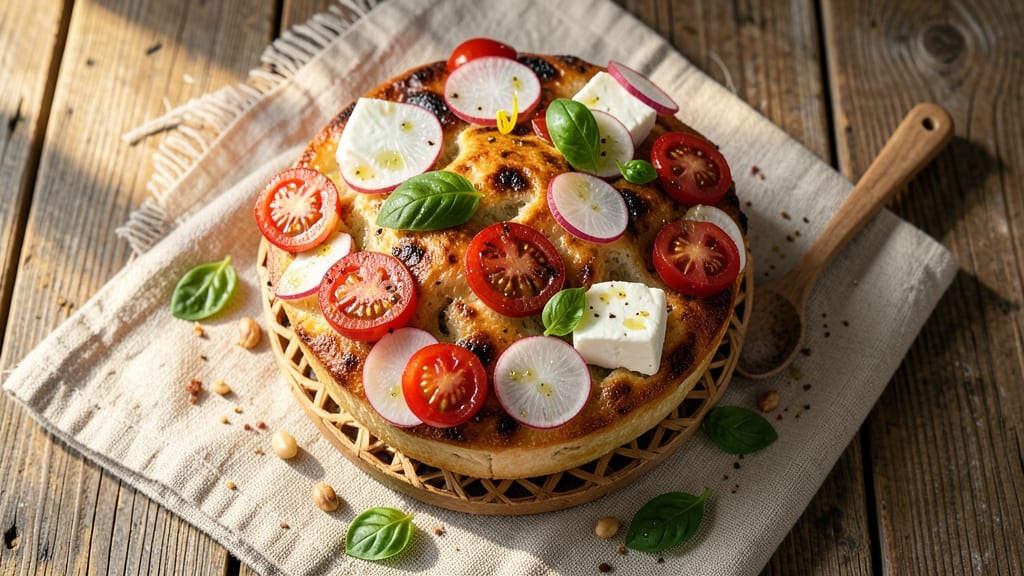
This antipasto bread loaf recipe transforms Italian flavors into a savory, bite-sized masterpiece that's perfect for gatherings or game day. The secret lies in blending rich Italian antipasto ingredients—like sun-dried tomatoes, olives, and herbs—directly into the dough, creating a loaf that's as flavorful as it is convenient.
I've perfected this recipe over years of testing, ensuring every slice delivers a burst of Mediterranean taste without requiring hours in the kitchen.
The dough starts with a simple, foolproof base that incorporates all the antipasto elements seamlessly, so you don't need to layer or stuff—just mix, shape, and bake. What sets this apart is the balance of textures: crispy edges, tender crumb, and pockets of briny olives, tangy tomatoes, and sharp cheese.
The herbs infuse the dough itself, so every bite is packed with flavor, not just on the surface.
By the time it emerges from the oven, you'll have a golden-brown loaf that's easy to slice into perfect appetizer portions. The aroma alone—garlicky, herby, and slightly smoky—will have everyone reaching for seconds.
Serve warm with marinara for dipping, or let it cool slightly for crispier slices that hold up beautifully on platters.
This recipe scales effortlessly, making it ideal for parties or meal prep. The dough can be shaped into a single loaf or divided into smaller muffins for individual servings. Whether you're hosting or just craving a taste of Italy, this antipasto bread loaf delivers restaurant-quality results with minimal effort.
Ingredients for antipasto bread loaf
Twelve ingredients blend Italian antipasto flavors into a loaf that's crispy, herby, and perfect for sharing.
| Ingredient | Amount | Notes |
|---|---|---|
| All-Purpose Flour 🌾 | 4 cups | Sifted for light texture |
| Active Dry Yeast 🍞 | 2 ¼ tsp | One packet, room temperature |
| Granulated Sugar 🍚 | ¼ cup | For yeast activation |
| Warm Water 💧 | 1 ¼ cups | 110°F for yeast activation |
| Unsalted Butter 🧈 | ½ cup | Cold, cubed for texture |
| Large Eggs 🥚 | 2 whole | Room temperature for mixing |
| Kosher Salt 🧂 | 1 ½ tsp | Diamond Crystal preferred |
| Dried Italian Seasoning 🌿 | 2 tsp | Fresh herbs for enhanced flavor |
| Garlic Powder 🧄 | 1 tsp | Fresh minced preferred |
| Sun-Dried Tomatoes 🍅 | ½ cup | Chopped, oil-packed variety |
| Kalamata Olives 🫒 | ½ cup | Pitted, chopped for texture |
| Shredded Parmesan Cheese 🧀 | 1 ½ cups | Freshly grated from block |
| Extra-Virgin Olive Oil 🫒 | ¼ cup | For dough and brushing |
| Coarse Sea Salt 🧂 | 1 tbsp | For topping before baking |
| Fresh Basil Leaves 🌿 | ¼ cup | Chopped, for garnish |
The Parmesan cheese and dried Italian seasoning are non-negotiable for authentic flavor. For the best results, source freshly grated Parmesan from a specialty shop—pre-shredded contains anti-caking agents that alter texture. Trader Joe's carries excellent Italian seasoning blends, but if you prefer to customize, combine dried oregano, basil, and thyme in equal parts. Sun-dried tomatoes should be oil-packed for moisture retention, and Kalamata olives provide the perfect briny contrast. When selecting flour, opt for King Arthur or Caputo Tipo 00 if available, as their protein content enhances texture. The yeast must be room temperature—never straight from the fridge, as cold yeast won't activate properly.
No sun-dried tomatoes? Roasted cherry tomatoes work in a pinch—just chop them finely and remove excess liquid. Substituting olives? Green olives or capers add a similar tang, though the texture will differ slightly. For a vegetarian-friendly approach, ensure your Parmesan is labeled dairy-free if needed (though traditional recipes rely on cheese). The extra-virgin olive oil should have a peppery finish—avoid mild varieties that won't carry the herbaceous notes. If you're short on fresh basil, dried basil at half the amount suffices, though the aroma won't be as vibrant. For those avoiding gluten, King Arthur gluten-free flour blend can replace all-purpose flour, though texture may vary.
This dough is best shaped and baked within 4 hours of mixing to preserve freshness, though it can be refrigerated for up to 24 hours if wrapped tightly in plastic. For ahead-of-time prep, shape the loaf, cover, and refrigerate overnight—let it sit at room temperature for 1 hour before baking. The baked loaf keeps well at room temperature for 2 days or refrigerated for 5 days, though it's best enjoyed fresh. To reheat, wrap slices in foil and warm in a 350°F oven for 5 minutes. For freezing, slice the cooled loaf, wrap individually, and store for up to 3 months—reheat directly from frozen in the oven.
Why You'll Love This Recipe
- One-Bowl Wonder: I swear by this—just mix, knead, shape, and bake. No fancy techniques, no extra bowls, and that yeasty butter base does all the heavy lifting while I sip my coffee.
- Crusty Yet Tender: The outside gets that golden, crackly crust you’d pay extra for at a bakery, but inside? Still warm, pillowy, and packed with just enough sweetness from that sugar to balance the savory kick.
- Party in a Loaf: Honestly, this is my crowd-pleaser for game day, potlucks, or just because. Slice it thick, serve it with olive oil and salt, and suddenly you’re the hero of any gathering.
- Budget-Friendly Staple: A loaf costs me pennies to make—flour, yeast, butter—and it lasts for days. Toss it in a bag for lunches, freeze half for later, or turn it into croutons. Zero waste, all flavor.
Step-by-step instructions for antipasto bread loaf
This savory Italian-inspired loaf combines rich dough with bold antipasto flavors for a perfect bite-sized appetizer.
Activate the Yeast and Prepare the Dough Base
In a small bowl, combine the 1.25 cups warm water (about 110°F) with the 0.25 cup granulated sugar and 2.25 tsp active dry yeast. Let it sit for 5-10 minutes until foamy and bubbly—this confirms the yeast is active. If it doesn't bubble, your yeast may be dead, and you'll need to start over.
In a large bowl, whisk together the 4 cups all-purpose flour and 1.5 tsp kosher salt. Make a well in the center and pour in the yeast mixture along with the 2 whole large eggs and 0.25 cup extra-virgin olive oil. Mix with a wooden spoon until a shaggy dough forms, then turn it out onto a lightly floured surface and knead for 8-10 minutes until smooth and elastic.
Incorporate Antipasto Ingredients and Shape the Loaf
Return the dough to the bowl and let it rest for 10 minutes to relax. Meanwhile, finely chop the 0.5 cup sun-dried tomatoes and 0.5 cup kalamata olives, then combine them with the 1.5 cups shredded parmesan cheese, 2 tsp dried Italian seasoning, and 1 tsp garlic powder in a separate bowl.
After the dough rests, work the antipasto mixture into it by hand, pressing and folding gently to distribute evenly. The dough will be sticky but should hold together. Shape it into a 9x5-inch loaf pan, pressing down lightly to fill the pan completely. Cover with a damp towel and let rise in a warm place for 1-1.5 hours or until doubled in size.
Bake to Golden Perfection with Crispy Topping
Preheat your oven to 375°F. Brush the risen dough with a little more extra-virgin olive oil, then sprinkle evenly with the 1 tbsp coarse sea salt. Bake for 30-35 minutes until the top is deep golden brown and the internal temperature reaches 190°F.
For the final touch, remove the loaf from the oven and immediately brush the top with more olive oil. Sprinkle with the 0.25 cup chopped fresh basil leaves while still warm. Let it cool in the pan for 10 minutes before transferring to a wire rack. The bread will be dense and flavorful, with a crispy crust that contrasts beautifully with its cheesy, herby interior.
Slice and Serve for Maximum Enjoyment
Once completely cooled, slice the loaf into 12 bite-sized pieces using a sharp serrated knife. The texture should be tender yet sturdy enough to hold its shape when sliced. Serve at room temperature with your favorite antipasto dips or as an accompaniment to charcuterie boards.
For best results, store any leftovers wrapped in plastic at room temperature for up to 3 days. The flavors deepen over time, making this loaf even more delicious the next day. Each bite should deliver a perfect balance of cheesy richness, briny olives, and sun-dried tomato intensity—ideal for any gathering or as a sophisticated snack.
Pro Tips For Making Antipasto Bread Loaf
- Use Room-Temp Butter: Cold butter pockets in dough kill rise time. Let that block sit out for 30 minutes before cutting it into the flour—even if you’re eager to mix. I learned this after watching my first loaf take twice as long to proof because of stubborn butter chunks.
- Weigh Your Yeast: Measuring yeast by volume is a gamble. Use a kitchen scale for 7 grams (a heaping teaspoon) instead—packing it too tightly or using stale yeast ruins the whole thing. My grandmother swore by this, and she was right: precise yeast means consistent rise.
- Don’t Over-Knead the Dough: This isn’t pizza dough—handle it just until it pulls away from the bowl (about 5-7 minutes by hand). Overworking it makes the loaf dense and tough. I used to go full-out, thinking more kneading = better texture. Wrong. Less is more here.
- Proof Until It’s Almost Ready: Fill the loaf pan halfway with warm water before adding the dough, then let it proof until it’s just overflowing the pan’s edge. This guarantees a domed top that cracks beautifully when baked. (Yes, even if you’re impatient like me.)
Make-ahead tips for antipasto bread loaf
Dough Prep Ahead
Mix the dough up to 24 hours in advance and store it in an airtight container lined with plastic wrap. Keep it refrigerated to slow yeast activity—this actually enhances flavor development. When ready to bake, let the chilled dough sit at room temperature for 1 hour before shaping and rising.
This cold fermentation step deepens the antipasto flavors and creates a more complex, nutty taste. 💫
Shaped and Ready
Shape the loaf into your pan the night before and refrigerate it covered with a damp towel. The cold rise gives you more control over the final shape and prevents overproofing.
When you're ready to bake, simply preheat the oven and let the dough rise at room temperature for 1 hour before baking—no extra kneading required. This method ensures a consistent rise every time, even if you're busy during the day.
Baked and Stored
The baked loaf stays fresh at room temperature for 2 days when wrapped in plastic. For longer storage, slice it and freeze individual portions in airtight freezer bags for up to 3 months.
To reheat, wrap slices in foil and warm in a 350°F oven for 5 minutes—this restores the crispy crust while keeping the interior tender. I always prep extra and freeze slices for quick appetizers during the week. ✨
Muffin Tin Option
Divide the dough into muffin tin portions before the final rise and bake in mini loaves. These stay fresh for 3 days at room temperature or 1 week refrigerated. The smaller size makes them perfect for individual servings at parties or as grab-and-go snacks.
Brush the tops with olive oil and sprinkle with extra sea salt before baking for maximum flavor. 🌟
Flavor Boost Tip
Add 1 tsp red pepper flakes to the antipasto mixture if you want a spicy kick. For extra richness, fold in ¼ cup crumbled feta cheese with the Parmesan. Both variations keep well in the fridge for 3 days or frozen for 3 months.
The heat from the red pepper flakes intensifies as the bread sits, making it even more flavorful the next day. 🔥
Nutrition facts
Frequently asked questions
Can I make this antipasto bread without a loaf pan?
Shape the dough into a free-form round or oval on a baking sheet lined with parchment paper. For extra flavor, brush the top with olive oil and sprinkle with coarse sea salt before baking. It'll have a rustic, artisan look and crisp up beautifully on the bottom too.
How do I know when the dough has risen enough?
Your dough is ready when it's doubled in size and leaves an indentation when gently pressed with a finger (like a muffin top). For a 9x5-inch loaf pan, this typically takes 1-1.5 hours at room temperature. If using the cold fermentation method, it may take slightly longer—up to 2 hours.
What's the best way to reheat slices?
Wrap individual slices in foil and warm in a 350°F oven for 5 minutes to restore crispiness. For microwave reheating, sprinkle with a few drops of water and cover with a damp paper towel for 10-15 seconds—this prevents drying. Never microwave without moisture!
Can I substitute any of the antipasto ingredients?
Yes! Swap sun-dried tomatoes for ¼ cup roasted red peppers or ¼ cup finely chopped artichoke hearts. Replace olives with ¼ cup capers or chopped green olives. For cheese, try Pecorino Romano instead of Parmesan—it's sharper and pairs beautifully with the herbs.
Why did my bread turn out dense instead of light?
This usually happens from overproofing (letting the dough rise too long) or using cold ingredients. Always use room-temperature eggs, butter, and yeast, and check the rise time carefully. For extra lightness, fold the dough gently 2-3 times during the 10-minute rest before shaping.