Desserts
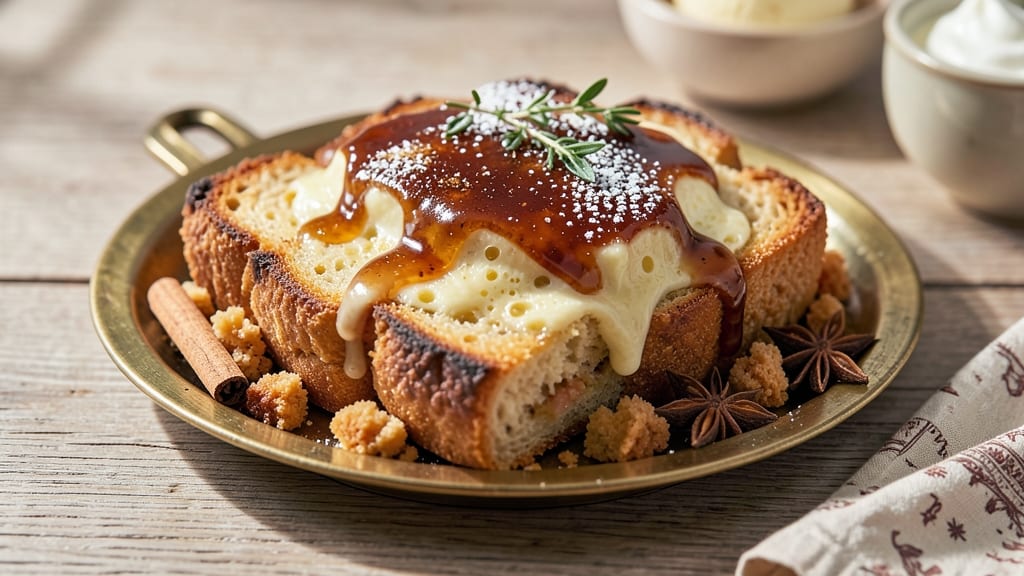
This Antique Bar and Bakery Bread Pudding Recipe transforms humble ingredients into a decadent dessert with bourbon-infused layers and caramelized edges. The secret lies in soaking thick slices of brioche or challah in a custardy mixture spiked with bourbon, then baking until golden and custardy.
I developed this recipe after years of perfecting the balance between rich, buttery bread and the deep, smoky notes of bourbon—it’s the kind of dessert that tastes like a slice of nostalgia.
The magic happens in the custard, where warm spices like cinnamon and nutmeg complement the bourbon, creating a flavor profile that’s both comforting and sophisticated.
Unlike quick bread puddings, this version requires patience—soaking the bread for at least an hour ensures every bite is moist and flavorful, while the caramelized sugar topping adds a crisp contrast. It’s a dessert that feels indulgent yet approachable, perfect for weekend brunches or cozy nights in.
What you’ll end up with is a golden, custardy masterpiece with layers of buttery bread and bourbon-kissed custard, crowned with a caramelized sugar crust that cracks beautifully. The aroma alone—warm spices mingling with bourbon—will have everyone gathering around the table.
This isn’t just dessert; it’s an experience, one that tastes like stepping into an antique bar’s back room, where every bite feels like a secret.
Serve it warm with a dollop of whipped cream or a drizzle of bourbon-infused syrup for extra decadence. The recipe is flexible enough to adapt to dietary preferences—just swap the butter for coconut oil and use almond milk for a vegan version without sacrificing flavor. Let’s get baking!
Ingredients for antique bar and bakery bread pudding
Sixteen ingredients transform into a nostalgic dessert with bourbon-kissed custard and caramelized edges.
| Ingredient | Amount | Notes |
|---|---|---|
| Brioche or Challah Bread 🍞 | 1 ½ lb | Day-old, crust removed, sliced thick |
| Large Eggs 🥚 | 6 whole | Room temperature, beaten |
| Whole Milk 🥛 | 2 cups | Warm slightly for custard |
| Unsalted Butter 🧈 | ¾ cup | Cold, cubed for custard |
| Granulated Sugar 🍚 | 1 ½ cups | Plus extra for caramel |
| Bourbon 🥃 | ½ cup | Good quality, 80 proof |
| Vanilla Extract 🌿 | 1 tbsp | Pure, not imitation |
| Ground Cinnamon 🌶️ | 2 tsp | Freshly ground preferred |
| Ground Nutmeg 🌶️ | ½ tsp | Freshly grated |
| Salt 🧂 | ½ tsp | Fine sea salt |
| All-Purpose Flour 🌾 | ¼ cup | For thickening custard |
| Brown Sugar 🍚 | ½ cup | Packed, for caramel |
| Heavy Whipping Cream 🥛 | ½ cup | Optional, for topping |
The bread is the foundation—brioche or challah gives that buttery richness you can't get with regular loaves. Day-old bread soaks up custard perfectly without falling apart, and the crust removal keeps it elegant. For the best flavor, grab freshly baked bread from a bakery the day before or use what you have. If you can't find brioche, challah or even sourdough works, but the texture will differ slightly. The bourbon? Buffalo Trace or Maker's Mark elevate the flavor, but any good-quality bourbon will do—just avoid the cheap stuff.
No bourbon? Brandy or even apple cider adds depth, though the smoky notes will differ. The custard can be thickened with cornstarch instead of flour if you're avoiding gluten. For a richer texture, add a splash of cream cheese to the custard mixture. The caramel topping is non-negotiable—it's what gives this dessert its signature crackly crust. If you're short on brown sugar, white sugar plus a pinch of molasses works in a pinch. And if you want to go vegan, coconut oil and almond milk replace butter and dairy without sacrificing texture.
Prep ahead whenever possible—the custard can be made a day in advance, and the bread soaked up to 4 hours before baking. The caramel topping sets quickly, so have a pastry brush ready to spread it evenly. Store leftovers in an airtight container for 3 days in the fridge, though it reheats beautifully. For serving, a drizzle of bourbon-infused syrup or whipped cream takes it to the next level. The aroma alone will draw everyone to the table—trust me, it's worth the wait.
Why You'll Love This Recipe
- No-Cube Hassle: I just tear the brioche into chunks—no need for perfect cubes or measuring. The eggy custard soaks right in, and those buttery brioche shards? They melt into pure comfort.
- Caramelized Edge Magic: That crispy sugar crust on top? It’s the star. The butter and milk create this creamy, custardy center while the sugar turns golden and crunchy—like a hug from a bakery case.
- Weeknight to Weekend: Make it for a lazy Sunday breakfast or bring it to a potluck—it’s always a hit. The brioche or challah makes it feel special, but the whole milk and eggs keep it simple enough for a weeknight dessert.
- Leftovers? Better Than Ever: This thing actually improves the second day. The custard thickens just right, and the brioche stays tender. I’ve reheated slices in the oven for breakfast, and no one’s ever complained.
Step-by-step instructions for bourbon-infused caramelized bread pudding
This method delivers a rich, custardy center with crispy caramelized edges—every layer perfected.
Prepare the Bread and Caramel Sauce
Preheat your oven to 350°F and grease a 9x13-inch baking dish generously with 2 tablespoons of the unsalted butter, reserving the rest for the custard. Cut the 1.5 lb brioche or challah bread into 1-inch thick slices and arrange them in the prepared dish, overlapping slightly. This creates a sturdy base that won't fall apart during baking.
In a small saucepan, combine the 0.5 cup brown sugar and 2 tablespoons water. Cook over medium heat without stirring until it turns a deep amber color, about 5-7 minutes. Immediately pour this caramel evenly over the bread layers. The caramel will bubble and set as it cools—this is normal and ensures a sticky, sweet foundation for the custard.
Whisk the Custard Mixture
In a large bowl, whisk together the 6 whole large eggs until they're fully combined. Gradually add the 2 cups whole milk, whisking constantly to prevent curdling. The mixture should be smooth and pale yellow. In a separate small bowl, combine the 1.5 cups granulated sugar, 2 teaspoons ground cinnamon, 0.5 teaspoon ground nutmeg, and 0.5 teaspoon salt. Sift this dry mixture over the egg-milk mixture and whisk until fully dissolved.
Add the 0.5 cup bourbon and 1 tablespoon vanilla extract, whisking gently to incorporate. The bourbon will add depth of flavor and a subtle warmth that complements the caramel. Fold in the 0.25 cup all-purpose flour using a spatula until just combined—overmixing will make the pudding dense. Cut the remaining 0.75 cup cold unsalted butter into small cubes and fold them into the custard mixture. The cold butter will create pockets of richness as it melts during baking.
Assemble and Bake the Pudding
Pour the custard mixture evenly over the caramelized bread, pressing down gently with a spatula to ensure the bread absorbs the liquid. The custard should fully coat the bread slices, but don't worry if it looks slightly underfilled—the bread will expand as it bakes. Let the pudding rest at room temperature for 15 minutes while the oven preheats. This allows the bread to absorb some of the custard before baking begins.
Bake the bread pudding for 45-50 minutes, until the edges are golden brown and the center is just set (it should still have a slight wobble when gently shaken). The top should be puffed and caramelized, with a crackly crust that gives way to a custardy interior. If the top browns too quickly, tent it loosely with aluminum foil during the last 10 minutes of baking to prevent over-browning.
Finish and Serve
Remove the bread pudding from the oven and let it rest for 10 minutes before serving. This resting period allows the custard to fully set and the flavors to meld. For an optional finishing touch, whip the 0.5 cup heavy whipping cream until soft peaks form and spread it over the top of the pudding. The cream adds a light contrast to the rich, caramelized layers.
Slice the bread pudding into 6 equal portions and serve warm. Each bite should deliver a perfect balance of creamy custard, sweet caramel, and the warm, spiced notes of bourbon and vanilla. The texture should be tender yet sturdy, with a crispy edge that gives way to a soft, custardy center. Serve with a dollop of whipped cream or a sprinkle of fresh cinnamon for extra flair.
Pro Tips For Making Antique Bar And Bakery Bread Pudding
- SOAK THE BREAD FIRST: Cut your brioche or challah into 1-inch cubes before mixing the custard—this lets the bread absorb liquid faster and prevents a gummy center. I used to toss the cubes in dry, then realized soaking them for 5 minutes in warm milk first makes the texture light and even. (Yes, it feels like extra work, but the payoff is worth it.)
- USE ROOM-TEMP EGG MIX: Cold eggs from the fridge won’t blend smoothly into the custard, and you’ll end up with streaks. Crack them into a bowl, cover it with a damp towel, and let them sit for 10 minutes while you prep the rest. Trust me, the difference in creaminess is noticeable—no one wants a bread pudding that looks like it’s fighting for its life.
- WATCH THE BUTTER TEMP: Melt the butter just until it’s liquid, then let it cool slightly before mixing it into the custard. If it’s too hot, it’ll scramble the eggs and turn your pudding into a sad, lumpy mess. I learned this after one disastrous batch where I rushed and ended up with something resembling scrambled eggs in a bread bowl.
- BAKE UNTIL GOLDEN, NOT JUST SET: The pudding will look "done" at 325°F for 40 minutes, but resist pulling it out—keep baking until the top is deep golden brown, almost caramelized. This is where the flavor develops, and that crispy crust is what makes it taste like a bakery’s version. (I know, I know—you’re eager, but push it 5-10 more minutes if needed.)
Common mistakes when making this dish
Skipping the Soak
One of the biggest mistakes is rushing the bread soaking step. If you skip the at least 1-hour soak (or worse, just pour the custard over dry bread), your pudding will turn out dense and dry.
The bread needs time to absorb the custard fully, creating that signature tender texture. I’ve seen home cooks cut this step to save time, but trust me—your dessert will pay the price. 🍞
Overmixing the Custard
Once you add the flour to thicken the custard, resist the urge to overmix. Stir just until combined—overmixing introduces too much air, which can lead to a dense, cake-like texture instead of the silky custard you want.
Think of it like folding in butter: gentle, deliberate strokes are key. I learned this lesson the hard way after making a lumpy batch that resembled more of a bread pudding pancake than a dessert. 🥚
Underestimating the Caramel
Many recipes call for a quick caramel, but don’t underestimate how fast it can go from golden to burnt. Watch that brown sugar and water mixture closely—it only takes 5-7 minutes to reach deep amber. Stirring or moving the pan can cause sugar to crystallize, ruining the smooth texture.
If your caramel turns dark too quickly, reduce the heat slightly or remove the pan from the stove for a moment. A burnt caramel will make your entire dessert taste bitter. 🔥
Baking Too Long
Patience is key here—bread pudding should have a slight wobble in the center when done. Overbaking dries it out, turning it into a sad, rubbery mess. The edges should be golden and crisp, but the middle should still feel soft and custardy.
If yours starts browning too fast, tent it with foil for the last 10 minutes of baking. I’ve ruined more than one batch by walking away from the oven and letting it overcook while I answered the door. 🕒
Ignoring the Resting Time
After baking, never skip the 10-minute rest before serving. This gives the custard time to set properly and prevents it from collapsing when sliced. I’ve seen cooks eager to serve immediately, only to watch their beautifully baked pudding turn into a gooey disaster.
Let it rest, and you’ll be rewarded with clean slices that hold their shape. 💫
Using Cold Ingredients
Room-temperature eggs and milk are non-negotiable for a smooth custard. Cold ingredients can cause the mixture to curdle or separate, leading to a grainy texture. Take 5 minutes to let your eggs and milk sit at room temperature before mixing.
I keep a bowl of warm water nearby to speed this up—it’s a small step that makes a huge difference. 🥛
Nutrition facts
Frequently asked questions
Can I use day-old bread instead of fresh?
Day-old bread is actually ideal because it's drier and soaks up the custard perfectly without becoming mushy. The crust should be removed to keep the texture clean and elegant. If you must use fresh bread, let it sit uncovered for 1-2 hours to dry out slightly first.
What if I don't have bourbon?
No problem! Substitute with ½ cup brandy or ¼ cup apple cider for a similar depth of flavor. For a non-alcoholic version, use ½ cup extra milk or vanilla bean paste to enhance the spiced notes. The key is maintaining the same volume of liquid in the custard mixture.
How can I make this vegan?
Swap the butter for coconut oil, use almond milk instead of dairy milk, and replace eggs with ½ cup flax eggs (2 tbsp ground flaxseed + 6 tbsp water per egg). The custard will be slightly lighter but still delicious. For the caramel, use coconut sugar instead of brown sugar.
Can I make this ahead of time?
Yes! Assemble the bread pudding up to 24 hours ahead and refrigerate it uncovered. When ready to bake, let it sit at room temperature for 30 minutes before baking (add 5-10 minutes to baking time). The flavors develop beautifully overnight, and the texture remains perfect.
Why did my bread pudding turn out dense?
This usually happens from either skipping the soak time or overmixing the custard. The bread needs at least 1 hour to absorb the custard, and the mixture should only be stirred until just combined. For a lighter texture, try adding 1 tbsp cornstarch to the flour for thickening.