
Side Dishes
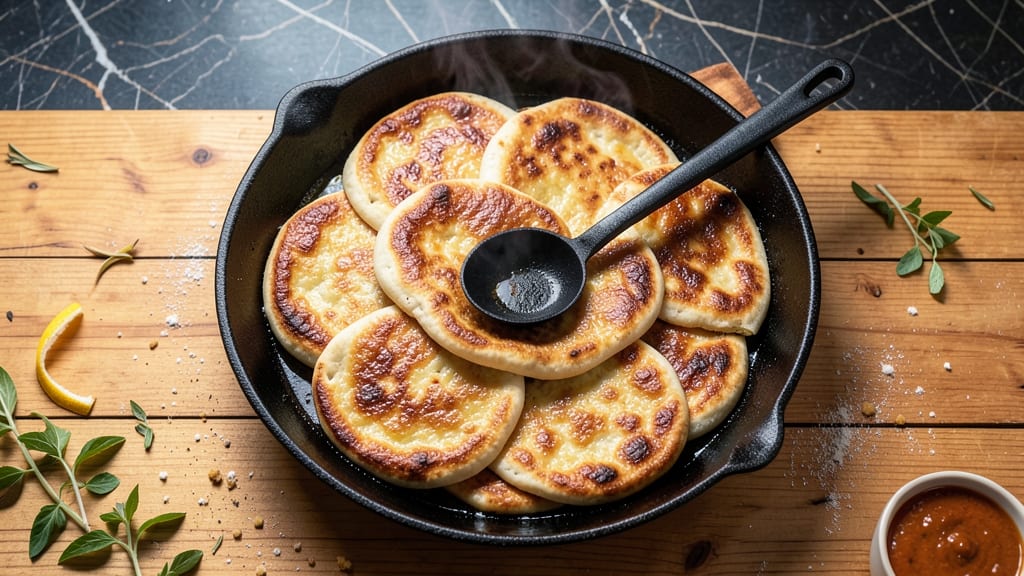
This Apache fry bread recipe brings the rich traditions of Navajo cuisine to your kitchen with its perfectly crispy exterior and tender interior. Rooted in history as a staple of the Navajo people, this dish was originally created as a practical way to use limited ingredients during times of scarcity.
The result is a golden, pillowy bread that's as culturally meaningful as it is delicious.
What makes this recipe special is the balance between simplicity and technique—just flour, baking powder, salt, water, and oil come together to create something extraordinary. The key to achieving that signature crispy texture lies in the frying temperature and timing, which I'll walk you through step by step.
Whether you're making it for a special occasion or a weeknight treat, this dish delivers restaurant-quality results at home.
The beauty of Apache fry bread lies in its versatility. Serve it warm with honey, powdered sugar, or jam for a sweet finish, or pair it with savory toppings like refried beans and cheese for a hearty meal.
The dough is forgiving, and the cooking process is straightforward, making it perfect for beginners and experienced cooks alike.
With just a few simple ingredients and a little patience, you'll have a dish that honors Navajo heritage while satisfying your cravings. Let's get started on creating this crispy, golden delight that's as much about tradition as it is about taste.
Ingredients for apache fry bread
Five simple ingredients transform into golden, crispy Apache fry bread with Navajo tradition.
| Ingredient | Amount | Notes |
|---|---|---|
| All-Purpose Flour 🌾 | 2 cups | Sifted for even texture |
| Baking Powder 🍞 | 1 ½ tsp | Aluminum-free preferred |
| Salt 🧂 | ½ tsp | Fine sea salt preferred |
| Vegetable Oil 🫒 | ½ cup | High smoke point preferred |
| Water 💧 | ¾ cup | Room temperature preferred |
The flour is the foundation—King Arthur or Bob's Red Mill work beautifully for that tender crumb. Baking powder is non-negotiable here; aluminum-free brands like Bob's Red Mill give the best rise. Salt matters too—fine sea salt dissolves better than kosher. For oil, vegetable or canola (high smoke point) is ideal—skip olive oil, it burns too easily. The water should be room temp (cold water makes the dough tough). I always double-check my baking powder by testing it in vinegar—if it fizzes, it's fresh.
No baking powder? Self-rising flour plus 1/4 tsp baking soda works in a pinch, but the texture won't be identical. Short on oil? Lard or butter (melted) gives a richer flavor, though it's not traditional. The dough should be soft but not sticky—add water 1 tbsp at a time if needed. For extra crispiness, chill the dough 30 minutes before frying. And trust me, hot oil is everything—aim for 350°F and keep it there with a thermometer.
Dough keeps 2 days in the fridge, wrapped tightly. For longer storage, freeze portions on a tray first, then transfer to a bag—3 months works perfectly. Reheat from frozen by frying directly (no thawing needed). The bread is best warm, so I keep a batch ready in the oven at 200°F, wrapped in foil. Pro tip: powdered sugar or honey on fresh bread? Absolute game-changer.
Why You'll Love This Recipe
- Pantry Staples Only: I swear by this recipe because it uses exactly what’s already in my cupboard—flour, baking powder, salt, and oil. No specialty ingredients, no last-minute grocery runs. The dough comes together in seconds with just water and a pinch of salt, and the bubbles from the baking powder make it light as air.
- Crispy-Creamy Magic: That first bite? Pure satisfaction. The outside gets golden and shatteringly crisp in hot oil, while the inside stays soft and pillowy—like a hug from your abuela’s kitchen. Honestly, it’s the kind of texture that makes you close your eyes and sigh.
- Breakfast to Dessert: Serve it warm with honey and butter for breakfast, stuff it with scrambled eggs and cheese for brunch, or even drizzle it with cinnamon sugar for a quick treat. My kids beg for it at dinner (yes, even on a Tuesday night) when I toss it with chili or fry it up for tacos.
- Leftovers? Never Wasted: The dough keeps for days in the fridge, and fried bread reheats beautifully—crispy again in the oven or toaster. I’ve turned stale pieces into croutons, breadcrumbs, or even a quick bread pudding. Between us, this recipe is my secret weapon for avoiding food waste.
Step-by-step instructions for Navajo-style fry bread
Here's how to make that perfect golden-brown fry bread with a crispy exterior and soft center—just like from the Navajo Nation.
Mix the Dry Ingredients
In a large mixing bowl, combine the 2 cups all-purpose flour and 1.5 teaspoons baking powder. I like to sift the flour first for a lighter texture—this prevents lumps and ensures an even rise. Add the 0.5 teaspoon salt and whisk everything together until fully blended. This dry mixture is the foundation of our bread, so take your time to get it smooth.
Real talk: Don't skip sifting if you can help it. Those little lumps can make your fry bread dense instead of light and airy. If you don't have a sifter, just whisk vigorously for about 30 seconds to break up any clumps in the flour.
Create the Dough
Make a well in the center of your dry ingredients and pour in the 0.5 cup vegetable oil. Use your fingers to work the oil into the flour mixture until it forms a coarse crumb texture. Then, gradually add the 0.75 cup room temperature water while stirring with a wooden spoon or your hands.
Here's the thing—you want the dough to come together but still be slightly crumbly. It should hold its shape when pressed gently but not be sticky. If it's too dry, add a teaspoon more water. If it's too sticky, sprinkle in a little more flour. The dough should be soft but not wet, like a thick cookie dough.
Shape the Fry Bread
Turn the dough out onto a lightly floured surface and knead it gently for about 1 minute until it comes together into a smooth ball. Divide the dough into 4 equal portions—about 1/4 cup each—and roll each portion into a ball. This is where the magic happens: flatten each ball into a 6-inch circle about 1/4-inch thick. Keep the rest of the dough covered with a clean kitchen towel to prevent drying.
I press down gently and rotate the dough as I flatten it to ensure even thickness. If you press too hard, you'll get a tough bread. If you don't press enough, it won't cook evenly. Aim for that perfect balance—like a well-worn path through the desert.
Fry to Golden Perfection
Heat 2 tablespoons vegetable oil in a large skillet over medium-high heat until it shimmers but doesn't smoke. Add one dough circle and fry for 1-2 minutes per side until golden brown and crispy. You'll know it's ready when you see bubbles forming on the surface and the edges start to turn golden.
Don't walk away. Fry bread burns fast! Use a pair of tongs to flip it carefully—press down gently on the bread with the tongs for a few seconds to help it release from the pan. Transfer the cooked bread to a paper towel-lined plate to drain excess oil. Repeat with the remaining dough circles, adding more oil as needed to maintain the pan's temperature.
Serve Warm and Enjoy
Serve the fry bread immediately while it's still warm and crispy. The outside should be golden brown and slightly crispy, while the inside should be soft and tender. This is where you can get creative—top with honey, jam, powdered sugar, or even savory fillings like refried beans and cheese.
Here's a pro tip: If you make extra fry bread, store it in an airtight container at room temperature for up to 3 days. You can also freeze it for up to 1 month. Just reheat in a skillet or oven until crispy again. Enjoy your taste of Navajo tradition!
Pro Tips For Making Apache Fry Bread
- Use Cold Water (Not Warm): I learned this the hard way—mixing the dough with warm water makes it gummy and hard to handle. Stick to cold water (about 65°F or cooler) to keep the dough tight and easy to shape, even when you’re working fast.
- Fry in Small Batches: Crowding the pan turns your fry bread into a soggy mess. Keep the oil hot (350–375°F) and fry no more than 2–3 pieces at a time. Overloading drops the temperature, and you’ll end up with greasy, unevenly cooked bread.
- Press Dough Gently, Not Hard: Apache fry bread should puff, not flatten. Press the dough balls lightly with your fingers—just enough to create a slight dimple in the center. Overworking it makes them dense, and they won’t rise like they should.
- Add a Pinch of Sugar (Optional): This isn’t a rule, but a little sugar (½ teaspoon per batch) balances the salt and adds a subtle sweetness that pairs well with honey or jam. Skip it if you prefer a neutral flavor, but I’ve never regretted adding it.
Regional styles of these flavors
Navajo Nation Tradition
The Apache fry bread we know today has deep roots in Navajo history, originally created during the Long Walk of the Navajo in 1864 when government rations were scarce. The U.S. provided limited ingredients—flour, lard, and salt—leading to this simple yet nourishing bread.
It became a symbol of resilience and cultural pride, often served at gatherings like the Navajo Nation Fair and Thanksgiving ceremonies. 🗺️
Modern versions keep the tradition alive while adapting to contemporary tastes. Many families still prepare it for special occasions, passing down techniques through generations. The dough's simplicity mirrors the resourcefulness of Navajo ancestors, making it more than just food—it's a living piece of history.
Southwestern Variations
In Arizona and New Mexico, fry bread often gets a savory twist with toppings like refried beans, melted cheese, and sour cream—a nod to the region's Mexican influences.
This version is called "Navajo tacos" and is a staple at Santa Fe's annual Indian Market. I love adding diced jalapeños for a little heat. 🌶️
For a sweet Southwestern take, try brushing warm bread with honey or maple syrup and sprinkling with crushed pecans. This version is popular in Texas, where it’s served at chuckwagon cook-offs. The contrast of sweet and nutty flavors makes it a crowd-pleaser.
Modern Adaptations
Today’s cooks are reimagining fry bread with global flair. A vegan version swaps lard for vegetable oil and uses aquafaba (chickpea brine) for extra crispiness. I’ve seen matcha-infused doughs and even sourdough-style fry breads fermented overnight for tangy depth.
These adaptations keep the spirit of the dish alive while appealing to contemporary palates.
Another trend is stuffed fry bread, where the dough wraps sausage, cheese, or even fruit before frying. This makes it a breakfast or dessert option—think bacon and maple syrup or strawberry jam and cream cheese.
The possibilities are endless, and the tradition remains at the heart of every bite.
Tribal Celebrations
At Powwows across the Southwest, fry bread is often served as a garnishment for chili or as a standalone snack with honey. The Navajo Nation Fair in Window Rock, Arizona, features fry bread contests where judges look for the golden-brown, puffy perfection we all crave.
It’s a dish that brings communities together, celebrating both heritage and creativity. 💛
For a festive touch, serve fry bread with berry compote or warm cinnamon sugar. The contrast of warm, crispy bread with sweet or savory toppings makes it a showstopper at any gathering.
Whether you’re honoring tradition or experimenting with new flavors, fry bread is a versatile canvas for cultural expression.
Nutrition facts
Frequently asked questions
Why does traditional Apache fry bread use lard instead of vegetable oil?
The original recipe called for lard because it was one of the limited fats provided during the Long Walk of the Navajo. Today, vegetable oil works perfectly fine and is more common, but lard gives a richer flavor. For a vegan version, use vegetable oil or coconut oil for a similar texture.
Can I make Apache fry bread without a skillet?
Yes! If you don't have a skillet, use a cast-iron pan or even a heavy oven-safe skillet for the stovetop. For oven-baked versions, brush the dough with oil and bake at 400°F for 8-10 minutes on a parchment-lined tray. The texture won't be quite as crispy, but it's a great alternative when frying isn't possible.
How do I fix dough that's too sticky or too dry?
If your dough is too sticky, add flour 1 tablespoon at a time until it holds its shape. For dry dough, mix in water 1 teaspoon at a time. The ideal consistency should be soft but not wet—like a thick cookie dough. Overmixing can make it tough, so handle it gently.
What's the best way to reheat leftover fry bread?
For crispy results, reheat in a dry skillet over medium heat for 30-60 seconds per side until golden. You can also warm in a 350°F oven for 5-7 minutes wrapped in foil. Avoid microwaving—it makes the bread soggy. Freshly reheated fry bread is just as delicious as the original!
Is Apache fry bread gluten-free?
Traditional recipes aren't gluten-free, but you can adapt it! Use a 1:1 gluten-free flour blend and add 1 extra tablespoon of oil to help bind the dough. Xanthan gum (if included in your blend) improves texture. Keep in mind the texture will differ slightly from the original, but it's still delicious with sweet or savory toppings.