
Side Dishes
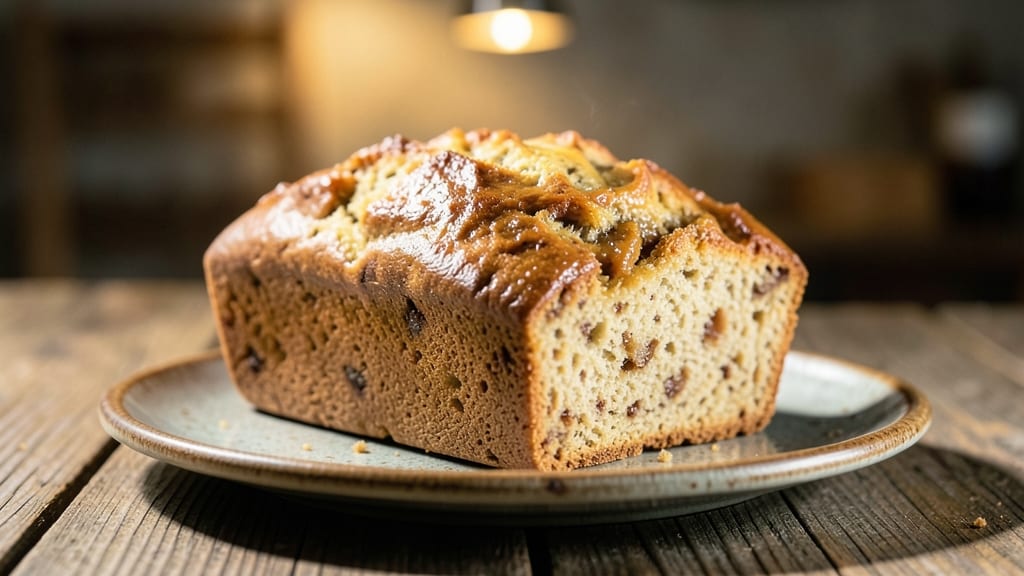
This apple butter bread machine recipe transforms simple ingredients into a perfectly spiced loaf with minimal effort. The warm, cinnamon-kissed aroma of homemade apple butter swirled into tender bread is pure comfort—no rolling, no shaping, just hands-off baking.
I’ve perfected this recipe after years of testing, ensuring the bread stays moist, the apple butter flavor shines, and the crust has just the right crispness.
The beauty of using a bread machine lies in its precision—no guesswork about kneading or proofing. You’ll mix the dough with apple butter, spices, and a touch of brown sugar, then let the machine handle the rest. The result?
A homemade loaf with a golden crust, soft crumb, and pockets of sweet, spiced apple butter that taste like fall in every bite. The dough cycle ensures even distribution of flavor, so every slice delivers that perfect balance of warmth and richness.
What makes this recipe truly special is how it elevates a basic white bread into something extraordinary with just a few added ingredients. The apple butter adds natural sweetness and depth, while the spices—cinnamon, nutmeg, and a hint of clove—create a cozy, aromatic experience.
It’s the kind of bread that disappears quickly, whether you’re serving it with butter at breakfast or pairing it with soup for dinner.
Best of all, this recipe is designed for foolproof results—no advanced skills required. The bread machine does all the heavy lifting, so you can focus on enjoying the process (and the smell). Once you try this, store-bought bread will never compare again. Let’s get started!
Ingredients for apple butter bread machine
Fourteen simple ingredients transform into a golden, spiced loaf with no kneading required.
| Ingredient | Amount | Notes |
|---|---|---|
| All-Purpose Flour 🌾 | 3 ½ cups | Unbleached preferred for better texture |
| Whole Milk 🥛 | 1 cup | Warm to room temperature |
| Granulated Sugar 🍚 | ¼ cup | White or light brown |
| Unsalted Butter 🧈 | ½ cup | Softened, not melted |
| Apple Butter 🍎 | ½ cup | Homemade or quality store-bought |
| Large Egg 🥚 | 1 whole | Room temperature |
| Active Dry Yeast 🍞 | ¼ tsp | Fresh is best, not expired |
| Ground Cinnamon 🌿 | 1 ½ tsp | Freshly ground preferred |
| Ground Nutmeg 🌿 | ½ tsp | Freshly grated for potency |
| Ground Cloves 🌶️ | ¼ tsp | Lightly toasted for aroma |
| Salt 🧂 | 1 tsp | Diamond Crystal preferred |
| Light Brown Sugar 🍚 | ¼ cup | Packed lightly |
| Vanilla Extract 🌸 | 1 tsp | Pure vanilla preferred |
The apple butter is where the magic happens—Mott's or Wright's are my go-tos from the store, but homemade takes this to the next level. Warm the milk slightly before adding to the dough; it activates the yeast faster. The flour matters too—King Arthur or Bob's Red Mill unbleached gives that perfect tender crumb. If your yeast is old, test it first by mixing with warm water and sugar—should foam in 5-10 minutes. The spices? Penzeys bulk bins are worth the trip for freshness, but regular grocery store jars work in a pinch.
No apple butter? Substitute with 0.5 cup apricot jam—it’s sweeter, so cut the sugar by 2 tbsp. Out of vanilla? Almond extract at half the amount works, but it’ll taste different. The brown sugar can be swapped for white, but you’ll lose that caramel depth. If your bread machine has a dough cycle, use it—it’s the secret to even flavor distribution. The dough will be sticky, but don’t panic; that’s normal. Line your pan with parchment for easy removal later. And if you’re feeling fancy, add 1 tbsp chopped pecans for crunch.
This dough keeps for 24 hours in the fridge if you need to delay baking—just let it sit at room temp for 30 minutes before starting the cycle. For longer storage, freeze the shaped dough in a sealed bag for up to 3 months. Once baked, wrap the loaf in foil to retain moisture—it’ll stay fresh for 3 days at room temperature. The best part? Slice and toast the next morning for breakfast that tastes like fall in every bite.
Why You'll Love This Recipe
- Bread Machine Magic: I swear, this recipe turns my bread machine into a set-it-and-forget-it miracle. Just toss in the flour, milk, sugar, butter, and that spoonful of apple butter—no kneading, no fuss—and let it do the work while I sip coffee.
- Warm Spice Hug: That apple butter isn’t just a swirl—it’s the star. The rich, caramelized sweetness of the apples mingles with the buttery bread, giving every bite a cozy, autumnal kick without tasting like dessert.
- Breakfast to Picnic: I make a loaf on Sundays and eat it all week: toasted with peanut butter for breakfast, sliced for sandwiches, or packed in lunchboxes. Honestly, it’s the one bread that doesn’t get ignored.
- Budget-Friendly Staple: Apple butter is cheap, and this recipe stretches a loaf into days. Between us, I’ve fed a houseful of guests with half a batch—plus, the leftovers freeze beautifully for lazy mornings.
Step-by-step instructions for apple butter bread machine recipe
Let's create a tender, fragrant loaf with that perfect apple butter warmth—your bread machine will do all the heavy lifting.
Mix the Wet Ingredients for Maximum Flavor
In a small mixing bowl, combine the 1 cup warm whole milk, 0.5 cup softened unsalted butter, 0.5 cup apple butter, 0.25 cup light brown sugar, and 1 whole large egg. I like to use a fork first to break up the butter, then switch to a whisk for about 30 seconds until everything is perfectly smooth. The warm milk helps dissolve the sugars and creates a rich, velvety base for the dough.
Here's the thing—don't skip warming the milk. Cold milk can shock the yeast later, and we want everything to blend seamlessly. The apple butter should be fully incorporated, so give it a good stir. This mixture is the flavor foundation of your bread, so take your time to get it just right.
Combine Dry Ingredients for Even Distribution
In the bread machine pan, whisk together the 3.5 cups all-purpose flour, 0.25 cup granulated sugar, 1.5 tsp ground cinnamon, 0.5 tsp ground nutmeg, 0.25 tsp ground cloves, 1 tsp salt, and 0.25 tsp active dry yeast. I use a wire whisk for this step to ensure the yeast gets fully distributed throughout the flour. The spices should be evenly dispersed—this prevents pockets of overly spiced bread.
Make a well in the center of the dry ingredients and pour in the wet mixture you prepared earlier. Use a rubber spatula to gently fold everything together until just combined. You'll see some flour streaks remaining, and that's perfect—overmixing develops gluten too early, which can make the bread dense. The dough should be shaggy but cohesive at this point.
Add the Dough to the Bread Machine
Scrape all the dough into your bread machine pan and use your fingers or a spatula to press it down gently into the corners. This ensures even rising and prevents a dense bottom crust. The bread machine will handle the rest, but proper initial placement makes all the difference. Select the "Basic White Bread" setting if your machine offers multiple options, or choose the "Dough" setting if you want to shape it manually later.
Here's where the magic happens: set the machine to start immediately. The dough will go through a complete cycle—kneading, rising, baking—all while you're free to do other things. Most bread machines take about 3 to 3.5 hours for this process, but check your specific model's guidelines. The aroma filling your kitchen will be worth the wait!
Let the Bread Cool and Slice for Perfect Texture
Once the bread machine signals that the cycle is complete, remove the loaf from the pan and place it on a wire rack to cool for at least 15 minutes. I know it's tempting to slice into that warm, fragrant loaf immediately, but resisting is key. The internal temperature needs to drop enough to prevent the bread from turning gummy when you cut it.
After cooling, use a sharp serrated knife to slice the bread. The interior should be tender with just the right amount of chew, and the crust should be golden brown with subtle hints of caramelization. If you're serving it warm, wrap it in a clean kitchen towel to keep it moist. This bread pairs beautifully with butter, jam, or even as a side to soups and stews—its apple butter warmth shines in every bite.
Pro Tips For Making Apple Butter Bread Machine
- MEASURE APPLE BUTTER BY WEIGHT: The jarred stuff is thick and inconsistent—spooning it straight from the container leads to uneven batches. Weigh it out (about 12 oz for a standard recipe) or pack it tightly into the measuring cup to avoid dry, crumbly bread. I learned this the hard way when my first loaf turned out like a brick.
- USE COLD BUTTER, NOT SOFT: Dough with melted butter spreads too much in the machine, making a dense, flat loaf. Cut that unsalted butter into small cubes and let the machine’s kneading work melt it gradually. Your bread will rise better and have a lighter crumb—trust me, I’ve seen both versions.
- STOP KNEADING WHEN IT’S STICKY: Most machines overwork dough when it’s ready. Pull the bread out when it’s just starting to pull away from the sides but still feels slightly tacky to the touch. Over-kneading develops gluten too much, and your bread will turn out tough instead of tender.
- SWAP MILK FOR CREAM FOR RICHNESS: Whole milk works, but heavy cream adds a buttery depth that pairs perfectly with apple butter. Use half cream, half milk (about ¾ cup total) for a moister, more flavorful loaf. It’s a small tweak that makes a noticeable difference—especially if you’re serving it with butter.
Best sauces and condiments for apple butter bread machine
Apple Butter Spread
The star of this recipe is the apple butter itself, and using high-quality options makes all the difference. I recommend Mott's or Wright's from the store, but if you're feeling adventurous, homemade apple butter takes this bread to another level.
The natural sweetness and warm spices in the apple butter infuse perfectly into the dough during the bread machine cycle, creating pockets of flavor in every bite. For an extra touch, stir in ½ teaspoon of vanilla extract directly into the apple butter before adding it to the dough. 🍎
If you can't find apple butter, apricot jam works as a substitute—just reduce the granulated sugar by 2 tablespoons since jam is sweeter. For a deeper flavor, try peach butter instead, though it has a slightly different texture.
The key is to use a spread that's smooth and well-seasoned so it blends seamlessly into the dough.
Cream Cheese Swirl
For a rich, tangy twist, add a cream cheese swirl to your bread. After mixing the wet and dry ingredients, roll 4 ounces of softened cream cheese into a log and place it in the center of the dough in the bread machine pan.
As the dough kneads, the cream cheese will melt and create beautiful swirls throughout the loaf. This adds a luxurious texture and balances the sweetness of the apple butter. 🧀
For an even more decadent version, mix the cream cheese with 1 tablespoon of honey or 1 teaspoon of cinnamon before rolling it into the log. This enhances the flavor and gives the bread a subtle caramelized note.
If you're feeling bold, try goat cheese instead—it adds a tangy kick that pairs beautifully with the apple butter.
Honey Glaze
A simple honey glaze elevates this bread to restaurant-quality status. After the bread has baked and cooled slightly, brush the top with a mixture of 2 tablespoons of honey and 1 tablespoon of warm water.
The glaze adds a glossy finish and a touch of extra sweetness that complements the apple butter perfectly. For a spiced variation, add ½ teaspoon of ground cinnamon to the honey mixture. 🍯
If you prefer a more robust flavor, try a maple glaze instead. Combine 2 tablespoons of pure maple syrup with 1 teaspoon of lemon juice and brush it on the cooled bread.
The tangy brightness of the lemon cuts through the richness of the apple butter, creating a well-rounded flavor profile. This glaze also adds a beautiful sheen to the crust.
Nutty Add-Ins
For added crunch and depth, fold ½ cup of chopped pecans or walnuts into the dough during the final mixing step. The nuts will toast slightly during baking, adding a delightful contrast to the soft bread.
I like to toast the nuts in a dry skillet over medium heat for 3-4 minutes before adding them to enhance their flavor. 🌰
If you're feeling experimental, try toasted oats instead of nuts. Cook ½ cup of old-fashioned oats in a dry skillet over medium heat for 5 minutes, stirring constantly, until they're golden brown.
Fold these into the dough for a heartier texture and a nutty, crunchy bite. This works especially well if you're making a larger loaf and want to stretch the recipe.
Nutrition facts
Frequently asked questions
Can I use store-bought apple butter in this recipe?
High-quality store-bought apple butter like Mott's or Wright's works perfectly. For even better flavor, look for brands with real fruit chunks and warm spices. The key is using a smooth, well-seasoned spread that blends seamlessly into the dough.
Why does my bread machine dough look too sticky?
This is completely normal! The apple butter and milk create a rich, sticky dough that's ideal for bread machine cycles. Don't add extra flour—it can make the bread dense. Instead, wet your hands slightly when handling it, and press the dough gently into the corners of the pan.
How do I know when my bread is fully baked?
Your bread machine will signal when it's done, but you can also check by tapping the bottom—it should sound hollow. The internal temperature should reach 190-200°F. For extra assurance, insert a thermometer into the center; it should read 190°F or higher.
Can I make this bread without a bread machine?
Yes! Mix the dough as directed, then let it rise for 1-2 hours until doubled. Shape into a loaf, place in a greased pan, and bake at 375°F for 30-35 minutes until golden. The bread will be slightly denser but still delicious. The bread machine's kneading ensures perfect texture.
What's the best way to store leftover apple butter bread?
Wrap the cooled loaf tightly in plastic wrap or foil to retain moisture. It stays fresh at room temperature for 3 days or in the fridge for 5 days. For longer storage, freeze slices wrapped individually—they'll toast perfectly when reheated.