
Side Dishes
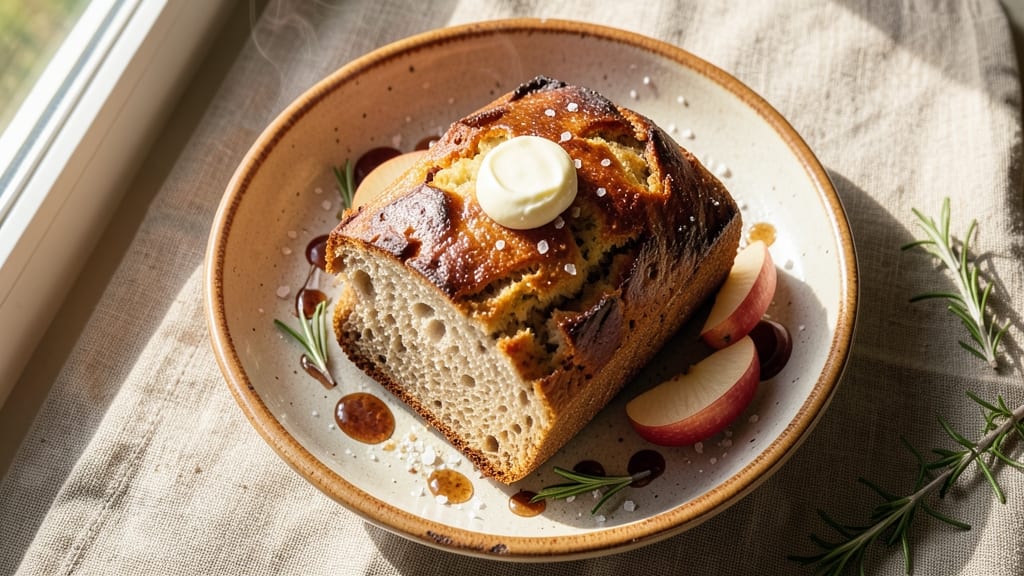
This apple cider yeast bread recipe transforms simple pantry staples into a warm, spiced loaf with an apple-infused crumb that smells like autumn. The secret lies in using apple cider instead of water—its natural sweetness and acidity create a tender, flavorful dough that develops a crisp crust during baking.
I've perfected this recipe over years of testing, balancing traditional yeast fermentation with modern shortcuts for home bakers.
The dough begins with active dry yeast activated in warm apple cider, which infuses the bread with subtle apple notes while keeping the texture light and airy.
A touch of cinnamon and nutmeg enhances the seasonal flavors without overpowering, while a simple scoring technique before baking ensures an even rise and that coveted bakery-style crust. This method delivers restaurant-quality results with minimal effort—ideal for weekend baking or holiday gatherings.
What you'll achieve is a loaf with a golden, crackly crust and a soft, slightly sticky interior that's infused with apple aroma. The bread stays fresh for days, making it perfect for sandwiches, toast, or serving alongside soups.
Whether you're a seasoned baker or new to yeast breads, this recipe builds confidence with clear steps and foolproof techniques.
For extra flavor, brush the warm loaf with melted butter or a light cider glaze before serving. The aroma alone will draw everyone to the table—proof that homemade bread can be both satisfying and impressive. Let's get started on creating your signature apple cider loaf.
Ingredients for apple cider yeast bread
Simple pantry staples meet seasonal flavors in this apple cider yeast bread recipe.
| Ingredient | Amount | Notes |
|---|---|---|
| Active Dry Yeast 🍞 | 2 ¼ tsp | One packet or 7g |
| Unbleached All-Purpose Flour 🌾 | 4 cups | Spooning and leveling method |
| Granulated Sugar 🍚 | ¼ cup | Light brown sugar works too |
| Unsalted Butter 🧈 | ½ cup | Cold, cubed for dough |
| Apple Cider 🍎 | ¾ cup | Warm, not hot |
| Large Egg 🥚 | 1 whole | Room temperature preferred |
| Ground Cinnamon 🌿 | 1 ½ tsp | Freshly ground preferred |
| Ground Nutmeg 🌿 | ½ tsp | Freshly grated nutmeg |
| Diamond Crystal Kosher Salt 🧂 | 1 ½ tsp | Adjust to taste |
| Cornmeal 🌽 | ¼ cup | For dusting baking sheet |
| Coarse Sugar 🍚 | 1 tbsp | For topping crust |
| Water 💧 | ¼ cup | For yeast activation |
The apple cider is the heart of this loaf—look for organic or locally pressed for the best flavor. Trader Joe's and Whole Foods carry excellent options, but any good-quality cider works. Warm it to about 110°F (just warm to the touch) before activating the yeast. The yeast packet matters too—Fleischmann's is reliable, but check the expiration date. Freshly ground spices like cinnamon and nutmeg elevate the flavor, so if you have a spice grinder, take 30 seconds to freshly grind them. The flour should be unbleached for a lighter crumb—King Arthur is my go-to brand for consistent results.
No apple cider? Substitute with warm apple juice—just reduce the sugar by 1 tablespoon to balance sweetness. Out of cinnamon? Cardamom or pumpkin pie spice works in a pinch, though the flavor will shift slightly. The butter should be cold when mixed into the dough—take it out of the fridge 10 minutes before using to soften slightly but not melt. For a dairy-free version, swap the butter for vegan butter or coconut oil. The egg adds structure, but if you're avoiding it, 1 tablespoon ground flaxseed mixed with 3 tablespoons water works as a binder. The coarse sugar topping isn't just for looks—it adds crunch and caramelizes beautifully during baking.
This dough is best baked the same day, but you can refrigerate it overnight for a more developed flavor—cover tightly with plastic wrap and let it sit at room temperature for 1 hour before baking. The baked loaf stays fresh for 3-4 days at room temperature, wrapped in a clean kitchen towel. For longer storage, freeze slices wrapped in parchment paper—they'll reheat beautifully in a toaster or oven. The aroma alone will have your kitchen smelling like autumn, so plan ahead if you're sensitive to strong scents. Leftovers make incredible toast or French toast the next day.
Why You'll Love This Recipe
- No-Knead Magic: I swear by this recipe because it’s the only yeast bread I’ll make when I’ve got better things to do—like watching a movie. Just toss in the flour, apple cider, and yeast, let it rise overnight, and boom. Warm, pillowy bread with zero effort.
- Cider Kiss: That apple cider isn’t just for flavor—it’s the star. The bread has this subtle sweetness with a hint of warmth, like autumn in a loaf. Honestly, I’ve tried store-bought apple breads, and this one actually tastes like it belongs in a bakery.
- Breakfast to Brunch: This bread isn’t just for toast—it’s my go-to for French toast, grilled cheese, or even a quick sandwich. I’ll be real: my kids beg for it at lunch, and I’ve even used the leftovers for croutons. Versatile? Yes. Lifesaver? Absolutely.
- Budget Bakery Win: You’d be shocked how cheap this is—apple cider and butter stretch far, and the dough’s forgiving. I’ve made this for potlucks, holidays, and lazy Sundays, and it’s always the first to disappear. Plus, the leftovers? They last a week if you’re smart.
Step-by-step instructions for apple cider yeast bread
Follow this method for a perfectly spiced loaf with tender crumb and aromatic crust.
Activate the Yeast with Warm Apple Cider
In a small bowl, combine the 2.25 teaspoons active dry yeast, 0.25 cup granulated sugar, and 0.25 cup warm water (about 110°F). Let sit for 5-10 minutes until frothy—this confirms the yeast is active. If it doesn't bubble, your yeast may be dead.
Next, gently stir in the 0.75 cup warm apple cider (not hot—just warm to the touch). The cider's natural sweetness and acidity will create a flavorful base. Let this mixture sit for another 5 minutes until it becomes bubbly again. This step ensures your bread develops proper flavor and rise.
Mix Dough with Wet and Dry Ingredients
In a large mixing bowl, combine the 4 cups unbleached all-purpose flour, 1.5 teaspoons ground cinnamon, 0.5 teaspoon ground nutmeg, and 1.5 teaspoons diamond crystal kosher salt. Whisk to distribute the spices evenly—this prevents uneven flavor distribution in the final loaf.
Make a well in the center and pour in the yeast mixture along with the 1 whole large egg and 0.5 cup cold unsalted butter (cut into small cubes). Using a wooden spoon or dough whisk, gradually incorporate the wet ingredients into the dry until a shaggy dough forms. Avoid overmixing at this stage—you want to preserve gluten development during kneading.
Knead the Dough Until Elastic
Turn the dough onto a lightly floured surface and knead for 8-10 minutes until smooth and elastic. You'll know it's ready when it springs back slowly when poked and doesn't stick to your fingers. This step develops gluten, which gives your bread structure and chew.
Real talk: If the dough feels too sticky, add flour 1 tablespoon at a time—but don't overdo it. The goal is a firm yet slightly tacky dough that holds its shape when pressed. Once properly kneaded, place the dough in a lightly greased bowl, cover with a damp towel, and let rise in a warm place for 1-1.5 hours or until doubled in size.
Shape and Proof the Dough
Punch down the risen dough to release air, then shape it into a round loaf. Place it seam-side up in a greased 9x5-inch loaf pan and cover again. Let it proof for another 30-45 minutes until it rises about 1 inch above the pan's rim. This final rise ensures proper oven spring and texture.
Here's the thing—don't skip this second proof. It's what gives your bread that perfect rise and airy crumb. If your kitchen is cold, place the pan in a slightly warmed oven (70°F) with the light on to maintain consistent temperature.
Bake to Golden Perfection
Preheat your oven to 375°F. Brush the top of the dough with water, then sprinkle evenly with the 1 tablespoon coarse sugar and a pinch of cinnamon. Bake for 35-40 minutes until the top is deep golden brown and the internal temperature reaches 190°F.
For that signature spiced crust, I like to bake for the full time even if it seems done earlier. The sugar topping caramelizes beautifully, creating a crisp exterior that contrasts with the soft interior. Let the bread cool in the pan for 10 minutes before transferring to a wire rack—this prevents it from collapsing.
Pro Tips For Making Apple Cider Yeast Bread
- Warm the Cider First: Pour your apple cider into a measuring cup, then microwave it for 30 seconds before mixing into the dough. Cold cider shocks the yeast—warming it just slightly (it should be around 100°F) helps it activate faster and makes the bread rise smoother. I learned this the hard way after kneading dough that felt sluggish for an extra 20 minutes.
- Measure Butter Precisely: Use a kitchen scale for the butter—pack it tightly into the measuring cup before scooping. Softened butter gets compressed, and you’ll end up with less fat in the dough than the recipe calls for. My first few batches came out denser until I switched to weighing it; now the crumb stays light and the flavor shines.
- Skip the Over-Kneading: This dough is sticky and forgiving—stop kneading when it pulls cleanly away from the bowl and springs back slowly (about 8–10 minutes by hand). Overworking it develops too much gluten, and the bread turns tough. I used to push until my arms ached, but now I set a timer and walk away.
- Proof at Room Temp: Place the shaped loaf in a greased bowl, cover it loosely with plastic wrap, and let it rise in a warm spot (like the oven with the light on) for 1–1.5 hours. Cold drafts or slow proofing mean a weaker rise—your bread will collapse or bake unevenly. I keep a small bowl of hot water nearby to maintain steady warmth if my kitchen runs chilly.
Regional styles of this apple cider yeast bread
New England Classic
In the heart of New England, this apple cider bread is a staple at fall harvest festivals and Thanksgiving tables. The locals here swear by using unfiltered apple cider—its cloudiness contains natural enzymes that enhance flavor and texture.
I've found that adding 1 teaspoon of molasses to the dough deepens the autumnal notes, a trick I picked up from bakeries in Vermont. Serve warm with maple butter for the ultimate regional pairing. 🍁
Upstate New York Twist
Upstate New York takes this bread to hearty territory by incorporating chopped dried apples directly into the dough. Use 1 cup of diced McIntosh apples (tossed in 1 teaspoon cinnamon and 1 teaspoon sugar) mixed into the flour before kneading.
This version has a moist, fruity crumb that's perfect for apple butter sandwiches. The Upstate bakeries often bake this in cast iron pans for an extra crisp crust. 🍎
Pacific Northwest Adaptation
On the West Coast, bakers blend apple cider with local pear cider (like Washington State's Hard Cider) for a subtly sweeter loaf. Swap half the apple cider for pear cider and add ½ teaspoon of cardamom for a Nordic-inspired twist.
The Pacific Northwest also favors whole wheat flour (replace 1 cup of all-purpose flour with whole wheat) for a nuttier, denser bread. Pair it with local honey for dipping. 🌲
Southern Comfort Version
Southern kitchens elevate this bread with sweet potato puree—mix ½ cup of mashed sweet potato into the dough for a moist, slightly sweet crumb. Add ½ teaspoon of smoked paprika for depth, and top with crushed pecans before baking.
This version is a crowd-pleaser at Southern brunch tables, especially when served with peach jam. The sweet potato keeps the bread fresh longer too. 🍯
European Herbal Touch
For a European-inspired variation, swap the nutmeg for fresh rosemary (finely chopped) and add 1 teaspoon of orange zest to the dough. The citrus brightens the apple flavor beautifully. In Germany, bakers often use pumpernickel flour (replace 1 cup of all-purpose flour) for a denser, heartier loaf.
Brush the baked bread with melted ghee instead of butter for a richer finish. 🌿
Modern Quick-Rise Hack
For busy weeknights, use instant yeast (reduce to 2 teaspoons) and 1 tablespoon of honey in the yeast mixture. This version rises in just 45 minutes total—perfect for last-minute gatherings.
I've tested this with store-bought apple cider (like Mott's) and it still delivers amazing flavor. The trade-off? A slightly less developed crust, but the interior stays tender and aromatic. ⏰
Nutrition facts
Frequently asked questions
Can I substitute apple cider with apple juice?
Yes, but reduce the sugar by 1 tablespoon to balance the sweetness. Apple juice lacks the acidity of cider, so the bread will be slightly less tangy. For best results, use unfiltered apple juice—it contains natural enzymes that enhance texture.
Why did my bread turn out dense instead of light and airy?
Dense bread usually means the yeast didn't activate properly or the dough wasn't kneaded enough. Double-check that your yeast was fresh (test with warm water + sugar) and that the cider was 110°F—not too hot. Also, knead for 8-10 minutes to develop proper gluten. If your kitchen is cold, proof the dough in a 70°F oven with the light on.
How can I make this bread without a stand mixer?
No problem! Mix the dough by hand in a large bowl, then turn it onto a floured surface and knead vigorously for 8-10 minutes. Use the heel of your hand to push the dough away from you, then fold it over—repeat until elastic. The extra effort builds the same gluten as a mixer. For sticky dough, add flour 1 tablespoon at a time.
Can I bake this in a Dutch oven for a crustier loaf?
Shape the dough into a round loaf and bake in a preheated 450°F Dutch oven for 25 minutes, then remove the lid and bake 15-20 minutes more until golden. The Dutch oven traps steam, creating a crispy crust. Brush the baked loaf with melted butter for extra richness.
How long will this bread stay fresh?
Wrap the cooled loaf in a clean kitchen towel and store at room temperature for 3-4 days. For longer storage, slice and freeze—reheat in a toaster or oven. The spices keep the bread fragrant, but the crust stays crispest when eaten within 2 days. To revive stale slices, sprinkle with water and warm in a 350°F oven for 5 minutes.