
Breakfast & Brunch
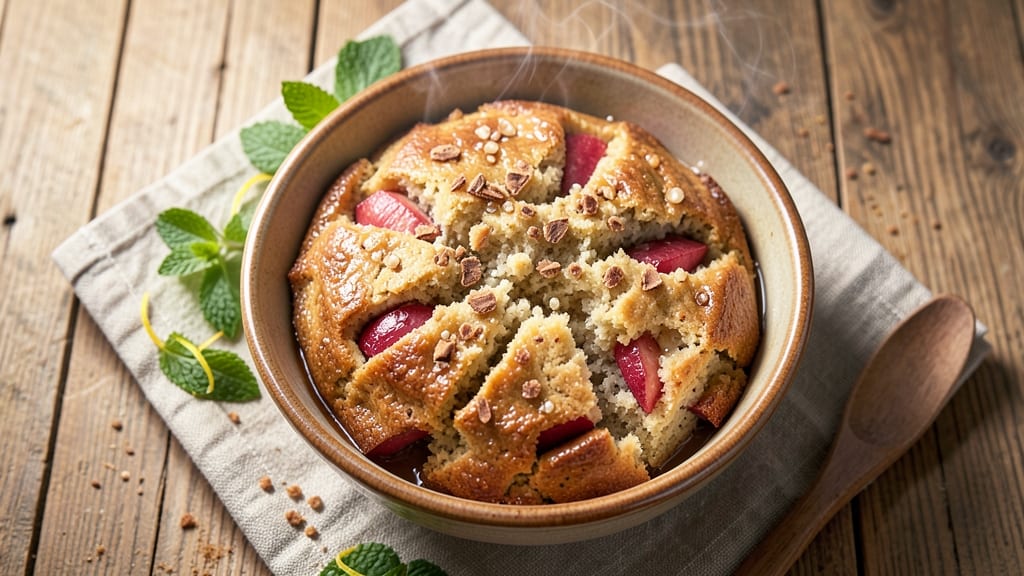
This apple cinnamon cornbread recipe transforms a classic Southern staple into a spiced, fruity masterpiece with tender crumb and pockets of caramelized apple. The secret lies in folding chopped apples and cinnamon into the batter—not just sprinkling on top—so every bite delivers warm spice and sweet-tart fruit in perfect balance.
I developed this version after years of testing, ensuring the cornbread stays moist without being dense, with a crispy edge that begs for butter.
The recipe combines classic cornbread ingredients—cornmeal, buttermilk, and eggs—with the unexpected twist of tart apples and cinnamon, creating a texture that’s both crumbly and satisfying. Baking at 375°F for 25-30 minutes ensures a golden crust while keeping the interior tender.
The apples break down slightly, releasing natural juices that keep the cornbread moist, while the cinnamon adds depth that lingers with each bite. This isn’t your grandmother’s dry cornbread—it’s a warm, aromatic loaf that feels like dessert but works for breakfast or brunch.
What makes this recipe stand out is the swirl technique: folding diced apples and cinnamon into the batter before baking, rather than topping it. This ensures every slice has those caramelized apple fibers and warm spice notes woven throughout.
Serve it warm with a pat of butter melting over the top, or pair it with a crisp apple cider for a cozy autumn meal. The contrast of the tender crumb and crispy edges makes it impossible to resist a second slice.
Whether you’re baking for a family gathering or a quiet weekend breakfast, this cornbread delivers restaurant-quality results with minimal effort. The recipe scales easily, and leftovers reheat beautifully—though I doubt they’ll last that long. Let’s get baking!
Ingredients for apple cinnamon cornbread
Classic cornbread ingredients meet autumn's finest—tart apples and warm cinnamon swirled into a tender, crisp-edged loaf.
| Ingredient | Amount | Notes |
|---|---|---|
| Medium-Grain Cornmeal 🌾 | 1 ½ cups | Stone-ground for authentic texture |
| All-Purpose Flour 🌾 | 1 cup | Sifted for even texture |
| Granulated Sugar 🍚 | ½ cup | Light brown sugar for depth |
| Baking Powder 🧂 | 2 tsp | Aluminum-free for tender crumb |
| Ground Cinnamon 🌿 | 2 tsp | Ceylon cinnamon preferred |
| Salt 🧂 | ½ tsp | Diamond Crystal preferred |
| Large Eggs 🥚 | 2 whole | Room temperature for even mixing |
| Buttermilk 🥛 | 1 cup | Cultured for tangy richness |
| Unsalted Butter 🧈 | ½ cup | Cold, cubed for even distribution |
| Granny Smith Apples 🍎 | 1 ½ cups | Diced, skin on for texture |
| Ground Nutmeg 🌿 | ¼ tsp | Freshly grated preferred |
| Extra-Virgin Olive Oil 🫒 | ¼ cup | For tenderizing the crumb |
The Granny Smith apples are non-negotiable—their tartness cuts through the sweetness beautifully. Whole Foods or local orchards have the best quality, but any firm, unblemished apple works. For the cornmeal, Bob's Red Mill stone-ground delivers that authentic gritty texture you crave. The cinnamon should be freshly ground if possible—pre-ground loses potency fast. If you're using pre-ground, Penzeys or McCormick are reliable brands. The buttermilk's tang is crucial—don't substitute with regular milk and vinegar unless you're willing to accept a milder flavor. For the apples, dice them into 1/4-inch pieces—too small and they'll disappear completely during baking.
No buttermilk? Sour cream or plain yogurt thinned with milk works in a pinch, though the texture won't be identical. Running short on Granny Smiths? Honeycrisp or Fuji apples work too, but they'll be sweeter—reduce the sugar to 1/3 cup to balance. The nutmeg is subtle but essential—if you're out, allspice at half the amount gives a similar warmth. For the butter, European-style unsalted has higher fat content, which yields a richer crumb. If you're making this ahead, the batter can sit overnight in the fridge—just let it come to room temperature before baking. The apples will release more juice, so you might need an extra 5 minutes in the oven.
This cornbread reaches peak flavor the day after baking—cover loosely with foil and store at room temperature for up to 3 days. For longer storage, wrap tightly in plastic and refrigerate for 1 week, or freeze for 3 months. To reheat, wrap a slice in foil and warm in a 350°F oven for 5 minutes. The texture transforms into something almost cake-like. For serving, I always recommend a pat of softened butter melting over the top—it's the only way to eat it. The leftovers make incredible French toast the next morning, though I doubt they'll last that long.
Why You'll Love This Recipe
- No Mix-Up Required: I swear by this—just toss everything into a bowl and stir. No measuring cups out of order, no forgotten eggs. The cornmeal and flour blend effortlessly, and the cinnamon sugar already smells like autumn before you even bake it. Honestly, I’ve made it while chatting on the phone.
- Sweet-Spiced Magic: That first bite? Warm, buttery, with a hint of caramelized apple peeking through the crumbly top. The cinnamon isn’t overpowering—it’s like a hug in bread form, and the sugar keeps it just sweet enough to balance the tangy cornmeal. (Yes, even on a Tuesday night.)
- Breakfast or Dessert: Serve it toasted with butter for a weekend brunch, or slice it up to pair with coffee. My kids ask for it after dinner too—it’s that good. The apples add a subtle fruitiness that makes it feel special without trying too hard.
- Lasts All Week: One batch feeds my family for days. The edges stay crispy, and the center stays moist—no sad, dry crumbs here. I even freeze slices for quick toast later. Between us, it’s my go-to when I need something reliable that won’t break the bank.
Step-by-step instructions for apple cinnamon cornbread
Master this technique and you'll achieve a tender crumb with perfect apple swirls every time.
Prepare the Apple Filling and Preheat the Oven
Begin by preheating your oven to 375°F. While it heats, peel, core, and dice the 1.5 cups Granny Smith Apples into ¼-inch pieces. The skin-on texture adds subtle bitterness that balances the sweetness, but peeling works if you prefer milder flavor. In a small bowl, toss the diced apples with 1 teaspoon of the 2 teaspoons Ground Cinnamon and ⅛ teaspoon of the 0.25 teaspoon Ground Nutmeg.
Let the apple mixture sit while you prepare the dough—this allows the spices to infuse and prevents the apples from releasing too much moisture too quickly. I like to use a fine-mesh sieve to toss them gently, ensuring even spice distribution without crushing the apple pieces.
Mix the Dry Ingredients and Wet Ingredients Separately
In a large mixing bowl, whisk together the 1.5 cups Medium-Grain Cornmeal, 1 cup All-Purpose Flour, 0.5 cup Granulated Sugar, remaining 1 teaspoon Ground Cinnamon, remaining 0.25 teaspoon Ground Nutmeg, and 0.5 teaspoon Salt. Sift the flour mixture twice for a light, airy texture—this prevents dense pockets in the finished cornbread. Set aside.
In a separate bowl, combine the 2 whole Large Eggs, 1 cup Buttermilk, and 0.25 cup Extra-Virgin Olive Oil. Whisk vigorously until fully emulsified—the mixture should look smooth and slightly thickened. The olive oil adds moisture and tenderness to the crumb, while the buttermilk provides that signature tangy richness.
Combine and Create the Swirl Pattern
Gradually pour the wet ingredients into the dry ingredients while gently folding with a spatula. Mix just until combined—overmixing develops gluten and makes the cornbread tough. The batter should be thick but pourable, similar to pancake batter. Fold in the 0.5 cup Unsalted Butter, cut into small cubes, using your fingers to distribute the butter evenly throughout the batter.
Transfer half of the batter to a greased 9-inch cast-iron skillet or baking dish. Drop spoonfuls of the spiced apple mixture evenly over the batter, then carefully swirl with the back of a spoon to create ribbons throughout the cornbread. Top with the remaining batter, gently swirling again to create a marbled effect. The apples should be distributed evenly but still visible in the final product.
Bake Until Golden and Springy
Bake the cornbread for 25-30 minutes until the top is deep golden brown and a toothpick inserted in the center comes out clean. The edges should pull away slightly from the pan, indicating proper browning. If the top browns too quickly, tent loosely with aluminum foil to prevent burning while allowing steam to escape.
Here's the thing—don't open the oven door early. The rush of cool air can cause the cornbread to sink. Instead, trust the visual cues: the edges should be crisp, the top should have a crackly crust, and the aroma should fill your kitchen with warm apple-cinnamon fragrance. The internal temperature should reach 190-195°F for perfect doneness.
Rest and Serve Warm
Remove the cornbread from the oven and let it rest in the pan for 5 minutes. This resting period allows the residual heat to finish cooking the center and redistribute the juices. Run a thin knife around the edges to loosen it, then transfer to a wire rack. Serve warm, cutting into wedges or squares for easy sharing.
Each slice should reveal tender, moist crumb with visible apple swirls throughout. The texture should be slightly dense but still light, with a crisp exterior that gives way to a soft interior. The apple pieces should be tender but still hold their shape, releasing their juices as you bite in. Serve with a pat of butter or a drizzle of warm maple syrup for the ultimate experience.
Pro Tips For Making Apple Cinnamon Cornbread
- Mix Dry Ingredients First: I learned this the hard way—when I tossed the wet ingredients into the dry all at once, I ended up with a dense, gummy mess. Whisk the cornmeal, flour, sugar, baking powder, and cinnamon together before adding anything else. This guarantees even distribution of the cinnamon and baking powder, so every bite has that warm spice kick and rises properly.
- Use Warm Apple Juice: Skip the cold applesauce or water—pour in warm apple juice (or even lightly heated apple cider) instead. It blends smoother with the butter, creates a moister crumb, and lets the cinnamon aroma infuse faster. I used to eyeball it, but now I measure: about ¾ cup for a standard 9-inch pan.
- Don’t Overmix the Batter: Once you add the wet ingredients, stir just until combined—maybe 10-12 strokes max. Overmixing develops the gluten in the flour, which turns your cornbread into a tough, flat cake. The texture should look shaggy and slightly lumpy, like a well-loved blanket. (Yes, even if it looks weird.)
- Bake Until the Edge Sounds Hollow: The instant-read thermometer is your friend here: pull the cornbread when the center hits 195°F (205°F if you’re using a glass dish). But also tap the edge—it should sound hollow, not muffled. I used to pull it too soon, thinking it’d keep baking, but that’s when it turns gummy. Let it sit 5 minutes in the pan before slicing. (Your future self will thank you.)
Best sauces and condiments for apple cinnamon cornbread
Maple Butter Glaze
Warm 2 tablespoons unsalted butter in a small saucepan with 1 tablespoon pure maple syrup and ½ teaspoon cinnamon. Simmer for 2 minutes until smooth, then drizzle over warm cornbread slices.
The natural sweetness of the maple enhances the apple flavor while adding a glossy finish. I like to use Grade B Vermont maple syrup for its deeper caramel notes. 🍁
Caramel Apple Compote
Simmer 1 cup diced apples (same variety as your cornbread) with 2 tablespoons brown sugar, 1 teaspoon lemon juice, and ¼ teaspoon cinnamon for 8-10 minutes until tender. The resulting compote adds moisture and sweet-tart contrast when spooned over cornbread slices.
For extra richness, stir in 1 teaspoon heavy cream at the end. This works especially well with the Granny Smith apples from the recipe.
Spiced Whipped Cream
Whip ½ cup heavy cream with 1 tablespoon powdered sugar and ½ teaspoon cinnamon until soft peaks form. The subtle spice complements the cornbread's warm flavors without overpowering. For a lighter option, substitute whipped coconut cream—it adds a tropical contrast that pairs surprisingly well.
I like to pipe this onto the cornbread just before serving for a restaurant-worthy presentation.
Brown Butter Sauce
Melt 2 tablespoons unsalted butter in a skillet over medium heat until it turns golden brown and nutty (about 3-4 minutes). Pour into a bowl and let cool slightly, then whisk in 1 teaspoon honey and a pinch of salt.
The toasty brown butter flavor intensifies the cornbread's caramelized edges. This sauce works particularly well with the crispy exterior of freshly baked cornbread. 🧈
Apple Cider Reduction
Simmer ½ cup apple cider with 1 tablespoon brown sugar until reduced by half (about 5 minutes). The concentrated cider adds a tangy depth that cuts through the richness. Strain out any solids if desired, then drizzle over cornbread slices.
For extra flair, add a sprinkle of crushed cinnamon sticks on top. This is my go-to for autumnal brunch servings.
Vanilla Bean Cream Cheese Frosting
Beat 4 oz cream cheese with 2 tablespoons softened butter, 1 tablespoon powdered sugar, and ½ teaspoon vanilla extract until smooth. Spread a thin layer between two cornbread slices for a sweet sandwich.
The vanilla adds floral notes that complement the cinnamon, while the cream cheese provides a creamy contrast. For extra indulgence, add 1 teaspoon apple butter to the mixture. 🍯
Nutrition facts
Frequently asked questions
Why does your recipe use olive oil instead of melted butter?
The extra-virgin olive oil keeps the cornbread moist without adding richness that could make it greasy. It also helps tenderize the crumb while maintaining that classic cornbread texture. For a buttery flavor, you can add the cold butter cubes as called for—they'll melt during baking and create pockets of flavor.
Can I make this cornbread without apples? What would I substitute?
For a similar texture, use 1 cup diced pear or ½ cup dried cranberries (soaked in warm water for 10 minutes). For a savory version, swap the apples for ½ cup corn kernels and reduce the cinnamon to 1 teaspoon total. The key is maintaining moisture—fruit works best since it releases juices as it bakes.
How do I prevent the cornbread from being too dense?
Three things:
- Don't overmix—stop as soon as the dry ingredients disappear.
- Use buttermilk (or a substitute) for tangy moisture.
- Let the batter rest for 10 minutes before baking to hydrate the cornmeal. Overworking the batter develops gluten, which makes cornbread tough. Also, don't pack the dry ingredients—lightly spoon them into the bowl and whisk gently.
Can I bake this in a regular oven pan instead of cast iron?
Yes, but grease your pan very well with butter or oil. Cast iron's heat retention creates that perfect crispy edge, but a 9-inch oven-safe ceramic or metal pan works fine. For extra crispiness, place the pan on the top rack for the last 5 minutes of baking. Avoid glass pans—they can make the bottom soggy unless preheated for 10 minutes before adding the batter.
How do I store leftovers to keep them fresh?
Wrap the cooled cornbread tightly in plastic wrap or place in an airtight container at room temperature for 3 days. For longer storage, refrigerate for 1 week or freeze for 3 months. To reheat, wrap a slice in foil and warm in a 350°F oven for 5-7 minutes. Microwaving works in a pinch, but it can make the crumb gummy—always reheat until steaming hot.