
Desserts
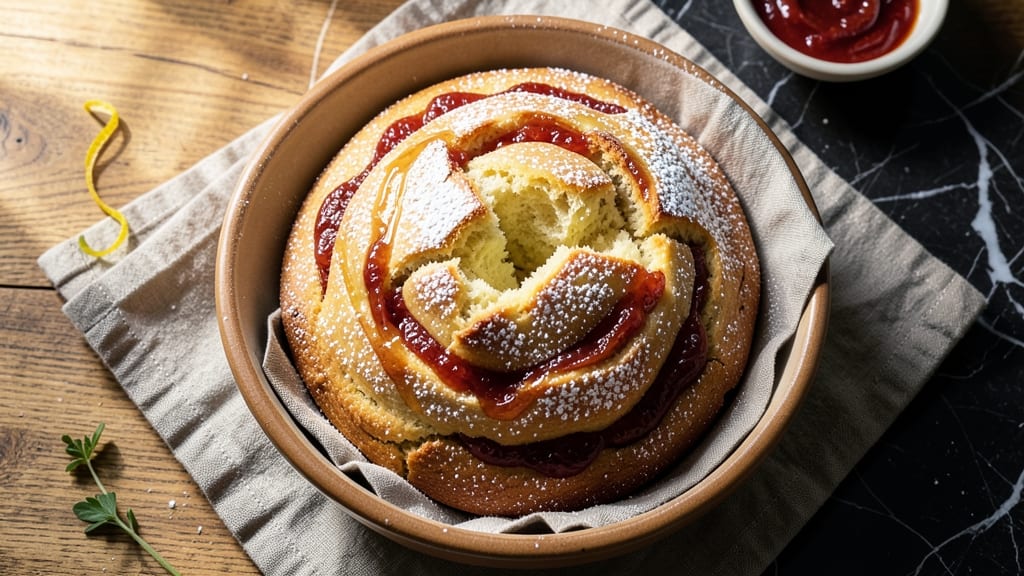
This apricot sweet bread recipe delivers a perfect balance of tender crumb and buttery crust, swirled with bursts of juicy apricot that elevate every bite.
The secret lies in a simple yeast dough enriched with butter and sugar, then folded with apricot jam or fresh fruit for that signature fruity contrast. Baking at just the right temperature creates a golden, crackly top that gives way to moist, pillowy layers inside.
The real magic happens when warm bread meets a light glaze or dusting of powdered sugar—simple but transformative. This recipe builds on classic sweet bread traditions while keeping the process straightforward, making it perfect for both beginners and experienced bakers.
The apricot swirls add natural sweetness that cuts through the richness of the bread, creating harmony in every slice.
What you'll end up with is a loaf that smells like a bakery, with a tender crumb that practically melts in your mouth and a slightly crisp exterior that adds satisfying texture.
The apricot filling remains moist and flavorful, not overly sweet, making this bread ideal for breakfast with coffee or as an elegant dessert with tea.
Whether you use fresh apricots, jam, or dried fruit, this recipe adapts beautifully to seasonal ingredients while delivering consistent results. The dough comes together in under 30 minutes, then rests while you prepare the filling, ensuring minimal active time for maximum reward.
Ingredients for apricot sweet bread
Eight simple ingredients transform into bakery-style apricot bread with golden crust and moist crumb.
| Ingredient | Amount | Notes |
|---|---|---|
| All-Purpose Flour 🌾 | 4 cups | Sifted for light texture |
| Granulated Sugar 🍚 | ½ cup | White or light brown |
| Instant Yeast 🍞 | 2 ¼ tsp | Single-use packet preferred |
| Unsalted Butter 🧈 | ½ cup | Cold, cubed for dough |
| Large Eggs 🥚 | 1 whole | Room temperature |
| Milk 🥛 | ½ cup | Warm, not hot |
| Salt 🧂 | ½ tsp | Fine sea salt |
| Vanilla Extract 🌸 | 1 tsp | Pure extract preferred |
| Apricot Jam 🍑 | ½ cup | Unsweetened preferred |
| Fresh Apricots 🍑 | ½ lb | Pitted and sliced (optional) |
| Powdered Sugar 🍚 | ¼ cup | For glaze |
| Heavy Cream 🥛 | 2 tbsp | For glaze |
| Almond Slices 🌰 | ¼ cup | Toasted for topping |
The flour is your foundation—King Arthur or Gold Medal brands yield the best texture. For apricots, fresh in summer or high-quality jam (like Bonne Maman) works best. If using dried apricots, soak them first for moisture. The butter should be cold and cubed—don’t melt it first, or the dough will get too soft. Penzeys or Trader Joe’s carry excellent vanilla extract if you want to splurge, but the cheap stuff works fine too. For the jam, unsweetened preserves prevent overly sugary bread, though a little sweetness is fine if that’s what you prefer.
No fresh apricots? Dried apricots or extra jam (up to 0.75 cup) keeps the filling moist. Swap almonds for pecans or walnuts if you’re allergic. The yeast is non-negotiable—expired yeast kills the rise. For a richer dough, add 1 tbsp sour cream to the wet ingredients. The glaze can be skipped, but powdered sugar + cream adds that bakery-fresh touch. If your dough feels too sticky, add 1 tbsp extra flour, but don’t overdo it or the bread will turn dense.
Store the bread in an airtight container at room temperature for 2-3 days—it reheats beautifully in a 300°F oven for 5 minutes. Freeze the whole loaf for up to 3 months by wrapping tightly in plastic. For extra freshness, brush the crust with melted butter before serving. The apricot filling keeps for 5-7 days in the fridge if stored separately, making this a great make-ahead option for breakfast or dessert.
Why You'll Love This Recipe
- No-Knead Magic: I swear by this dough—just mix, wait, and bake. The instant yeast does all the work while I sip coffee, and that buttery richness? It’s worth the 10-minute hands-off time.
- Apricot Euphoria: That jam swirled into the dough isn’t just sweet—it’s bursting. The sugar caramelizes just enough to make every bite taste like a bakery secret, and the eggs keep it tender without being heavy.
- Breakfast or Snack Star: Serve it warm with butter for a lazy Sunday morning, or slice it cold for a picnic. Honestly, I’ve even microwaved leftover pieces with a drizzle of honey—no judgment.
- Budget Bakery Trick: Flour, sugar, butter, eggs—these are pantry staples that stretch into something ridiculously good. One batch feeds my family for days, and the leftovers? Perfect for toasting or French toast.
Step-by-step instructions for apricot sweet bread
Master this technique and you'll achieve a tender crumb, perfect swirl, and buttery crust every time.
Prepare the Dough for Optimal Texture
In a large mixing bowl, combine the 4 cups all-purpose flour, 0.5 cup granulated sugar, and 2.25 teaspoons instant yeast. Whisk gently to aerate the flour and distribute the yeast evenly. This creates a lighter foundation for the bread.
In a separate bowl, melt the 0.5 cup unsalted butter in the microwave for 15-20 seconds until just softened. Add the 1 whole large egg, 0.5 cup warm milk, 0.5 teaspoon salt, and 1 teaspoon vanilla extract. Whisk vigorously until smooth. The mixture should be slightly thicker than heavy cream.
Make a well in the dry ingredients and pour in the wet mixture. Using a wooden spoon, gently fold until just combined. Avoid overmixing—you should see small streaks of flour remaining. This prevents developing too much gluten, which would make the bread dense instead of tender.
Swirl the Apricot Filling and Shape the Loaf
In a small bowl, mix the 0.5 cup apricot jam with 0.5 pound fresh apricots (if using), cutting them into small chunks. Set aside. On a lightly floured surface, transfer the dough and gently pat it into a 12x8-inch rectangle about ½-inch thick. Spread the apricot mixture evenly over ¾ of the dough, leaving a 1-inch border around the edges.
Starting from the long side, tightly roll the dough into a log, sealing the seam. Pinch the ends to prevent the filling from leaking. This creates the classic swirl pattern. Place the loaf seam-side down in a 9x5-inch loaf pan that's been lightly greased with butter. Cover with a clean kitchen towel and let rise in a warm place for 1-1½ hours or until doubled in size.
Here's the thing—don't rush this rise. The dough needs time to develop flavor and structure. I like to place my oven light on for gentle warmth, which helps maintain consistent temperature. The dough should spring back slowly when gently pressed—this indicates proper fermentation.
Bake to Golden Perfection with Crispy Crust
Preheat your oven to 350°F. Brush the risen loaf with any remaining melted butter for a golden finish. Bake for 45-50 minutes until the top is deep golden brown and the internal temperature reaches 190°F when measured with an instant-read thermometer. The sides should pull away cleanly from the pan.
If the top browns too quickly, tent loosely with aluminum foil. The bread is done when it sounds hollow when tapped on the bottom. Remove from the oven and let cool in the pan for 10 minutes before transferring to a wire rack. This resting period prevents a gummy texture.
Glaze and Garnish for Restaurant-Worthy Finish
While the bread is still warm, prepare the glaze by whisking together the 0.25 cup powdered sugar and 2 tablespoons heavy cream until smooth. The mixture should be thick but pourable. Immediately pour over the cooled loaf, letting it drip down the sides.
Sprinkle the 0.25 cup toasted almond slices evenly over the top while the glaze is still wet. This creates both visual appeal and textural contrast. Let the glaze set for 15 minutes before slicing. The bread will keep well at room temperature for 2-3 days when stored in an airtight container.
Real talk: the first slice reveals the magic—the tender crumb, sweet apricot swirls, and buttery crust all working together. Serve warm with tea or coffee for the ultimate indulgence.
Pro Tips For Making Apricot Sweet Bread
- Mix Butter Last: Toss the cold butter cubes in at the very end of kneading—right after the yeast has proofed. I learned this the hard way after making dough that felt like eating a brick; the butter needs to stay chilled until the gluten relaxes, or you’ll end up with a dense, greasy mess instead of flaky layers.
- Proof at Room Temp: Let your yeast activate in warm water (105–110°F) for exactly 5–7 minutes—no longer, or it’ll overproof and taste like sour milk. If your kitchen’s cold, proof the yeast in a microwave-safe bowl with a splash of warm water for 30 seconds instead of waiting for the tap to heat up.
- Skip Over-Kneading: This dough doesn’t need the arm workout—knead just until the flour stops sticking to your hands (about 5–7 minutes). Overworking it develops too much gluten, and your sweet bread will turn out tough instead of tender. (Yes, even if you’re impatient like me.)
- Chill the Dough: Pop the shaped dough in the fridge for at least 30 minutes before baking—it’s the only way to guarantee clean layers and even rising. I was skeptical until I tried it: the bread now bakes up taller, with a crisp crust and a soft interior. (Your future self will thank you.)
Creative variations of these flavors
Jam Variations
Swap the apricot jam for peach or plum jam to create a similar texture but with a different fruit profile. I love using Bonne Maman apricot jam for its balanced sweetness, but Mott’s peach jam adds a tangy twist.
For a tropical twist, try mango jam—it pairs beautifully with the buttery dough. Just ensure your jam isn’t overly sweet, or the bread may become cloying. 🍑
Fresh Fruit Twist
Skip the jam entirely and use fresh apricots for a lighter, juicier filling. Pit and slice ½ lb fresh apricots, then toss them with 1 tbsp lemon juice and 1 tbsp brown sugar to prevent browning.
Spread this mixture over the dough before rolling. For extra richness, add 1 tbsp melted butter to the fruit. This keeps the bread moister and highlights the natural sweetness of the fruit.
Dried Fruit Option
When fresh apricots aren’t in season, dried apricots work beautifully. Soak ½ cup dried apricots in warm water for 15 minutes to soften, then chop them finely. Mix with 2 tbsp apricot jam to bind the filling.
This version is chewier and deeper in flavor—perfect for winter baking. For a nutty contrast, fold in 2 tbsp chopped walnuts with the dried fruit.
Citrus Zest Boost
Brighten the flavor by adding 1 tsp grated orange or lemon zest to the apricot jam or fresh fruit filling. The citrus cuts through the richness of the butter and enhances the apricot’s natural sweetness.
I find that orange zest pairs especially well with apricot, while lemon zest adds a sharper contrast. Add the zest to the jam or fruit mixture right before spreading it on the dough.
Spiced Apricot
For a warm, aromatic twist, infuse the apricot filling with ½ tsp ground cinnamon and ¼ tsp cardamom. This works with both jam and fresh fruit fillings. The spices complement the apricot’s natural sweetness and add depth to each bite.
If you’re using dried apricots, toast them lightly with the spices in a dry pan for 2 minutes before mixing with the jam. This caramelizes the fruit slightly, intensifying the flavor. 🌶️
Nutty Crunch Topping
While the recipe calls for almond slices, you can experiment with other nuts for texture. Try pecans for a richer flavor or hazelnuts for a slightly earthy note. For extra crunch, toast the nuts in a dry skillet over medium heat for 3-4 minutes, stirring constantly, until fragrant.
Sprinkle them over the glaze while it’s still wet to ensure they stick. This adds a satisfying contrast to the soft, pillowy bread.
Nutrition facts
Frequently asked questions
Can I make this apricot sweet bread without a loaf pan?
Shape the rolled dough into a free-form loaf on a parchment-lined baking sheet. Brush with melted butter and bake at 350°F for 40-45 minutes, checking for golden color. The crust will be slightly thicker, but the tender crumb stays the same. For extra crustiness, bake on a preheated pizza stone or baking steel.
What if my dough doesn't rise properly?
Check your yeast first—it should be fresh (test by dissolving 1 packet in ¼ cup warm water with 1 tsp sugar; it should foam in 5-10 minutes). If your kitchen is cold, place the dough near a warm oven or use a proofing box. Overmixing or too much flour can also prevent rising—keep folding until just combined.
How do I store leftovers to keep them fresh?
Wrap the cooled loaf tightly in plastic wrap, then place in an airtight container. It stays fresh at room temperature for 2-3 days. For longer storage, freeze slices wrapped individually—they reheat beautifully in a 300°F oven for 5 minutes. The apricot filling remains moist when stored separately in the fridge for 5-7 days.
Can I substitute apricot jam with other fruit spreads?
Yes! Use peach, plum, or berry jam for similar texture. For a lighter filling, try fresh fruit purée (like mashed peaches) mixed with 1 tbsp cornstarch to thicken. Avoid overly watery spreads—they can make the bread soggy. Adjust sweetness by reducing granulated sugar in the dough by 1-2 tablespoons if using tart fruit.
Why does my bread turn out dense instead of tender?
Overmixing develops too much gluten, making the bread tough. Use a wooden spoon to gently fold, not knead. Also check your butter—it should be softened but not melted. If your kitchen is humid, reduce milk by 2 tablespoons to prevent a sticky dough. Let the dough rise in a warm spot (80°F) for proper fermentation.