
Breakfast & Brunch
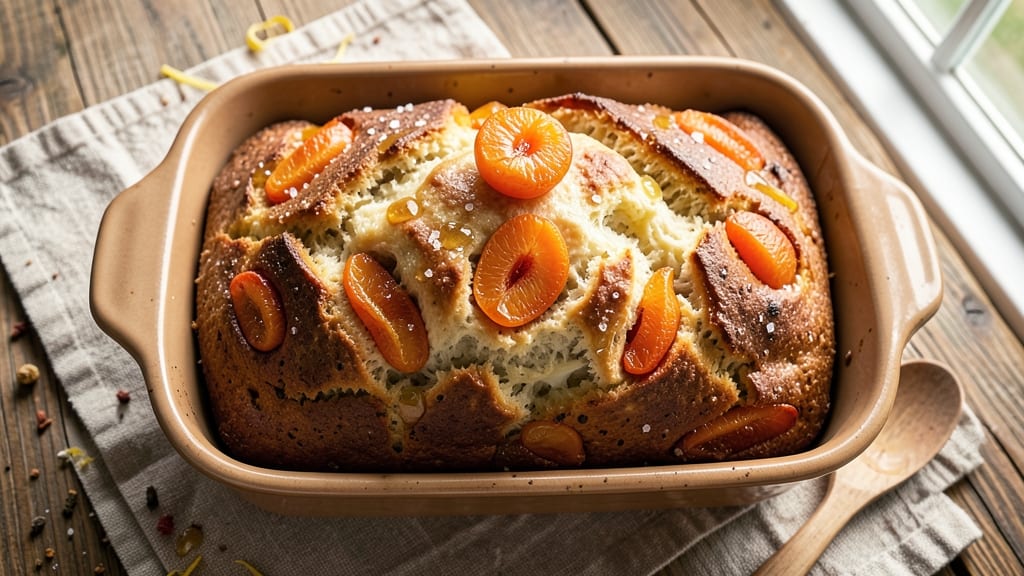
This apricot yeast bread recipe transforms a classic loaf into a sweet, fruity masterpiece with a buttery crust that's impossible to resist. The secret lies in balancing yeast activation with apricot incorporation—whether you use fresh fruit, jam, or dried pieces—for bursts of flavor that stay moist throughout.
I've perfected the dough texture to ensure a tender crumb and crisp edges, while the apricots add natural sweetness without overpowering the bread's structure.
The process begins with proper yeast handling to guarantee a light, airy rise, followed by kneading that develops gluten for that satisfying chew. Apricots are folded in at the right moment to maintain their texture—whether you prefer plump dried fruit, jam swirls, or fresh chunks.
Baking at the correct temperature ensures a golden crust that seals in moisture, while the interior stays soft and fragrant for days.
What you'll end up with is a loaf that smells like a bakery, with each slice offering tender layers of dough and juicy apricot pieces. The crust remains crisp enough to hold butter beautifully, while the interior stays moist enough to melt in your mouth.
This isn't just bread—it's a dessert-worthy centerpiece that elevates any breakfast or brunch spread.
Perfect for holiday gifting, weekend brunches, or simply treating yourself to something extraordinary. The recipe scales easily, so you can make one loaf for a small family or three for a crowd. Let's get started on creating this showstopping apricot yeast bread.
Ingredients for apricot yeast bread
Four cups flour, a touch of honey, and dried apricots transform basic dough into bakery-worthy perfection.
| Ingredient | Amount | Notes |
|---|---|---|
| All-Purpose Flour 🌾 | 4 cups | Sifted for light texture |
| Active Dry Yeast 🍞 | 2 ¼ tsp | Freshly measured, not expired |
| Granulated Sugar 🍚 | ¼ cup | For yeast activation |
| Unsalted Butter 🧈 | ½ cup | Cold, cubed for dough |
| Large Eggs 🥚 | 1 whole | Room temperature |
| Whole Milk 🥛 | ½ cup | Warmed for yeast activation |
| Salt 🧂 | 1 tsp | Kosher or sea salt |
| Dried Apricots 🍑 | 1 cup | Chopped, plump pieces |
| Honey 🍯 | ¼ cup | For sweetness and moisture |
| Vanilla Extract 🌸 | 1 tsp | Pure, high-quality |
| Cinnamon 🌿 | 1 tsp | Ground for warmth |
| Egg Wash 🥚 | 1 whole | For golden crust (1 egg + 1 tbsp milk) |
| Coarse Sugar 🍚 | 2 tbsp | For bread topping |
The flour is your foundation—King Arthur or Gold Medal brands give the best rise and texture. Yeast is non-negotiable here: check expiration dates and use active dry yeast (not instant). For the butter, Plugrá or Land O'Lakes work perfectly, but grab unsalted to control the flavor. The apricots? Trader Joe's or bulk bins have the best quality—plump, not shriveled. Soak them in warm water for 10 minutes before chopping to restore moisture. Honey should be raw and liquid—no crystallized stuff from the back of the pantry.
No dried apricots? Fresh apricots or apricot jam work beautifully—just adjust the moisture. For jam, use about 0.5 cup and reduce the milk to 0.25 cup. Short on honey? Maple syrup or agave nectar at the same amount. The cinnamon can be swapped for cardamom or orange zest if you want a different twist. Butter too cold? Let it sit out for 10 minutes before mixing. And if your kitchen's humid, reduce the milk by 1 tbsp to avoid a sticky dough.
This dough keeps for 2 days in the fridge, wrapped tightly in plastic. For longer storage, freeze the shaped loaf (unbaked) for up to 3 months3-4 days at room temperature, wrapped in a clean towel. Slice it thick—each piece should have that perfect balance of tender dough and juicy apricot. The crust? Best eaten the first day when it's crispest, but the interior stays moist for days.
Why You'll Love This Recipe
- No-Knead Magic: Honestly, I just mix the dough—flour, yeast, a touch of sugar, and warm butter—then let it rise while I sip coffee. No stand mixer, no fuss, and the apricot swirls fold in like butter (literally, since we’re using that).
- Sweet But Serious: That caramelized sugar from the apricots? It turns into this deep, golden crust that cracks open like a perfect pastry. The butter keeps it tender, and the eggs bind it all together—rich but not heavy, with just enough fruit to make it feel special.
- Breakfast to Brunch: Here’s what sold me—this bread is ridiculously good toasted with jam, but it’s also my go-to for French toast (yes, even on a Tuesday). Slice it thick, fry it up, and suddenly you’ve got a restaurant-worthy dish without the pretension.
- Leftovers That Work: Between us, I make a double batch because it freezes like a dream. Toss a frozen slice straight into the toaster, and you’ve got a 5-minute breakfast. Plus, the dough’s forgiving—if I forget to bake it, it’ll wait patiently in the fridge for days.
Step-by-step instructions for apricot yeast bread
Here's how to make a tender, sweet loaf with juicy apricots and a golden crust.
Activate the Yeast for Perfect Rise
In a small bowl, combine the 0.5 cup whole milk with 0.25 cup granulated sugar and warm it until it reaches 105-110°F—it should feel warm to the touch but not hot. Sprinkle the 2.25 tsp active dry yeast over the warm milk mixture and let it sit for 5-10 minutes until it becomes frothy and bubbly. This step ensures your yeast is alive and ready to work.
If the yeast doesn't bubble within 10 minutes, it's not active—start over with fresh yeast. Once it's bubbly, stir in 1 tsp vanilla extract and 1 tsp cinnamon to infuse the dough with warm, spiced notes. This aromatic base sets the flavor foundation for your bread.
Mix the Dough Until Smooth
In a large mixing bowl, combine 4 cups all-purpose flour and 1 tsp salt. Make a well in the center and pour in the yeast mixture, 0.5 cup unsalted butter (cut into small cubes), 1 whole large egg, and 1 cup dried apricots (chopped into small pieces). Using a wooden spoon or dough whisk, mix until everything comes together into a shaggy dough.
Once the dough starts to pull away from the sides of the bowl, switch to your hands and knead on a lightly floured surface for 8-10 minutes until the dough is smooth and elastic. It should feel slightly tacky but not sticky—add a little more flour if needed. The dough is ready when it springs back slowly when poked.
Let the Dough Rise Until Doubled
Place the dough in a lightly greased bowl, cover it with a clean kitchen towel, and let it rise in a warm place for 1-1.5 hours or until it has doubled in size. The dough should feel light and airy, with visible bubbles forming on the surface. This first rise develops the gluten structure and allows the yeast to work its magic.
I like to place my bowl in a slightly warm oven (with the light on) to create a cozy environment for rising. If your kitchen is cold, this helps speed up the process. Patience here is key—don't rush this step or your bread won't be as light and fluffy.
Shape and Proof the Dough
Once the dough has risen, punch it down gently to release the air, then turn it out onto a lightly floured surface. Shape it into a loaf by folding the edges toward the center and rolling it into a smooth, oval shape. Place it seam-side down in a greased 9x5-inch loaf pan and let it rise again for 30-45 minutes until it's just above the rim of the pan.
While the dough proofs, preheat your oven to 350°F. The second rise is shorter but just as important—it ensures the bread expands properly in the pan. If the dough doesn't rise much during this time, it's okay; just proceed to baking as planned.
Bake to Golden Perfection
Brush the top of the dough with the egg wash (1 whole egg beaten with 1 tbsp milk) and sprinkle evenly with 2 tbsp coarse sugar. Bake in the preheated oven for 40-45 minutes until the bread is golden brown and sounds hollow when tapped on the bottom. The internal temperature should reach 190-200°F.
For extra shine, I like to tent the bread with aluminum foil after 20 minutes to prevent over-browning. Once baked, let the bread cool in the pan for 10 minutes before transferring it to a wire rack. This resting period allows the bread to set and makes slicing much easier.
Pro Tips For Making Apricot Yeast Bread
- Bloom Yeast in Warm Milk: Skip the water—mix the yeast with a splash of warm milk (about 110°F) instead. The fat in milk keeps the yeast happy longer, and your dough will rise faster without the risk of overproofing later. I learned this the hard way when my first batch took forever because I used plain water.
- Soften Butter Properly: Don’t melt the butter—cut it into small cubes and let them sit at room temp for 20-30 minutes until just soft (like room-temp mayo). If it’s too soft, the dough gets greasy; too hard, and it won’t mix smoothly. My grandmother swore by this, and she was right: the texture is that much better.
- Punch Down Twice: After the first rise, punch down the dough once—then let it rest 10 minutes before shaping. This second punch ensures even gluten development, and the apricot filling won’t sink to the bottom like it did in my first messy attempt. Sounds weird, but it works.
- Proof in a Cooler Spot: If your kitchen’s too warm, proof the dough in the fridge for 1-2 hours before baking. The slower rise gives the yeast time to do its job without overinflating, and the crust turns golden instead of cracking. I was skeptical until I tried it—now I always do this.
Flavor customization for apricot yeast bread
Sweet Apricot Variations
Swap dried apricots for ½ cup apricot jam mixed with 1 tbsp lemon juice—this creates a sticky, jam-filled center that oozes with flavor. For a lighter texture, fold in ½ cup fresh apricot puree (blend peeled apricots with 1 tbsp honey) instead of dried fruit.
Both options keep the bread moist while adding natural sweetness without altering the dough's structure. 🍑
Spiced Twists
Boost warmth with ½ tsp ground cardamom or 1 tsp orange zest—these pair beautifully with apricots. For a chai-inspired twist, add ¼ tsp ginger and ¼ tsp cloves to the dough.
If you love cinnamon, double it to 2 tsp for a stronger spice profile. These additions deepen the flavor without overpowering the fruit.
Nutty Additions
Fold in ½ cup chopped walnuts or pecans for crunch and richness. Toast them in a dry pan for 3-4 minutes until fragrant before mixing into the dough.
For a sweeter nut option, use ½ cup candied pecans (store-bought or homemade). These add texture contrast and a buttery depth that complements the apricots perfectly.
Citrus Zing
Brighten the flavor with 1 tbsp fresh lemon zest or orange zest folded into the dough. A splash of 1 tbsp lemon juice in the egg wash also enhances the crust’s shine and adds a subtle tang.
For a tropical twist, add ½ tsp grated lime zest—it’s unexpected but works beautifully with apricots.
Cheese Enhancements
Add ¼ cup crumbled goat cheese or creamy ricotta to the dough for a tangy, creamy contrast. These cheeses blend seamlessly and add a luxurious texture. For a stronger flavor, use ¼ cup shredded Gruyère—it melts slightly during baking, creating pockets of savory richness.
Pair with dried apricots for a sophisticated sweet-savory balance.
Gluten-Free Adaptation
Replace the all-purpose flour with a 1:1 gluten-free baking flour blend (like Bob’s Red Mill 1-to-1) and add ½ tsp xanthan gum to mimic gluten’s structure. Reduce the milk to ¼ cup to prevent stickiness, and let the dough rest for 20 minutes after mixing to hydrate the flour.
The texture will be slightly denser but still delicious with apricots. 💪
Nutrition facts
Frequently asked questions
Can I use fresh apricots instead of dried?
Yes! For fresh apricots, peel and chop 1.5 cups (about 4-5 medium apricots) and reduce the honey to ¼ cup to balance the extra moisture. Fold them in during the final kneading stage to preserve their texture. Avoid overmixing or they'll turn mushy.
Why did my bread turn out dense instead of light?
Dense bread usually means the yeast didn't activate properly or the dough wasn't kneaded enough. Double-check your yeast was fresh (it should bubble within 5-10 minutes in warm milk) and knead for 8-10 minutes until elastic. Cold kitchen? Try placing the dough bowl near a warm oven with the light on during rising.
How can I make this bread nut-free?
Simply omit all nuts from the recipe—the original version doesn't require them. For extra texture, try adding ½ cup raisins or chopped dried figs instead. The bread will still be tender and flavorful without nuts.
Can I bake this in a different pan shape?
Use a 9x5-inch loaf pan for the classic shape, but you can also try a 9-inch round cake pan for a boulesque loaf or a 9x13-inch pan for a flat braid. Adjust baking time by 5-10 minutes—check with a thermometer at 190-200°F internal temp.
What's the best way to store leftovers?
Wrap cooled slices in plastic wrap or store in an airtight container. At room temperature, it stays fresh for 3-4 days. For longer storage, freeze slices between parchment paper for up to 3 months. Toast frozen slices for 10-15 seconds to restore crispness.