
Desserts
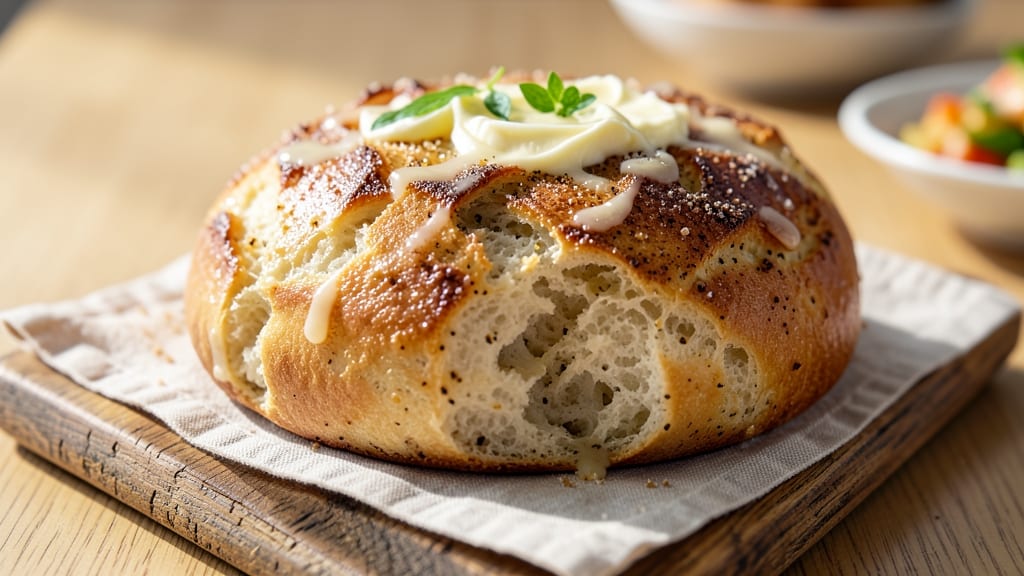
This Argentinian sweet bread recipe brings the warmth of Buenos Aires' bakeries to your kitchen with its signature cinnamon swirls and golden crust. 🌟 The secret lies in a tender, slightly sweet dough that transforms into flaky, melt-in-your-mouth medialunas—Argentina's beloved breakfast pastries—when baked to perfection.
What sets this recipe apart is the traditional lamination technique, which creates those iconic layers without requiring a stand mixer. We'll use simple ingredients like flour, butter, and a touch of anise for that authentic flavor, then shape the dough into classic crescents or rolls before baking until golden brown.
The result is a batch of buttery, lightly sweetened pastries with a crisp exterior and soft interior, perfect for breakfast or afternoon tea. Whether you fill them with dulce de leche, jam, or leave them plain, these medialunas will transport you to a Buenos Aires café with every bite.
Best of all, this recipe adapts easily to home kitchens—no special equipment needed. Let's get started on creating your own taste of Argentina.
Ingredients for argentinian sweet bread
Buttery layers, cinnamon swirls, and golden crust—just these ingredients transform your kitchen into a Buenos Aires bakery.
| Ingredient | Amount | Notes |
|---|---|---|
| All-Purpose Flour 🌾 | 4 cups | Sifted for light texture |
| Unsalted Butter 🧈 | 1 cup | Cold, cubed for lamination |
| Granulated Sugar 🍚 | ¼ cup | Plus 1 tbsp for dough |
| Instant Yeast 🍞 | 2 ¼ tsp | Single-use packet preferred |
| Warm Milk 🥛 | ½ cup | 110°F for activation |
| Large Egg 🥚 | 1 whole | Room temperature |
| Ground Cinnamon 🌶️ | 2 tbsp | For filling swirls |
| Anise Seeds 🌿 | 1 tsp | Crushed lightly for flavor |
| Salt 🧂 | ½ tsp | Diamond Crystal preferred |
| Powdered Sugar 🍚 | ¼ cup | For dusting |
| Vegetable Oil 🫒 | 2 tbsp | For greasing pans |
| Dulce de Leche 🍯 | ½ cup | Optional filling |
The butter is non-negotiable here—European-style unsalted (like Plugrá) gives the flakiest layers, but any good-quality butter works in a pinch. Grab it cold from the fridge, cut into cubes, and don’t let it warm up before using. For the flour, King Arthur or Gold Medal are my go-tos—they’ve got the protein balance for tender yet sturdy dough. Anise seeds can be tricky to find; Trader Joe’s or Latin markets usually carry them, and if not, swap for a pinch of licorice extract (trust me, it works). The yeast? Always check the expiration date—a packet older than 6 months won’t activate properly.
No anise seeds? Star anise steeped in warm milk (remove before using) mimics the flavor. Running low on butter? Vegetable shortening (like Crisco) can replace up to half, but the texture won’t be as tender. For the dulce de leche filling, La Serenísima is the gold standard, but any good-quality brand will do. If you’re feeling fancy, swap the powdered sugar dusting for confectioners’ sugar mixed with a pinch of cinnamon—game-changer for presentation. And if your dough feels too sticky? Add 1 tbsp more flour, but don’t overdo it or the pastries’ll turn dense.
Leftover dough? Wrap it tightly in plastic and refrigerate for up to 24 hours—it’ll be stiffer but still workable. For the filling, store dulce de leche in the fridge once opened, and reheat gently before using (microwave 20 seconds). Baked medialunas keep at room temperature for 2 days in an airtight container, but honestly? They’re best eaten fresh. Freeze unbaked dough balls for up to 3 months—just let them thaw before shaping. Pro tip: Brush the baked pastries with a simple syrup (equal parts sugar and water, heated until dissolved) for extra shine and tenderness.
Why You'll Love This Recipe
- No-Knead Magic: I swear by this recipe—just mix the dough, let it rise once, and bake. The butter and sugar melt into something so tender, you’ll forget you didn’t slave over it. Honestly, my lazy Sundays thank me every time.
- Butter-Sugar Bliss: That warm milk and softened butter? It’s what makes this bread dangerously good—rich, slightly sweet, with a crust that cracks just enough to let the flavor sing. I’ll be real: I’ve made it for breakfast, dessert, and everything in between.
- Breakfast to Brunch: Toast it for a lazy morning, drizzle with honey, or serve it warm with jam—this bread works hard for you. Between us, it’s my go-to when I’m hosting brunch but don’t want to stress. Guests always ask for the recipe.
- Budget-Friendly Staple: Four simple ingredients, one rising cycle, and you’ve got a loaf that lasts. I freeze slices for quick toast or pack them in lunches—no waste, all flavor. My wallet and my family approve.
Step-by-step instructions for Argentinian sweet bread
Here's how to create those iconic cinnamon-sugar swirls with a buttery, flaky crust.
👨🍳 Step 1: Mix the Dough and Let It Rise
In a large mixing bowl, combine the 4 cups sifted all-purpose flour, 2.25 tsp instant yeast, 0.5 tsp salt, and 1 tsp crushed anise seeds. Mix gently to distribute the yeast evenly through the flour. Create a well in the center and add the 1 cup cold cubed unsalted butter, 0.25 cup granulated sugar, 1 whole large egg, and 0.5 cup warm milk (110°F).
Using a wooden spoon or dough whisk, gradually incorporate the wet ingredients into the dry until a shaggy dough forms. Once combined, turn the dough onto a lightly floured surface and knead for 8-10 minutes until smooth and elastic. The dough should be slightly tacky but not sticky—add more flour 1 tablespoon at a time if needed. This kneading develops gluten for that perfect rise and texture.
Shape the dough into a ball, place it in a lightly greased bowl, cover with a damp towel, and let it rise in a warm place for 1-2 hours or until doubled in size. You'll know it's ready when you poke it gently and the indentation stays put. This first rise is crucial for creating that airy, pillowy texture we're after.
🍳 Step 2: Prepare the Filling and Laminate the Dough
While the dough rises, prepare the filling by mixing together 2 tbsp ground cinnamon and 0.25 cup granulated sugar (the extra tablespoon from your ingredients list) in a small bowl. If using, warm the 0.5 cup dulce de leche until it's spreadable but not runny.
Once the dough has risen, turn it out onto a lightly floured surface and roll it into a 12x16-inch rectangle. Spread 2 tbsp vegetable oil evenly over the surface, leaving a 1-inch border around the edges. This oil creates those beautiful, flaky layers. Sprinkle the cinnamon-sugar mixture evenly over the oiled surface, leaving the border clear.
Starting from the long side, roll the dough tightly into a log, pinching the seam to seal. This is called "laminating" and creates those signature layers. Cut the log into 4 equal pieces and arrange them in a 2x2 grid in a greased 9x13-inch baking pan, leaving space between them so they can rise and expand. Cover with a damp towel and let rise for another 30-45 minutes until puffy and almost touching.
🔥 Step 3: Bake to Golden Perfection
Preheat your oven to 350°F. Brush the tops of the dough pieces with a little warm milk or melted butter for extra browning. Bake for 30-35 minutes until the bread is deep golden brown and sounds hollow when tapped on the bottom. If using dulce de leche, carefully drizzle it over the warm bread after removing from the oven.
Here's the thing—don't overbake. The bread should be soft and tender inside with just a hint of crispness on the edges. If it starts to brown too quickly, tent it with aluminum foil. The internal temperature should reach 190-200°F when checked with an instant-read thermometer.
Let the bread cool in the pan for 10 minutes before transferring to a wire rack. Once cooled, dust generously with 0.25 cup powdered sugar for that classic Argentinian finish. Serve warm with a cup of coffee or tea for the ultimate comforting treat.
Pro Tips For Making Argentinian Sweet Bread
- SOFTEN THE BUTTER FIRST: I learned this the hard way—trying to cut cold butter into flour makes a mess. Microwave the unsalted butter in 10-second bursts until just pliable (about 30 seconds total), then work it into the flour with your fingers. The dough will be smoother and less crumbly, and you’ll save yourself from a sticky disaster.
- USE A THERMOMETER FOR MILK: Warm milk that’s too hot kills yeast, and too cool makes it sluggish. Heat milk to exactly 110°F (43°C)—just warm enough to dissolve the sugar without steaming. I keep a cheap instant-read thermometer in my kitchen now; it’s the only way to nail this step every time.
- DON’T OVER-KNEAD THE DOUGH: This isn’t a baguette—you’re not fighting for gluten development. Once the dough pulls away from the bowl and springs back when poked (about 5–7 minutes by hand), stop. Overworking it turns the bread dense and chewy. I used to think more kneading = better rise, but the texture suffers.
- LET THE DOUGH RISE TWICE: Skipping the second rise is the fastest way to flat, sad bread. After the first rise (1–2 hours), punch it down, shape it, then let it rise again—this time for 30–45 minutes—before baking. The second rise ensures a light, airy crumb. I know it’s tempting to skip, but trust me: the difference is night and day.
Best sauces and condiments for argentinian sweet bread
Classic Cinnamon Sugar
This is the signature topping for your Argentinian sweet bread, and it’s all about balance. Mix 2 tbsp ground cinnamon with ¼ cup granulated sugar (plus the extra 1 tbsp mentioned in the ingredients) for a sweet-spiced harmony.
I like to add a pinch of salt to the mix—just ⅛ tsp—to enhance the flavors. Sprinkle this generously over the oiled dough before rolling it up for those iconic swirls. 🌶️
For extra depth, toast the cinnamon in a dry skillet over low heat for 1-2 minutes before grinding it. This intensifies the aroma and gives the bread a more complex flavor.
Store any leftover cinnamon-sugar mix in an airtight container for up to 2 weeks—it’s perfect for dusting on pancakes or oatmeal too!
Dulce de Leche Drizzle
The creamy, caramelized sweetness of dulce de leche is non-negotiable for an authentic Argentinian touch. Warm ½ cup dulce de leche in a microwave-safe bowl for 20-30 seconds until it’s spreadable but not too runny.
Drizzle it over the warm bread right after baking—this ensures it melts beautifully into the layers. I recommend La Serenísima brand if you can find it, but any good-quality dulce de leche will work. 🍯
If you’re feeling adventurous, mix the warmed dulce de leche with 1 tbsp heavy cream for a lighter, more pourable glaze. This works especially well if you’re filling the bread instead of just drizzling.
Store any leftover dulce de leche in the fridge and reheat gently before using—microwaving it directly can make it grainy.
Honey-Lemon Glaze
For a lighter, fruitier alternative, whip together ¼ cup honey with 1 tbsp fresh lemon juice and 1 tbsp warm water. Brush this glaze over the baked bread while it’s still warm, then sprinkle with 1 tsp flaky sea salt for a sweet-salty contrast.
This glaze adds moisture and a bright, citrusy note that pairs perfectly with the buttery dough. It’s especially delicious if you’re serving the bread with a cup of Argentinian mate tea. 🍯
To make it extra special, infuse the honey with ½ tsp crushed cardamom pods while warming it—simmer for 2 minutes before mixing with the lemon juice.
Strain out the cardamom pods and use the infused honey as your glaze. This adds a warm, aromatic twist that’s perfect for breakfast or brunch.
Chocolate Ganache
For a decadent twist, prepare a simple chocolate ganache by heating ½ cup heavy cream until it’s steaming, then pouring it over 4 oz chopped dark chocolate (70% cocoa or higher). Let it sit for 2 minutes, then stir until smooth.
Drizzle this over the cooled bread for a rich, velvety finish. I like to pair this with a sprinkle of crushed pistachios for texture and color. 🍫
For a lighter version, use white chocolate instead of dark, and add 1 tsp vanilla extract to the cream before heating. This ganache is especially popular in Buenos Aires cafés, where it’s often drizzled over alfajores—a similar but sandwich-style pastry.
Store any leftover ganache in the fridge for up to 1 week, and reheat it gently before using.
Nutrition facts
Frequently asked questions
Can I make this Argentinian sweet bread without anise seeds?
If you can't find anise seeds, substitute with ½ tsp licorice extract or omit them entirely—they add a subtle licorice note but aren't essential. For a different flavor twist, try ½ tsp ground cardamom instead. The dough will still turn out delicious and flaky!
How do I store leftover Argentinian sweet bread?
Store baked bread in an airtight container at room temperature for 2 days to maintain freshness. For longer storage, freeze unbaked dough balls for 3 months or baked pastries for 1 month. Reheat frozen bread in a 350°F oven for 5-10 minutes until warm and crispy.
Why did my dough not rise properly?
Check these common issues:
- Cold milk (should be 110°F) deactivates yeast;
- Old yeast (use fresh packets);
- Over-kneading (8-10 minutes max); or
- Drafty environment. Try placing the bowl in a turned-off oven with a cup of boiling water for a warmer rise spot.
Can I make individual medialunas instead of the pan version?
Yes! After the second rise, shape the dough into 1-inch balls instead of cutting into pieces. Roll each ball into a crescent shape, place on a parchment-lined baking sheet, and bake at 350°F for 15-18 minutes until golden. This creates classic medialunas perfect for individual servings.
What's the best way to reheat cold Argentinian sweet bread?
For crispy texture, warm in a 350°F oven for 5 minutes with a metal rack over a baking sheet. For softness, use a steamer basket for 2-3 minutes or microwave for 10-15 seconds (cover with a damp paper towel). Avoid direct microwave heat to prevent sogginess.