
Side Dishes
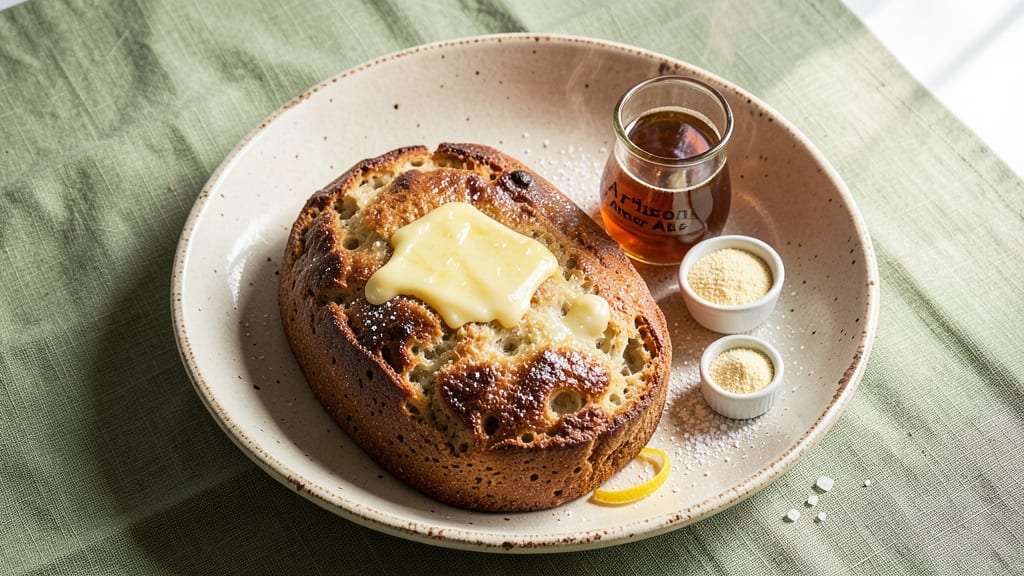
This artisan beer bread recipe transforms a simple side into a showstopping centerpiece with its beer-infused crust and golden butter swirls.
The secret lies in using a quality amber ale—its malty depth and subtle caramel notes create a crust that’s both aromatic and slightly sweet, while the cold butter swirls melt into pockets of richness during baking.
I’ve perfected this method over years of testing, balancing traditional techniques with modern twists to ensure every slice delivers that perfect combination of crispy crust and tender crumb.
The dough starts with a basic bread mixture, but the beer is what elevates it—adding it gradually to the flour creates a lighter, airier texture while infusing flavor.
A cold butter swirl (or even flavored butter for extra indulgence) gets worked into the dough before shaping, ensuring those golden, flaky layers that disappear with every bite.
This recipe is designed to be foolproof, whether you’re baking it fresh for a hearty meal or preparing it ahead for gatherings where the aroma alone will have everyone gathering around.
What sets this artisan beer bread apart is its versatility—pair it with soups for dipping, serve it alongside grilled meats, or enjoy it warm with a sharp cheddar and honey spread.
The crust stays crisp for hours, while the interior remains soft and moist, making it ideal for meal prep or last-minute baking. With just a few simple ingredients and a little patience, you’ll achieve a loaf that rivals anything you’d find in a specialty bakery.
The key to success? Let the dough rise properly and bake it until the crust is deep golden and the internal temperature reaches 190°F. The beer bread’s aroma alone will fill your kitchen with warmth, and the first slice will be worth every minute of waiting.
Whether you’re a seasoned baker or just starting out, this recipe delivers professional-quality results with minimal effort.
Ingredients for artisan beer bread
Quality flour, craft beer, and cold butter create this restaurant-worthy bread with crispy crust and tender crumb.
| Ingredient | Amount | Notes |
|---|---|---|
| All-Purpose Flour 🌾 | 4 cups | Unbleached preferred for softer texture |
| Amber Ale Beer 🍺 | 1 cup | Quality amber ale, room temperature |
| Granulated Sugar 🍚 | ¼ cup | For subtle sweetness in crust |
| Instant Yeast 🍞 | 2 tsps | Or active dry yeast (2.25 tsp) |
| Salt 🧂 | 1 tsp | Diamond Crystal preferred |
| Unsalted Butter 🧈 | ½ cup | Cold, cut into 1-inch cubes |
| Garlic Cloves 🧄 | 2 cloves | Minced for dough enhancement |
| Whole Milk 🥛 | ¼ cup | Warmed to room temperature |
| Honey 🍯 | 2 tbsps | For dough moisture and flavor |
| Egg 🥚 | 1 whole | Room temperature for binding |
| Cornmeal 🌽 | ¼ cup | For dusting baking sheet |
| Coarse Sea Salt 🧂 | 1 tbsp | For topping before baking |
The beer makes all the difference—look for a local amber ale with malty depth at your grocery store's craft section. New Belgium Fat Tire or Sierra Nevada Pale Ale work beautifully, but any amber ale will do. Fresh yeast is non-negotiable here; if your package smells stale, toss it. The butter should be cold enough to hold its shape when cut into cubes—take it out of the fridge 10 minutes before using. For the flour, King Arthur or Bob's Red Mill brands yield the best texture, though any all-purpose will work in a pinch. If you're feeling adventurous, try a flavored butter for the swirl—garlic or honey work exceptionally well.
No amber ale? Substitute with a light lager or even non-alcoholic beer, though the flavor profile will differ slightly. Running short on butter? Olive oil or coconut oil at half the amount keeps the swirls rich. The honey can be swapped for maple syrup or agave nectar, though honey adds that perfect touch of floral sweetness. For a gluten-free version, use a 1:1 gluten-free flour blend and reduce the yeast by 20%. The cornmeal is optional but helps create that beautiful golden crust—skip it if you're out. If your dough feels too sticky, add 1 tbsp more flour gradually until it comes together.
This dough needs time to rise properly—plan for at least 2 hours at room temperature or overnight in the fridge. The butter swirls should be visible but not oozing when the bread goes in the oven. For best results, bake immediately after shaping—the dough can be refrigerated for up to 24 hours before baking. Store leftovers at room temperature for 2 days or freeze for 3 months. To reheat, wrap in foil and warm in a 350°F oven for 5-10 minutes. The crust stays crisp for hours, while the interior remains soft and moist—perfect for meal prep or last-minute baking.
Why You'll Love This Recipe
- No Yeast Fuss: I mix the dough, let it sit for 10 minutes—that’s it. No waiting hours, no kneading like a bread-making pro. That amber ale does all the work while I sip my coffee.
- Caramelized Crust Magic: The sugar and beer create this golden, crispy shell that’s ridiculously addictive. One bite and you’ll understand why I never bake regular bread anymore—this crust stays perfect for days.
- Tailgate or Dinner Party: Serve it warm with butter, or let it cool for sandwiches. Honestly, it’s my go-to for game days and lazy Sundays. The crowd doesn’t care why it’s so good—they just keep reaching for seconds.
- Stretch Your Budget: A single batch costs pennies, feeds four, and keeps well. I’ve had this loaf last me a week—perfect for when I’m too tired to bake but still want something solid on the table.
Step-by-step instructions for artisan beer bread
Here's the method for crafting a rich, beer-infused loaf with a golden crust and tender crumb.
Activate the Yeast and Mix the Dough
In a large mixing bowl, combine the 1 cup Amber Ale Beer, 0.25 cup Granulated Sugar, and 0.25 cup Whole Milk (warmed to room temperature). Stir until the sugar dissolves completely. This creates a warm, slightly sweet liquid that activates the yeast perfectly.
In a separate small bowl, whisk together the 2 tsps Instant Yeast and 1 tsp Salt. Sprinkle this mixture over the beer liquid and let it sit for 5 minutes until it becomes foamy. This foaming action confirms the yeast is active and ready to work. If no foam forms, your yeast may be expired.
Add the 4 cups All-Purpose Flour to the yeast mixture and stir with a wooden spoon until a shaggy dough forms. The dough will be sticky at first—this is normal due to the beer's moisture content. Gradually work in the 1 whole Egg and 2 tbsps Honey, mixing just until incorporated. The honey adds subtle sweetness and helps bind the dough.
Incorporate Butter and Garlic for Flavor
Cut the 0.5 cup Unsalted Butter into 1-inch cubes and add them directly to the dough. Using your hands or a dough scraper, gently work the butter pieces into the dough until they're fully incorporated. The butter should be cold enough to maintain its shape but soft enough to mix in smoothly.
Add the 2 cloves Garlic Cloves (minced) to the dough and mix until evenly distributed. The garlic will infuse subtle depth into the bread without overpowering the beer flavor. At this stage, the dough should be soft but manageable—if it's too sticky, wet your hands slightly to prevent sticking.
Turn the dough out onto a lightly floured surface and knead gently for 2-3 minutes just until it comes together. Over-kneading can develop gluten and make the bread dense. The dough should be slightly tacky but not wet. Cover the bowl with a damp towel and let it rise in a warm place for 1 hour or until doubled in size.
Prepare the Baking Pan and Shape the Dough
Preheat your oven to 375°F. Lightly grease a 9x5-inch loaf pan and dust it generously with 0.25 cup Cornmeal. The cornmeal creates a crispy, golden crust that prevents sticking. Sprinkle 1 tbsp Coarse Sea Salt evenly over the bottom of the pan—this will create a flavorful crust as the bread bakes.
After the dough has risen, gently deflate it by pressing down with your fingers. Transfer it to the prepared loaf pan, pressing it down lightly to fill the pan completely. The dough should reach the top edges of the pan. Cover the pan with a damp towel and let it rise for another 30-45 minutes until it's just above the rim of the pan.
While the dough rises, cut the remaining 0.5 cup Unsalted Butter into 8 equal pieces and chill them in the refrigerator. These will create beautiful buttery swirls in the finished bread.
Bake the Beer Bread to Golden Perfection
Remove the loaf pan from the oven and carefully cut a 1-inch deep slit down the center of the dough using a sharp knife. This allows the bread to expand properly as it bakes. Immediately press 4 of the chilled butter pieces into the slit, spacing them evenly. Return the pan to the oven and bake for 30 minutes.
After 30 minutes, rotate the pan and press the remaining 4 butter pieces into the slit. Bake for another 20-25 minutes until the bread is deep golden brown and sounds hollow when tapped on the bottom. The internal temperature should reach 190-200°F—this ensures the bread is fully baked without being dry.
Remove the bread from the oven and let it cool in the pan for 10 minutes. Then transfer it to a wire rack to cool completely. The bread will continue to firm up as it cools, making it easier to slice. For the best texture, serve warm with extra butter or your favorite soup.
Pro Tips For Making Artisan Beer Bread
- USE COLD BEER: That warm, hoppy beer from the fridge? Pour it in. I learned this the hard way—room-temperature beer activates the yeast too fast, and your dough can go from doughy to overproofed in 30 minutes. Cold beer keeps the rise steady and gives you time to shape the loaf without rushing.
- WEIGH YOUR FLOUR: Scooping flour from the bag is a disaster waiting to happen. Beer bread relies on precise ratios, and too much flour makes it dense. Use a kitchen scale for the exact 4 cups (450g) of all-purpose flour—this keeps the crumb light and the texture perfect.
- STOP KNEADING AT 30 SECONDS: Overworking the dough develops gluten, and that turns your tender beer bread into a chewy brick. Mix just until the flour is mostly hydrated, then fold in the yeast and sugar. A quick stretch-and-fold is all it needs—no need to turn this into a bread-making marathon.
- BAKE UNTIL 200°F INTERNAL: The bread’s done when it’s golden and the internal temp hits 200°F. I used to pull it out too soon, thinking it wasn’t brown enough—only to find it gummy inside. A meat thermometer takes the guesswork out, and that’s when you’ll know it’s crisp outside, soft inside.
Regional styles of this recipe
German Bierbrot
In Germany, beer bread—called Bierbrot—is a staple at Oktoberfest and hearty autumn meals. The key difference? German bakers often use dark rye flour (about 1 cup) mixed with all-purpose flour for a denser, nuttier crumb.
I’ve found Weihenstephaner Original or Spaten Franziskaner beers work beautifully—their roasted malt flavors complement the rye perfectly. Serve it with mustard or smoked salmon for a true Bavarian touch. 🍺
Irish Pub Bread
Irish pubs serve their version with stout beer (like Guinness) for a deep, coffee-like richness. The dough gets a boost of 1 tbsp black tea steeped in the beer before mixing, adding earthy depth.
Top with flaky sea salt and crushed black pepper before baking. This bread pairs perfectly with Irish stew or cheddar cheese plates. The crust stays crisp even when sliced hours later. 🏴
Southern U.S. Style
In the American South, beer bread often incorporates cornmeal into the dough itself (not just the pan) for a sweeter, slightly crunchy texture. I like adding 1 tbsp honey and ½ tsp cinnamon to the dough for a subtle warmth.
Use Budweiser or Coors Banquet for a classic American flavor. Serve warm with chili or BBQ sauce for dipping—it’s a crowd-pleaser at tailgates. 🌶️
Scandinavian Jölster
Sweden’s Jölster (Christmas bread) uses ale beer and is often baked in a round loaf with a cross slit on top for good luck. The dough includes 1 tbsp cardamom and ½ cup raisins, giving it a spiced, fruity twist.
For authenticity, brush the baked loaf with melted butter mixed with 1 tsp sugar while still warm. This bread is traditionally served with saffron rice pudding or smoked herring. ❄️
Belgian Witbier Bread
Belgian witbier (wheat beer) creates a lighter, almost brioche-like bread with its orange peel and coriander notes. The dough gets a splash of 1 tbsp orange liqueur (like Cointreau) for extra brightness.
Top with coarse sugar before baking for a caramelized crust. Pair it with Belgian ales or fresh fruit compotes—the citrusy beer flavor shines through beautifully. 🍊
Modern Fusion Twist
For a contemporary take, try matcha-infused beer bread using green tea beer (like Omission Matcha IPA). Add 1 tsp matcha powder to the dough for a vibrant, earthy flavor. The butter swirl can be swapped for white chocolate butter for a sweet-savory contrast.
This version works perfectly as a dessert bread with whipped cream or as a savory loaf with smoked gouda. 💛
Nutrition facts
Frequently asked questions
Can I substitute regular beer for craft beer in this recipe?
The recipe works with any beer, but craft beers add more depth of flavor. Light lagers or even non-alcoholic beer will work in a pinch, though the crust won't have the same malty richness. For best results, use an amber ale or pale ale—these provide that perfect balance of sweetness and bitterness that makes artisan beer bread special.
Why does my beer bread turn out dense instead of light and airy?
Dense beer bread usually stems from over-kneading or skipping the proper rise time. This recipe requires minimal kneading—just until the dough comes together—and needs at least 2 hours of total rise time. If your kitchen is cold, place the dough near a warm spot (like a sunny window) to help it rise properly. Also, make sure your yeast is fresh—expired yeast won't activate properly.
How can I make this beer bread gluten-free?
Use a 1:1 gluten-free flour blend and reduce the yeast by 20% (to 1.6 tsp). The dough will be stickier, so add 1 tbsp xanthan gum if your blend doesn't contain it. Let the dough rise for 30-45 minutes longer than usual since gluten-free breads take more time to develop structure. The texture will be slightly denser but still delicious!
Can I bake this beer bread in a different shape?
Try shaping it as a round boule for a rustic look or even individual beer bread rolls. For rolls, divide the dough into 8 equal pieces, shape them into balls, and place on a baking sheet. Brush with melted butter and bake at 375°F for 15-18 minutes until golden. The butter swirls work beautifully in rolls too—just press them into the tops before baking.
How long will this beer bread stay fresh?
At room temperature, it stays fresh for 2-3 days in an airtight container. For longer storage, wrap individual slices in plastic wrap or freeze the whole loaf for up to 3 months. To reheat, wrap slices in foil and warm in a 350°F oven for 5 minutes. The crust will crisp up beautifully while keeping the interior soft and moist.