
Side Dishes
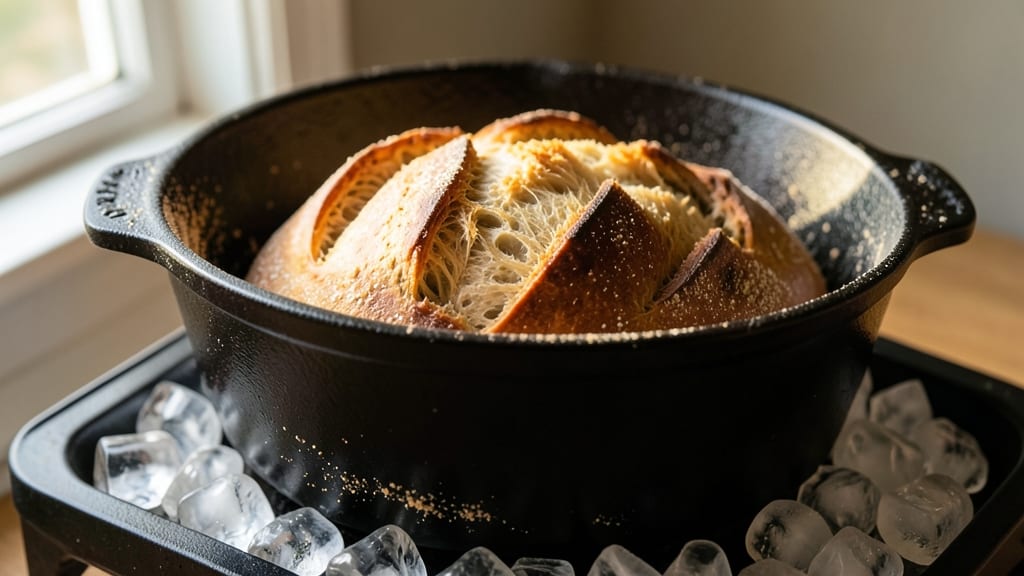
This artisan bread recipe delivers the crusty gold crunch and open-air crumb Reddit bakers obsess over—no fancy equipment required. The secret lies in precise hydration, proper kneading, and high-heat baking with steam, all techniques I’ve perfected after years of trial and error.
What makes this recipe stand out is its adaptability: whether you’re using commercial yeast or a sourdough starter, this method ensures professional results in your home oven.
The foundation is simple: high-protein flour, yeast, salt, and water, mixed in the right proportions to create a dough that develops gluten beautifully. I’ve included troubleshooting tips for common pitfalls like dense texture or underproofed dough, so even beginners can achieve that signature crusty exterior and airy interior.
The shaping and scoring techniques are where the magic happens—sharp angles and confident cuts release steam during baking, creating that coveted open crumb structure.
By the time you pull this loaf from the oven, you’ll have a golden, shatteringly crisp crust with a soft, airy interior that’s impossible to resist.
The aroma alone will transform your kitchen into a bakery, and the texture—crunchy on the outside, tender on the inside—is exactly what makes artisan bread worth the effort. This recipe is designed to work in standard home ovens, with adjustments for steam that make all the difference.
Whether you’re baking for a weekend breakfast or gifting a loaf to neighbors, this method delivers restaurant-quality results with minimal fuss. The beauty of artisan bread is in its simplicity—just five core ingredients, patience, and attention to detail. Let’s get started on your first perfect loaf.
Ingredients for artisan bread recipe reddit
Five core ingredients transform your kitchen into a bakery with restaurant-quality artisan bread.
| Ingredient | Amount | Notes |
|---|---|---|
| High-Protein Bread Flour 🌾 | 4 cups | 12-14% protein for structure |
| Active Dry Yeast 🍞 | ¼ oz | Or 2.25 tsp, fresh if available |
| Diamond Crystal Kosher Salt 🧂 | 1 ½ tsp | Fine grain preferred |
| Cold Water 💧 | 1 ½ cups | Chilled to 50°F for control |
| Olive Oil 🫒 | 1 tbsp | Extra-virgin for flavor |
| Ice Cubes ❄️ | ½ cup | For dough temperature control |
| Cornmeal 🌽 | ¼ cup | For dusting work surface |
| Instant Pot or Dutch Oven 🍲 | 1 whole | For steam baking method |
| Steam Generator ☁️ | 1 whole | Or metal bowl with hot water |
| Lame or Sharp Knife ✂️ | 1 whole | For scoring crust |
The flour is non-negotiable—King Arthur or Caputo bread flour have the protein levels (12-14%) for that signature open crumb. Bulk bins at Whole Foods or King Arthur's website are my go-tos for consistent results. Yeast quality matters too: Saf-Instant works in a pinch, but fresh yeast from local bakeries gives that extra lift. The water temperature is critical—too warm and your dough overproofs before baking. Use chilled water and those ice cubes to keep everything in check. Pro tip: if your kitchen runs warm, chill your mixing bowl too.
No instant pot? A Dutch oven with a metal bowl of boiling water creates the same steam effect. Short on olive oil? Avocado oil or melted coconut oil work just as well—just avoid anything with strong flavors. The cornmeal is purely functional, but if you're feeling fancy, semolina or rice flour adds extra crunch to the crust. Scoring tools? A sharp razor blade or pizza wheel from Sur La Table makes clean cuts, but a butter knife in a pinch works too. The key is confidence—sharp angles release steam for that open crumb structure. And if your dough feels too sticky? Add flour 1 tbsp at a time—we're aiming for tacky, not gluey.
This dough keeps 24 hours in the fridge, covered tightly. For longer storage, freeze shaped loaves 3 months—thaw at room temp before baking. The steam generator (or your metal bowl) should be removed after 15 minutes of baking to develop that crisp crust. Freshly baked? Brush with melted butter while still warm for that bakery aroma. And if your first loaf turns out dense? Underproofed dough is the usual culprit—next time, let it rise until it's 50% larger before shaping.
Why You'll Love This Recipe
- I’ll be real: this bread starts with five ingredients and zero fuss. Just mix, wait, and bake—no standing at the counter for 20 minutes like my old sourdough attempts.
- No-Knead, No-Fuss Magic: I’ll be real: this bread starts with five ingredients and zero fuss. Just mix, wait, and bake—no standing at the counter for 20 minutes like my old sourdough attempts.
- Crust That Cracks: That high-protein flour and kosher salt combo? It delivers a shatteringly crisp crust with a chewy center that’s ridiculously satisfying. Honestly, I reach for this over store-bought every time.
- Meal Prep MVP: Bake two loaves on Sunday, and you’ve got breakfast (toast), lunch (sandwiches), and snacks covered. It reheats beautifully—just pop slices in the oven for 3 minutes if they’re stale.
Step-by-step instructions for artisan bread with crispy crust and open crumb
This method delivers bakery-quality bread with a crackling golden crust and airy interior using simple tools.
Mix and Autolyse the Dough for Optimal Development
In a large mixing bowl, combine the 4 cups high-protein bread flour and 1.5 cups cold water (chilled to 50°F). Use your hands or a dough whisk to mix until no dry flour remains—this forms a shaggy dough called an autolyse. The high-protein flour gives structure while the cold water prevents premature yeast activation.
Cover the bowl with a damp kitchen towel and let rest for 30 minutes. This initial hydration period allows gluten to begin developing before we add yeast and salt. The dough will feel slightly tacky but should pull away cleanly from the bowl sides when ready. This step is crucial for creating that signature open crumb structure we're after.
Add Yeast, Salt, and Olive Oil for Flavor and Leavening
After the autolyse, sprinkle the 0.25 oz active dry yeast and 1.5 tsp diamond crystal kosher salt over the dough. Gently dimple the dough with your fingers to distribute these ingredients evenly throughout. Then add the 1 tbsp extra-virgin olive oil and mix thoroughly by hand until fully incorporated.
The olive oil adds flavor and helps create a tender crumb, while the salt regulates yeast activity and enhances flavor. Knead the dough for 8-10 minutes by hand (or 5 minutes with a stand mixer on medium speed) until it becomes smooth and elastic. You'll know it's ready when it springs back slowly when poked and leaves a clean window on your work surface.
Bulk Ferment with Controlled Temperature for Maximum Flavor
Shape the dough into a loose round and place it in a lightly oiled bowl. Cover with the damp towel again and let ferment at room temperature (70-72°F) for 1.5-2 hours. During this time, the dough will rise noticeably—about 50-75% of its original volume. This bulk fermentation develops flavor and strengthens the gluten structure.
I like to do a couple of fold-and-turns during this stage for better gluten development. After 30 minutes and again after 1 hour, wet your hands and gently stretch the dough's surface, then fold it over itself. This technique creates surface tension that prevents tearing during shaping later. The dough should feel slightly puffy and have a slight spring when pressed gently.
Cold Proof for Enhanced Flavor and Texture
After the bulk fermentation, transfer the dough to the refrigerator and cold proof for 12-16 hours. This slow fermentation creates complex flavors and improves the crumb structure. The cold temperature also allows for better control during shaping and baking.
To prepare for shaping, remove the dough from the refrigerator and let it sit at room temperature for 30-45 minutes until pliable. The cold proofing makes the dough easier to handle and results in that beautiful open crumb we're after. This step is where much of the bread's character develops, so don't skip it—patience pays off with superior flavor and texture.
Shape and Prepare for Steam Baking
Lightly dust your work surface with 0.25 cup cornmeal and shape the dough into a round loaf (boule) or oval (batard). For the boule, gather the dough into the center and shape by stretching and tucking the sides underneath. The goal is to create surface tension that will hold the shape during baking.
Place the shaped loaf seam-side down on a piece of parchment paper. Cover with a damp towel and let rest for 30 minutes at room temperature. Meanwhile, preheat your Instant Pot or Dutch Oven to 450°F with the steam generator containing 0.5 cup ice cubes (or a metal bowl with hot water). This steam is crucial for creating that crackling crust and open crumb we're after.
Score and Bake for Perfect Crust and Crumb
Using the lame or sharp knife, score the top of the dough with a ½-inch deep cut. This allows the bread to expand during baking and creates that beautiful ear-like crust. Immediately place the scored loaf into the hot Dutch oven or Instant Pot (with lid off) and bake for 20 minutes with the lid on to trap steam.
After 20 minutes, remove the lid and continue baking for another 15-20 minutes until the bread reaches an internal temperature of 205-210°F and has a deep golden brown color. You'll hear a satisfying crack as the crust sets. The bread should sound hollow when tapped on the bottom. Let it cool on a wire rack for at least 1 hour before slicing—this allows the crumb to set properly and prevents a gummy texture.
Pro Tips For Making Artisan Bread Recipe Reddit
- WEIGH YOUR FLOUR: I learned this the hard way—using cups with bread flour leads to inconsistent results. High-protein flour packs differently, so weigh it out (usually 500g for a standard loaf) for a predictable dough. That extra 10 seconds at the start saves headaches later.
- SKIP THE WARM WATER: Cold water is your friend here—yeast activates slower but gives you more control over fermentation. Toss that yeast in 75°F water and you’ll end up with a dough that rises too fast, then collapses. Stick with ice water and let the yeast wake up gradually.
- STRETCH AND FOLD LIKE YOU MEAN IT: This isn’t a gentle pat-down. After the first hour of bulk fermentation, dig in with wet hands and pull the dough apart hard—then fold it back on itself. Repeat every 30 minutes for 2 hours. It’s exhausting, but it builds gluten like nothing else. (Yes, even if you’re impatient like me.)
- USE LESS OIL, MORE STEAM: That olive oil in the dough is for flavor, not grease. Brush just enough on the scored loaf to help the crust form—about 1 teaspoon. Then, crank your oven to 475°F with a Dutch oven inside for 30 minutes to trap steam. The bread will rise like a dream, not like a sad, flat pancake.
Perfect pairings for these flavors
Butter and Jam
Nothing beats the classic combination of freshly baked artisan bread with unsalted European-style butter like Plugrá or Kerrygold. I like to soften the butter slightly and spread it generously on warm slices—about 1 tbsp per slice.
For a sweet touch, add a layer of local strawberry jam or fig preserves from Bon Appétit. The contrast between the crisp crust and creamy butter creates an irresistible texture. 🍓
Olive Oil and Herbs
Drizzle warm bread with extra-virgin olive oil (I prefer California Gold) and sprinkle with fresh rosemary or thyme for a Mediterranean-inspired twist. Heat the oil slightly to enhance its aroma, then drizzle 1 tbsp per loaf.
The oil’s peppery notes complement the bread’s crust beautifully. Add a pinch of flaky sea salt for extra depth.
Cheese and Charcuterie
Transform your bread into a charcuterie centerpiece by pairing it with aged cheddar (like Point Reyes), brie, and prosciutto. I slice the bread into thick pieces and layer with 1 oz cheese per slice and 2 oz prosciutto.
The crust’s crunch contrasts perfectly with the creamy cheese and salty meat. Add cornichons or pickled onions for acidity.
Avocado Toast
Mash ½ ripe avocado with a pinch of salt, black pepper, and lime juice, then spread it on toasted bread slices. Top with crumbled feta or poached eggs for a brunch-worthy upgrade.
The bread’s open crumb soaks up the creamy avocado beautifully. For extra flair, add sliced radishes or microgreens.
Soup Pairings
Artisan bread is perfect for dipping into tomato basil soup or French onion soup. I like to tear the bread into chunks and use it to scoop up the broth.
For a heartier option, pair with lentil stew or minestrone—the crust’s texture contrasts wonderfully with the chunky soup. Warm the bread slightly before serving to enhance its flavor.
Breakfast Spreads
For breakfast, spread warm bread with ricotta cheese mixed with honey and walnuts, or cream cheese with smoked salmon and capers. The bread’s structure holds up beautifully to these spreads.
Add a sprinkle of everything bagel seasoning for extra crunch and flavor. A drizzle of maple syrup completes the dish. 🥞
Nutrition facts
Frequently asked questions
Can I substitute bread flour with all-purpose flour?
You can try, but expect a denser crumb and less structure. Bread flour's 12-14% protein creates that signature open crumb, while all-purpose (10-11% protein) lacks the gluten strength. For best results, use King Arthur or Caputo bread flour—they're worth the investment for that bakery-quality texture.
Why did my dough collapse after shaping?
This usually means your dough was either overproofed or too cold. Check for these signs: dough that springs back immediately when poked (overproofed) or feels stiff and resists shaping (too cold). For next time, do the "poke test"—if the dough leaves a deep indentation that doesn't spring back, it's ready to bake.
How do I know when the bread is fully baked?
Look for three cues: deep golden brown color, internal temp of 205-210°F, and a hollow sound when tapped on the bottom. The crust should be hard enough to resist gentle pressure. If unsure, bake 5 more minutes—underbaked bread continues cooking as it cools.
Can I make this recipe without a Dutch oven?
Use a cast iron skillet or baking stone with a metal bowl of boiling water for steam. Place the bowl on the oven rack below the bread—this mimics the steam effect. For extra crust development, spray the bread with water right before baking to create your own steam.
What's the best way to revive stale artisan bread?
Preheat your oven to 350°F, wrap the bread in foil, and bake for 5-10 minutes until warmed through. For extra crispiness, place it on a baking sheet and toast for 2-3 minutes after removing the foil. The steam from the foil keeps the interior moist while the direct heat reactivates the crust.