
Side Dishes
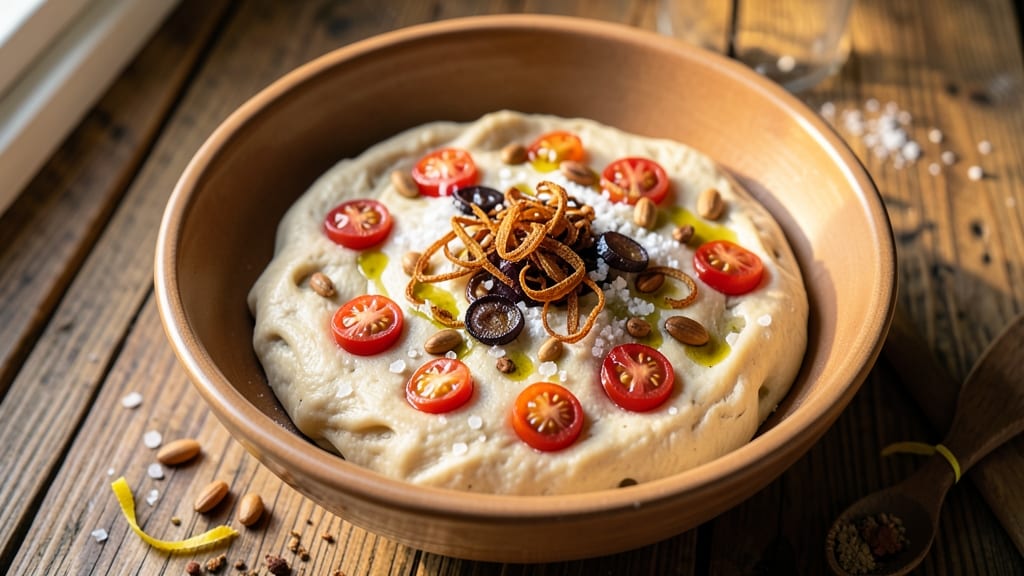
This artisan bread recipe with inclusions transforms simple dough into a golden-crusted masterpiece with swirled cheese and herbs baked right into the crust. The secret lies in precise dough handling—hydrated just enough for an open crumb while maintaining structure to hold those flavorful inclusions.
I’ve perfected this method after years of baking, ensuring every slice delivers crispy edges, a tender crumb, and pockets of melted cheese that make it impossible to stop at one.
The process begins with a high-hydration dough that develops gluten gradually during an overnight cold proof, creating that signature artisan texture. Inclusions like sharp cheddar, sun-dried tomatoes, and fresh rosemary get folded into the dough before shaping, then swirled into the crust just before baking.
Generating steam in the oven is critical—it creates that coveted oven spring and crisp exterior, while scoring the loaf ensures even baking and a satisfying crack.
What you’ll end up with is a restaurant-quality loaf that’s perfect for charcuterie boards, sandwiches, or simply enjoying with butter. The cheese inclusions add a salty, tangy contrast to the bread’s natural sweetness, while the herbs bring freshness that keeps every bite interesting.
This recipe is designed for confidence—even if you’ve never baked artisan bread before, the step-by-step method ensures success every time.
Once baked, the bread should have a deep caramelized crust with visible swirls of cheese peeking through. Let it cool completely before slicing—this prevents a gummy crumb. Store wrapped at room temperature for up to 3 days, or freeze for longer storage.
The possibilities for inclusions are endless: try olives and garlic, nuts and honey, or even dried fruit for a sweet twist. Let’s get started on your first loaf!
Ingredients for artisan bread recipe with inclusions
High-hydration dough meets flavorful inclusions for a restaurant-quality artisan loaf with crisp crust and tender crumb.
| Ingredient | Amount | Notes |
|---|---|---|
| All-Purpose Flour 🌾 | 5 cups | High-protein preferred for structure |
| Active Dry Yeast 🍞 | ¼ oz | Or 2.25 tsp, fresh preferred |
| Granulated Sugar 🍬 | ½ tsp | Feeds yeast for activation |
| Salt 🧂 | 2 tsp | Diamond Crystal preferred |
| Water 💧 | 2 ½ cups | Room temperature, 70°F |
| Extra-Virgin Olive Oil 🫒 | 1 ½ tbsp | For dough hydration |
| Sharp White Cheddar Cheese 🧀 | ½ cup | Shredded, aged 6+ months |
| Sun-Dried Tomatoes 🍅 | ¼ cup | Oil-packed, finely chopped |
| Fresh Rosemary 🌿 | ¼ cup | Finely chopped, stems removed |
| Cornmeal 🌽 | ½ cup | For dusting work surface |
| Egg Wash 🥚 | 1 whole | Beaten with 1 tbsp water |
| Coarse Sea Salt 🧂 | 1 tbsp | For final crust scoring |
| Ice Cubes ❄️ | 1 cup | For ice bath, optional |
The flour is non-negotiable here—King Arthur or Caputo Tipo 00 deliver that signature open crumb and chewy texture. King Arthur has slightly higher protein for better gluten development, while Caputo gives a more traditional Italian texture. If you're using all-purpose, Bob's Red Mill works but expect slightly less oven spring. The yeast should be fresh or recently purchased—test it by dissolving in warm water with sugar; if it foams within 5 minutes, it's active. For the inclusions, sharp white cheddar melts beautifully without overpowering the bread's natural sweetness. Oregon Tilth sun-dried tomatoes add concentrated umami flavor, while fresh rosemary from Whole Foods or your local farmers market brings bright, herbal notes that elevate every bite.
No sharp cheddar? Gruyère or aged Gouda work beautifully—just shred it yourself for maximum flavor. Sun-dried tomatoes too pricey? Dried cherries or apricots add sweetness, while roasted red peppers bring smoky depth. Fresh rosemary unavailable? Dried rosemary at half the amount suffices, though fresh is ideal. The olive oil matters—California avocado or Colavita brands offer that fruity richness. For a gluten-free adaptation, King Arthur GF flour blend works but requires adjusting hydration by 10%. The egg wash can be replaced with oat milk + 1 tbsp olive oil for a vegan version, though texture will differ slightly.
This dough requires patience—overnight cold proof in the fridge develops flavor and improves texture. Store shaped loaves in parchment-lined containers for up to 3 days at room temperature, or freeze for 3 months. For reheating, wrap cooled loaves in foil and warm at 350°F for 10 minutes. The inclusions remain freshest when stored this way, and the crust stays crisp. Never slice warm bread—wait at least 2 hours for proper setting. Leftover slices toast beautifully, making this the perfect make-ahead recipe for busy mornings.
Why You'll Love This Recipe
- No-Knead Magic: I’ll be real—this dough barely needs a stir. Mix, let it rise overnight (or even just 2 hours if you’re in a rush), then fold in whatever you’re craving—cheese, nuts, dried fruit—while it’s still soft. That’s it. No stand mixer, no stress.
- Crusty Yet Approachable: The sugar in the dough caramelizes just enough to give you that golden, crackly crust without needing a wood-fired oven. Honestly, it’s the kind of bread that makes you feel fancy while still being forgiving if you forget to preheat.
- Inclusions on Demand: Between us, this is the only bread recipe where you can swap in whatever’s in your pantry. Need to use up those walnuts? Toss them in. Leftover cranberries from Thanksgiving? They’ll work. It’s the ultimate “use what you’ve got” loaf.
- Budget-Friendly Staple: All-purpose flour and yeast are cheap, and this dough stretches to feed a crowd—think picnic baskets, lunchboxes, or sandwiches for days. I’ve made three loaves at once with just a little extra water, and they’ve lasted my family a week. Zero waste, all flavor.
Step-by-step instructions for artisan bread with inclusions
Mastering this bread requires patience and precision—each step builds the signature swirled crust and tender interior.
Activate the Yeast for Maximum Rise
In a large bowl, combine the 2.5 cups water at 70°F, the 0.25 oz active dry yeast, and 0.5 tsp granulated sugar. Let sit for 5-10 minutes until the mixture becomes frothy and bubbles vigorously. This confirms the yeast is active and ready to leaven the dough properly.
I always use room-temperature water because cold water slows yeast activation, while water above 80°F can kill it. Stir gently to avoid creating too many bubbles—we want a smooth, even activation. If the mixture doesn't bubble after 10 minutes, your yeast may be old, and you should start fresh.
Develop the Dough with Proper Kneading Technique
Add the 5 cups all-purpose flour and 2 tsp salt to the yeast mixture. Using a wooden spoon, stir until a shaggy dough forms, then turn it out onto a lightly floured surface. Knead for 8-10 minutes by pressing down, folding, and turning the dough, always rotating it 90 degrees with each fold.
The dough should become smooth and elastic, with a slight resistance when pressed. I press my finger into the dough—if it springs back slowly, it's ready. If it sticks to your hands or feels gummy, add 1 tablespoon flour at a time until it releases cleanly. This kneading step builds gluten, which gives the bread its signature structure and chew.
Incorporate the Inclusions and Shape the Loaf
Transfer the dough back to the bowl and let it rest for 5 minutes to relax. Meanwhile, mix the 0.5 cup shredded sharp white cheddar cheese, 0.25 cup finely chopped sun-dried tomatoes, and 0.25 cup chopped fresh rosemary in a small bowl. Gently fold these inclusions into the dough using a dough scraper, being careful not to overwork it.
Shape the dough into a 12-inch log by rolling it tightly from one end to the other. To create the swirl, make a 1-inch deep cut along the length of the dough, then twist the two halves in opposite directions before sealing the cut. This technique ensures the inclusions are evenly distributed throughout the loaf and creates the signature visual appeal.
Proof and Prepare for Baking
Place the shaped dough on a parchment-lined baking sheet and cover loosely with a damp towel. Let it proof at 75°F for 1-2 hours, or until it has nearly doubled in size. The dough should feel light and springy when pressed gently—this indicates it's ready for the oven.
While the dough proofs, preheat your oven to 425°F with a baking stone or inverted baking sheet on the middle rack. This high heat is crucial for achieving that crisp, golden crust. Brush the loaf with the egg wash (1 whole egg beaten with 1 tbsp water) and sprinkle evenly with 1 tbsp coarse sea salt for extra flavor and texture.
Bake for a Crisp Exterior and Tender Crumb
Bake the bread for 25-30 minutes until the crust is deep golden brown and sounds hollow when tapped on the bottom. The internal temperature should reach 190-200°F at the center. For extra crispiness, I like to place a bowl of 1 cup ice cubes in the oven during the last 5 minutes of baking—this creates steam that enhances the oven spring and keeps the crumb tender.
Remove the bread from the oven and let it cool on a wire rack for at least 30 minutes before slicing. This resting period allows the gluten to relax and the moisture to redistribute, resulting in a cleaner slice and better texture. Serve warm with your favorite butter or olive oil for the ultimate artisan experience.
Pro Tips For Making Artisan Bread Recipe With Inclusions
- WEIGH YOUR FLOUR: I learned this the hard way—measuring flour by scooping from the bag adds too much air, and your dough will end up dry or gummy. Use a kitchen scale for precision: 500 grams of all-purpose flour is your target, packed lightly but not compressed. (Yes, even if you’re impatient like me.)
- STEAM THE OVEN FIRST: Skip the cold start. Preheat your oven to 475°F (245°C) with a baking sheet on the lower rack, then add 1 cup of boiling water to the sheet. The steam helps inclusions like seeds or nuts crisp up instead of burning—especially important for this recipe where texture matters.
- DON’T OVER-KNEAD: After about 8–10 minutes of kneading by hand (or 4–5 minutes in a stand mixer with a dough hook), your dough should spring back slowly when poked. Overworking it develops too much gluten, and your bread will turn out dense. Stop when it’s just shy of resistance—your inclusions need room to shine, not fight for space.
- COOL INCLUDED BREAD PROPERLY: Resist the urge to slice it immediately. Let the bread cool on a wire rack for at least 30 minutes—longer if it’s packed with seeds or nuts. Cutting too soon mashes inclusions into the crumb, making them soggy instead of adding texture. (Your future self will thank you.)
Creative variations of this artisan bread recipe with inclusions
Cheesy Herb Variations
Swap the sharp white cheddar for aged Gruyère or Parmigiano-Reggiano for a nutty, complex flavor. I’ve also had great success with smoked Gouda—it adds a subtle smokiness that pairs beautifully with the rosemary.
For a vegetarian twist, try feta cheese mixed with chopped kalamata olives and oregano for a Mediterranean-inspired loaf. 🧀
Sweet Inclusion Twists
Craving something sweet? Replace the sun-dried tomatoes with chopped dried apricots or candied pecans, then fold in cinnamon and vanilla extract into the dough. I love adding honey-glazed walnuts for crunch and a touch of sweetness that balances the savory crust.
For a festive touch, sprinkle crushed pineapple and toasted coconut flakes on top before baking. 🍯
Spicy Kick Options
Add heat with crumbled chorizo or diced jalapeños mixed into the dough. I’ve also used Calabrian chili paste (about 1 tbsp) folded into the inclusions for a smoky, spicy depth.
For a milder kick, try crushed red pepper flakes sprinkled on the egg wash before baking. These variations work especially well with cheddar or Gruyère. 🌶️
Nutty Seed Swaps
Replace the sun-dried tomatoes with toasted pumpkin seeds or sesame seeds for a nutty crunch. I’ve also had success with hemp seeds, which add a subtle earthy flavor and extra protein.
For a savory-sweet combo, mix chopped almonds with dried cranberries and cinnamon into the dough. These inclusions add texture while keeping the bread light and airy. 🌰
Global-Inspired Twists
For a French-inspired loaf, fold in finely chopped black olives and fresh thyme with Comté cheese. A Middle Eastern variation uses za’atar and crumbled feta mixed with chopped pistachios.
I’ve even made a Japanese-inspired version with shredded mozzarella, sesame seeds, and furikake seasoning for a unique twist. 🌍
Gluten-Free Adaptations
Use a 1:1 gluten-free flour blend like King Arthur GF Measure for Measure and reduce water by 10%. Replace the inclusions with shredded mozzarella (melts better) and chopped sun-dried tomatoes.
I’ve also had luck with chopped apples and walnuts for a sweet version. Let the dough rest 10 minutes longer during shaping to prevent tearing. 🌾
Nutrition facts
Frequently asked questions
What makes this bread "artisan" compared to regular bread?
Artisan bread stands out through its high-hydration dough (more water than flour), longer fermentation time, and hand-shaped crust. The inclusions create visual appeal while adding texture and flavor, but the real difference is in the oven spring—that dramatic rise when it hits the oven—achieved through precise dough handling and steam generation.
Can I make this bread without a baking stone?
Use an inverted baking sheet on the middle rack instead. For extra crispiness, place a metal bowl filled with 1 cup boiling water in the oven during baking to create steam. This mimics the stone's effect and helps develop that signature artisan crust. The bread will still turn out delicious!
How do I know when the dough is properly kneaded?
The dough is ready when it passes the windowpane test: stretch a small piece between your fingers—if it forms a thin, translucent membrane without tearing, you're good! It should also feel smooth, elastic, and spring back slowly when pressed. If it sticks to your hands, add 1 tbsp flour at a time until it releases cleanly.
What if my inclusions don't stay inside the crust?
This happens when the dough is overworked or the inclusions are too large. Gently fold them in after the initial kneading, and avoid overmixing. For stubborn inclusions, try shaping the dough into a loaf pan first, then transfer to a baking sheet for the final shape. The extra confinement helps keep everything inside during baking.
Can I make this bread in a Dutch oven?
Yes! Shape the dough into a round boule or batard, place it in your Dutch oven, and bake covered for 20 minutes at 450°F, then uncovered for 15-20 minutes. The Dutch oven traps steam perfectly, creating a crisp crust and open crumb. This method works especially well for cheesy inclusions that need extra time to melt!