
Side Dishes
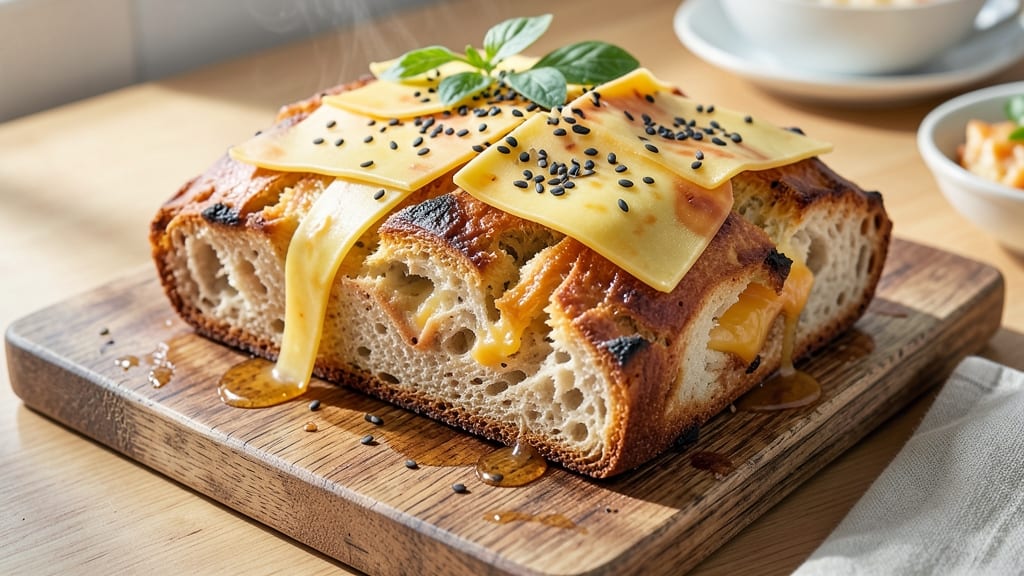
This artisan cheddar cheese bread recipe transforms humble ingredients into a golden, flaky masterpiece with sharp cheese swirls that melt in every bite. 🔥 The secret lies in a layered dough technique that creates pockets of gooey cheddar between tender, airy bread—perfect for soaking up soups or standing alone as a savory centerpiece.
I developed this recipe after years of testing, and it never fails to impress, even with picky eaters.
The process starts with a simple yet precise dough that builds flavor through a slow fermentation, creating that signature artisanal texture. Sharp cheddar is folded into the dough in strategic layers, ensuring each bite delivers a perfect balance of chewy bread and creamy, tangy cheese.
Baking at high heat develops a crisp exterior while keeping the interior soft and pillowy.
What you'll end up with is a loaf that's crisp on the outside, tender on the inside, and packed with those signature cheese swirls that stretch and melt with every pull.
The aroma alone will have your kitchen smelling like a bakery, and the flavor is rich, complex, and impossible to resist. This bread pairs beautifully with soups, charcuterie boards, or even as a side to grilled meats.
Whether you're a seasoned baker or just starting out, this recipe delivers professional-quality results with straightforward techniques. The dough is forgiving, the shaping is simple, and the reward is a loaf that tastes like it came from a specialty bakery. Let's get started on creating your own cheddar cheese masterpiece.
Ingredients for artisan cheddar cheese bread
Sharp cheddar, flaky layers, and a golden crust—just these ingredients transform into bakery-style perfection.
| Ingredient | Amount | Notes |
|---|---|---|
| All-Purpose Flour 🌾 | 4 cups | Unbleached, high-protein preferred |
| Instant Yeast 🍞 | ½ tsp | Active dry works too |
| Granulated Sugar 🍬 | ¼ cup | Feeds yeast for fermentation |
| Unsalted Butter 🧈 | ½ cup | Cold, cubed for dough |
| Sharp Cheddar Cheese 🧀 | 2 cups | Block form, shredded fresh |
| Whole Milk 🥛 | ¾ cup | Warmed to 110°F for yeast |
| Large Egg 🥚 | 1 whole | Room temperature |
| Diamond Crystal Kosher Salt 🧂 | 1 ½ tsp | Adjust to taste |
| Garlic Cloves 🧄 | 2 cloves | Minced for dough flavor |
| Extra-Virgin Olive Oil 🫒 | 1 tbsp | For dough shaping |
| Cornmeal 🌽 | ¼ cup | For dusting loaf pan |
| Egg Wash 🥚 | 1 whole | 1 egg beaten with 1 tsp water |
| Coarse Sea Salt 🧂 | ½ tsp | For bread topping |
The cheddar makes or breaks this bread. Block form is non-negotiable—pre-shredded gets clumpy and melts unevenly. I always grab Cabot or Tillamook from the grocery store deli section, but any sharp cheddar works. For the flour, King Arthur or Bob's Red Mill are my go-tos—they've got that high protein content for better gluten development. The butter needs to be cold when you cut it into the dough, or you'll end up with a dense loaf instead of those signature flaky layers. Measure your milk precisely—yeast is fussy about temperature, and you want it just warm enough to activate but not hot enough to kill it.
No sharp cheddar? Pepper jack or smoked Gouda add different but delicious flavors. Running short on butter? Vegetable shortening works in a pinch, though it won't have the same rich flavor. The garlic can be skipped if you're sensitive to its taste, but trust me on keeping it—it adds depth that balances the sharpness of the cheese. For the egg wash, if you're avoiding eggs, a mix of milk and water with a pinch of salt gives a similar sheen. And if your loaf pan is small, this recipe makes two mini loaves—just bake them 5 minutes longer. The cornmeal is optional but helps prevent sticking if your pan isn't well-seasoned.
This dough needs time to develop flavor—plan for at least 2 hours of rising, ideally overnight in the fridge. The shaped loaf keeps 3 days at room temperature wrapped in a clean kitchen towel, or 1 week in the fridge. For freezing, bake the bread completely, then cool and wrap tightly in plastic wrap followed by foil. It reheats beautifully—just 5 minutes at 350°F to restore that bakery-fresh texture. I always slice mine fresh and serve it warm with a pat of that same sharp cheddar on top—absolute perfection.
Why You'll Love This Recipe
- No-Knead Magic: I swear by this dough—just mix, let it rise, and forget it. The instant yeast does all the work while I sip my coffee, and that sharp cheddar melts into gooey perfection with zero fuss.
- Melty Gold Standard: That first pull-apart bite? Crispy crust, creamy butter pockets, and sharp cheddar that sings against the buttery richness. Honestly, store-bought loaves can’t compete—this is the kind of bread that makes people pause mid-bite.
- Weeknight Superhero: Toss a loaf in the freezer on Sunday, and you’ve got breakfast, lunch, or a snack ready in minutes. Toast straight from frozen? Yes. Sandwiches for lunch? Absolutely. It’s my secret weapon for days when I’d rather not think.
- Budget Stretch: A single batch feeds my family for days—leftovers turn into croutons, grilled cheese, or French toast. And with just five ingredients? I’m basically making gourmet bread for pennies. That sharp cheddar might be pricier, but it’s the star, not the filler.
Step-by-step instructions for artisan cheddar cheese bread
Here's how to craft golden, cheesy bread with perfectly swirled sharp cheddar throughout.
👨🍳 Step 1: Activate the Yeast and Mix the Dough
In a stand mixer fitted with the dough hook attachment, combine the 4 cups all-purpose flour, 0.25 cup granulated sugar, 1.5 tsp diamond crystal kosher salt, and 0.5 tsp instant yeast. Mix on low speed for 30 seconds to distribute evenly.
In a separate small bowl, warm the 0.75 cup whole milk to 110°F (just warm to the touch) and whisk in the 0.5 cup cold cubed unsalted butter until melted. Add the milk mixture to the flour mixture and mix on low speed for 2 minutes until combined. The dough will be shaggy at first.
Add the 1 whole large egg and mix for another 2 minutes until the dough begins to pull away from the sides of the bowl. Scrape down the sides as needed. The dough should be soft but not sticky—if it's too wet, add 1 tablespoon flour; if too dry, add 1 teaspoon milk. Cover the bowl with a damp towel and let rise in a warm place for 1 hour or until doubled in size.
🍳 Step 2: Shape the Dough and Incorporate Cheese
Once the dough has risen, punch it down to release air and transfer it to a lightly floured surface. Roll it out into a 12-inch square about ½-inch thick. Sprinkle 2 cups freshly shredded sharp cheddar cheese evenly over the dough, leaving a ½-inch border around the edges. Fold the edges inward to create a sealed rectangle.
Using a sharp knife or bench scraper, cut the dough into 4 equal rectangles. Roll each rectangle tightly into a log, pinching the seams to seal. Place the logs side by side in a 9x5-inch loaf pan that has been lightly greased with 1 tbsp extra-virgin olive oil. Cover with a damp towel and let rise for 30 minutes until puffy.
🔥 Step 3: Preheat the Oven and Prepare the Topping
Preheat your oven to 375°F. While the oven heats, prepare the egg wash by beating the 1 whole egg wash (1 egg + 1 tsp water) in a small bowl. Sprinkle 0.25 cup cornmeal evenly over the bottom of the loaf pan to prevent sticking.
Brush the risen dough logs generously with the egg wash. Sprinkle 0.5 tsp coarse sea salt evenly over the top of the dough and press down lightly with your fingers. This creates a beautiful crust and enhances the flavor. Bake for 30-35 minutes until the bread is golden brown and sounds hollow when tapped on the bottom.
⏰ Step 4: Add the Cheese Swirls and Finish Baking
Remove the bread from the oven and carefully use a sharp knife to slice horizontally through the center of each log, cutting about ½-inch deep. This creates space for the cheese to melt and swirl into the bread. Quickly sprinkle 1 cup of the shredded sharp cheddar cheese evenly over the cuts, pressing it down gently so it melts into the bread.
Return the bread to the oven and bake for an additional 10-12 minutes until the cheese is fully melted and bubbly. The bread should be deeply golden with a crisp crust. If the top browns too quickly, tent with aluminum foil to prevent over-browning.
🍽️ Step 5: Cool and Serve for Maximum Melty Perfection
Remove the bread from the oven and let it cool in the pan for 5 minutes. Then transfer it to a wire rack to cool completely for 10-15 minutes. This resting time allows the cheese to set slightly, making it easier to slice without losing those gooey swirls.
Slice the bread into ½-inch thick pieces and serve warm. The sharp cheddar should be perfectly melted and stretchy, with golden, crispy edges. Each bite should deliver a perfect balance of chewy bread and rich, tangy cheese. For the best experience, serve with a side of marinara sauce or a simple butter dip.
Pro Tips For Making Artisan Cheddar Cheese Bread
- SHRED CHEESE COLD: Grab that sharp cheddar straight from the fridge—room temperature cheese melts unevenly and clumps like sad, greasy lumps. (I learned this the hard way when my first batch looked like it had been through a blender.)
- KNEAD JUST ENOUGH: Overwork the dough, and the cheese turns to paste. Stop when it springs back slowly—about 8-10 minutes by hand. (Yes, even if it still feels sticky. Your future self will thank you.)
- LET IT RISE TWICE: Skip the second rise, and your bread collapses like a sad soufflé. First rise: warm spot, 1 hour. Second rise: room temp, 30-45 minutes—until it’s puffy but not bursting. (Patience here = golden crust.)
- BUTTER IT COLD: Soft butter = greasy dough. Cut that unsalted stick into cubes and chill for 20 minutes before mixing—it’ll distribute better and keep your bread tender without turning it into a cheese brick. (I know, I know, but trust the process.)
Regional styles of this dish
New England Style
In New England, this bread gets a hearty twist with the addition of crispy bacon bits and a touch of maple syrup in the dough.
I like to fold in ½ cup cooked bacon crumbles along with the cheese, and brush the baked loaf with 1 tablespoon maple syrup mixed with a pinch of salt. The smoky, sweet contrast with sharp cheddar makes it a perfect companion for clam chowder or lobster rolls. 🧀🍁
Southern Comfort
Down South, this bread often incorporates crispy fried onions and a hint of Cajun seasoning for a bold kick. After shaping the dough logs, I sprinkle ¼ cup finely chopped fried onions and 1 teaspoon Cajun seasoning over the top before baking.
The result is a bread with a crispy, caramelized crust that pairs perfectly with gumbo or BBQ. The cheese swirls add richness to balance the spicy notes. 🌶️
Pacific Northwest Twist
On the West Coast, especially in Washington and Oregon, this bread often features local blue cheese or smoked Gouda instead of sharp cheddar. I swap out the cheddar for 1 cup crumbled blue cheese and 1 cup smoked Gouda, folding them into the dough for a deeper, earthier flavor.
A drizzle of local honey after baking adds a sweet contrast that’s perfect for pairing with craft beers or charcuterie boards. 🍯
Midwest Heartland
The Midwest loves a hearty, buttery bread, so I add extra butter and a sprinkle of poppy seeds for texture. After shaping the dough logs, I brush them with an extra 1 tablespoon melted butter and sprinkle 1 teaspoon poppy seeds on top before baking.
The result is a bread with a rich, buttery flavor and a nutty crunch that’s ideal for serving with hearty stews or as a side to roasted meats. 🌽
Italian-Inspired
For an Italian-inspired version, I replace half the cheddar with Pecorino Romano and add fresh rosemary to the dough. After shaping the logs, I brush them with 1 tablespoon olive oil and sprinkle 1 teaspoon finely chopped rosemary on top.
The sharp, salty Pecorino and fragrant rosemary create a bread that’s perfect for pairing with pasta dishes or as a side to grilled vegetables. 🌿
Texas-Style
In Texas, this bread often gets a spicy kick and extra cheddar for a bold flavor. I fold in an extra 1 cup sharp cheddar and ½ teaspoon cayenne pepper into the dough.
After baking, I sprinkle the loaf with extra coarse sea salt and a pinch of smoked paprika** for a smoky, spicy finish. This version is a crowd-pleaser at BBQ joints and pairs perfectly with smoked brisket or jalapeño cornbread. 🌶️🔥
Nutrition facts
Frequently asked questions
Why does my cheddar cheese bread turn out dense instead of fluffy?
The most common causes are overmixing the dough or using warm butter. Always keep your butter cold when cutting it into the flour, and mix just until combined—overworking develops too much gluten. Also, ensure your yeast is fresh and your milk is warm (110°F) but not hot. If your kitchen is cold, place the dough bowl on top of your oven (with light on) to help it rise properly.
Can I make this bread without a stand mixer?
Mix the dough by hand in a large bowl using a wooden spoon or dough whisk. Knead for about 10 minutes by hand until smooth and elastic. The key is patience—don't rush the kneading process. You'll know it's ready when the dough springs back when poked. A dough scraper helps prevent sticking during shaping.
How do I prevent the cheese from leaking out when slicing?
Let the bread cool completely on a wire rack for 15-20 minutes before slicing. The cheese needs time to set slightly so it holds its shape. If you're impatient, chill the loaf in the fridge for 10 minutes after baking. Also, use a sharp serrated knife and slice slowly—this creates cleaner cuts that contain the cheese better.
What's the best way to reheat leftover cheddar cheese bread?
Wrap slices in aluminum foil and reheat in a 350°F oven for 5-7 minutes until warm and crispy. For a faster method, use a toaster oven at 375°F for 3-4 minutes. Microwaving works in a pinch, but it makes the bread rubbery—always cover with a damp paper towel first. The goal is to restore that bakery-fresh texture without drying it out.
Can I substitute sharp cheddar with another cheese?
Yes! For a milder flavor, try white cheddar or monterey jack. For extra richness, swap in gruyère or comté. Just remember that sharp cheddar's tanginess balances the bread's sweetness—milder cheeses may need a pinch of extra salt. Pre-shredded cheese won't work well due to anti-caking agents that prevent proper melting. Always shred fresh for best results.