
Side Dishes
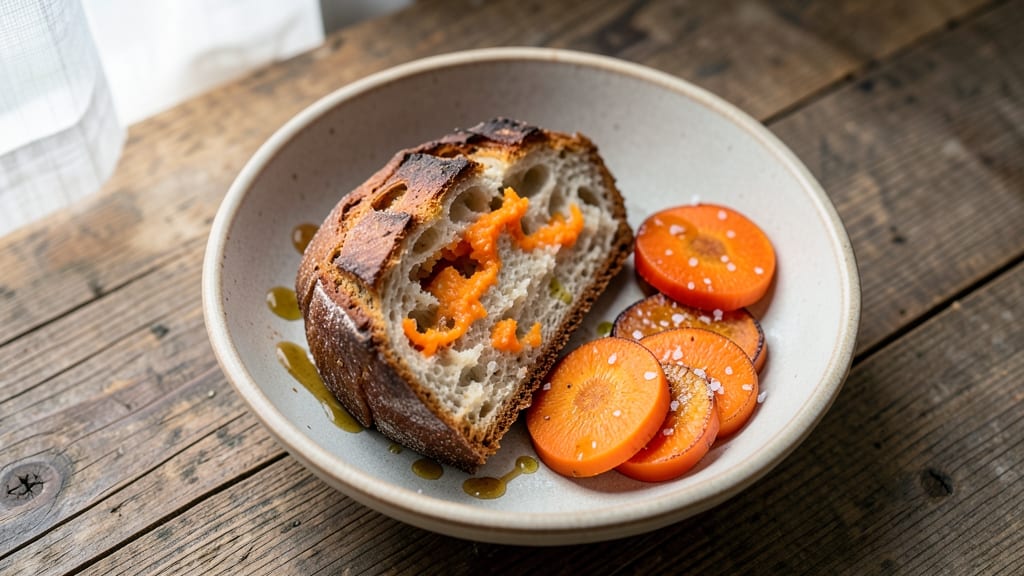
This artisan sourdough bread recipe clever carrot transforms humble carrots into a showstopping loaf with crispy crust and caramelized sweetness baked right into every bite.
The secret lies in infusing the dough with finely grated carrots and finishing with a golden carrot glaze—creating a perfect balance of earthy depth and natural sweetness that rivals any bakery loaf.
Whether you're a seasoned sourdough baker or just starting, this recipe delivers restaurant-quality texture with traditional techniques made approachable.
What sets this bread apart is the clever integration of carrots throughout—from the dough itself to the final glaze—without overpowering the classic sourdough flavor. The process begins with a well-fed starter (no need for fancy equipment), then moves to a slow bulk fermentation that develops deep flavor.
The result? A loaf with an irresistible crunch, a tender crumb studded with carrot flecks, and that signature caramelized glaze that makes every slice feel like a special occasion.
Perfect for breakfast tables, charcuterie boards, or as a side to roasted meats, this bread proves that artisan baking doesn’t require complexity—just patience and a few key techniques. The carrot glaze adds a touch of elegance while keeping the focus on the authentic sourdough taste you love.
With just one active rising session and 45 minutes of baking, you’ll have a loaf that looks as impressive as it tastes.
The beauty of this recipe lies in its versatility—use it fresh from the oven, toasted with butter, or even as the base for open-faced sandwiches. The carrot elements add subtle sweetness that pairs beautifully with savory toppings, making it a crowd-pleaser for any meal.
Let’s get started on creating your next bakery-worthy loaf—no fancy tools required.
Ingredients for artisan sourdough bread recipe clever carrot
Sixteen ingredients, one extraordinary loaf—where caramelized carrots meet artisanal sourdough magic.
| Ingredient | Amount | Notes |
|---|---|---|
| Organic Orange Carrots 🥕 | 1 ½ lb | Finely grated, organic preferred |
| Unbleached All-Purpose Flour 🌾 | 5 cups | White or whole wheat blend |
| Active Sourdough Starter 🍞 | 1 cup | 100% hydration, well-fed |
| Filtered Water 💧 | 2 ½ cups | Room temperature, 70-75°F |
| Coconut Sugar 🍯 | ¼ cup | For caramelized sweetness |
| Extra-Virgin Olive Oil 🫒 | ½ cup | Cold-pressed, fruity variety |
| Instant Yeast 🍄 | ¼ tsp | Optional for slight lift |
| Diamond Crystal Kosher Salt 🧂 | 1 ½ tsp | Fine grain preferred |
| Ground Flaxseed 🌾 | 1 tbsp | For dough elasticity |
| Apple Cider Vinegar 🍎 | 1 tbsp | For tangy depth |
| Maple Syrup 🍁 | ¼ cup | Grade B for rich flavor |
| Cornstarch 🌽 | 2 tbsp | For glaze smoothness |
| Vegan Butter 🧈 | 2 tbsp | Miyoko's brand preferred |
The carrots are the star here, so organic is ideal—they should be vibrant orange, not dull or fibrous. I grab mine from Whole Foods or my local farmers' market, where they're often fresher than grocery store bins. For the flour, a 50/50 white-whole wheat blend gives that perfect balance of texture and nutrition. The sourdough starter needs to be 100% hydration and well-fed—if it smells like vinegar and bubbles when poked, it's ready. Pro tip: King Arthur's flour is my go-to for consistent results, but any high-quality unbleached works. The coconut sugar adds caramelization without overpowering, and Trader Joe's has the best-priced organic version.
No instant yeast? Skip it entirely—this relies on the sourdough starter's power. Fresh carrots wilted or bruised? Roast them first at 400°F for 15 minutes to concentrate their sweetness. The flaxseed is non-negotiable for dough elasticity—Bob's Red Mill brand grinds perfectly. For the glaze, if you can't find cornstarch, arrowroot powder works 1:1. The vegan butter matters here—Miyoko's melts beautifully, but any good plant-based butter will do. Short on maple syrup? Agave nectar at half the amount keeps things sweet without changing the vibe.
This dough needs 12-16 hours of cold proofing for maximum flavor—set a timer so you don't forget. The glaze keeps for 3 days refrigerated in an airtight container, but the bread? Best eaten fresh. For storage, wrap tightly in parchment and foil—it stays fresh for 5 days at room temp. Freeze slices for up to 3 months—toast straight from frozen for crispy results. The glaze can be reheated gently if you want to use it on toast or pastries later.
Why You'll Love This Recipe
- No-Knead Magic: I swear by this—just toss in the grated carrots and sugar, let the starter do the work, and wake up to bread that’s actually risen. The dough’s so forgiving; I’ve made it in a Dutch oven, on a pizza stone, even in a cast-iron skillet when I forgot my loaf pan.
- Sweet-Savory Surprise: That carrot adds a honeyed depth that pairs perfectly with the tangy sourdough—like a natural glaze. Honestly, the first slice out of the oven tastes like autumn in a loaf, and it’s got just enough chew to hold its own against butter or jam.
- Leftovers That Shine: This bread’s my go-to for sandwiches, but I also toast it and freeze slices for quick breakfasts. The crust stays crisp even after reheating, and the carrot flavor actually enhances with time—unlike most bread that turns stale in days.
- Pantry Stretch: Between us, I use this to bulk up my flour supply when prices spike. The coconut sugar adds richness without costing a fortune, and a single batch feeds my family for days. Plus, those orange carrots? Often on sale, so it’s a win-win for my wallet and my taste buds.
Step-by-step instructions for artisan sourdough clever carrot bread
Here's how to transform vibrant carrots into a sweet, crusty loaf with perfect texture and caramelized depth.
Caramelize and Grate the Organic Orange Carrots
Preheat your oven to 400°F and line a baking sheet with parchment paper. Peel the 1.5 lb organic orange carrots and cut them into ¼-inch thick rounds. Arrange them in a single layer on the prepared baking sheet, leaving space between each piece.
Roast for 20-25 minutes until the edges become tender and the carrots develop a beautiful caramelized color. Here's the thing—you want them soft enough to grate easily but not mushy. Once caramelized, transfer the carrots to a food processor fitted with the grating disc and pulse until you achieve a fine, uniform texture. This caramelization process intensifies the natural sweetness and creates that signature depth of flavor in your bread.
Mix the Wet Ingredients and Hydrate the Dough
In a large mixing bowl, combine the 1 cup active sourdough starter, 2.5 cups filtered water, 0.25 cup coconut sugar, 0.5 cup extra-virgin olive oil, 1 tbsp apple cider vinegar, 0.25 cup maple syrup, and 1 tbsp ground flaxseed. Mix thoroughly until the flaxseed is fully incorporated and the mixture is smooth.
Add the grated carrots to the wet ingredients and stir well to distribute evenly. This step is where the magic begins—those caramelized carrots will infuse the dough with their sweet, earthy flavor. Let the mixture sit for 10 minutes to allow the flaxseed to thicken slightly and the flavors to meld together. I know it seems like a short wait, but trust me, it makes a difference in the final texture.
Combine Dry Ingredients and Develop the Dough
In a separate bowl, whisk together the 5 cups unbleached all-purpose flour, 1.5 tsp diamond crystal kosher salt, and 0.25 tsp instant yeast. Gradually add this dry mixture to the wet ingredients while stirring with a wooden spoon. You'll want to mix just until the dough comes together—don't overwork it at this stage.
Once combined, transfer the dough to a lightly floured surface and knead gently for 5-7 minutes until it becomes smooth and elastic. The dough should be slightly tacky but not sticky. If it feels too dry, add 1-2 tablespoons of filtered water to help with the kneading process. This kneading step develops the gluten structure, which is crucial for that perfect crusty exterior and airy interior we're aiming for.
First Rise and Shape the Loaf
Lightly oil a large mixing bowl and place the dough inside. Cover the bowl with a damp kitchen towel and let it rise in a warm place for 1.5-2 hours, or until it has nearly doubled in size. You'll know it's ready when you poke the dough gently and it springs back slowly.
Once risen, gently deflate the dough by pressing it down with your fingers. Transfer it to a lightly floured surface and shape it into a 9x5-inch loaf pan, making sure to press the dough firmly into the corners. This shaping step ensures an even rise and helps create that classic loaf shape we all love. Brush the top of the dough with a bit of filtered water to help develop a better crust later on.
Second Rise and Bake to Golden Perfection
Cover the shaped loaf with a damp towel and let it rise again for 30-45 minutes until it has risen about 1 inch above the rim of the loaf pan. Preheat your oven to 375°F and place a baking stone or inverted baking sheet on the middle rack to help create steam during baking.
In a small bowl, whisk together 2 tbsp cornstarch and 2 tbsp vegan butter until smooth. Brush this mixture generously over the top of the risen dough. Bake for 40-45 minutes until the bread is deep golden brown and sounds hollow when tapped on the bottom. Here's the crucial part: if the top browns too quickly, tent the bread with aluminum foil to prevent over-browning while it continues to bake through.
Cool and Enjoy Your Artisan Creation
Remove the bread from the oven and let it cool in the pan for 10 minutes. Then transfer it to a wire rack to cool completely for at least 1 hour. This cooling period is essential—it allows the bread to set properly and prevents it from becoming gummy.
Once cooled, slice your clever carrot bread and serve warm. Each slice should reveal a beautiful caramelized carrot swirl throughout the crumb, with a crispy crust that gives way to a tender interior. The perfect balance of sweetness from the carrots and maple syrup, with just the right amount of tang from the vinegar, makes this bread truly special. Store any leftovers in an airtight container for up to 3 days or freeze for longer storage.
Pro Tips For Making Artisan Sourdough Bread Recipe Clever Carrot
- GRATE THOSE CARROTS FINE: I learned this the hard way—chunky carrot bits make the dough dense and uneven. Use a box grater with the smallest holes (or pulse in a food processor) to get a texture closer to fine breadcrumbs. This distributes flavor and moisture evenly, so your loaf stays light and sweet, not gummy in spots.
- WEIGH YOUR FLOUR LIKE A PRO: Scooping flour from the bag packs in extra air, which throws off hydration. Use a kitchen scale and spoon flour into the bowl, then level it off with a straight edge. For this recipe, aim for 500 grams—any less and the dough will be too sticky to handle without extra flour, which kills the sourdough tang.
- LET THE DOUGH REST LONGER: The first 2 hours after mixing are critical, but I used to rush it. Cover the bowl and let it sit at room temp for a full 4 hours (or overnight in the fridge). This slow fermentation deepens the carrot flavor and makes the crumb softer—no need to over-knead later, and the loaf holds its shape better in the oven.
- STEAM THE OVEN FIRST: Skip the spray bottle—this bread needs real steam to rise properly. Place a baking sheet on the bottom rack, then pour in 1 cup of hot water right before baking. The steam mimics a professional oven and gives you that open, airy crumb instead of a dry, dense loaf. (Yes, even if you’re impatient like me.)
Flavor customization for artisan sourdough bread recipe clever carrot
Sweet Carrot Variations
Swap the grated carrots for puréed roasted carrots—simmer 1 lb carrots with 1 cup water and 1 tbsp maple syrup for 20 minutes until soft, then blend until smooth.
This adds moisture and a silky texture to the dough. For extra richness, mix in 1 tbsp tahini with the purée for nutty depth. 🥕
Spiced Carrot Twist
Infuse the dough with warmth by adding 1 tsp ground cinnamon and ½ tsp cardamom to the dry ingredients. For the glaze, reduce ¼ cup orange juice with 2 tbsp coconut sugar until syrupy, then whisk in 1 tbsp vegan butter.
The citrus brightens the carrot’s earthiness while the spices add cozy complexity. I love this version for holiday breakfasts!
Savory Carrot Option
Balance sweetness with umami by incorporating 2 tbsp nutritional yeast into the dough and topping the baked loaf with 1 tbsp olive oil mixed with ½ tsp smoked paprika.
Skip the glaze and instead brush the crust with a mix of 1 tbsp tahini and 1 tsp soy sauce after baking. This works beautifully as a side to hearty stews or soups.
Herb-Enhanced Glaze
Elevate the carrot glaze by blending 2 tbsp fresh thyme leaves or 1 tbsp chopped rosemary into the cornstarch mixture before brushing it on the loaf. The herbs add an aromatic layer that pairs perfectly with the caramelized sweetness.
For a pop of color, sprinkle toasted sesame seeds on top before baking. ✨
Nutty Carrot Swirl
Fold ½ cup chopped walnuts or pecans into the dough during the final kneading stage. The nuts add crunch and buttery richness that contrasts beautifully with the carrot’s softness.
For extra flair, drizzle the baked loaf with a mix of 1 tbsp melted vegan butter and 1 tsp honey substitute (like agave) before serving.
Seasonal Adaptations
In summer, swap carrots for puréed sweet potatoes—roast 1 lb sweet potatoes with 1 tsp cinnamon until tender, then blend into the dough. For fall, add ½ cup pumpkin purée to the wet ingredients and garnish with pumpkin seeds before baking.
These seasonal swaps keep the recipe fresh year-round while maintaining that artisanal sourdough charm.
Nutrition facts
Frequently asked questions
Why roast the carrots before grating them?
Roasting caramelizes their natural sugars, creating a deeper sweetness and richer flavor in your bread. The process also softens the carrots, making them easier to grate into a fine texture that blends seamlessly into the dough without altering its structure.
Can I make this bread without a sourdough starter?
Yes! Replace the 1 cup starter with 1 cup warm water and 1 tsp instant yeast for a quick-rise version. The texture will be slightly less tangy, but the carrot elements will still shine. For best results, let the dough ferment overnight in the fridge for enhanced flavor development.
How do I know when the dough is properly risen?
Gently press two fingers into the dough—if it springs back slowly (not immediately), it's ready. For a loaf pan, look for the dough to rise 1 inch above the rim. The edges should also pull away slightly from the pan when gently tugged. Patience here prevents a dense loaf!
What's the best way to store leftover slices?
Wrap individual slices in parchment paper and place them in an airtight container. They'll stay fresh for 3 days at room temperature or 3 months frozen. For crispy toast, toast straight from frozen—no thawing needed! The glaze keeps for 3 days refrigerated in a sealed jar.
Can I use this dough for other shapes besides a loaf?
Shape it into boules, batards, or even cinnamon rolls (add ½ cup chopped walnuts and 2 tbsp maple syrup to the dough). The carrot elements work beautifully in free-form shapes too—just bake on a parchment-lined tray for 5-10 minutes less than the loaf instructions.