
Side Dishes
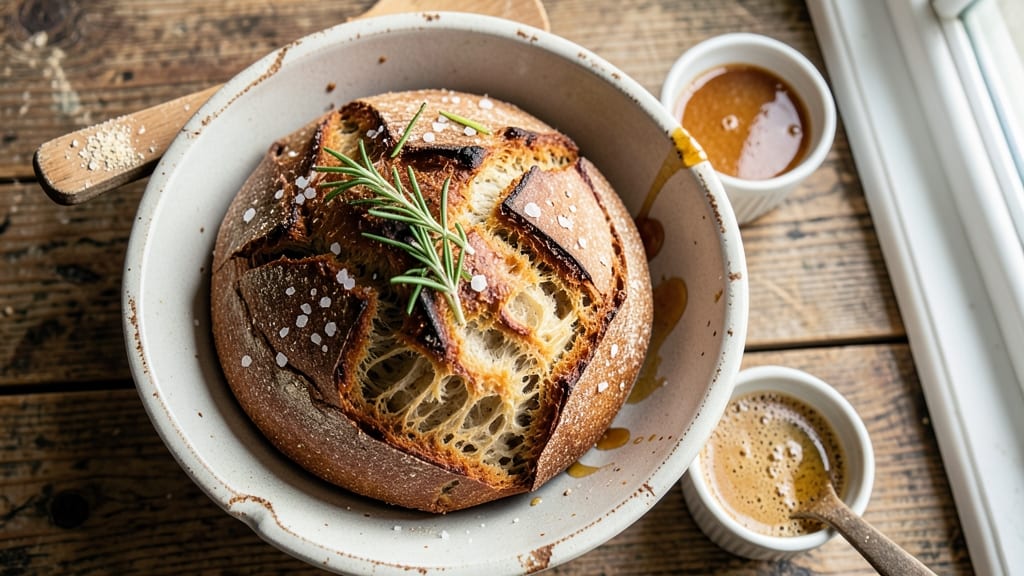
This artisan sourdough discard bread recipe transforms leftover starter into a foolproof, tangy loaf with crisp crust and airy crumb—no waste, all flavor. The secret lies in balancing hydration and fermentation for perfect oven spring, while the discard adds that signature depth without requiring a full starter.
I developed this method after years of baking with discard, refining it to ensure consistent results even with unfermented starter.
What sets this recipe apart is its simple yet professional approach: an autolyse for gluten development, controlled bulk fermentation, and precise shaping to maximize oven spring. The dough is vegan-friendly but delivers restaurant-quality texture, with a golden crust and open crumb structure that rivals commercial sourdough.
No special equipment needed—just time and patience for the magic to unfold.
The process begins with preparing your discard (fermented or unfermented) and mixing a hydrated dough that develops flavor during bulk fermentation. Shaping and proofing are where the artistry comes in—gentle folds create tension for that dramatic rise in the oven.
Baking at high heat ensures a crisp crust while keeping the interior tender, with scoring techniques to guide the expansion.
Perfect for daily bread, sandwiches, or gifting, this recipe proves you don't need a full starter to bake like an artisan. The tangy notes from the discard elevate every bite, making it a staple for home bakers who want professional results with minimal fuss.
Let's get started on your first loaf!
Ingredients for artisan sourdough discard bread
Fourteen ingredients transform humble discard into restaurant-worthy sourdough with crisp crust and airy crumb.
| Ingredient | Amount | Notes |
|---|---|---|
| Sourdough Discard 🍞 | 1 cup | Fermented or unfermented, room temperature |
| All-Purpose Flour 🌾 | 3 ½ cups | Bread flour preferred for structure |
| Whole Wheat Flour 🌾 | ½ cup | For added flavor and nutrition |
| Water 💧 | 1 ½ cups | Lukewarm, filtered preferred |
| Sugar 🍚 | ½ tsp | White granulated for subtle sweetness |
| Salt 🧂 | 1 ½ tsp | Diamond Crystal kosher preferred |
| Olive Oil 🫒 | 1 tbsp | Extra-virgin for richness |
| Vegan Butter 🧈 | 1 tbsp | Miyoko's brand recommended |
| Active Dry Yeast 🍞 | ¼ tsp | Not required with discard |
| Cornmeal 🌽 | ¼ cup | For dusting baking surface |
| Sesame Seeds 🌾 | 1 tbsp | Optional for topping |
The sourdough discard is the heart of this recipe—fermented discard adds depth, while unfermented works with longer bulk fermentation. King Arthur or Caputo bread flour deliver professional structure, but all-purpose works in a pinch. For the discard, aim for a 1:1:1 ratio of discard to flour to water in your starter maintenance. Whole wheat flour adds subtle nuttiness and nutrition, but omit if you prefer a lighter crumb. Water temperature matters: too hot kills yeast, too cold slows fermentation—lukewarm (around 85°F) is ideal.
No bread flour? Add 1 tbsp vital wheat gluten per cup of all-purpose flour to improve gluten development. Short on sesame seeds? Poppy seeds or everything bagel seasoning work equally well. The vegan butter and olive oil create a tender crumb—don't substitute with margarine, which lacks flavor. For a more tangy loaf, increase discard to 1.25 cups. The yeast is optional since discard contains wild yeast, but adding it ensures more predictable rise times. Diamond Crystal kosher salt
Store flour in airtight containers in a cool, dark place for up to 6 months. Discard can be refrigerated for 5-7 days or frozen for 3 months in an airtight container. The shaped dough can proof in the fridge overnight for a slower rise and more complex flavors. Baked loaves stay fresh for 3-4 days at room temperature, wrapped in a clean kitchen towel. For longer storage, slice and freeze portions for up to 3 months—reheat in a toaster or oven to restore crispness.
Why You'll Love This Recipe
- No-Waste Magic: I swear by this recipe—it turns yesterday’s discard into today’s loaf without extra fuss. Just mix, shape, and bake; the whole wheat adds chew, but the discard’s tang keeps it light. My sourdough starter never goes to waste again.
- Tangy Crust, Soft Heart: That crispy crust with a pillowy interior? The sugar caramelizes just enough to give it a subtle sweetness, while the discard’s funky depth makes every bite satisfying. Honestly, it’s the kind of bread that disappears faster than my willpower.
- Meal Prep MVP: I make two loaves on Sundays—one for sandwiches, one for toast. The whole wheat keeps it filling, and it reheats beautifully. My kids grab it for lunches, and I toast slices for breakfasts all week. Zero guesswork, zero regret.
- Budget-Friendly Baking: Between us, this is my go-to when flour costs climb. The discard is free (if you bake sourdough), and the whole wheat stretches the dough further. A loaf for under $2? That’s a win, even if it’s not the fanciest bread in the house.
Step-by-step instructions for artisan sourdough discard bread
Master this method and you'll achieve a perfectly structured loaf with that signature tangy depth every time.
Prepare the Sourdough Discard and Mix Wet Ingredients
In a large mixing bowl, combine the 1 cup sourdough discard with the 1.5 cups lukewarm water. Stir gently to create a loose, shaggy mixture. The discard should be at room temperature—if it's cold, let it sit for 10-15 minutes to activate properly. This initial mixture forms the foundation of your bread's flavor profile.
Next, add the 1 tbsp extra-virgin olive oil and 1 tbsp vegan butter to the bowl. Using a wooden spoon, mix these fats into the discard-water mixture until fully incorporated. The fats will help create a tender crumb while adding subtle richness. Let this mixture sit for 5 minutes while you prepare your dry ingredients—this brief rest allows the discard to begin developing its characteristic tang.
Combine Dry Ingredients and Develop the Dough
In a separate bowl, whisk together the 3.5 cups all-purpose flour, 0.5 cup whole wheat flour, 0.5 tsp sugar, and 1.5 tsp salt. The whole wheat flour adds nutritional depth and a slightly nutty flavor, while the sugar helps activate the yeast and enhances browning. When the dry ingredients are fully combined, create a well in the center of the bowl.
Pour the wet ingredient mixture into the center of the dry ingredients. Using a dough whisk or your hands, gradually incorporate the dry ingredients into the wet until a shaggy dough begins to form. The 0.25 tsp active dry yeast isn't strictly necessary with active discard, but I include it as an insurance policy for consistent results. Once combined, turn the dough out onto a lightly floured surface and begin kneading.
Knead the Dough for Optimal Structure
Knead the dough for 8-10 minutes by hand, or 5-6 minutes using a stand mixer with a dough hook attachment. You're looking to develop gluten, which gives the bread its structure and chew. The dough should become smooth and elastic, pulling away from the sides of the bowl as it kneads. If the dough feels too sticky, add flour 1 tablespoon at a time—but avoid over-flouring, which can make the bread dense.
Test for proper gluten development by performing the "windowpane test": stretch a small piece of dough between your fingers until it's thin enough to see light through it. If it tears easily, knead for another 2-3 minutes. Once properly developed, the dough should be smooth, slightly tacky, and spring back slowly when pressed. Shape the dough into a round ball and place it in a lightly oiled bowl.
First Rise - The Tangy Development Phase
Cover the bowl with a damp kitchen towel and let the dough rise in a warm place for 1-2 hours, or until it has nearly doubled in size. The warm environment encourages fermentation, allowing the sourdough discard to develop its characteristic tang. You'll notice bubbles forming on the surface and along the sides of the bowl—this is a good sign that fermentation is active.
I like to place the bowl near a slightly warm oven (with the light on) or on top of my refrigerator's top shelf for consistent warmth. Avoid direct sunlight or drafts, which can cause uneven rising. After the dough has risen, gently punch it down to release any large air bubbles. This step redistributes the yeast and prepares the dough for shaping.
Shape and Final Proof for Perfect Crust
Lightly dust a clean surface with 0.25 cup cornmeal and transfer the dough to it. Shape the dough into a round boule or oval loaf by pulling the edges toward the center and tucking them underneath. The cornmeal prevents sticking and adds a subtle crunch to the final crust. Place the shaped dough seam-side up in a lightly greased loaf pan or on a parchment-lined baking sheet.
Cover the dough again and let it undergo a second rise for 45-60 minutes, or until it has risen about 50% above its original height. The dough should feel slightly springy when pressed gently with a fingertip. Preheat your oven to 375°F during the final 20 minutes of proofing to ensure even baking. Once the oven is hot, brush the dough with a little water and sprinkle with 1 tbsp sesame seeds for added texture and visual appeal.
Pro Tips For Making Artisan Sourdough Discard Bread
- Weigh Your Discard: I learned this the hard way—eyeballing sourdough discard leads to inconsistent results. Use a kitchen scale for the discard (even if it’s just 50 grams) to keep your hydration consistent, especially when mixing whole wheat flour, which absorbs moisture differently.
- Mix Whole Wheat Last: Whole wheat flour is a moisture thief. Add it to your dough after the all-purpose flour and water have been mixed and rested for 10 minutes—this prevents a gummy, dense loaf. Trust me, your crumb will thank you.
- Skip the Over-Kneading: This isn’t a baguette. Sourdough discard bread with whole wheat doesn’t need 20 minutes of punching and folding—just a few gentle stretches and folds (3-4 max) to develop gluten without overworking the dough. Overdo it, and you’ll end up with a tough loaf.
- Proof Until Floating: Your dough should float like a buoy in water before baking. Whole wheat slows fermentation, so give it 10-15 extra minutes in a warm spot (75-80°F) if it’s not rising steadily. Patience here means a lighter, airier crumb—not a brick.
Serving suggestions for this artisan sourdough discard bread
Toasted Bread Pairings
Serve warm slices of this artisan sourdough on a cast-iron skillet with Miyoko's vegan butter melted on top. The crisp crust and tangy crumb pair perfectly with avocado mash or hummus for a satisfying breakfast or snack. I love adding everything bagel seasoning to the butter for extra depth. 🥖
Sandwich Game-Changer
Use this bread as the base for vegan banh mi sandwiches—slice thick and toast until golden. Pile on shredded carrots, pickled daikon, vegan mayo, and firm tofu for a flavor-packed meal.
The sourdough's acidity cuts through the richness beautifully. For a classic Italian twist, try vegan prosciutto and marinated artichokes with olive oil.
Dinner Rolls Upgrade
Shape the dough into mini boules for dinner rolls—bake at 400°F for 15 minutes until golden. Serve warm with vegan gravy or roasted garlic dip for a restaurant-worthy starter.
The discard's tang balances the richness of savory dips perfectly. Store extras in an airtight container for up to 3 days.
Dessert Twist
Drizzle warm bread with maple syrup and top with vegan cinnamon butter for a quick dessert. The crust's crunch contrasts beautifully with soft, buttery interior. For a gourmet touch, add candied pecans or dark chocolate chunks. This makes an impressive breakfast or after-dinner treat without extra effort. 🍯
Cheese Board Star
Slice the bread into ½-inch thick pieces and arrange on a board with aged cheddar, vegan camembert, and dried apricots. The sourdough's texture holds up to strong cheeses while adding a subtle tang.
Pair with olive oil and balsamic vinegar for dipping. This combo is perfect for holiday gatherings or casual snacking.
Meal Prep Hack
Bake an extra loaf and slice it into ¼-inch thick pieces. Store in a paper bag at room temperature for up to 5 days—toast before serving.
These slices make quick avocado toast or peanut butter and jelly sandwiches for busy mornings. The discard's flavor intensifies slightly when toasted, making it even more delicious. 💡
Nutrition facts
Frequently asked questions
Can I use unfermented sourdough discard?
Yes! Unfermented discard works perfectly—just extend the bulk fermentation time to 3-4 hours instead of 1-2 hours to allow the wild yeast to activate. The flavor will be slightly milder but still delicious. For extra tang, add 1 tsp apple cider vinegar to the dough during mixing.
Why did my bread not rise properly?
Common causes include cold discard (let it sit 10-15 minutes at room temp), over-kneading (dough should be tacky, not dry), or weak starter. Check your discard's activity—it should float in water. If all else fails, add ¼ tsp extra yeast next time or increase fermentation time by 1 hour.
How do I store leftover sourdough discard?
Keep discard in an airtight container in the fridge for 5-7 days or freeze for 3 months. Thaw overnight in the fridge before using. For best flavor, use within 24 hours of removing from the fridge. Label containers with dates to track freshness!
Can I make this recipe without a stand mixer?
Hand-kneading works perfectly—just knead for 8-10 minutes on a floured surface until smooth and elastic. For extra strength, do 3 sets of 3-minute kneads with 1-minute rests between each. The windowpane test confirms proper gluten development.
What's the best way to reheat stale sourdough?
For maximum crispiness, wrap slices in foil and bake at 350°F for 5-7 minutes. For quick toasting, use a cast-iron skillet over medium heat for 2 minutes per side. Avoid microwaving—it makes bread gummy. Store baked loaves in a paper bag to maintain freshness longer.