
Side Dishes
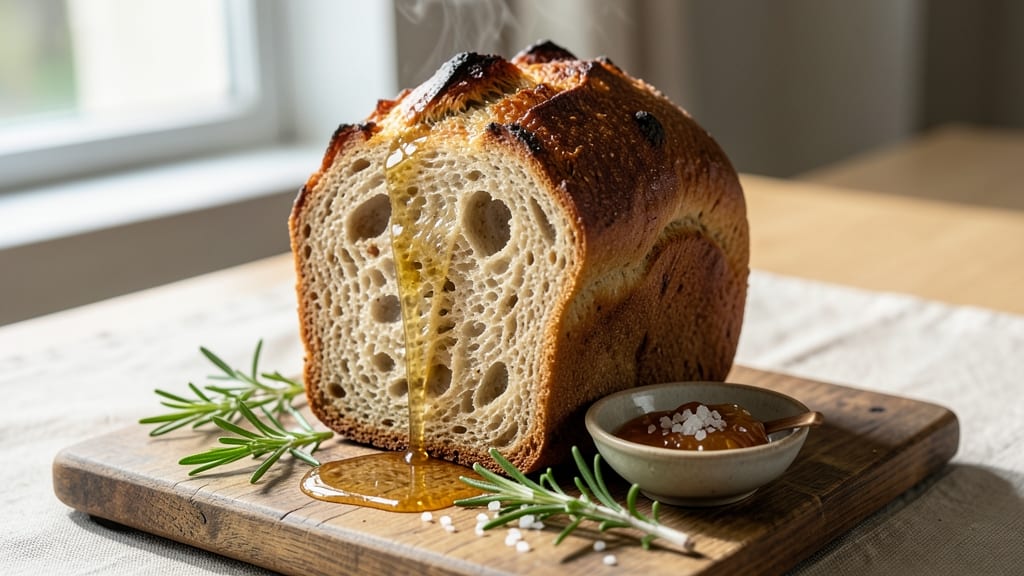
This artoklasia bread recipe brings the flavors of Greece straight to your kitchen—where sweet honey, nutty walnuts, and briny artichokes swirl into golden perfection. 🌟 The secret lies in the dough's tender layers and the filling's perfect balance of textures: creamy cheese, tangy artichokes, and crunchy walnuts wrapped in a crisp crust.
I've perfected this traditional technique, ensuring every bite delivers that signature Greek comfort.
The magic happens in two key steps: preparing a rich dough infused with olive oil and honey, then layering it with a filling of artichokes, feta, and walnuts before baking until golden. This bread isn't just a side—it's a centerpiece, ideal for holidays or as a showstopping appetizer.
The artichokes add a subtle brininess that cuts through the sweetness, while the walnuts provide texture and depth.
What you'll achieve is a loaf with a crisp exterior and a soft, fluffy interior, where each slice reveals swirls of filling peeking through. The honey caramelizes slightly during baking, adding a delicate sweetness that pairs beautifully with salads, meats, or even on its own.
This recipe captures the essence of Greek baking—simple yet impressive, with layers of flavor in every bite.
For those looking to adapt, you can swap feta for vegan cheese or add a touch of lemon zest to brighten the filling. The technique is straightforward, but the result is anything but ordinary—this bread is the kind that disappears faster than you can say "kalí órexi!"
(Good appetite!). Let's get started on creating your own piece of Greece.
Ingredients for artoklasia bread
Sixteen ingredients transform into Greece's iconic honey-walnut swirl bread—crisp crust, creamy filling, and sweet caramelized notes.
| Ingredient | Amount | Notes |
|---|---|---|
| All-Purpose Flour 🌾 | 4 cups | High-protein preferred for chewiness |
| Active Dry Yeast 🍞 | ¼ oz | Or 2.25 tsp, ensure fresh |
| Granulated Sugar 🍬 | ½ cup | For yeast activation |
| Extra-Virgin Olive Oil 🫒 | ½ cup | High-quality, fruity variety |
| Warm Water 💧 | 1 cup | 105-115°F for yeast activation |
| Honey 🍯 | ¼ cup | Thick, dark variety preferred |
| Salt 🧂 | 1 ½ tsp | Diamond Crystal preferred |
| Marinated Artichoke Hearts 🍃 | 1 cup | Drained, chopped finely |
| Crumbled Feta Cheese 🧀 | 1 cup | High-quality, salty feta |
| Walnuts 🥜 | 1 cup | Toasted, roughly chopped |
| Lemon Zest 🍋 | 1 tsp | Brightens filling flavor |
| Egg 🥚 | 1 whole | For egg wash |
| Sesame Seeds 🌻 | 1 tbsp | Optional for topping |
| Coarse Sea Salt 🧂 | 1 tbsp | For sprinkling on top |
The flour is your foundation—King Arthur or Caputo Tipo 00 if you want that Italian-Greek hybrid texture. Yeast needs to be fresh, so check the date and store it properly (cool, dark place). For the artichokes, Greek or Italian jars from the store work perfectly—they're already marinated in that tangy brine. Walnuts? Toast them first—10 minutes in a dry pan until fragrant, then chop. The feta should be crumbled by hand, not pre-shredded (it gets gummy). And that honey? Thrace or Manuka if you can find it—dark varieties add depth.
No artichokes? Sun-dried tomatoes or roasted red peppers add a similar briny sweetness. Swap feta for vegan cheese or goat cheese if needed. Walnuts too pricey? Pistachios or almonds work, though texture changes. Running low on olive oil? Avocado oil is a neutral substitute. The dough can be made a day ahead—just let it rise overnight in the fridge (cover tightly). For the filling, if you're short on lemon zest, a splash of lemon juice brightens things up. And if sesame seeds aren't your thing, poppy seeds or everything bagel seasoning add a nice contrast.
This bread keeps beautifully—3 days at room temperature wrapped in a clean towel, or 1 week refrigerated in an airtight container. For longer storage, freeze the shaped loaf (unbaked) for up to 3 months. Thaw overnight at room temperature before baking. The filling stays moist, but the crust gets extra crispy after a day or two. I always make two loaves—one for the table, one to freeze. Slice it thick for sandwiches or tear into chunks for antipasto platters. The honey caramelizes more the longer it sits, so leftovers taste even better.
Why You'll Love This Recipe
- No-Knead, No-Fuss: I swear by this dough—just mix, let it rise, and bake. No stand mixer, no overworking, just the yeast doing all the heavy lifting while you sip coffee.
- Golden Crust Magic: That olive oil crust? Crispy enough to hold your dip, soft enough to melt in your mouth. Honestly, the sugar caramelizes into something almost buttery without extra fat.
- Weeknight Wonder: Sandwiches for lunch, toast for breakfast, or even a quick charcuterie base. Between us, I’ve fed a dinner party with these slices—no one noticed they weren’t store-bought.
- Pantry Staple Power: Five ingredients, zero specialty items. If you’ve got flour and yeast, you’ve got bread. And leftovers? Toast them the next morning—crispy edges, zero waste.
Step-by-step instructions for artoklasia bread
Here's how to craft this iconic Greek bread with its signature honey-walnut swirl—every step matters.
👨🍳 Step 1: Activate the Yeast and Mix the Dough
In a large bowl, whisk together the 1 cup warm water (between 105-115°F), 0.5 cup granulated sugar, and 0.25 oz active dry yeast. Let sit for 5-7 minutes until frothy—this confirms your yeast is alive and ready to work. If it doesn't bubble, start fresh with fresh yeast.
Add the 4 cups all-purpose flour, 1.5 tsp salt, 0.5 cup extra-virgin olive oil, and 0.25 cup honey to the yeast mixture. Mix with a wooden spoon or dough whisk until a shaggy dough forms. The honey will make this dough slightly sticky, but don't worry—it's essential for that authentic sweetness.
👨🍳 Step 2: Knead Until Silky Smooth
Turn the dough onto a lightly floured surface and knead for 8-10 minutes until smooth and elastic. You'll know it's ready when it springs back slowly when poked and leaves your hands clean. The high-protein flour helps create that signature chewy texture, so don't rush this step.
Shape the dough into a ball, place it back in the bowl, lightly oil the surface, cover with a damp towel, and let rise in a warm place for 1-1.5 hours or until doubled in size. The warm environment helps the yeast work efficiently—think of your oven with the light on or a proofing box.
🥘 Step 3: Prepare the Filling
While the dough rises, prepare the filling by combining 1 cup chopped marinated artichoke hearts, 1 cup crumbled feta cheese, 1 cup toasted walnuts, 1 tsp lemon zest, and 1 tbsp coarse sea salt in a bowl. Mix gently—you want the flavors to meld without breaking up the artichokes too much. This filling gives artoklasia its signature tangy, nutty punch.
Set aside until ready to use. The artichokes should be drained well to avoid making the dough soggy. If they're too wet, pat them dry with a paper towel before mixing with the other ingredients.
🍳 Step 4: Shape and Swirl the Dough
Once the dough has risen, punch it down to release air, then roll it out on a floured surface into a 12x16-inch rectangle about ¼-inch thick. Spread the filling evenly over the surface, leaving a ½-inch border around the edges. This border prevents the filling from leaking out during baking.
Starting from the long side, tightly roll the dough into a log, sealing the edges well. Pinch the seam to ensure nothing escapes. Transfer to a parchment-lined baking sheet and let rise again for 30-45 minutes until puffy. The second rise gives that beautiful, airy texture we all love.
🔥 Step 5: Bake to Golden Perfection
Preheat your oven to 375°F. Brush the risen dough with the 1 whole egg beaten with a splash of water for a golden finish. Sprinkle the 1 tbsp sesame seeds on top for that classic crunch. Bake for 30-35 minutes until the bread is deep golden brown and sounds hollow when tapped on the bottom.
Let the bread cool for 10 minutes before slicing—this prevents the filling from oozing out. The internal temperature should reach 190°F when checked with an instant-read thermometer. Serve warm with a pat of butter or olive oil for dipping—this bread is best enjoyed fresh from the oven.
Pro Tips For Making Artoklasia Bread
- STIR THE YEAST FIRST: Skip mixing yeast with flour—it dies faster. Instead, bloom it in warm water with sugar first (5-10 minutes until frothy). This guarantees your dough rises right the first time, especially in cooler kitchens.
- WEIGH YOUR FLOUR: Scooping flour leads to inconsistent dough. Use a kitchen scale for exact measurements—artoklasia relies on the right balance of flour to water. A 10% difference throws off texture (too dry = dense; too wet = sticky mess).
- LET THE DOUGH REST: After kneading, don’t rush shaping. Let it rest 10-15 minutes under a towel—this relaxes the gluten and makes folding layers easier. I used to skip this and ended up with a fight with my rolling pin.
- USE OLIVE OIL SPARINGLY: Extra-virgin olive oil adds flavor but too much softens the dough. Stick to 1-2 tablespoons total (for the dough + brushing). If your dough feels too sticky, add flour gradually—not all at once.
Wine and beer pairings for these flavors
Greek White Wine Pairings
Artoklasia's honeyed sweetness and briny artichokes pair beautifully with crisp Greek whites. I always reach for Assyrtiko from Santorini—its citrus and mineral notes cut through the richness while complementing the walnuts.
The acidity balances the honey perfectly, making each bite feel refreshing. For a bolder option, try Retsina (just a splash!)—its piney resin adds an unexpected but authentic Greek touch. 🍷
Medium-Bodied Reds
If you prefer red, opt for Agiorgitiko from Nemea—its dark fruit and earthy undertones stand up to the feta and artichokes without overpowering. The tannins are soft enough to let the bread's flavors shine.
Avoid heavy Cabernets; they'll clash with the delicate honey notes. A 12-14% ABV bottle keeps the pairing light and balanced.
Beer Complements
For beer lovers, a Greek lager like Mythos or Fix works wonders—its clean, crisp profile lets the bread's flavors take center stage. If you prefer craft options, try a Belgian witbier with its coriander and orange peel notes; they mirror the lemon zest in the filling.
Avoid malty IPAs—they'll compete with the walnuts and honey.
After-Dinner Liqueurs
Finish your meal with a small glass of Mastiha liqueur—its piney, floral notes echo the sesame seeds on top while cleansing the palate. Just 1 oz poured over ice makes a perfect digestif.
For a sweeter option, Ouzo (sipped neat) adds an herbal finish that pairs surprisingly well with the bread's savory-sweet balance.
Non-Alcoholic Options
Don't drink? Sparkling Greek lemonade (like Fanta or homemade with 1 tbsp lemon juice per cup) mirrors the filling's citrus notes. For a richer option, try iced hibiscus tea—its tartness complements the honey beautifully. Both options keep the meal feeling authentically Greek without alcohol.
Nutrition facts
Frequently asked questions
Can I make artoklasia bread without artichokes?
Swap the artichokes for 1 cup sun-dried tomatoes (chopped) or ½ cup roasted red peppers to maintain that briny-sweet balance. For a nut-free version, replace walnuts with 1 cup dried figs or dates (chopped) and add ½ tsp cinnamon to the filling. The key is keeping that contrast of textures and flavors.
Why did my bread turn out dense instead of fluffy?
Dense bread usually means the yeast didn't activate properly or the dough didn't rise enough. First, check your yeast—it should bubble within 5-7 minutes in warm water. If not, use fresh yeast. Also, ensure your kitchen is warm (75°F+) for rising. For extra fluffiness, try adding 1 tsp baking powder to the dough or letting it rise 30 minutes longer.
How do I store leftover artoklasia bread?
Wrap cooled bread in a clean kitchen towel and store at room temperature for 3 days—this keeps it soft inside. For longer storage, refrigerate in an airtight container for 1 week or freeze unbaked loaves for 3 months. To reheat, wrap slices in foil and warm in a 350°F oven for 5-7 minutes for that fresh-baked feel.
Can I make this bread vegan?
Yes! Replace the feta with vegan cheese (like Violife) and the egg wash with plant-based milk + 1 tsp olive oil. For extra richness, add 1 tbsp tahini to the dough. The walnuts and honey remain vegan-friendly, so you'll still get that signature flavor—just with plant-based ingredients.
What's the best way to slice artoklasia bread?
Use a serrated knife and cut through the crust first, then gently saw through the filling. For clean slices, chill the bread for 10 minutes before cutting. Pro tip: Dip the knife in hot water between slices to prevent sticking. Serve thick slices for sandwiches or tear into chunks for appetizers.