
Side Dishes
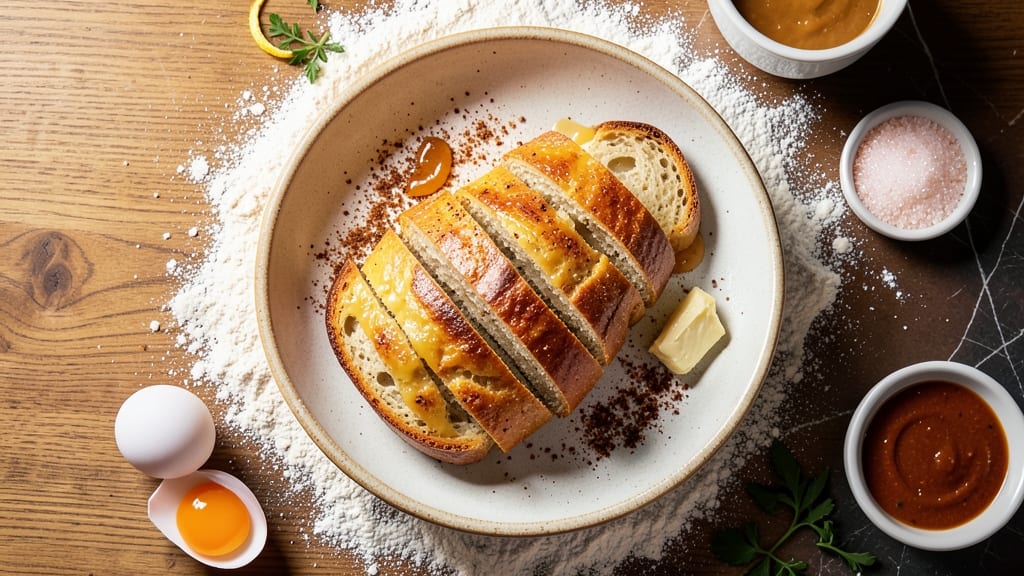
This Asian bakery bread recipe brings the comforting aroma of five-spice and warm mantou into your kitchen, delivering soft, pillowy bread with a fragrant crust.
The secret lies in a precise dough formula—just enough yeast, sugar, and milk powder for that signature tender crumb—paired with a subtle five-spice blend that infuses warmth without overpowering.
I’ve perfected this method after years of experimenting with both traditional steamed mantou and baked variations, ensuring every loaf turns out light, airy, and irresistibly golden.
The dough requires careful handling: a gentle knead to develop gluten, followed by a 30-minute rest to relax the strands before shaping into smooth, round loaves. Proofing at room temperature (not too warm) ensures even rising, while a quick brush of egg wash before baking creates that coveted bakery-style sheen.
The result? Bread so soft it nearly dissolves on your tongue, with a crust that crackles with aromatic five-spice notes—ideal for slathering with butter or dipping in honey.
What sets this recipe apart is its versatility: bake as individual rolls for a snackable treat, or shape into a single loaf for a hearty sandwich base. The dough can also be steamed for a lighter texture, blending traditional and modern techniques.
Whether you’re serving with soup or pairing with tea, this bread delivers the same comfort as a visit to an Asian bakery—just with the satisfaction of homemade perfection.
Ready in under 2 hours, this recipe is perfect for weekend baking or meal prep. The dough can be made ahead and refrigerated, so you’re never without fresh bread when cravings strike. Let’s get started on creating bread so good, it’ll become your new staple.
Ingredients for asian bakery bread
Twelve simple ingredients transform into bakery-style bread with that signature five-spice aroma and pillowy softness.
| Ingredient | Amount | Notes |
|---|---|---|
| All-Purpose Flour 🌾 | 4 cups | Sifted for lighter texture |
| Instant Yeast 🍞 | ½ tsp | Active dry works too |
| Granulated Sugar 🍚 | ½ cup | White or light brown |
| Milk Powder 🥛 | ¼ cup | Non-fat or whole |
| Unsalted Butter 🧈 | ½ cup | Cold, cubed for dough |
| Large Eggs 🥚 | 1 whole | Room temperature |
| Five-Spice Powder 🌶️ | 1 ½ tbsp | Homemade or store-bought |
| Salt 🧂 | 1 ½ tsp | Fine sea salt preferred |
| Vegetable Oil 🫒 | 2 tbsp | For greasing loaf pan |
| Egg Wash 🥚 | 1 whole | 1 egg + 1 tbsp water |
| Sesame Seeds 🌾 | 2 tbsp | Toasted for garnish |
| Water 💧 | 1 ¼ cups | Warm (110°F) |
The five-spice powder is non-negotiable here—it’s what gives this bread its signature warmth and depth. Look for authentic blends at Asian markets (like H Mart or 99 Ranch), but a good quality jarred version works too. The milk powder adds tenderness, so don’t skip it—non-fat or whole both work. For the flour, I swear by King Arthur or Gold Medal for consistent results. And that warm water? It should feel like a warm bath—not too hot, or it’ll kill the yeast. If you’re short on time, microwave the water for 40 seconds to hit that perfect temp.
No five-spice powder? Mix 1 tsp cinnamon, 0.5 tsp cloves, 0.5 tsp fennel, 0.5 tsp star anise, and 0.5 tsp black pepper—it’s a game-changer. Running low on milk powder? Substitute with powdered milk, but you’ll lose a touch of richness. The butter can be swapped for vegetable shortening if you’re baking in hot climates (it handles heat better). For the egg wash, any egg substitute works—just make sure it’s beaten smooth. And if you’re steaming instead of baking, skip the egg wash entirely—just brush with water before steaming for a softer crust.
This dough is a dream to prep ahead. Make it 24 hours early, refrigerate it covered, and let it come to room temp before shaping. The shaped loaves keep 2 days wrapped at room temp or 1 week in the fridge. For freezing, shape the dough, wrap tightly, and freeze for up to 3 months. Thaw overnight in the fridge before baking. Pro tip: Toast slices for 5 minutes to revive stale bread—it’ll taste fresh again.
Why You'll Love This Recipe
- No-Knead Magic: I swear by this dough—just mix, let it rise, and bake. The milk powder gives it that soft, pillowy texture without any fuss, and honestly? I’ve never measured yeast wrong and still gotten perfect loaves.
- Buttery Sweet Crust: That crispy, golden crust with a hint of sugar? It’s like biting into a bakery loaf, but I’m the one who made it. The butter and sugar combo makes every slice taste like a little treat.
- Meal Prep Hero: I bake two loaves on Sunday and freeze them—thawed slices toast up perfectly for breakfasts all week. It’s my secret for never skipping a good sandwich or bowl of pho.
- Pantry Staple Power: Between us, this recipe uses stuff you already have. Flour, yeast, butter—no weird ingredients or last-minute grocery runs. And if you make a big batch? Leftovers last forever, toasted or fresh.
Step-by-step instructions for Asian bakery bread
Here's how to create bakery-style bread with a fragrant five-spice crust and melt-in-your-mouth softness.
Mix the Dough Base
In a large mixing bowl, combine the 4 cups all-purpose flour, 0.5 tsp instant yeast, 0.5 cup granulated sugar, 0.25 cup milk powder, 1.5 tsp salt, and 1.5 tbsp five-spice powder. Whisk together until evenly distributed—this ensures the spices blend perfectly throughout the dough.
Next, add the 0.5 cup cold cubed butter to the dry ingredients. Using a pastry cutter or your fingers, work the butter into the flour mixture until it resembles coarse crumbs with pea-sized butter pieces remaining. This texture is crucial for creating that flaky crust later. If you're using a stand mixer, use the paddle attachment on low speed to avoid melting the butter.
Hydrate and Knead
Create a well in the center of the dry ingredients and pour in the 1 whole large egg and 1.25 cups warm water (110°F). Using a wooden spoon or dough whisk, gradually mix the wet ingredients into the dry until a shaggy dough forms. The dough will be sticky at first—that's normal with this recipe.
Transfer the dough to a lightly floured surface and knead for 8-10 minutes until smooth and elastic. You'll know it's ready when it springs back slowly when poked. If the dough feels too sticky, wet your hands slightly to prevent sticking. For best results, use a dough scraper to help gather and fold the dough during kneading.
First Rise
Lightly grease a large mixing bowl with 2 tbsp vegetable oil, then place the dough inside. Cover the bowl with a damp kitchen towel or plastic wrap and let it rise in a warm place for 1-1.5 hours, or until it has doubled in size. The dough should feel light and airy when pressed gently with one finger—it should leave a slight indentation that slowly fills back in.
Here's a pro tip: Place the bowl near a warm oven with the light on (not turned on) to create a consistent rising environment. Avoid direct sunlight, which can cause uneven rising. If your kitchen is cool, you might need to extend the rising time by 30 minutes.
Shape and Second Rise
Once the dough has risen, punch it down gently to release air. Divide the dough into 12 equal portions (about 3.5 ounces each) and roll each portion into a smooth ball. Arrange the balls in a greased 9x5-inch loaf pan, leaving about ½ inch between each ball. This creates that classic bakery-style presentation.
Cover the pan with a damp towel and let the dough rise again for 45-60 minutes until the balls have puffed up noticeably. The edges should look slightly rounded and the tops should have risen about ½ inch above the original shape. This second rise is crucial for achieving that light, pillowy texture.
Bake to Golden Perfection
Preheat your oven to 375°F. In a small bowl, whisk together the 1 whole egg wash (1 egg + 1 tbsp water) and brush it lightly over the tops of all the dough balls. Sprinkle 2 tbsp toasted sesame seeds evenly over the egg wash. Bake for 25-30 minutes until the bread is golden brown and sounds hollow when tapped on the bottom.
For that authentic bakery finish, broil for 1-2 minutes at the end of baking time to deepen the color on top. Watch carefully to avoid burning. Let the bread cool in the pan for 10 minutes before transferring to a wire rack. The crust will firm up as it cools, creating that perfect contrast with the soft interior.
Pro Tips For Making Asian Bakery Bread
- STEAM IT TWICE: This bread isn’t just steamed—it’s double-steamed. First steam for 10 minutes to build structure, then finish with another 5-8 minutes after shaping. I learned this the hard way when my loaves collapsed mid-steam; the second round guarantees that crispy, bakery-style exterior without a dense center.
- BUTTER TEMPERATURE MATTERS: Softened butter (not melted) is non-negotiable here. If it’s too cold, the dough fights you; too hot, and the milk powder curdles. Press it through a fine grater or pulse in a food processor—this distributes it evenly without overworking the dough. (Yes, I’ve tried both methods, and this one wins.)
- SKIP THE OVER-KNEADING: Asian bakery bread relies on gentle stretching, not punishing kneads. Overwork the dough, and you’ll end up with a tough, chewy loaf instead of that signature tender crumb. Stop when the surface smooths out—about 8-10 minutes by hand—and resist the urge to "fix" it by kneading harder.
- USE COLD WATER FOR DOUGH: Mix your dough with ice water (yes, even in summer). The cold slows yeast activity just enough to give you time to shape the loaves without them rising too fast in the pan. I was skeptical until I tried it—now my bread holds its shape perfectly during steaming. (Pro tip: Keep a bowl of ice water nearby while shaping.)
Pro cooking tips for this dish
Dough Temperature Control
The secret to perfect texture lies in keeping your ingredients at the right temperature. Use warm water (110°F)—too hot and it kills the yeast; too cold and it slows fermentation. I microwave mine for 40 seconds to hit the spot.
Also, chill your cold cubed butter for 30 minutes before mixing to prevent melting during kneading. This creates those signature flaky layers in the crust. 🌡️
Kneading Like a Pro
Don't over-knead—8-10 minutes is perfect for this dough. Use a dough scraper to help gather and fold the dough without tearing it. If your dough feels too sticky, wet your hands slightly (not too much!) to prevent sticking.
The dough should be smooth and elastic, springing back slowly when poked. I find using a stand mixer with a dough hook on medium speed works best for consistent results.
Proofing Perfection
Create an ideal proofing environment by placing your dough bowl near a warm oven with the light on (not the oven itself). This maintains a consistent 80°F environment. For the second rise, arrange the dough balls with ½ inch between them—they'll expand beautifully.
If your kitchen is cool, extend proofing by 30 minutes but don't exceed 1.5 hours total, or your bread will be dense. 💡
Baking with Precision
Preheat your oven to 375°F for 20 minutes before baking to ensure even heat distribution. Use a 9x5-inch loaf pan for that bakery-style presentation. For extra crispiness, broil for just 1-2 minutes at the end—watch closely to avoid burning.
The bread is done when it's golden brown and sounds hollow when tapped on the bottom. Let it cool in the pan for 10 minutes before transferring to a wire rack.
Five-Spice Magic
Don't skimp on the five-spice powder—it's what gives this bread its signature aroma. For best results, use an authentic blend from an Asian market like H Mart or 99 Ranch.
If you can't find it, mix 1 tsp cinnamon, 0.5 tsp cloves, 0.5 tsp fennel, 0.5 tsp star anise, and 0.5 tsp black pepper. Toast the sesame seeds in a dry pan for 2 minutes before sprinkling on top for maximum flavor. 🌶️
Equipment Essentials
Invest in a few key tools: a digital kitchen scale for precise dough portions, a dough scraper for clean handling, and a wire rack for proper cooling. I also recommend a loaf pan with non-stick coating for easy removal.
For shaping, use a bench scraper to create smooth, round balls. These tools make all the difference in achieving professional results at home.
Nutrition facts
Frequently asked questions
Can I make this dough ahead of time?
This dough is a dream for meal prep. Shape the dough into balls and refrigerate them covered for up to 2 days, or freeze for 3 months. Thaw overnight in the fridge before baking. For best results, let the dough come to room temperature before shaping to ensure even rising. This makes weekend baking a breeze!
What if my dough doesn't rise properly?
Check your yeast first—it might be old. Use warm water (110°F) and ensure your kitchen is at least 75°F (place the bowl near a warm oven with the light on). Avoid drafts, and don't skip the 30-minute rest after kneading to relax the gluten. If it still doesn't rise, try adding 0.25 tsp more yeast next time. Patience is key!
How do I store leftover bread?
Keep baked bread wrapped at room temperature for 2 days, or refrigerate for 1 week in an airtight container. For longer storage, freeze slices wrapped in plastic for up to 1 month. To revive stale bread, toast slices for 5 minutes or steam for 10 minutes covered with a damp towel. The texture will be fresh again!
Can I substitute milk powder with something else?
Yes! Use powdered milk in a 1:1 ratio, though you'll lose a touch of richness. For extra tenderness, add 1 tbsp yogurt or sour cream to the dough. The milk powder helps create that signature soft crumb, but these alternatives work in a pinch. Just be prepared for slightly denser bread.
What’s the best way to shape the dough?
Use a bench scraper to create smooth, round balls. Wet your hands slightly to prevent sticking, and roll each piece gently between your palms. For a bakery-style look, arrange them in a 9x5-inch loaf pan with ½ inch between each ball. If shaping feels tricky, practice on a floured surface first—perfect rounds take patience but make all the difference!