
Side Dishes
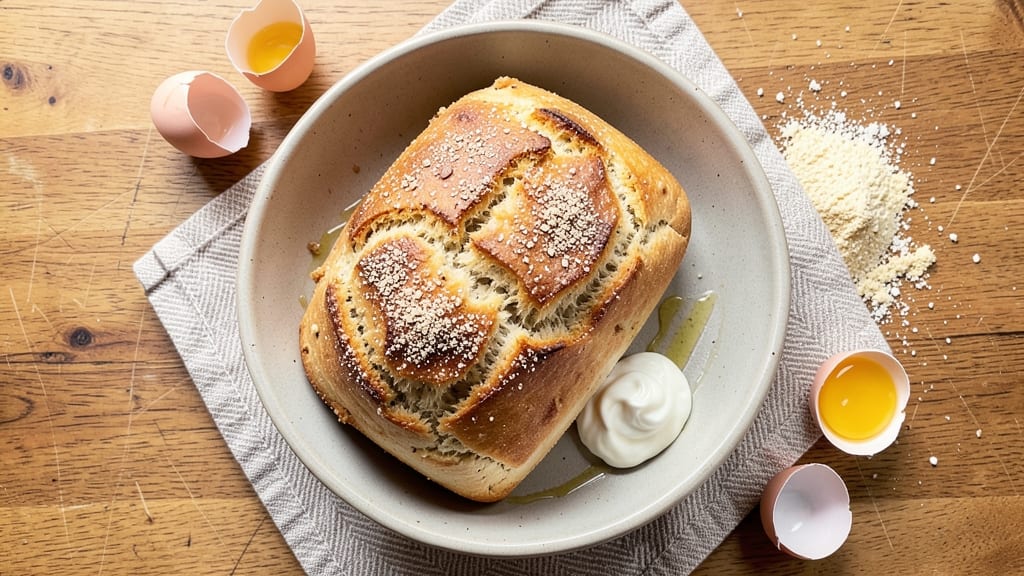
This Atkins low carb bread recipe delivers the perfect fluffy texture without gluten or carbs—ideal for keto and low-carb diets. The secret lies in almond flour and psyllium husk, which create a light, airy crumb while keeping it sturdy enough to toast or slice.
I've perfected this recipe over years of testing, ensuring it bakes up golden and holds together without crumbling.
What sets this bread apart is its versatility—it works as sandwich bread, toast, or even French toast without soaking up excess liquid. The recipe uses eggs for binding, coconut flour for structure, and a touch of cream cheese for richness, all while staying firmly in Atkins compliance.
No special equipment is needed, just a standard loaf pan and basic kitchen tools.
The result is a loaf with a tender crumb and a slightly crisp crust, perfect for your favorite low-carb sandwiches or charcuterie boards. Each slice holds up well, making it practical for meal prep. The best part? It's freezer-friendly, so you can bake a batch and enjoy it all week.
For variations, try adding garlic powder and dried herbs for savory bread, or cinnamon and a touch of sugar-free sweetener for a dessert-style loaf. Whether you're new to low-carb baking or a seasoned pro, this recipe delivers on both flavor and texture without compromising your dietary goals.
Ingredients for atkins low carb bread
Eight ingredients transform into a loaf that rivals regular bread—light, sturdy, and perfect for keto.
| Ingredient | Amount | Notes |
|---|---|---|
| Almond Flour 🌰 | 2 ½ cups | Finely ground, unsweetened |
| Psyllium Husk Powder 🌿 | ½ cup | Key for structure and binding |
| Large Eggs 🥚 | 4 whole | Room temperature for best mixing |
| Cream Cheese 🧀 | 4 oz | Full-fat for richness |
| Coconut Flour 🥥 | ¼ cup | Absorbs moisture well |
| Baking Powder 🍞 | 1 tsp | Aluminum-free preferred |
| Salt 🧂 | ½ tsp | Fine sea salt preferred |
| Garlic Powder 🧄 | 1 tsp | For savory flavor |
| Dried Parsley Flakes 🌿 | 1 tsp | For fresh herb taste |
| Warm Water 💧 | ¾ cup | Activates psyllium husk |
| Xanthan Gum 🧪 | ¼ tsp | For elasticity (optional) |
| Olive Oil 🫒 | 1 tbsp | For greasing loaf pan |
Almond flour is the star here—Bob's Red Mill brand is my go-to for consistent texture. Psyllium husk might be new to your pantry, but it's a game-changer for binding without gluten. Grab it in the baking aisle or online—NOW Foods is reliable. The eggs? Room temperature mixes better, so take them out 20 minutes before baking. Cream cheese adds that buttery richness without dairy guilt—Philadelphia is my pick, but any full-fat brand works. Coconut flour absorbs moisture like crazy, so don't skip measuring it by weight if you're precise (though the cup measure works fine for this recipe).
No almond flour? Sunflower seed flour works in a pinch—though texture will differ slightly. Short on psyllium husk? Flaxseed meal at double the amount helps, but you'll lose some of that signature sturdy crumb. The garlic powder and parsley flakes can be swapped for onion powder and dried basil if that's what you've got. Warm water is crucial—hot water activates psyllium too quickly, while cold water won't blend properly. For extra fluffiness, whisk the eggs until frothy before mixing. And if you're feeling fancy, add 1/4 tsp of cream of tartar to stabilize the batter.
This dough thickens as it sits—mix it up last minute to avoid overworking. Line your loaf pan with parchment for easy removal, and grease it well with olive oil. The bread keeps 5 days at room temperature wrapped in a towel, or 2 weeks in the fridge. For longer storage, slice and freeze—toast straight from frozen for crispy results. Pro tip: Bake an extra loaf. It freezes beautifully and makes toast or French toast in seconds when you're craving carbs.
Why You'll Love This Recipe
- No-Fuss Mixing: Psyllium husk powder does all the heavy lifting—just stir, press, and bake. I swear, my hands stay cleaner than with regular dough, and the eggs bind it so well you’d never guess it’s low-carb.
- Creamy Crunch Magic: That cream cheese isn’t just a binder—it gives every slice a buttery, almost bakery-style softness while the almond flour keeps it from getting gummy. Honestly, my kids don’t even notice it’s "diet bread."
- Weeknight Swiss Army: Toast it for French toast, slice it for sandwiches, or cube it for croutons—this bread handles everything. I keep a loaf in the fridge for quick lunches, and it never gets boring.
- Budget-Friendly Staple: Almond flour is pricey upfront, but one batch stretches for days. Between us, I’ve made this recipe last a full week with zero waste—perfect for when groceries feel tight but cravings don’t.
Step-by-step instructions for Atkins low carb bread
This recipe delivers a surprisingly fluffy, gluten-free loaf that rises like traditional bread—here's exactly how to make it happen.
Mix the Wet Ingredients for a Smooth Base
In a large mixing bowl, combine the 4 whole large eggs with the 4 oz cream cheese, whisking until completely smooth and creamy. This step is crucial—you want to eliminate any lumps since they'll translate into dense pockets in your bread. Add the 1 tbsp olive oil and mix again until fully incorporated.
Next, stir in the 0.75 cup warm water and the 0.5 cup psyllium husk powder—this is where the magic happens. The psyllium will begin to thicken immediately, forming a gel-like consistency. Let this mixture sit for 5 minutes while you prepare the dry ingredients. This resting period allows the psyllium to fully activate and bind properly, which is what gives this bread its signature structure and rise.
Combine Dry Ingredients for Perfect Texture
In a separate bowl, sift together the 2.5 cups almond flour, 0.25 cup coconut flour, 1 tsp baking powder, 0.5 tsp salt, 1 tsp garlic powder, 1 tsp dried parsley flakes, and 0.25 tsp xanthan gum. The sifting step ensures even distribution of all ingredients and prevents any clumping in your final loaf. If you're skipping the xanthan gum (it's optional), reduce the psyllium husk by 0.125 cup to maintain proper binding.
Gradually add the dry mixture to the wet ingredients while folding gently with a spatula. You're aiming for a thick, dough-like consistency that clings to the spatula but isn't so stiff it's impossible to work with. If the mixture feels too dry, add 1 tablespoon of warm water at a time until it reaches the perfect consistency. This blend should hold together when pressed but still be workable—think of it like a very dense, moist cake batter.
Prepare the Loaf Pan for Perfect Rise
Preheat your oven to 350°F and lightly grease an 8x4-inch loaf pan with additional olive oil or line it with parchment paper for easy removal. The pan should be just slightly larger than the final loaf—this ensures the bread rises properly without overflowing. Tap the pan gently on the counter to remove any air bubbles that might have formed during mixing.
Transfer the batter to the prepared loaf pan, spreading it evenly with the spatula. Use the back of the spatula to create a smooth, level top. Here's a pro tip: Don't press down on the batter—this compacts the structure and reduces rise. Instead, gently tap the pan on the counter 2-3 times to eliminate any large air pockets. The batter should come just below the top edge of the pan, allowing room for expansion.
Bake to Golden Perfection with Precision Timing
Place the loaf pan in the preheated oven and bake for 50-60 minutes. The bread is done when the top is golden brown and a toothpick inserted into the center comes out clean (or with just a few moist crumbs clinging to it). Here's where patience pays off—resist the urge to open the oven door early. The steam inside is what creates that beautiful rise and tender crumb.
About 10 minutes before the bread is fully baked, tent the loaf with aluminum foil to prevent the top from browning too quickly. This is especially important if your oven runs hot. When the bread is properly baked, remove it from the oven and let it cool in the pan for 10 minutes. Then transfer it to a wire rack to cool completely—this prevents sogginess and allows the structure to set properly for perfect slicing.
Slice and Serve for Maximum Enjoyment
Once completely cooled, remove the bread from the pan and slice it into 8 even portions using a sharp serrated knife. The internal structure should be light and airy with just a hint of density from the almond flour, while the exterior maintains a pleasant golden-brown crust. Each slice should hold its shape when toasted, with a subtle garlic and parsley flavor that pairs beautifully with butter or your favorite low-carb spread.
For best results, store any leftovers in an airtight container at room temperature for up to 3 days, or freeze individual slices wrapped in plastic wrap for up to 3 months. The bread will keep well and can be easily reheated in the toaster or oven for that fresh-baked texture. This recipe proves you don't need gluten or carbs to enjoy bread that's nearly indistinguishable from the traditional version!
Pro Tips For Making Atkins Low Carb Bread
- Mix Psyllium Last: Mix the psyllium husk powder with the warm water first—it’ll thicken into a gel-like paste that binds the dough better. Stir it in after combining the wet and dry ingredients, or you’ll end up with a lumpy mess that won’t hold together.
- Weigh Your Almond Flour: Scooping almond flour leads to inconsistent batches—this stuff packs differently every time. Use a kitchen scale for precision; even a 5-gram difference affects texture. (Yes, I learned this after three dense, brick-like loaves.)
- Bake Until Internal Temp Hits 205°F: The bread looks done at 190°F, but it’ll keep cooking on the wire rack. Use an instant-read thermometer—waiting for that 205°F reading guarantees a fully set crumb, not a gummy center. (Trust me, your first slice will tell you why.)
- Skip the Preheating Shortcut: Cold pans = uneven baking. Preheat your loaf pan for 10 minutes at 350°F—this ensures the bread rises evenly and doesn’t stick. I used to skip it, and the edges always burned while the middle stayed doughy. (Not worth the hassle.)
Storing and reheating this dish
Room Temperature Storage
This low-carb bread stays fresh for 3-4 days at room temperature when stored properly. Wrap it tightly in a cotton towel or beeswax wrap to maintain moisture—plastic bags trap steam and make it soggy. I like using a canvas bread bag for breathability while keeping out air.
Place it in a cool, dark spot away from sunlight to prevent drying. The psyllium husk keeps it sturdy longer than regular bread, but check for freshness by slicing—it should smell slightly nutty, not stale. 🌰
Fridge Preservation
For extended freshness, refrigerate sliced bread in an airtight container with parchment paper between slices to prevent sticking. It keeps well for 10-14 days this way, though texture may become slightly denser.
To revive stale bread, wrap a slice in a damp paper towel and warm in the toaster for 30-45 seconds—the moisture reactivates the psyllium for that fresh-baked feel. I always slice before storing to avoid drying out the center. 🧂
Freezer Magic
Freezing is where this bread truly shines. Wrap individual slices in plastic wrap and stack them in a freezer bag with parchment between layers. This method preserves texture for 3 months without freezer burn. For quick breakfasts, toast straight from frozen—no thawing needed!
The almond flour creates a crispy exterior while keeping the interior moist. Label bags with dates since low-carb bread can lose freshness faster than wheat-based versions. 🧊
Reheating Secrets
For oven reheating, wrap slices in foil and warm at 300°F for 5-7 minutes—this gently revives the crumb without drying. The toaster works best for quick fixes: 2-3 minutes on medium heat with a sprinkle of water on the element creates steam for extra crispiness.
Microwave reheating is possible but risks rubbery texture—only use for 10-15 seconds on low power if absolutely necessary. Always check internal temperature reaches 165°F for safety. ⚡
Meal Prep Tips
Bake two loaves at once and freeze half for future meals. I portion slices into quart-sized freezer bags with a pat of butter—just grab and toast when hungry. The bread reheats perfectly even after multiple freeze-thaw cycles thanks to the psyllium's stable structure.
For sandwich prep, assemble components separately and toast bread to order to maintain crispness. This method saves time and keeps your low-carb meals exciting all week. 📅
Special Occasion Tricks
For events, bake the bread 1 day ahead and store at room temperature wrapped in a clean kitchen towel. The flavors develop overnight, making it perfect for charcuterie boards. To serve warm, reheat in a 275°F oven for 10 minutes—this gentle heat reactivates the crust without overcooking.
Garnish with fresh herbs or a sprinkle of flaky salt for restaurant-quality presentation. The bread's neutral flavor makes it versatile for both sweet and savory applications. ✨
Nutrition facts
Frequently asked questions
Why does this low-carb bread need psyllium husk?
Psyllium husk is the secret ingredient that mimics gluten's binding properties without the carbs. It forms a gel when mixed with water, creating that signature sturdy yet tender texture. Without it, your bread would crumble or fall apart when sliced. Think of it as the "glue" that holds everything together while keeping the bread light and airy.
Can I make this bread without cream cheese?
Yes, but you'll notice a difference in texture and flavor. Replace the cream cheese with an extra 2 tablespoons of olive oil or 2 tablespoons of melted butter for richness. For a dairy-free version, use 4 ounces of dairy-free cream cheese or an extra 1/4 cup of unsweetened almond milk. The bread will still hold together but may be slightly less tender.
How do I know when the bread is fully baked?
Your bread is done when the top is golden brown and a toothpick inserted in the center comes out clean (or with just a few moist crumbs). The internal temperature should reach 190°F-200°F. Avoid opening the oven door early—this can cause the bread to sink. If the top browns too quickly, tent with foil for the last 10 minutes of baking.
Can I substitute almond flour with another flour?
While almond flour gives the best texture, you can try sunflower seed flour or coconut flour in a pinch. For coconut flour, reduce other dry ingredients by 1/4 cup since it absorbs more moisture. Avoid wheat flour—it'll turn this into a regular loaf! For a nut-free option, oat flour works but may have slightly more carbs. Always measure by weight for best results.
Why did my bread turn out dense instead of fluffy?
Dense bread usually means one of three things: overmixing the batter (which develops gluten-like proteins), not letting the psyllium mixture rest, or underbaking.