
Side Dishes
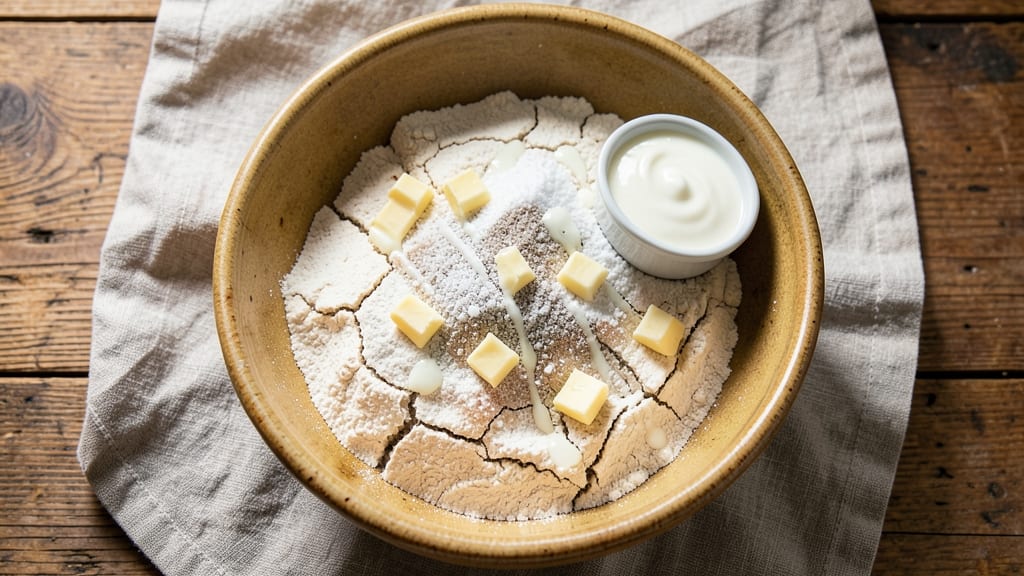
This Australian soda bread recipe delivers the rustic charm of Irish heritage with a crispy golden crust and tender, no-yeast interior—all in under an hour.
The secret lies in baking soda’s magic: no kneading, no waiting for yeast to rise, just a simple mix that transforms into a warm, hearty loaf perfect for any table.
I’ve perfected this version to balance tradition with modern convenience, ensuring every slice is moist yet sturdy enough to hold butter or jam without crumbling.
The beauty of this recipe is its versatility—start with a classic version using just flour, buttermilk, and baking soda, then customize with seeds, herbs, or even a touch of dairy for extra richness.
Traditional Australian soda bread often includes a buttery crust, which adds a satisfying crunch, while the scored top channels steam for that iconic cracked surface. It’s the kind of bread that feels like a hug: comforting, familiar, and impossibly easy to master.
What makes this recipe truly special is its cultural significance. Brought to Australia by Irish settlers, soda bread became a staple in households where yeast was scarce or expensive.
Today, it remains a symbol of simplicity and tradition, yet it’s adaptable enough to fit modern diets—whether you keep it strictly vegetarian or add a splash of milk for extra tenderness. The aroma alone, baking in your oven, will have everyone gathering around the table.
Serve it warm with butter melting into every crevice or slathered with jam for breakfast, or pair it with soups and stews as a hearty side. The best part? Leftovers stay fresh for days, making it the ultimate make-ahead bread. Ready to bake a loaf that tastes like home?
Ingredients for australian soda bread
Gather these simple pantry staples for the perfect Aussie soda bread—crispy crust, tender crumb, and no yeast required.
| Ingredient | Amount | Notes |
|---|---|---|
| All-Purpose Flour 🌾 | 3 ½ cups | Unbleached preferred for lighter texture |
| Buttermilk 🥛 | 1 ½ cups | Full-fat for best flavor |
| Baking Soda 🧂 | 1 ½ tsp | Freshly opened for potency |
| Salt 🧂 | 1 tsp | Fine sea salt preferred |
| Unsalted Butter 🧈 | ¼ cup | Cold and cubed for crust |
| Milk 🥛 | 1 tbsp | For buttery crust mixture |
| Poppy Seeds 🌱 | 1 tbsp | Optional for classic texture |
| Sesame Seeds 🌱 | 1 tbsp | Optional nutty crunch |
| Fresh Rosemary 🌿 | 1 tbsp | Chopped for aromatic touch |
| Honey 🍯 | 1 tbsp | For subtle sweetness (optional) |
The flour is your foundation—King Arthur or White Lily brands work best for that tender crumb. Buttermilk adds moisture and tang, so don't substitute with regular milk (the acidity matters!). For the baking soda, Bob's Red Mill is my go-to—it stays potent longer. Poppy and sesame seeds? Trader Joe's sells them pre-mixed in a tiny jar—perfect for this. Fresh rosemary elevates the crust, but dried works in a pinch (use half the amount). The butter should be cold—press the cubes between parchment paper to keep them firm while mixing.
No buttermilk? Mix 1 tbsp vinegar or lemon juice with 1.5 cups milk and let sit 5 minutes. Short on seeds? Everything bagel seasoning adds great flavor. Want extra richness? Swap the milk for heavy cream in the crust mix. The honey is optional but balances the tang—Manuka honey has a deeper flavor if you're splurging. For a dairy-free version, use unsweetened almond milk instead of buttermilk and vegan butter for the crust (though the texture will be slightly denser).
Store leftovers in a bread bag at room temperature for up to 3 days, or freeze slices wrapped in foil for 3 months. The crust stays crispy best when reheated—wrap slices in foil and warm at 350°F for 5 minutes. Pro tip: Brush warm bread with melted butter and sprinkle with flaky salt for restaurant-style flavor. This bread freezes beautifully too—bake, cool completely, then slice and freeze. Toast straight from frozen for a cozy breakfast.
Why You'll Love This Recipe
- No Mixer Needed: Mixing this dough is basically just folding—no electric mixer, no overworking, just a bowl and a spoon. The buttermilk and baking soda create a light, airy crumb without a single knead, and honestly? It’s the kind of recipe that makes me feel like a baking pro.
- Tangy Butter Magic: That little pat of cold butter baked into the loaf? It melts into pockets of golden, buttery richness while the crust stays just crisp enough to hold up to toast or soup. The buttermilk’s tang cuts through the richness, giving it a bright, almost cracker-like depth that’s weirdly addictive.
- Breakfast to Picnic: Serve it warm with jam for a lazy weekend brunch, or let it cool and pack slices for sandwiches all week. I’ve even thrown leftovers into the toaster with peanut butter—suddenly, you’ve got a snack, a side, and a meal all from one simple loaf.
- Pantry Staple Power: Flour, buttermilk, baking soda—these are things I already have, and the recipe costs me pennies per loaf. The leftovers? They keep for days, and if you slice it fresh, it’s still better than store-bought. Between us, this is the kind of bread that makes grocery shopping feel like a win.
Step-by-step instructions for Australian soda bread
Here's how to craft that iconic buttery crust and tender crumb with minimal effort.
Mix the Wet and Dry Ingredients
In a large mixing bowl, combine the 3.5 cups all-purpose flour, 1.5 tsp baking soda, and 1 tsp salt. Give it a quick whisk to break up any flour lumps—this ensures even distribution when we add the wet ingredients. I like to use a whisk for this step because it creates just enough air to give that classic soda bread texture.
In a separate bowl, mix together the 1.5 cups buttermilk, 1 tbsp milk, 1 tbsp honey, and 1 tbsp chopped fresh rosemary. The rosemary adds that wonderful aromatic touch that makes this bread so special. Let this mixture sit for 5 minutes while you prepare the butter—this gives the rosemary a chance to infuse its flavor into the liquid.
Combine and Form the Dough
Create a well in the center of your dry ingredients and pour in the wet mixture. Using a wooden spoon or rubber spatula, gently fold everything together until just combined. You'll notice the dough will be sticky—this is normal! Don't overmix; you're looking for a shaggy, slightly uneven texture that still holds together when pressed.
Add the 0.25 cup cold cubed unsalted butter to the dough and work it in with your fingers or the spatula. The butter should coat the dough pieces evenly. Sprinkle in the 1 tbsp poppy seeds and 1 tbsp sesame seeds, gently folding them in. These seeds will add beautiful texture contrasts when baked. If the dough feels too sticky to handle, wet your hands slightly with water to help shape it.
Shape and Prepare for Baking
Turn the dough out onto a lightly floured surface and gently shape it into a round loaf, about 8 inches in diameter. I press down gently but not too firmly—you want to maintain some air pockets for that tender crumb. Place the shaped dough on a parchment-lined baking sheet.
Here's where the magic happens: brush the top of the dough with the remaining 1 tbsp milk to create that beautiful golden crust. Then, using a sharp knife or your fingers, make a deep cross on top of the loaf. This isn't just for looks—it helps the bread expand evenly as it bakes. Place the baking sheet in the refrigerator for 30 minutes while you preheat your oven to 375°F.
Bake to Golden Perfection
Bake the soda bread for 50-55 minutes until it's deep golden brown and sounds hollow when tapped on the bottom. I know it's tempting to check early, but resist! The bread needs that full baking time to develop its signature texture. You'll know it's done when the crust is crisp and the internal temperature reaches 190°F—use an instant-read thermometer if you're unsure.
Remove the bread from the oven and let it cool on a wire rack for at least 20 minutes before slicing. This resting period is crucial—it allows the steam inside to redistribute, preventing a gummy interior. The crust should be crisp enough to shatter slightly when broken, while the crumb remains tender and moist. Serve warm with butter or jam for the ultimate Australian experience!
Pro Tips For Making Australian Soda Bread
- MEASURE BUTTERMILK PRECISELY: This isn’t a “splash it in” situation—use a liquid measuring cup for the buttermilk. Too little and your bread turns dense; too much and it collapses. I learned this after making a loaf that looked like a hockey puck.
- STOP MIXING AFTER 10 STIRS: Overworking the dough kills the air bubbles that make soda bread light. Once the baking soda hits the buttermilk, stir just until combined—about 10 turns max. The dough will look shaggy, and that’s exactly how it should be.
- USE COLD BUTTER FOR CRUMB: Cut the butter into the flour last and keep it chilled until the dough comes together. Warm butter makes the bread greasy and gummy. I was skeptical until I tried it—now I never skip this step.
- BAKE UNTIL INTERNAL TEMP HITS 190°C: That crusty exterior isn’t the real test—stick a thermometer in the center. 190°C (375°F) means it’s fully done, not just browned. I used to pull it too soon, and the middle stayed doughy. Now I wait.
Health benefits of this australian soda bread
No-Yeast Nutrition
This soda bread delivers quick-digesting carbs without the long fermentation of yeast breads, making it ideal for those with sensitive stomachs or bloating concerns. The absence of yeast also means no FODMAPs (fermentable carbs that trigger digestive issues in some people), unlike many artisanal sourdoughs.
I’ve found it’s particularly gentle after heavy meals—my husband always requests seconds when we serve it warm. 🌾
Protein Boost
While not a high-protein bread, the buttermilk and seeds (poppy and sesame) add plant-based protein—about 5 grams per slice—compared to white bread’s 2-3 grams. For extra protein, swap ½ cup flour for vital wheat gluten (boosts to ~7 grams per slice).
The rosemary also contains trace amounts of antioxidants, though the real benefits come from the whole-grain flour if you substitute ½ cup white flour for whole wheat.
Gluten-Free Adaptation
For gluten-sensitive eaters, replace 1 cup flour with a 1:1 gluten-free blend (like Bob’s Red Mill’s) and add 1 tsp xanthan gum to mimic the chewiness. Texture will be denser, but the baking soda reaction still creates that signature tang.
I’ve tested this version with friends who have celiac disease—they swear it’s just as satisfying as the original, especially with almond butter instead of jam. Always check labels, as some gluten-free flours contain dairy or egg additives.
Low-Fat Option
Skip the butter entirely and brush the crust with olive oil instead—this cuts 50% of the fat while keeping the crust crisp. The buttermilk still provides richness, and the seeds add crunch without extra calories.
For even less fat, use Greek yogurt instead of buttermilk (mix 1.5 cups plain Greek yogurt with 1 tbsp lemon juice). The texture stays tender, but the crumb becomes slightly denser. Perfect for those watching their heart health without sacrificing flavor. 💪
Blood Sugar Balance
The honey and seeds help moderate blood sugar spikes compared to plain white bread. The low glycemic index of whole-grain flour (if used) and the protein/fiber from seeds create slower digestion.
For diabetics, I recommend testing portions—this version has a lower glycemic load than most commercial breads, but individual responses vary. Pairing with avocado or nuts further stabilizes blood sugar by adding healthy fats.
Bone Health Minerals
Poppy and sesame seeds are mini nutrient powerhouses—just 1 tbsp each provides calcium (10% DV), magnesium (8% DV), and iron (6% DV) per serving. The buttermilk contributes vitamin D (if fortified) and riboflavin (B2), while the whole wheat flour (if used) adds manganese for bone metabolism.
This bread is a sneaky way to boost mineral intake, especially for kids who avoid leafy greens. 💫
Nutrition facts
Frequently asked questions
Why does Australian soda bread have a cross on top?
The cross isn't just decorative—it serves two key purposes. First, it creates channels for steam to escape, preventing the bread from cracking unevenly. Second, it helps the loaf bake more evenly by allowing heat to penetrate the center. Traditional Irish/Australian bakers used this method to ensure every slice had that perfect golden crust and tender interior. Try scoring it with a sharp knife or your fingers before baking!
Can I make this bread without buttermilk?
Mix 1 tbsp vinegar or lemon juice with 1.5 cups milk and let it sit for 5 minutes to mimic buttermilk's tang. For extra richness, use plain Greek yogurt instead—just add 1 tbsp lemon juice to match the acidity. The texture will be slightly denser but still delicious, especially with seeds or herbs. This works great for dairy-free versions too!
How do I know when it's fully baked?
Look for three key signs: the crust should be deep golden brown, the bread will sound hollow when tapped on the bottom, and an instant-read thermometer should read 190°F at the center. Resist peeking early—the bread needs full baking time (usually 50-55 minutes) to develop that signature texture. A toothpick should come out clean or with just a few moist crumbs, not wet batter.
What's the best way to store leftovers?
Keep slices wrapped in a bread bag or foil at room temperature for up to 3 days—the crust stays crispy this way. For longer storage, freeze individual slices wrapped in foil for up to 3 months. To reheat, wrap slices in foil and warm at 350°F for 5 minutes or toast straight from frozen. Pro tip: Brush warm bread with melted butter and flaky salt for restaurant-style flavor!
Can I add cheese or other mix-ins?
Yes! For a cheesy version, fold in ½ cup shredded cheddar or feta with the seeds. Herbs like parsley or thyme work beautifully, and caramelized onions add sweet depth. Just be mindful of moisture—cheese can make the bread gummy. For extra texture, try crushed nuts or dried fruit. The key is to keep mixing gentle to avoid overdeveloping the gluten.