
Side Dishes
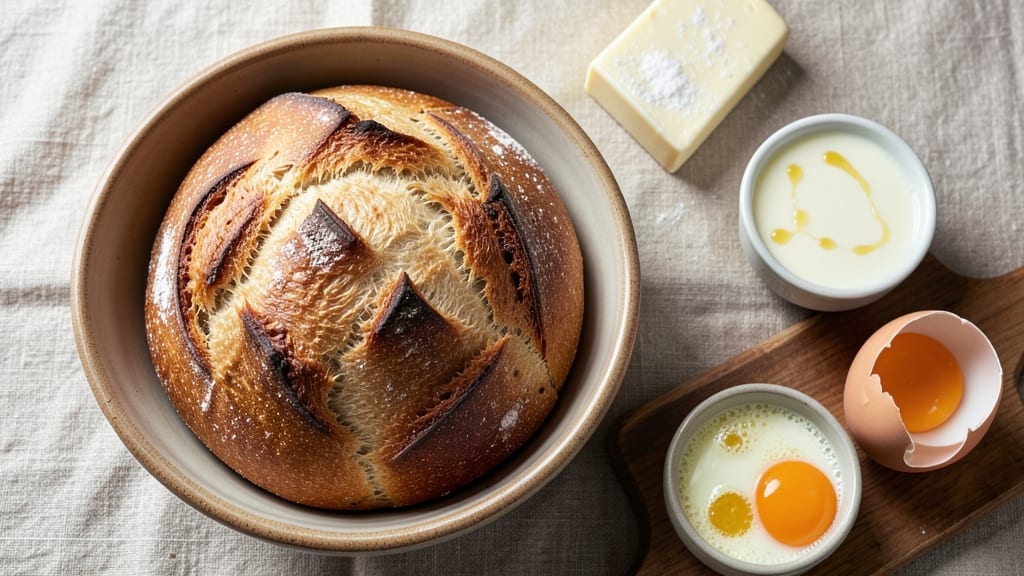
This Austrian bread recipe delivers the perfect balance of cardamom-infused crust and buttery soft crumb, a hallmark of Viennese baking traditions. The subtle warmth of cardamom—common in Austrian pastries—pairs beautifully with the rich, flaky layers that make this bread irresistible.
What sets it apart is the precise technique of lamination, where butter layers unfold during baking to create that signature melt-in-your-mouth texture.
The recipe stays true to Austrian roots while adapting for home bakers, using simple ingredients like high-quality flour, fresh yeast, and European-style butter. Unlike dense loaves, this bread rises high with a crisp, golden crust that gives way to a tender interior.
The cardamom isn’t overpowering—just enough to add an aromatic depth that elevates everyday meals.
Baking this bread requires patience: kneading, proofing, and shaping take time, but the reward is a loaf that smells like a Viennese café. Serve it fresh with butter, jam, or alongside savory dishes like goulash.
The versatility of this recipe makes it perfect for both breakfast and dinner tables, bringing a touch of Austrian elegance to any kitchen.
For those curious about regional variations, Tyrolean versions often include caraway seeds, while Viennese bakeries favor a slightly sweeter dough. This recipe bridges both traditions, offering a foolproof method for achieving professional results at home. Let’s get started on mastering this classic.
Ingredients for austrian bread
Twelve essential ingredients transform into a Viennese-inspired loaf with signature cardamom aroma and flaky layers.
| Ingredient | Amount | Notes |
|---|---|---|
| High-Quality All-Purpose Flour 🌾 | 5 cups | Bread flour preferred for better rise |
| European-Style Unsalted Butter 🧈 | 1 cup | 82% fat content, chilled for lamination |
| Active Dry Yeast 🍞 | ¼ oz | Fresh yeast if available |
| Granulated Sugar 🍚 | ¼ cup | For yeast activation |
| Large Eggs 🥚 | 2 whole | Room temperature for blending |
| Whole Milk 🥛 | ¾ cup | Warmed to 110°F for yeast |
| Ground Cardamom 🌿 | 1 tbsp | Freshly ground for maximum aroma |
| Diamond Crystal Kosher Salt 🧂 | 1 ½ tsp | Adjust to taste |
| Water 💧 | ½ cup | Room temperature |
| Cornmeal 🌽 | ¼ cup | For dusting work surface |
| Sesame Seeds 🌰 | 1 tbsp | Optional for crust decoration |
| Coarse Sea Salt 🧂 | 1 tbsp | For final sprinkle |
The butter is non-negotiable—European-style with 82% fat content ensures proper lamination. Plugrá or President brands are ideal, but any high-fat unsalted butter works if chilled properly. Cardamom should be freshly ground (pre-ground loses potency quickly) and purchased from Penzeys or specialty spice shops for authentic flavor. The yeast requires warmth: test your oven light bulb method or use a thermometer to maintain 110°F water. Flour matters too—bread flour yields a better rise, but all-purpose creates a slightly softer crumb if you're short on time.
No European butter? Plugrá or Land O'Lakes European-style are widely available at Whole Foods or King Arthur Flour. Substitute cardamom with equal parts cinnamon and nutmeg for warmth, though the flavor won't be identical. For a sweeter crust, add 1 tbsp honey to the dough. The sesame seeds can be omitted if unavailable—focus instead on the coarse sea salt finish for that authentic Viennese touch. Proofing times vary by climate: if your kitchen runs warm, reduce proofing by 15-20 minutes to prevent over-rising.
Store wrapped in parchment paper at room temperature for 3-4 days—the crust stays crisp best when not refrigerated. For longer storage, freeze the loaf unwrapped for 2-3 months, then thaw at room temperature before serving. Reheat slices in a 350°F oven for 5 minutes to restore freshness. The cardamom aroma intensifies as the bread cools, so slice just before serving. This loaf freezes beautifully for gifts—wrap tightly in foil and tie with twine for a rustic presentation.
Why You'll Love This Recipe
- No-Knead Magic: This dough comes together in five minutes—just mix, let it rise overnight, and bake. Honestly, I’ve made it while scrolling through my phone. The yeast and butter do all the heavy lifting while you sleep.
- Butter So Rich: That European-style unsalted butter? It melts into the bread like a hug—golden crust, tender crumb, and a subtle sweetness from the sugar. (Yes, even on a Tuesday night.) The eggs bind it just enough to keep it moist without being heavy.
- Weeknight Hero: Slice it warm for breakfast, pack it for lunch, or serve it at dinner with soup—it’s the ultimate blank canvas. My kids grab it straight from the pan, and I freeze slices for toast later. No waste, all win.
- Budget-Friendly Luxury: A single batch costs less than takeout but feels like a bakery treat. The flour and butter stretch far, and the dough’s simplicity means no fancy ingredients. (Between us, this is how I trick people into thinking I’m a better cook than I am.)
Step-by-step instructions for Austrian bread with cardamom crust
Mastering this recipe delivers a signature Austrian loaf with aromatic cardamom and a buttery, crackling crust.
Activate the Yeast and Prepare the Dough Base
In a small bowl, combine the 0.5 cup water, 0.25 cup granulated sugar, and 0.25 oz active dry yeast. Let it sit for 5-10 minutes until frothy—this confirms the yeast is active. If it doesn't bubble, start over with fresh yeast. Meanwhile, in a stand mixer fitted with the dough hook, combine the 5 cups high-quality all-purpose flour and 1.5 tsp diamond crystal kosher salt. Mix on low speed until evenly distributed.
In a separate bowl, whisk together the 0.75 cup whole milk (warmed to 110°F) and 1 tbsp ground cardamom. This infusion creates the bread's signature aromatic profile. With the mixer running on low, gradually add the yeast mixture and milk-cardamom blend to the flour. Increase speed to medium and knead for 5 minutes until the dough begins to pull away from the bowl. The dough should be smooth and slightly tacky but not sticky.
Incorporate Butter and Develop Gluten
Cut the 1 cup European-style unsalted butter into small cubes and let them soften slightly at room temperature. Add the butter to the dough one piece at a time, allowing each to incorporate fully before adding the next. Increase mixer speed to medium-high and knead for an additional 8-10 minutes until the dough becomes elastic and slightly firm. The butter should be fully distributed, creating a laminated texture that contributes to the bread's tender crumb.
Test the dough by performing the "windowpane test": stretch a small piece between your fingers. If it thins to translucent without tearing, the gluten has developed properly. If not, knead for another 2-3 minutes. Shape the dough into a ball, place it in a lightly oiled bowl, cover with a damp towel, and let it rise in a warm place for 1-2 hours or until doubled in size.
Laminate the Dough for Flaky Layers
Turn the risen dough onto a lightly floured surface and divide it into 4 equal portions. Roll each portion into a 12-inch rectangle, about 1/8-inch thick. Spread 1/4 of the 1 cup European-style unsalted butter evenly over the surface, leaving a 1/2-inch border uncovered. Starting from the long side, tightly roll the dough into a log, sealing the edges. Repeat with the remaining dough and butter. Place the logs seam-side down in a greased 9x5-inch loaf pan and cover with a damp towel.
Let the dough rise again for 45-60 minutes until it fills the pan and the top springs back slowly when pressed. Preheat your oven to 375°F while the dough rises. The butter layers should be visible through the dough, promising a flaky, buttery texture once baked.
Bake to Golden Perfection
Brush the risen dough with a beaten egg (from the 2 whole large eggs) for a golden finish. Sprinkle 1 tbsp coarse sea salt and 1 tbsp sesame seeds evenly over the top. Bake for 30-35 minutes until the bread is deeply golden and sounds hollow when tapped on the bottom. If the top browns too quickly, tent loosely with foil to prevent over-browning while ensuring the interior bakes through.
Remove the bread from the oven and transfer it to a wire rack to cool for 10 minutes. The crust should be crisp and crackly, while the interior should remain soft and pillowy. For best results, serve warm with a pat of the remaining European-style unsalted butter or a smear of jam. The cardamom-infused crust pairs beautifully with the buttery crumb, delivering an authentic Austrian experience.
Pro Tips For Making Austrian Bread
- Chill the Dough: After the first rise, pop that dough in the fridge for 12–24 hours. I know, it’s tempting to rush straight to baking, but this slow fermentation develops deeper flavor—especially with that European-style butter. Your bread will taste like it came from a Viennese bakery, not your kitchen.
- Cut Cold Butter: Use a sharp knife to cube the cold butter before mixing it into the dough. Warm butter melts too fast and turns your bread dense. Small cubes (about ½-inch) distribute evenly without disappearing into the dough—trust me, your layers will thank you.
- Skip the Overproofing: Watch the dough closely—it should double in size, but not collapse or look puffy like a balloon. Overproofing kills the rise, and you’ll end up with a sad, flat loaf. If you’re unsure, press a finger gently into the dough: it should spring back slowly, not bounce right away.
- Brush with Egg Wash: Whisk the egg with a splash of water (about 1 tablespoon) for a glossy finish. A dry egg wash cracks and looks patchy—this thin wash gives that golden, bakery-style crust Austrian bread deserves. Brush it on right before baking, and don’t skip the second coat after 10 minutes in the oven.
Storing and reheating this recipe
Room-Temp Storage
Keep your Austrian bread at room temperature for up to 3 days in an airtight container or wrapped tightly in parchment paper. The cardamom aroma intensifies as it cools, so slice just before serving.
Store it on a wire rack to maintain that crisp crust—never in a plastic bag, which traps moisture and makes the bread soggy. 💛
For extra freshness, place a small piece of bread in the container with the loaf. This helps absorb excess moisture and keeps the crust crackly. I like to use a ceramic bread box from Le Creuset for that authentic Viennese café feel.
If your kitchen is humid, consider adding a silica gel packet to the container.
Freezer Preservation
Freeze this bread unwrapped for up to 3 months—the crust stays crisp best when not sealed in plastic. Wrap it tightly in foil first, then place in a freezer bag with all air squeezed out.
Label with the date to track freshness. Thaw at room temperature for 2-3 hours before serving. 🧊
For gift-giving, freeze the loaf and wrap it in twine with a sprig of fresh rosemary tied around it. This makes a stunning presentation while keeping the bread fresh for weeks.
Avoid reheating frozen bread in the microwave—it turns gummy. Instead, slice and warm in a 350°F oven for 5 minutes to restore that golden crust.
Reheating Secrets
To revive stale bread, slice it and reheat in a skillet over medium heat for 1-2 minutes per side with a pat of butter. The residual cardamom flavor becomes even more pronounced when warmed this way.
For a crispy crust, broil for 1-2 minutes (watch closely to avoid burning). 🔥
If you prefer oven reheating, wrap slices in foil and bake at 350°F for 5-7 minutes. The foil traps steam, preventing the bread from drying out. For a toasted finish, remove the foil in the last minute and broil briefly.
This method works best for thicker slices—thin slices reheat faster and may over-bake.
Gift-Worthy Packaging
For a professional touch, wrap cooled bread in parchment paper, then place it in a gift box lined with tissue paper. Tie with twine and add a sprig of fresh rosemary or a cardamom pod for an aromatic gift.
This presentation makes it feel like a specialty bakery treat. 🎁
If gifting frozen bread, include a handwritten note with reheating instructions. I like to add: "Slice and warm in a 350°F oven for 5 minutes—just like fresh from a Viennese bakery!" This personal touch elevates the gift beyond just the bread itself.
Nutrition facts
Frequently asked questions
Why does this Austrian bread use cardamom?
Cardamom is traditional in Austrian baking, especially in Viennese pastries, where it adds a warm, aromatic depth without overpowering. The spice pairs beautifully with the buttery layers, creating that signature flavor you'd find in a Viennese café. It's subtle enough to complement both sweet and savory dishes.
Can I make this bread without a stand mixer?
Yes! You can knead the dough by hand for 10-12 minutes until it becomes elastic and smooth. For the butter incorporation, use a wooden spoon or your hands to work the butter into the dough gradually. The key is patience—let the dough rest for 5 minutes between foldings to develop gluten properly.
What makes the crust so crispy?
The crisp crust comes from three key techniques: lamination (butter layers), egg wash (for browning), and coarse sea salt (which draws out moisture). The butter layers create steam during baking, while the salt helps form a crackly exterior. Baking at 375°F ensures even browning without overcooking the interior.
How do I know when the dough is fully proofed?
Press the dough gently with one finger. If it springs back slowly (not immediately) and leaves a slight indentation, it's ready. For visual confirmation, the dough should fill about 75% of the pan and have puffy, rounded edges. In warm kitchens, proofing may take 45-60 minutes; in cooler ones, it could take up to 2 hours.
Can I substitute cardamom with another spice?
For warmth, try a mix of ½ tsp cinnamon + ¼ tsp nutmeg—this mimics cardamom's earthy notes. Avoid anise or cloves, as they'll overpower the bread's delicate flavor. If you omit it entirely, the bread will still taste great but lose its signature Viennese aroma.