
Side Dishes
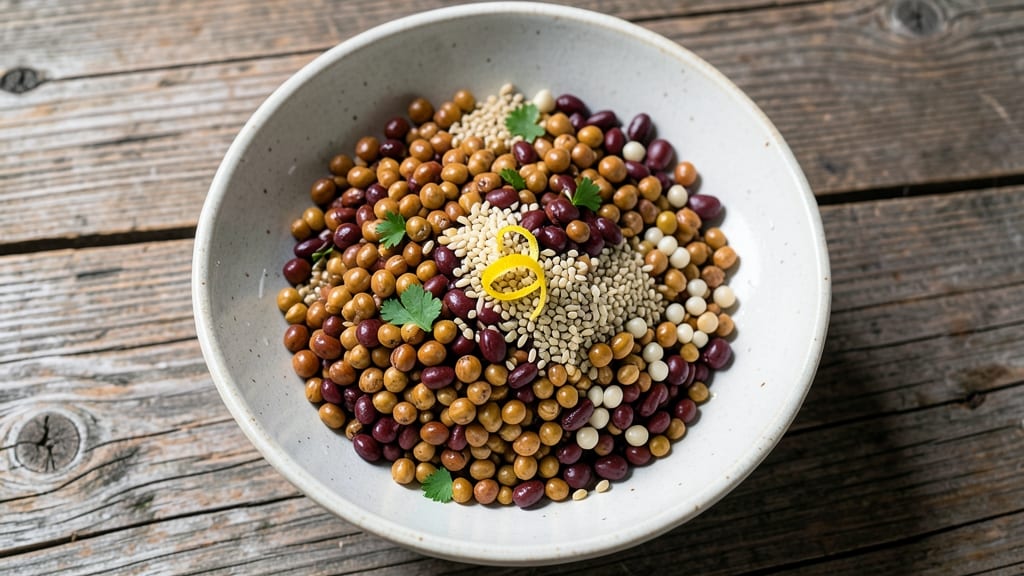
This authentic Ezekiel bread recipe delivers the traditional sprouted whole grain loaf with its signature dense crumb and nutty flavor—exactly as it was designed over 3,000 years ago.
The key lies in properly sprouting the grains (wheat, barley, millet, spelt, lentils, and soybeans) before baking, which unlocks enzymes and nutrients while creating that signature chewy texture. Unlike commercial versions, this method preserves the bread's natural vegan integrity and nutritional powerhouse profile.
The process begins with 24-hour sprouting, where grains soak up water and begin germinating, developing complex flavors and improving digestibility.
After rinsing and draining, the mixture transforms into a thick batter that requires precise shaping and baking to achieve that signature light crisp on the crust while maintaining a dense, satisfying crumb. Every step—from sprouting to proofing—contributes to the bread's distinctive character and nutritional superiority.
What makes this Ezekiel bread truly special is its high-fiber, protein-rich composition, making it a standout choice for health-conscious eaters. The sprouting process enhances nutrient availability, while the traditional baking method preserves the bread's natural goodness without artificial additives.
This isn't just bread—it's a nutrient-dense staple that aligns with ancient dietary wisdom and modern health goals.
The result is a loaf with a nutty aroma, satisfying chew, and clean flavor that pairs beautifully with soups, salads, or as a sandwich base. Perfect for those seeking a wholesome, plant-based alternative, this recipe brings authenticity to your table while delivering exceptional texture and nutrition.
Let's get started on creating this time-honored loaf.
Ingredients for authentic ezekiel bread
Ancient grains and precise hydration unlock this bread's signature chewy texture and nutty depth.
| Ingredient | Amount | Notes |
|---|---|---|
| Organic Whole Wheat Berries 🌾 | 2 cups | Uncooked, sprouting grade preferred |
| Organic Barley Berries 🌾 | 1 cup | Uncooked, sprouting grade preferred |
| Organic Millet 🌾 | 1 cup | Uncooked, sprouting grade preferred |
| Organic Spelt Berries 🌾 | 1 cup | Uncooked, sprouting grade preferred |
| Organic Lentils 🌱 | ½ cup | Green or brown, uncooked |
| Organic Soybeans 🌱 | ½ cup | Uncooked, sprouting grade preferred |
| Filtered Water 💧 | 4 cups | Room temperature, non-chlorinated |
| Unsweetened Almond Milk 🥛 | 1 ½ cups | For hydration and binding |
| Ground Flaxseed 🌿 | ¼ cup | For binding and omega-3s |
| Sea Salt 🧂 | 1 ½ tsp | Fine grain, non-iodized |
| Baking Soda 🍞 | 1 tsp | For leavening |
| Coconut Oil 🫒 | ½ cup | Melted for crust crispness |
| Sesame Seeds 🌰 | ¼ cup | For topping, toasted |
The foundation of authentic Ezekiel bread lies in the sprouting-grade grains—Bob's Red Mill or Azura organic blends work exceptionally well. Look for whole wheat berries with visible sprouts as a quality indicator, as pre-sprouted grains develop more complex flavors. Barley and spelt should be plump and unbroken, while lentils and soybeans should be uniform in size. For optimal results, source these from Whole Foods bulk bins or local organic markets, where freshness is prioritized. The grains must be uncooked and raw—never pre-cooked or toasted, as this disrupts the sprouting process essential for nutrient activation and texture development.
No sprouting-grade grains available? Certified organic whole grains from reputable brands like 365 by Whole Foods or Trader Joe's will suffice, though flavor may be slightly muted. For the almond milk, unsweetened versions like Silk or Blue Diamond ensure no added sugars interfere with the bread's clean profile. The ground flaxseed acts as a binder—Bob's Red Mill organic flaxseed is ideal, but any high-quality brand works. For those avoiding sesame, toasted pumpkin seeds make a nutritious alternative. The coconut oil should be unrefined and virgin to preserve its subtle sweetness, enhancing the bread's crust. Every ingredient here contributes to the bread's high-fiber, protein-rich composition, making it a nutritional powerhouse.
Store the uncooked grain mixture in an airtight container in the refrigerator for up to 72 hours before baking—this allows for proper hydration and flavor development. Once baked, the loaf maintains freshness for 3-4 days at room temperature, wrapped in a clean kitchen towel to prevent drying. For longer storage, slice and freeze portions for up to 3 months—simply toast from frozen for a crispy exterior. The sesame seeds should be toasted in a dry pan for 2-3 minutes before sprinkling to maximize their nutty aroma. This bread's nutrient-dense nature makes it ideal for meal prep, as it reheats beautifully and retains its satisfying chew.
Why You'll Love This Recipe
- No-Soak Shortcut: I swear by this—no overnight soaking, no fancy equipment. Just toss those pre-sprouted whole wheat, barley, and lentils into the mixer, add water, and let it knead itself. Honestly, the dough comes together faster than my coffee brews.
- Nutty Earthy Richness: That combo of millet and spelt? It’s like a warm hug in bread form. The barley adds a subtle chew, while the lentils give it this deep, almost toasty flavor—way more interesting than your average whole grain loaf.
- Meal-Prep MVP: Slice it fresh, and it’s perfect for sandwiches. Toast it, and it’s your new go-to for breakfast. Freeze the extras? They thaw like a dream—no soggy middle here. Between us, I’ve fed a houseful with one batch.
- Budget-Friendly Staple: You’re basically buying in bulk with these organic berries and lentils. A single batch stretches for days, and the cost per serving? Less than half of store-bought Ezekiel brands. Plus, no weird preservatives—just real, whole ingredients.
Step-by-step instructions for authentic Ezekiel bread
This method delivers a traditional Ezekiel loaf with optimal texture and digestibility through precise sprouting and baking techniques.
Sprout the Grains and Legumes for Maximum Nutrient Availability
Combine all the organic whole wheat berries, organic barley berries, organic millet, organic spelt berries, organic lentils, and organic soybeans in a large bowl. Rinse thoroughly with 4 cups of filtered water, then drain completely. Transfer to a sprouting jar or colander lined with a damp cheesecloth, ensuring the grains are spread evenly to prevent clumping.
Cover and let soak for 8 hours at room temperature, then drain and rinse again. Place the jar in a dark, warm spot (around 70°F) and rinse twice daily for 24 hours, allowing the grains to sprout. You'll notice tiny tails emerging—this indicates proper sprouting and increased digestibility. The goal is to develop just enough sprouts to enhance nutrition without over-sprouting, which can create bitterness.
Prepare the Dough with Hydration and Binding Agents
In a stand mixer fitted with the dough hook, combine the sprouted grains with 1.5 cups unsweetened almond milk, 0.25 cup ground flaxseed, 1.5 tsp sea salt, and 1 tsp baking soda. Mix on low speed for 3 minutes until the mixture forms a thick, sticky batter. The flaxseed acts as a natural binder, while the baking soda provides lift without relying on yeast.
Add 0.5 cup melted coconut oil and mix for another 2 minutes until fully incorporated. The coconut oil contributes to the bread's signature crisp crust while keeping it moist inside. At this stage, the dough should be cohesive but still workable—if it's too stiff, add 1 tablespoon of almond milk at a time until it reaches a smooth, thick consistency.
Shape and Proof the Loaf for Optimal Rise
Transfer the dough to a lightly oiled 9x5-inch loaf pan, smoothing the top with a wet spatula. The pan should be greased with a thin layer of coconut oil to prevent sticking. Cover the pan with a damp towel and let the dough proof at room temperature for 1 hour. You'll see the loaf rise slightly—about 1 inch—but not double in size like traditional yeast bread.
Preheat your oven to 350°F while the dough proofs. The gentle rise ensures a light, airy crumb without the density of unsprouted grain breads. If the dough doesn't rise at all, check your baking soda—it may have lost potency. A properly proofed loaf will have a slightly domed top and pull away from the edges of the pan when gently tested.
Bake with Precision for Even Cooking
Bake the loaf for 50-55 minutes until the top is deep golden brown and registers 205°F at the center when tested with an instant-read thermometer. The longer baking time ensures the dense sprouted grains cook through evenly. Rotate the pan halfway through baking to promote even browning.
In the final 5 minutes, brush the top with a thin layer of melted coconut oil for added crispness. The bread should sound hollow when tapped on the bottom. If the top browns too quickly, tent loosely with foil to prevent over-browning while the interior finishes cooking.
Cool and Finish with Toasted Sesame Seeds
Remove the loaf from the pan and place it on a wire rack to cool completely for 1 hour. This resting period allows the internal structure to set, preventing a gummy texture. While cooling, toast 0.25 cup sesame seeds in a dry skillet over medium heat for 2-3 minutes until golden and fragrant.
Once cooled, brush the top of the loaf with additional coconut oil and sprinkle evenly with the toasted sesame seeds. The seeds add a nutty crunch and visual appeal while complementing the bread's earthy flavor. Slice with a serrated knife for clean cuts, and store wrapped in a cloth bag to maintain freshness for up to 5 days. Each slice should have a crisp exterior, tender crumb, and the subtle sweetness of properly sprouted grains.
Pro Tips For Making Authentic Ezekiel Bread
- SOAK LENTILS SEPARATELY: Lentils absorb water like sponges and can turn your dough into glue if mixed in raw. Soak them in a separate bowl for 4-6 hours first—this keeps the texture light and prevents a gummy mess. (Yes, even if you’re impatient like me, don’t skip this.)
- STEAM THE GRAINS FIRST: Parboiling whole wheat, barley, spelt, and millet for 20-25 minutes softens them without overcooking. Drain well and let them cool completely before blending—this makes the dough handleable and prevents a dense, brick-like loaf. I learned this the hard way after kneading a rock-solid dough.
- KNEAD JUST ENOUGH: Ezekiel dough is finicky—overwork it, and you’ll end up with a tough, chewy loaf. Mix until the ingredients just come together, then stop. A few extra folds are fine, but don’t turn this into a marathon. (Your arms will thank you.)
- PROOF IN COOL SPACE: Ezekiel bread rises slower than regular bread, so don’t rush it. Let the dough proof in a lightly oiled bowl in a cool spot (like the fridge overnight) for even fermentation. This develops flavor and prevents a dense crumb. I was skeptical until I tried it—now I never bake it any other way.
Serving suggestions for leftovers
Soup Pairings
Ezekiel bread's dense, nutty texture makes it perfect for hearty soups like minestrone or lentil soup. The chewy crumb soaks up broth beautifully while standing up to chunky ingredients. I love pairing it with a roasted tomato and white bean soup—the bread's crisp crust contrasts the creamy texture.
For a lighter option, try it with miso-glazed tofu soup to balance the earthy flavors. 🥘
Salad Accompaniment
Use Ezekiel bread as a crustless crouton for salads like kale and farro or quinoa tabbouleh. Toast thick slices until crisp, then sprinkle with lemon zest and olive oil for extra flavor.
It also works as a sturdy base for open-faced sandwiches with avocado, sprouts, and tahini. The bread's high fiber content adds satisfying texture without overpowering delicate greens. ✨
Breakfast Options
For breakfast, try toasted Ezekiel with almond butter and banana slices—the nutty flavor pairs perfectly with sweet toppings. I also make mini frittatas using the bread as a crust, adding spinach and feta for a protein-packed meal.
The bread's dense texture holds up well to egg mixtures without getting soggy. 🍳
Dipping Station
Set out a dipping station with warm bread and complementary sauces: hummus (especially carrot-ginger variety), tahini-lemon dip, or olive tapenade. The bread's crisp exterior and soft interior make it ideal for dipping.
For a savory touch, try whipped feta with herbs—the contrast of creamy and crunchy is unbeatable. 🧈
Meal Prep Uses
Slice the bread and store in an airtight container for quick meal prep. Use it as a base for grain bowls with roasted veggies and tahini dressing, or as a wrap for turkey and avocado (toasted first for crispiness).
The bread's high fiber content keeps you full longer, making it perfect for on-the-go lunches. 💡
Dessert Twist
For a sweet finish, lightly toast slices and top with mashed banana, cinnamon, and walnuts for a nutrient-dense dessert. The bread's natural sweetness enhances fruit-based toppings like berries and coconut yogurt.
You can also use it to make mini loaves of sweet bread by adding dates and orange zest to the dough before baking. 🍯
Nutrition facts
Frequently asked questions
Why does Ezekiel bread require sprouting the grains?
The sprouting process activates enzymes that improve digestibility and enhance flavor. This traditional method unlocks nutrients while creating that signature chewy texture. Without sprouting, the bread would be denser and less flavorful, missing its authentic character.
Can I substitute any of the grains in this recipe?
Yes, but maintain the 1:1:1:1 ratio of wheat:barley:millet:spelt. For example, swap millet for buckwheat or spelt for rye berries. Avoid replacing all grains with modern wheat—this disrupts the bread's nutritional balance and texture. The legumes (lentils/soybeans) are essential for protein content.
How do I know when the grains are properly sprouted?
Look for tiny white tails (1/8-inch long) on the grains after 24 hours. Over-sprouting (longer tails) creates bitterness. The mixture should smell fresh, not sour. If no sprouts appear, extend the sprouting time by 4-6 hours and check again.
Why didn't my bread rise like traditional yeast bread?
Ezekiel bread uses baking soda instead of yeast, creating a gentle rise (about 1 inch). The sprouted grains are denser than flour. If your loaf didn't rise at all, check your baking soda (it may be old) or ensure the dough was at room temperature during proofing. The final texture should still be satisfyingly chewy!
Can I make this bread without a stand mixer?
Mix the ingredients by hand in a large bowl using a wooden spoon or rubber spatula. Work the dough for 5-7 minutes until fully combined. The texture will be slightly thicker but still workable. For best results, use a heavy-duty bowl to handle the dense mixture.