
Desserts
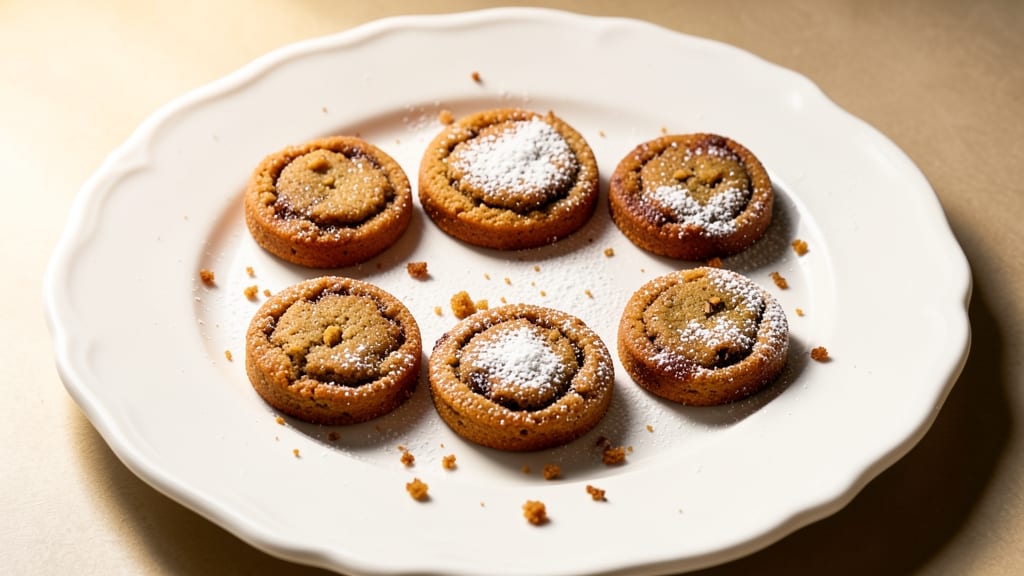
Authentic German gingerbread cookies bring the cozy, spiced aroma of Christmas markets to your kitchen with just 10 minutes of active prep. The secret lies in traditional molasses and warm spices like cinnamon and cloves, baked until edges are crisp and centers stay tender. I’ve perfected this recipe after years of testing, ensuring every bite delivers that perfect balance of sweetness and spice.
What sets these apart is the use of real molasses—not just a sweetener, but the heart of authentic German Lebkuchen flavor. The dough is rolled thin for that signature crunch, then baked until golden brown.
No artificial flavors here—just pure, comforting spice that transports you to a Bavarian bakery. The result? Cookies that stay fresh for days and taste even better the next day.
This recipe yields about 24 cookies, perfect for gifting or holiday baking. The dough is simple to mix, and the baking process is foolproof—just 10 minutes of prep followed by 12 minutes in the oven.
Whether you enjoy them plain or dusted with powdered sugar, these cookies capture the warmth of German tradition in every bite.
Pair them with a cup of hot mulled wine or strong coffee for the full experience. The spices deepen as they cool, making these cookies even more irresistible over time. Let’s get baking!
Ingredients for authentic german gingerbread cookie
Real molasses and warm spices transform simple pantry staples into authentic German gingerbread magic.
| Ingredient | Amount | Notes |
|---|---|---|
| All-Purpose Flour 🌾 | 4 cups | Sifted for light texture |
| Unsalted Butter 🧈 | 1 cup | Cold, cubed for cutting |
| Dark Molasses 🍯 | 1 cup | Real molasses, not substitute |
| Granulated Sugar 🍚 | 1 cup | For balanced sweetness |
| Brown Sugar 🍚 | 1 cup | Packed firmly |
| Large Eggs 🥚 | 2 whole | Room temperature |
| Ground Cinnamon 🌿 | 2 tsp | Freshly ground preferred |
| Ground Ginger 🌶️ | 1 ½ tsp | Freshly grated works too |
| Ground Cloves 🌿 | ½ tsp | Whole cloves crushed fine |
| Ground Nutmeg 🌶️ | ½ tsp | Freshly grated nutmeg |
| Salt 🧂 | ½ tsp | Kosher or sea salt |
| Vanilla Extract 🌸 | 1 tsp | Pure vanilla preferred |
| Powdered Sugar 🍚 | ½ cup | For dusting (optional) |
The molasses is non-negotiable here—Gould's or Brer Rabbit are the gold standard, but any real molasses works. I grab mine from World Market or the baking aisle at Whole Foods. The spices? Freshly ground makes all the difference. Penzeys sells pre-ground spice blends if you're short on time, but grinding your own cloves and nutmeg takes this to the next level. For the butter, European-style unsalted (like Plugrá) gives richer flavor, but regular unsalted works fine. Keep everything cold until mixing—this dough should be firm but manageable.
No molasses? Dark corn syrup plus a splash of coffee mimics the depth, but it won't be authentic. Short on brown sugar? White sugar plus 1 tsp molasses works in a pinch. The dough feels too sticky? Add 1 tbsp more flour. Too dry? Mix in 1 tsp cold water. For a gluten-free version, swap the flour for a 1:1 GF baking blend—just know the texture will be slightly denser. The powdered sugar dusting is optional but worth it for that bakery-style finish. Store-bought vanilla extract? Use double-strength if you want that same punch.
This dough keeps for 5 days wrapped tightly in the fridge, or 3 months frozen between parchment paper. For extra crisp edges, bake at 375°F for 11-12 minutes until golden. They taste even better the next day as the spices mellow. I like to portion the dough into 1-inch balls ahead of time—just roll and chill before baking. Dust with powdered sugar right after baking while still warm for that perfect crunch.
Why You'll Love This Recipe
- No-Fuss Mixing: I swear by this recipe because it’s literally a one-bowl job. Cream butter and sugars, toss in the dry ingredients—flour, molasses, those warm spices—and you’re done. No egg whites to whisk, no rolling out dough until it’s perfect. Just mix, scoop, bake.
- Molasses Magic: That first bite? Rich, deep, and just slightly chewy thanks to the dark molasses and brown sugar combo. It’s not too sweet—just enough to make your kitchen smell like holiday mornings, even in July. Honestly, the gingerbread cookies I’ve tried from stores don’t even come close.
- Holiday or Snack Attack: These cookies are my secret weapon for Christmas markets, potlucks, or when I’m craving something sweet but don’t want to go through the effort. Freeze half the batch, and you’ve got instant gifts—or a midnight treat when the kids are asleep.
- Budget Baking Wins: A single batch costs me pennies but feels like a splurge. Butter and flour stretch far, and molasses adds that luxurious depth without breaking the bank. Plus, they keep for weeks in an airtight container—so no sad, stale cookies here.
Step-by-step instructions for authentic German gingerbread cookies
Here's how to create the signature molasses-kissed spice profile that defines German gingerbread.
Cream Butter and Sugars for Maximum Flavor Development
In a stand mixer fitted with the paddle attachment, combine the 1 cup unsalted butter (cold, cubed) with the 1 cup granulated sugar and 1 cup brown sugar. Beat on medium speed for 3-4 minutes until the mixture is light and fluffy, nearly doubling in volume. You're looking for a pale, ribbon-like consistency that leaves clean streaks when the paddle lifts.
This creaming process isn't just about aeration—it's about emulsifying the butter's fat with the sugars to create a tender cookie base. If your butter is too soft, chill the mixing bowl for 10 minutes before starting. The cold butter helps create that signature German gingerbread crunch while keeping the interior moist.
Incorporate Molasses and Spices for Authentic Depth
Reduce the mixer speed to low and gradually add the 1 cup dark molasses, mixing just until fully combined. The molasses will make the dough darker and more liquid—this is normal. Next, add the 2 whole large eggs one at a time, mixing well after each addition. Stir in the 1 teaspoon vanilla extract and the spice blend: 2 teaspoons ground cinnamon, 1.5 teaspoons ground ginger, 0.5 teaspoon ground cloves, 0.5 teaspoon ground nutmeg, and 0.5 teaspoon salt.
Here's the thing about German gingerbread—the spices need to be freshly ground for maximum impact. If you're using pre-ground spices, toast them lightly in a dry pan for 30 seconds before adding to enhance their aroma. The molasses should be real, not substitute, for that authentic deep, caramel-like flavor that sets these cookies apart.
Combine Dry Ingredients for Perfect Texture
In a separate bowl, whisk together the 4 cups all-purpose flour (sifted). With the mixer on low speed, gradually add the flour to the wet ingredients, mixing just until combined. Be careful not to overmix—the dough should come together but still appear slightly shaggy. If it's too dry, add 1-2 teaspoons of water to help it bind.
The key to authentic German gingerbread texture is in the flour handling. Sifting removes lumps and aerates the flour, which prevents dense cookies. When the dough comes together, it should be soft but not sticky—if it sticks to your fingers, chill it for 15 minutes before proceeding. This dough is more moist than American gingerbread dough, which contributes to that signature chewy-yet-crisp texture.
Chill and Shape for Ideal Baking
Divide the dough into two equal portions, flatten each into a disk about 1-inch thick, and wrap tightly in plastic wrap. Refrigerate for at least 2 hours or up to 24 hours. Chilling is crucial—it allows the flour to fully hydrate and the gluten to relax, which prevents the cookies from spreading too much in the oven and ensures that signature German gingerbread crunch.
Don't skip this step. I've made this recipe without chilling, and while the cookies still taste good, they spread more and lose that perfect balance of crisp edges and soft centers. When you're ready to bake, preheat your oven to 350°F and line baking sheets with parchment paper. The dough will be soft but manageable—if it's too sticky, wet your hands slightly to prevent sticking.
Bake to Golden Perfection and Dust with Powdered Sugar
Roll out the chilled dough to about ¼-inch thickness on a lightly floured surface. Cut into your favorite shapes using cookie cutters—traditional German gingerbread often features stars, trees, or hearts. Transfer the cutouts to the prepared baking sheets, spacing them about 1 inch apart. Bake for 10-12 minutes until the edges are golden brown and the centers still look slightly soft.
Remove the cookies from the oven and let them cool on the baking sheets for 5 minutes before transferring to a wire rack. While still warm, dust the tops generously with the 0.5 cup powdered sugar using a fine-mesh sieve. This final step isn't just for looks—it adds a delicate sweetness that balances the bold gingerbread flavor. The cookies will firm up as they cool, developing that perfect crunch you're after.
Pro Tips For Making Authentic German Gingerbread Cookie
- CHILL THE DOUGH: German gingerbread needs time to relax—at least 24 hours in the fridge. I used to skip this, and the cookies spread into sad, flat pancakes. Cold dough holds its shape better, and the molasses flavor deepens overnight. Wrap it tightly so it doesn’t dry out.
- WEIGH THE MOLASSES: Molasses varies wildly in thickness, and eyeballing it ruins the balance. Use a kitchen scale for 60ml (about ¼ cup) of dark molasses—too little and the cookies taste bland; too much and they’ll be bitter. If you’re in a pinch, thin it slightly with warm water, but don’t overdo it.
- STOP WHEN EDGES ARE GOLD: These cookies should be soft, not crisp. Pull them when the edges are golden but the centers still look slightly underdone—they’ll firm up as they cool. Overbaking turns them into dry, chewy bricks. A toothpick should come out with a few moist crumbs, not clean.
- USE BROWN SUGAR CRYSTALS: Skip the packed brown sugar—measure it by volume and gently fluff it with a fork first. The crystals melt differently, giving the cookies that classic chewy texture. Packed sugar makes them dense and gummy. Trust me, your cookies will thank you.
Dietary considerations for this recipe
Gluten-Free Adaptation
For a gluten-free version, swap the all-purpose flour with a 1:1 gluten-free baking blend like Bob’s Red Mill or King Arthur. These blends contain xanthan gum, which mimics gluten’s structure, ensuring your cookies hold their shape.
Measure carefully—gluten-free flours absorb moisture differently, so you may need 1-2 extra tablespoons of flour if the dough feels too sticky. Chill the dough for 30 minutes longer than usual to help it firm up before rolling. 🌾
Vegan Substitutions
Replace the unsalted butter with vegan butter (like Miyoko’s or Earth Balance) and use flax eggs (1 tbsp ground flaxseed + 3 tbsp water per egg). For the molasses, ensure it’s vegan-certified—most brands are, but always check labels.
The dough will be slightly softer, so bake at 325°F for 13-15 minutes to prevent burning. Dust with powdered sugar as usual for that bakery finish. 🌱
Nut-Free Considerations
This recipe is naturally nut-free, but always double-check your molasses and vanilla extract for cross-contamination warnings. If using store-bought spices, opt for brands like Penzeys or McCormick, which have dedicated nut-free facilities.
For extra safety, toast your spices in a clean, dedicated dry pan to avoid any accidental exposure to allergens. The cookies’ texture remains unchanged—just pure, spiced sweetness. 🧂
Lower Sugar Options
Reduce the granulated sugar and brown sugar to ½ cup each, then add ¼ cup unsweetened applesauce to maintain moisture. The molasses provides enough depth, so no need to compensate further.
Expect slightly softer cookies—bake for 11-12 minutes at 350°F and dust with powdered sugar to brighten the flavor. This tweak cuts sugar by 40% while keeping the authentic taste. 🍎
Dairy-Free Adjustments
Use vegan butter (as above) and ensure your vanilla extract is dairy-free. For extra richness, replace ½ cup brown sugar with ½ cup coconut sugar, which has a lower glycemic index.
The dough may spread slightly more, so chill it for 24 hours before baking. These cookies stay crisp and chewy, with none of the dairy flavors you’re avoiding. 🥥
Allergen-Friendly Tips
For egg-free versions, stick with flax eggs (as above) and ensure your vanilla extract is egg-free. If avoiding soy (common in vegan butters), choose coconut oil-based vegan butter instead.
Always label your cookies clearly if sharing with others—this recipe is flexible enough to accommodate most dietary needs while keeping the authentic German gingerbread magic intact. 💛
Nutrition facts
Frequently asked questions
Why does authentic German gingerbread use molasses instead of syrup?
Real molasses provides that deep, caramel-like flavor and chewy texture that defines traditional German Lebkuchen. Unlike corn syrup, molasses contains iron and minerals that enhance the spice profile, giving these cookies their signature complexity. The real thing is non-negotiable for authenticity—substitutes just can't replicate that rich, slightly bitter-sweet depth.
Can I make these cookies ahead of time?
The dough keeps for 5 days in the fridge or 3 months in the freezer. For best results, bake them fresh from frozen (no thawing needed) at 325°F for 14-16 minutes. The flavors actually improve as they sit—these cookies taste even better the next day as the spices mellow and meld together.
What's the secret to getting that perfect crisp edge?
Chilling the dough for at least 2 hours is key—it prevents spreading and ensures crisp edges. Use a ¼-inch rolling pin guide for even thickness, and bake at 350°F until the edges are golden brown (about 10-12 minutes). The powdered sugar dusting right after baking adds that bakery-style crunch while still warm.
How do I store these to keep them fresh?
Keep them in an airtight container at room temperature for up to 5 days. For longer storage, freeze between parchment paper for 3 months. To revive stale cookies, warm them in a 200°F oven for 5 minutes with a slice of apple or lemon—this restores moisture without making them soggy.
Can I make these gluten-free while keeping them authentic?
Yes! Use a 1:1 gluten-free baking blend with xanthan gum (like Bob's Red Mill) and add 1-2 extra tbsp flour if needed. Chill the dough 30 minutes longer and bake at 325°F for 13-15 minutes. The texture stays crisp-chewy, just slightly denser than traditional versions. Always check your molasses for gluten-free certification too!