
Side Dishes
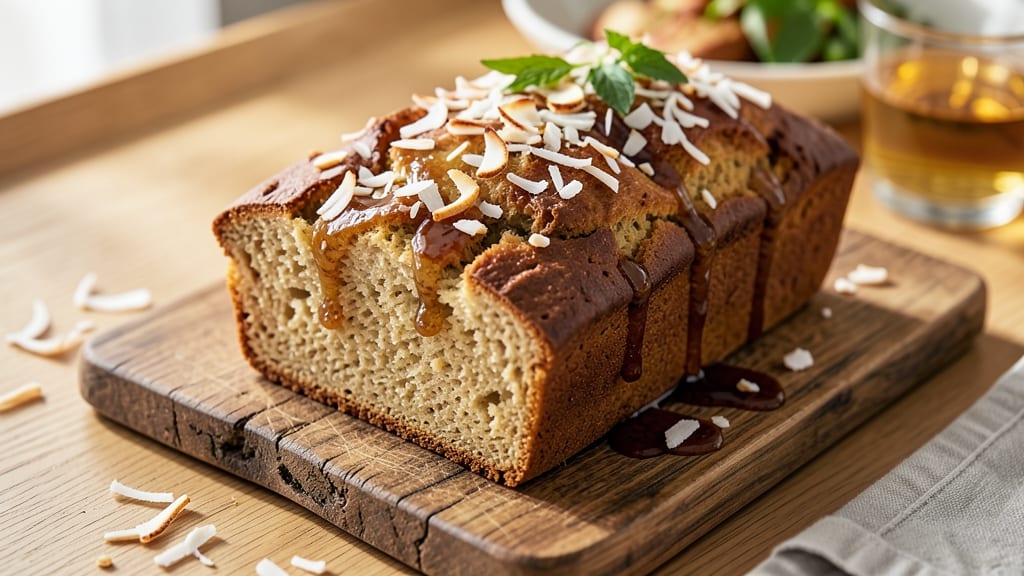
This authentic Jamaican coco bread delivers the spiced rum-infused sweetness and crumbly texture that makes it a staple at Jamaican gatherings. 🌟 The recipe balances traditional spices with the rich flavor of coconut milk and brown sugar, creating a tender yet slightly firm crumb that's perfect for breakfast or dessert.
What sets this version apart is the careful attention to texture—achieving that signature crumbly yet moist quality that defines Jamaican coco bread.
The foundation of this recipe lies in its simple yet thoughtful ingredients: brown sugar, coconut milk, and a blend of warm spices like cinnamon and nutmeg. The spiced rum adds depth, while the baking soda ensures a light rise without making the bread too cake-like.
Unlike many commercial versions, this recipe maintains the traditional method of mixing and baking, preserving the cultural authenticity that makes it special.
By the time you pull this bread from the oven, you'll have a golden, aromatic loaf with a slightly crisp crust and a tender interior that's studded with tiny pockets of air.
The flavor is a perfect balance of sweetness from the brown sugar and coconut, with warm spice notes that linger. This is the kind of bread that pairs beautifully with coffee, tea, or even as a side to hearty Jamaican dishes.
One of the best things about this recipe is its versatility—it works equally well as a breakfast treat, a dessert, or even a gift for special occasions. The instructions are designed to be beginner-friendly while still delivering on the authentic experience. Let's get started on making this Jamaican classic!
Ingredients for authentic jamaican coco bread
Here’s everything you need to bake that golden, crumbly Jamaican coco bread—simple ingredients, bold flavors!
| Ingredient | Amount | Notes |
|---|---|---|
| All-Purpose Flour 🌾 | 3 ½ cups | Sifted for even texture |
| Light Brown Sugar 🍯 | 1 ½ cups | Packed firmly for sweetness |
| Unsweetened Shredded Coconut 🥥 | 1 cup | Toasted lightly for aroma |
| Coconut Milk (Full-Fat, Canned) 🥛 | 1 can | Well-stirred, no substitutions |
| Spiced Rum (or Rum Extract) 🍹 | ½ cup | 180-proof preferred, or 1.5 tbsp extract |
| Baking Soda 🧂 | 1 ½ tsp | Freshly opened for lift |
| Ground Cinnamon 🌿 | 1 ½ tsp | True Ceylon cinnamon if available |
| Ground Nutmeg 🌿 | ½ tsp | Freshly grated preferred |
| Ground Allspice 🌶️ | ½ tsp | Key for Jamaican warmth |
| Salt 🧂 | ½ tsp | Diamond Crystal preferred |
| Vanilla Extract 🌸 | 1 tsp | Pure vanilla preferred |
| Large Eggs 🥚 | 2 whole | Room temperature for blending |
| Unsalted Butter (Melted) 🧈 | ½ cup | Cool slightly before using |
The spiced rum is non-negotiable for authentic flavor—Appleton Estate or Hampden Estate are my go-tos, but any good Jamaican rum works. If you can’t find spiced rum, 1.5 tbsp rum extract (like McCormick) does the trick. For the coconut, freshly toasted shredded coconut (lightly browned in a dry pan) adds that signature crunch and aroma. Trader Joe’s and Whole Foods usually carry the best quality. The brown sugar should be packed—don’t scoop it loosely, or your bread will be less sweet. And for the spices? Penzeys or bulk bins at natural food stores ensure freshness—ground spices lose potency fast.
No spiced rum? Dark rum plus 0.5 tsp cinnamon mimics the flavor, though it’s not identical. Short on coconut milk? Full-fat canned coconut milk is essential—light versions won’t give the same richness. Substituting with dairy milk makes the bread denser. For the eggs, room temperature blends better—pop them in warm water for 5 minutes if they’re straight from the fridge. The butter must be melted and cooled slightly; if it’s too hot, it’ll cook the flour and make the batter gummy. And if you’re avoiding alcohol, 1 extra tbsp coconut milk + 0.5 tsp vanilla bean paste adds depth without the rum.
This dough keeps for 2 days in the fridge, covered tightly—perfect for baking the next morning. For longer storage, freeze the dough in portions for up to 3 months. Once baked, the bread stays fresh for 3-4 days at room temperature, wrapped in a cotton towel to keep it moist. Slice it thick for that signature crumbly texture, and store leftovers in an airtight container. Pro tip: Toast slices lightly to revive any dried-out spots—it’s like magic!
Why You'll Love This Recipe
- No Mixer Needed: I swear by this—just a bowl and a fork. The coconut milk and brown sugar melt together so easily, and the shredded coconut folds right in without a trace of dough stress. Honestly, my blender’s been collecting dust since I discovered this.
- Taste Like Jamaica: That rum extract (or a splash of spiced rum) gives it a warm, caramelized depth you won’t find in regular bread. The brown sugar keeps it moist, and the coconut? It’s like biting into a tropical vacation—crunchy outside, soft inside.
- Breakfast, Snack, Dessert: Serve it toasted with butter for breakfast, split open with jam for a quick snack, or even drizzle honey over it for dessert. My kids grab slices straight from the pan—no judgment here. It’s that versatile.
- Leftovers? More Like Forever: This bread stays fresh for days, and if it dries out, just pop it in the oven for 5 minutes. Between us, I’ve reheated slices for a week, and they’re still better than store-bought. Plus, the ingredients are cheap—you’ll make a loaf for the price of one fancy loaf.
Step-by-step instructions for authentic Jamaican coco bread
Here's how to make this iconic Caribbean treat with perfect crumb and rum-infused flavor!
👨🍳 Step 1: Prepare the Dry Ingredients
Start by sifting the 3.5 cups all-purpose flour into a large mixing bowl. This creates air pockets for that signature light, crumbly texture Jamaican coco bread is famous for. In a separate small bowl, whisk together the 1.5 cups light brown sugar, 1.5 tsp ground cinnamon, 0.5 tsp ground nutmeg, 0.5 tsp ground allspice, 0.5 tsp salt, and 1.5 tsp baking soda. This spice blend is what gives coco bread its warm, aromatic character.
Real talk: Don't skip the sifting—those flour lumps will make your bread dense instead of light and airy. I like to sift right into the mixing bowl so I don't lose any flour. Set this mixture aside for now—we'll combine it with the wet ingredients next.
🍳 Step 2: Mix Wet Ingredients for Perfect Texture
In another large bowl, whisk together the 2 whole large eggs (at room temperature) and the 0.5 cup melted unsalted butter (cooled slightly). Add the 0.5 cup spiced rum (or rum extract) and 1 tsp vanilla extract, mixing until fully combined. The rum adds that signature depth of flavor while keeping the bread moist—don't skip this step if you want authentic taste!
Next, stir in the 1 can coconut milk (well-stirred) and 1 cup unsweetened shredded coconut. Here's where it gets fun—the coconut milk should be full-fat and canned (not carton) for that rich, creamy texture. You'll see the mixture start to thicken slightly as the coconut absorbs some of the liquid. If using rum extract instead of spiced rum, add exactly 1.5 tablespoons to match the alcohol content.
🥘 Step 3: Combine Wet and Dry for Batter Perfection
Gradually add the dry ingredients to the wet mixture, mixing on low speed with an electric mixer (or by hand with a sturdy spoon) until just combined. You're looking for a thick, sticky batter that clings to the spoon—this is perfect! Overmixing develops gluten and makes the bread tough, so stop as soon as all the flour is incorporated.
Here's the thing—this batter should be noticeably thicker than typical cake batter. If it looks too thin, add 1-2 tablespoons more flour until it reaches that perfect consistency. The thicker batter ensures that signature crumbly texture we're after. Don't worry if it seems like too much batter—this recipe delivers!
🔥 Step 4: Bake to Golden Perfection
Preheat your oven to 350°F and grease a 9x5-inch loaf pan generously with butter or coconut oil. Pour the batter into the prepared pan and smooth the top with a spatula. The batter will be thick, so you'll need to press it down gently to ensure even baking.
Bake for 50-55 minutes until a toothpick inserted in the center comes out clean and the top is golden brown. I know it seems like a long time, but this slow bake ensures even cooking throughout the dense batter. The bread should pull away slightly from the edges of the pan when done—this indicates proper doneness.
⏰ Step 5: Cool and Serve for Maximum Enjoyment
Remove the bread from the oven and let it cool in the pan for 10 minutes before transferring to a wire rack to cool completely. This resting period is crucial—it allows the bread to set properly and prevents it from falling apart when you slice it. The cooling process also lets those beautiful aromas develop fully.
Once completely cool, slice into ½-inch thick pieces. Each slice should reveal that signature crumbly texture with pockets of moist coconut goodness. Serve with a warm cup of coffee or tea for the ultimate Jamaican experience. The bread keeps well at room temperature for 3 days or can be frozen for up to 3 months—just thaw at room temperature before serving.
Pro Tips For Making Authentic Jamaican Coco Bread
- STEAM THE COCONUT: Toast the shredded coconut in a dry skillet over medium heat for 3-4 minutes—just until it smells nutty and starts to turn golden. This step removes excess moisture and deepens the flavor, so it doesn’t turn your bread into a soggy mess. (Yes, I’ve learned this the hard way after pulling a wet loaf out of the oven.)
- DON’T SKIP THE RUM SOAK: Pour the spiced rum (or rum extract mixed with a splash of coconut milk) over the flour mixture and let it sit for 5 minutes before adding liquids. This lets the alcohol mellow and infuse the dough, so it doesn’t evaporate completely during baking. (Your bread will taste flat if you skip this—trust me.)
- USE A LIGHT HAND WITH THE FLOUR: Measure the all-purpose flour by weight (160g) and sift it twice to avoid dense pockets. Overmixing or packing the flour will make the bread tough. Stop stirring as soon as the dough comes together—it’s sticky, and that’s how it should be.
- BAKE AT 325°F, NOT HIGHER: Jamaican coco bread needs a slow, steady bake to develop its signature moist crumb and caramelized top. If you crank the oven to 350°F or higher, the outside will burn before the center sets. A 325°F oven guarantees even cooking—no dry crust, no gummy middle. (I was skeptical until I tried it.)
Regional styles of these flavors
Jamaican Country-Style
In rural Jamaican communities, coco bread is often made with less sugar and more whole wheat flour for a heartier texture. I’ve adapted this version by replacing 0.5 cup all-purpose flour with whole wheat flour and reducing the brown sugar to 1 cup.
The result is a denser, nuttier bread that pairs perfectly with spicy jerk dishes. For extra authenticity, brush the baked loaf with 1 tablespoon melted butter mixed with 1 teaspoon rum while still warm. 🌾
Trinidadian Twist
Trinidadians love their coco bread with a Caribbean kick—this version swaps the rum for dark molasses and adds ½ teaspoon grated ginger to the dry ingredients. Use 1 cup dark molasses instead of rum and reduce the brown sugar to 1 cup to balance the sweetness.
The ginger adds a warm, zesty note that complements the coconut beautifully. Serve with a cup of Trinidadian hot chocolate for a true island treat. 🌶️
Bahamian Rum Cake Fusion
In the Bahamas, coco bread often gets a richer, cake-like texture by incorporating 1 cup grated sweet potato into the batter. Replace 0.5 cup shredded coconut with sweet potato and add ½ teaspoon baking powder for extra lift.
The result is a moist, slightly cakey loaf with a caramelized edge. Top with a dusting of powdered sugar and a sprinkle of toasted coconut flakes for a Bahamian-inspired dessert. 🍰
Modern Gluten-Free Adaptation
For those avoiding gluten, swap the all-purpose flour for a 1:1 gluten-free baking blend (like Bob’s Red Mill) and add 1 extra tablespoon xanthan gum to mimic the structure. Use ½ cup almond milk instead of coconut milk to keep the flavor neutral.
The texture will be slightly denser but still crumbly. This version works perfectly with gluten-free rum cake or as a side for Jamaican patties. 🌱
Spiced Rum-Free Version
Skip the rum entirely and boost the flavor with 1 extra teaspoon vanilla extract and ½ teaspoon almond extract. Add 1 tablespoon lemon juice to brighten the coconut flavor.
This version is just as aromatic and pairs wonderfully with ginger tea or as a breakfast companion to ackee and saltfish. The lemon adds a subtle tang that balances the sweetness beautifully. 🍋
Nutrition facts
Frequently asked questions
Why does authentic Jamaican coco bread have that signature crumbly texture?
The crumbly texture comes from the perfect balance of baking soda (for lift) and the thick, sticky batter that doesn't develop too much gluten. The coconut milk and brown sugar also create tiny pockets of moisture that give it that signature crumb when sliced. Overmixing will make it dense instead of crumbly!
Can I make this bread without spiced rum?
Yes! For a rum-free version, use 1.5 tbsp rum extract or replace with 1 tbsp vanilla extract + 0.5 tsp almond extract + 1 tbsp lemon juice. The lemon brightens the coconut flavor while keeping the warm spice notes. This version works perfectly with breakfast dishes like ackee and saltfish.
How do I store coco bread so it stays fresh longer?
Wrap the cooled loaf tightly in a cotton towel or parchment paper and store at room temperature for up to 3 days. For longer storage, freeze slices in an airtight container for up to 3 months. Toast slices lightly to revive any dried spots—they'll taste just like fresh!
What's the best way to slice coco bread for that perfect crumb?
Use a serrated knife and cut into ½-inch thick slices while the bread is still slightly warm (after cooling for 10 minutes). The warmth makes the crumb even more pronounced. For extra crunch, toast slices in a dry pan for 30 seconds per side before serving.
Can I use fresh coconut instead of shredded?
Fresh coconut works but requires extra prep! Grate 1 fresh coconut (about 1 cup when grated) and toast lightly in a dry pan until fragrant. The texture will be slightly more fibrous than store-bought shredded coconut. For best results, use unsweetened shredded coconut from a can or bag.