
Side Dishes
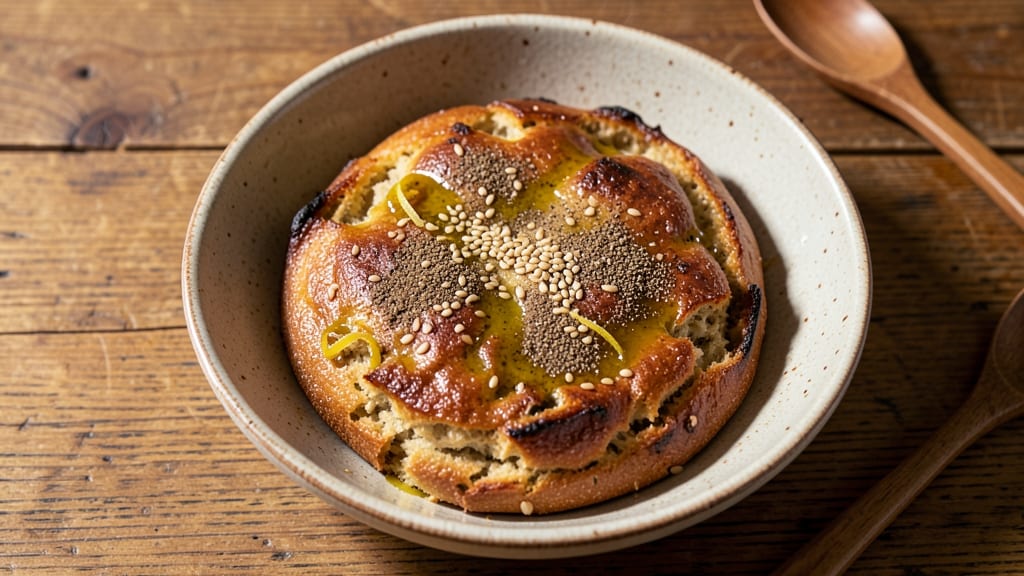
This authentic unleavened bread recipe brings ancient traditions to your kitchen with a simple, yeast-free method that delivers crisp edges and tender centers every time. The secret lies in precise hydration ratios and traditional shaping techniques that create the perfect balance of texture and flavor.
Perfect for side dishes, wraps, or cultural celebrations, this recipe stays true to its roots while being adaptable to modern kitchens.
The dough requires just four ingredients—flour, water, salt, and a touch of oil—to create a versatile base that works for flatbread, matzo, or injera. Unlike yeast-based breads, this version relies on quick cooking methods like baking or steaming to achieve its signature texture.
The result is a bread that's naturally gluten-free, vegan, and packed with rustic authenticity.
What sets this recipe apart is the attention to detail in preparation: rolling the dough paper-thin for crisp edges or pressing it into a flat disc for soft, pliable bread.
The absence of yeast means no waiting for fermentation, just a straightforward process that yields bread ready in under 15 minutes. The aroma alone—warm, earthy, and slightly nutty—will transport you to ancient kitchens.
Whether you're serving it with stews, using it as a wrap, or enjoying it as a side, this unleavened bread delivers restaurant-quality results with minimal effort. The method is foolproof, the ingredients are simple, and the flavor is undeniably authentic. Let's get started on this timeless recipe.
Ingredients for authentic unleavened bread
Four core ingredients plus traditional finishing touches create this timeless unleavened bread.
| Ingredient | Amount | Notes |
|---|---|---|
| All-Purpose Flour 🌾 | 3 cups | Unbleached preferred for authentic texture |
| Warm Water 💧 | 1 ½ cups | 110°F for optimal dough development |
| Fine Sea Salt 🧂 | 1 tsp | Diamond Crystal preferred for purity |
| Extra-Virgin Olive Oil 🫒 | 1 ½ tbsp | High-quality for authentic flavor |
| Sesame Seeds 🌰 | 1 tbsp | Optional for traditional topping |
| Ground Cumin 🌿 | ½ tsp | Enhances earthy flavor profile |
| Toasted Sesame Oil 🫒 | ½ tbsp | For finishing and aroma |
| Cornmeal 🌽 | 1 tbsp | Prevents sticking during baking |
The flour forms the foundation—opt for King Arthur unbleached or Bob's Red Mill for optimal gluten development without yeast. Warm water (never hot) activates the dough's natural structure, so use a thermometer to hit 110°F. Diamond Crystal sea salt dissolves more cleanly than table salt, enhancing flavor without bitterness. For the oil, California Olive Ranch extra-virgin delivers the nutty depth traditional to ancient recipes. Toast your sesame seeds in a dry pan for 30 seconds before topping to intensify their aroma—this subtle step elevates the final product significantly.
No sesame seeds? Poppy seeds or crushed nuts work as neutral substitutes, though they lack the traditional flavor. Short on olive oil? Avocado or grapeseed oil maintain the neutral profile needed for authentic taste. The cumin is optional but recommended—Penzeys brand offers the most consistent quality. For a gluten-free adaptation, replace flour with Bob's Red Mill 1:1 baking flour (though texture will differ). When measuring, use the spoon-and-level method for flour to ensure consistent hydration ratios, which are critical for this yeast-free dough.
Store flour in an airtight container in a cool, dark pantry for up to 6 months beyond its date. Sesame seeds keep 6-12 months in the fridge once toasted. The dough itself should be used within 2 hours of mixing for optimal texture, though it can be refrigerated for up to 24 hours wrapped in plastic. For batch cooking, prepare double the recipe and freeze flattened discs between parchment paper—reheat in a 375°F oven for 5-7 minutes when ready to serve.
Why You'll Love This Recipe
- I’ll be real: this bread takes three ingredients and 10 minutes of hands-off time. Just mix the flour, water, and olive oil—no yeast, no waiting, no fuss—and let the dough rest while you make dinner. That’s it. No stress, no failed rises, just reliable, warm bread every time.
- The secret’s in the technique: slapping the dough flat and baking it until the edges are golden and crackly, while the inside stays tender. That crispy edge with the pillowy center? It’s the kind of texture that makes you take a second bite without thinking. The sesame seeds add a tiny nutty crunch that ties it all together.
Step-by-step instructions for authentic unleavened bread
This ancient technique delivers a rustic, flavorful loaf with perfect texture and aroma.
Mix the Dough with Precision
In a large mixing bowl, combine the 3 cups all-purpose flour and 1 tsp fine sea salt. Create a well in the center and pour in the 1.5 tbsp extra-virgin olive oil and 1.5 cups warm water (measured at 110°F). The water should be warm enough to dissolve the salt completely but not hot enough to cook the flour.
Using a wooden spoon or your hands, gently mix the ingredients until a shaggy dough forms. Avoid overworking the dough at this stage—this is a delicate unleavened preparation. The dough should be soft but not sticky. If it feels too dry, add 1 teaspoon of warm water at a time until it reaches the proper consistency. The key is achieving a smooth, cohesive mass without developing gluten, which would alter the bread's traditional texture.
Incorporate Aromatics and Rest
Add the 0.5 tsp ground cumin to the dough and mix thoroughly until evenly distributed. Sprinkle the 1 tbsp sesame seeds over the top and fold them in gently. The cumin will infuse the bread with an earthy depth, while the sesame seeds add a subtle crunch and visual appeal. Cover the bowl with a damp kitchen towel and let the dough rest for 20 minutes at room temperature.
This resting period allows the flour to fully hydrate and the flavors to meld. The dough should become slightly more pliable and easier to handle. Avoid skipping this step—it's essential for achieving the bread's characteristic tender crumb and preventing a dense, heavy texture. The warmth of the kitchen will help activate the natural enzymes in the flour, creating a lighter final product.
Shape and Prepare for Baking
Lightly dust a clean work surface with 1 tbsp cornmeal and turn out the rested dough. Gently shape it into a 1-inch thick round (about 8 inches in diameter), keeping the edges slightly thicker than the center. This shape mimics traditional flatbreads while allowing for even baking. Press down lightly with your palms to create a smooth, even surface.
Place the shaped dough on a parchment-lined baking sheet, seam-side up. Brush the top generously with 0.5 tbsp toasted sesame oil, using the back of a spoon to distribute it evenly. This step enhances the bread's aroma and adds a delicate nutty flavor. Let the oil absorb for 5 minutes while you preheat your oven to 375°F. The oil should create a thin, glossy sheen on the surface—this indicates it's ready for baking.
Bake to Golden Perfection
Bake the unleavened bread in the preheated oven for 18-22 minutes, rotating the pan halfway through for even browning. The bread is done when the edges are deep golden brown and the center feels firm to the touch. A toothpick inserted into the center should come out clean with just a few moist crumbs clinging to it.
Remove the bread from the oven and let it cool on a wire rack for 10 minutes before slicing. The cooling period allows the internal structure to set, preventing a gummy texture. If you're impatient, resist the urge to cut into it immediately—the bread will continue to crisp up as it cools. For best results, serve warm with your favorite dips or spreads, allowing the toasted sesame oil to release its full aroma with each bite.
Pro Tips For Making Authentic Unleavened Bread
- Mix the Dough Wet: Unleavened bread needs just enough water to bind the flour without turning it into glue. Start with ¾ cup warm water per 2 cups flour, then add 1 tablespoon at a time until it holds together when pressed—it should feel like damp sand, not sticky dough. I learned this the hard way: too much water and your bread flattens into a sad pancake.
- Salt the Water First: Dissolve the fine sea salt in the warm water before mixing it with flour. This ensures even distribution—no salty pockets or bland spots. I was skeptical until I tried it; now I can taste the difference in every bite.
- Press, Don’t Roll: Skip the rolling pin. Press the dough into a thin, even circle (about ¼-inch thick) using your palms or a glass bottle. This keeps the texture tender and prevents tearing when you flip it. After burning three batches with uneven thickness, I finally figured out consistency matters more than force.
- Toast the Sesame Seeds: Heat the sesame seeds in a dry pan for 30 seconds until fragrant before pressing them into the dough. The nutty aroma jumps out more, and they stick better than raw seeds. Sounds weird, but it works—your bread will taste like it came from a Middle Eastern bakery.
Creative variations of these flavors
Middle Eastern Flatbread
Transform your dough into warm, pliable flatbread by rolling it into ¼-inch thick circles using a rolling pin or your hands. For extra crispiness, cook in a hot cast-iron skillet over medium-high heat for 1-2 minutes per side until golden brown spots appear.
Brush with melted ghee or olive oil while hot for a restaurant-style finish. This method delivers the perfect balance of softness and crunch, ideal for scooping up hummus or kebabs. 🔥
Ethiopian Injera
For injera, replace flour with 1 cup teff flour (the traditional base) and 2 cups all-purpose flour, increasing water to 1.75 cups for a thinner batter.
Cook in a clay or cast-iron skillet over medium-low heat, spooning small circles of batter to create 6-8 inch spongy pancakes. The batter should sizzle gently without browning. Injera’s signature sour tang comes from fermentation, but this quick version mimics the texture beautifully.
Serve with wat (stew) for an authentic Ethiopian feast.
Mediterranean Matzo
Skip the oil and shape dough into thin rectangles (about ¼-inch thick). Press between parchment paper with a rolling pin for even thickness. Bake at 375°F for 8-10 minutes until edges crisp. For matzo-style cracks, score the dough lightly with a fork before baking.
This version is gluten-free friendly if using a 1:1 baking flour blend. Store in an airtight container for up to 1 week—perfect for Passover meals or as a crispy snack.
Spiced Indian Naan Twist
Add ½ tsp garam masala and ¼ tsp turmeric to the dough for a warm, aromatic twist. Roll into 6-inch ovals, then bake at 400°F for 12-15 minutes until puffed and golden.
For extra flavor, brush with garlic-infused oil after baking. This hybrid version keeps the unleavened texture while delivering naan-like richness, ideal for curry dipping or as a wrap for keema (spiced meat).
Gluten-Free Adaptation
Replace flour with 1.5 cups gluten-free 1:1 baking flour (like Bob’s Red Mill) and add 1 tbsp xanthan gum to mimic gluten’s structure. Increase water by 1 tbsp for a softer dough. Shape and bake as directed, but expect a slightly denser texture.
For extra crispiness, bake on a preheated pizza stone at 400°F for 10 minutes. This version works perfectly for gluten-sensitive guests while keeping the authentic flavor profile. ✨
Nutrition facts
Frequently asked questions
Can I make this unleavened bread without olive oil?
Yes, but the flavor and texture will differ slightly. Substitute with avocado oil or grapeseed oil (neutral flavors) in equal amounts. For a dairy-free option, use melted coconut oil, though it adds a subtle sweetness. If avoiding all fats, reduce water by 1 tablespoon to compensate for the missing moisture.
Why does my unleavened bread turn out dense instead of light?
Overmixing develops gluten, which creates a chewy texture instead of the traditional tender crumb. Handle the dough minimally—just until combined—and avoid kneading. Also ensure your water is 110°F (not hot) and let the dough rest for the full 20 minutes to hydrate properly.
How do I store unleavened bread to keep it fresh?
Store in an airtight container at room temperature for up to 3 days to maintain crisp edges. For longer storage, wrap individual pieces in foil and freeze for up to 3 months. Reheat in a 350°F oven for 5-7 minutes to restore freshness. Never refrigerate—it causes staling faster.
Can I make this bread gluten-free?
Replace all-purpose flour with 1.5 cups gluten-free 1:1 baking flour (like Bob's Red Mill) and add 1 tbsp xanthan gum to mimic gluten's structure. Increase water by 1 tablespoon for a softer dough. The texture will be slightly denser but still delicious.
What's the best way to reheat stale unleavened bread?
For crispy edges, place bread on a baking sheet and warm in a 375°F oven for 3-5 minutes. For softness, wrap in a damp paper towel and microwave for 10-15 seconds. The sesame oil topping helps restore moisture and aroma—brush lightly with fresh oil before reheating for best results.