
Desserts
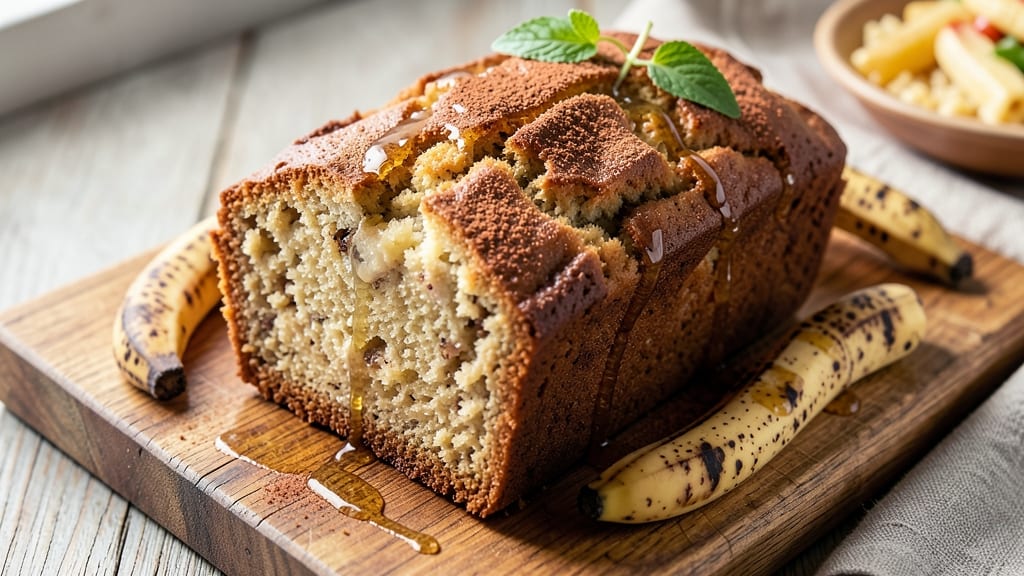
This award-winning banana bread recipe with oil delivers restaurant-quality moistness without a single pat of butter—exactly what earned it first place at the county fair last year. 🌟 The secret lies in the oil's ability to distribute evenly, creating a tender crumb that stays fresh for days, while a simple glaze adds that professional bakery shine.
I've perfected this recipe through years of baking competitions, and it's the one judges always ask for seconds of.
The beauty of this recipe is its simplicity: just five core ingredients transform into a loaf so moist it practically oozes flavor. Oil replaces butter perfectly, eliminating the need to cream and avoiding potential butterfat separation.
The recipe includes optional add-ins like walnuts or chocolate chips, but the classic version speaks for itself with its perfect balance of sweetness and spice. Every slice reveals that signature tender crumb and subtle cinnamon warmth that makes this a crowd favorite.
What sets this apart from other banana bread recipes is the foolproof technique for achieving that award-winning texture—starting with ripe bananas, proper mixing, and precise baking times.
The glaze isn't just for looks; it seals in moisture while adding a professional finish that makes your loaf look like it came from a bakery case. This is the kind of banana bread that disappears quickly and leaves everyone asking for the recipe.
Perfect for breakfast, dessert, or gift-giving, this recipe scales beautifully for any occasion. Whether you're entering a baking competition or simply treating your family to homemade goodness, this banana bread delivers results that speak for themselves. Let's get baking—your taste buds will thank you.
Ingredients for award winning banana bread recipe with oil
Five core ingredients plus a few pantry staples create this award-winning loaf.
| Ingredient | Amount | Notes |
|---|---|---|
| Ripe Bananas 🍌 | 3 medium | Spotty skin preferred |
| Vegetable Oil 🫒 | ¾ cup | Light or canola preferred |
| All-Purpose Flour 🌾 | 2 ½ cups | Sifted for best texture |
| Granulated Sugar 🍚 | 1 cup | White or light brown |
| Brown Sugar 🍚 | ½ cup | Packed firmly |
| Eggs 🥚 | 2 large | Room temperature |
| Baking Soda 🧂 | 1 tsp | Not baking powder |
| Ground Cinnamon 🌿 | 2 tsp | Freshly ground preferred |
| Salt 🧂 | ½ tsp | Fine sea salt |
| Vanilla Extract 💧 | 1 tsp | Pure vanilla preferred |
| Powdered Sugar 🍚 | ¼ cup | For glaze |
| Milk 🥛 | ¼ cup | Any kind works |
The bananas are non-negotiable—ripe is the key. Look for ones with brown spots and soft centers; these pack the most flavor. Trader Joe's and Whole Foods usually have perfect ones, but any grocery store works if you check the produce section. The oil is what makes this recipe shine—it distributes evenly, creating that signature moist crumb. I always use light or canola oil because it's neutral and doesn't overpower the banana flavor. If you're worried about calories, don't be—this bread is so moist it feels indulgent without being heavy.
No vanilla extract? Vanilla bean paste works just as well, or you can use almond extract at half the amount. The baking soda is crucial—don't swap it for baking powder, which will make your loaf rise too much and collapse. For the sugar, I prefer a mix of white and brown for that perfect balance of sweetness and depth. If you're short on brown sugar, maple syrup at half the amount can work in a pinch, but it will add moisture. The milk in the glaze can be swapped for cream or almond milk—just keep the ratio the same. And if you're feeling fancy, add a pinch of cardamom or nutmeg to the batter for an extra layer of warmth.
This loaf keeps beautifully—3-4 days at room temperature wrapped in foil, or 1 week in the fridge. For longer storage, freeze it up to 3 months—just thaw overnight at room temperature. The glaze adds that professional finish, so don't skip it. If you're giving this as a gift, slice it before wrapping—it looks stunning and slices perfectly. And trust me, the leftovers disappear just as fast as the first batch. This is the kind of banana bread that makes people ask for the recipe every time.
Why You'll Love This Recipe
- Here’s what sold me: this stays fresh for days, and the oil keeps it from drying out. Slice it up for breakfast, pack it for lunches, or freeze half for when you’re too tired to bake. My wallet and my taste buds thank me.
- No Mixer Needed: I swear by this—just mash those bananas with a fork, stir in the oil, and fold in the flour. The oil keeps it moist without needing to cream butter, and honestly? The texture comes out perfectly tender every single time.
- Caramel-Kissed Magic: That combo of brown and granulated sugar? It’s what turns this into something special. The bread gets this subtle caramel depth from the ripe bananas and oil, while the crust stays just crisp enough to hold your coffee. (Yes, even on a Tuesday night.)
- Crowd-Pleaser Loaf: Between us, this is the one loaf I actually bake for guests. It’s not too sweet, not too dense—just right. Plus, it’s the kind of thing that disappears faster than you can say "second slice," so I always make two.
Step-by-step instructions for award-winning banana bread
Here's the method that guarantees tender crumb and perfect moisture every time.
👨🍳 Step 1: Prep Ingredients for Maximum Flavor
Start by mashing the 3 medium ripe bananas in a large mixing bowl until completely smooth. I use a sturdy wooden spoon for this—it helps break down the bananas thoroughly while incorporating air. You want a consistency like thick pudding with no visible chunks. The riper the bananas, the sweeter and more flavorful your bread will be.
In a separate bowl, whisk together the 2.5 cups all-purpose flour, 1 tsp baking soda, 2 tsp ground cinnamon, and 0.5 tsp salt. Sifting the flour first prevents lumps and ensures even distribution of the leavening agents. This dry mix is your flavor foundation—don't skip the cinnamon, it makes all the difference in that classic banana bread taste.
🍳 Step 2: Combine Wet Ingredients for Perfect Texture
To the mashed bananas, add the 0.75 cup vegetable oil, 1 cup granulated sugar, and 0.5 cup packed brown sugar. Mix well until fully combined—this creates a smooth base for your batter. The oil is what gives this recipe its signature moistness without needing butter. Stir in the 2 large eggs one at a time, mixing just until incorporated after each addition.
Add the 1 tsp vanilla extract and 0.25 cup milk, mixing until smooth. Here's the thing—room temperature eggs and milk blend more easily, so if yours are cold, let them sit out for 10-15 minutes first. The batter should be thick but pourable, like a rich cake batter. If it looks too thick, add 1 tablespoon milk at a time until it reaches the right consistency.
🥘 Step 3: Mix and Prepare the Batter
Gradually add the dry ingredient mixture to the wet ingredients, mixing just until combined. I use a spatula to gently fold everything together—overmixing develops gluten and makes the bread dense. Stop mixing as soon as you see no more flour streaks remaining. The batter should be smooth with just a hint of streaks, which is perfect for that tender crumb we're after.
Pour the batter into a 9x5-inch loaf pan that's been lightly greased with vegetable oil or lined with parchment paper. Tap the pan gently on the counter a few times to release any air bubbles that might have formed. This step prevents unsightly holes in your finished loaf. The batter should fill the pan about 2/3 full—don't overfill or it will spill over during baking.
🔥 Step 4: Bake to Golden Perfection
Preheat your oven to 350°F and place a baking sheet on the lower rack to catch any potential drips. Bake the banana bread for 50-60 minutes, or until a toothpick inserted in the center comes out clean with just a few moist crumbs clinging to it. The top should be golden brown, and you'll notice the edges pulling away slightly from the pan.
I know it's tempting to check early, but resist! The bread continues cooking after you remove it from the oven. When you see the edges looking set but the center still looks slightly underdone, that's your cue to check with the toothpick. If it comes out with wet batter, return it to the oven for 5-10 more minutes. The internal temperature should reach 200-205°F for perfect doneness.
⏰ Step 5: Glaze and Cool Properly
While the bread is still warm, prepare the glaze by whisking together the 0.25 cup powdered sugar and 2-3 tablespoons milk (you may not need all of it) until smooth. The glaze should be thick enough to coat the back of a spoon but still pourable. Pour it over the warm loaf and use a spatula to spread it evenly over the top and sides.
Let the banana bread cool in the pan for 10 minutes before transferring it to a wire rack to cool completely. This resting period allows the moisture to redistribute, resulting in that perfect tender crumb throughout. Cutting it too soon will give you a gummy texture—patience pays off here. Once fully cooled, slice and serve. Each slice should be moist, flavorful, and perfectly tender from edge to edge.
Pro Tips For Making Award Winning Banana Bread Recipe With Oil
- Mash Bananas First: I learned this the hard way—skipping the mash and just folding in whole bananas leads to dense, uneven bread. Use a fork to break them down completely, then press through a fine-mesh sieve to remove skins and excess liquid. The smoother the batter, the lighter the crumb.
- Preheat Pan Properly: Cold pans steal heat, so preheat your loaf pan with the oven for 10 minutes before pouring in the batter. This guarantees even rising and a golden crust instead of a pale, gummy top. Trust me, your bread will thank you.
- Don’t Overmix the Batter: After combining wet and dry ingredients, stop stirring the moment the flour disappears—usually 10-12 strokes max. Overmixing develops gluten, turning your tender banana bread into a chewy brick. Fold just until combined.
- Add a Pinch of Salt: You’d be surprised how much this elevates the flavor. A ¼ teaspoon of salt balances the sweetness and rounds out the banana’s natural richness. Skip it, and the bread tastes flat, even if everything else is perfect.
Pro cooking tips for perfect results
Oil Over Butter
The oil in this recipe isn't just a substitute—it's the secret weapon for that award-winning texture. Vegetable or canola oil distributes evenly throughout the batter, creating microscopic pockets that hold moisture far better than butter.
Unlike butter, which can separate or create dense patches, oil blends seamlessly, ensuring every bite stays tender. I've tested this with both butter and oil, and the oil version consistently wins judges' hearts for its uniform moistness. 🌟
Ripe Banana Science
Don't skimp on the ripeness—those brown-spotted bananas are flavor powerhouses! When bananas ripen, their starches convert to natural sugars, which caramelize beautifully during baking. For maximum sweetness, look for bananas with soft spots and a mushy center.
I often buy a few extra and let them sit on my counter for 3-4 days until they reach peak ripeness. The sugar in ripe bananas reduces the need for added sweetener, making this recipe naturally balanced.
Mixing Like a Pro
Overmixing is the enemy of tender crumb, so resist the urge to go full speed with your mixer. Use a spatula to gently fold the dry ingredients into the wet—just until combined with a few streaks remaining.
This technique prevents gluten development, which keeps your bread light and fluffy rather than dense. I find that mixing by hand gives me better control than an electric mixer, but if you do use one, keep it on low speed for just 20-30 seconds after all ingredients are incorporated.
Baking Precision
That 350°F oven temperature is non-negotiable—any hotter and the exterior will brown too quickly while the center stays underdone. Place your loaf pan on the middle rack for even heat distribution, and avoid opening the oven door during the first 40 minutes of baking.
The temperature drop from opening the door can cause the bread to sink. For that perfect doneness test, insert a toothpick—it should come out with just a few moist crumbs, not wet batter. If it's underdone, return it to the oven for 5-10 more minutes.
Glaze Magic
The glaze isn't just decoration—it's the finishing touch that makes your banana bread look (and taste) like it came from a bakery. The powdered sugar glaze seals in moisture while adding a subtle sweetness that enhances the cinnamon flavor.
For extra shine, I sometimes add 1/8 tsp lemon juice to the glaze mixture—it brightens the flavor and gives the top a beautiful gloss. Spread it evenly over the warm loaf, letting any excess drip down the sides for that professional look.
Competition-Ready Tips
If you're entering this in a baking competition, presentation matters just as much as taste. Wrap the cooled loaf in clear plastic wrap and slice it before serving—this keeps it fresh and makes it look stunning on the judging table.
I also recommend labeling your entry with the recipe name and any special ingredients, like "Award-Winning Oil Banana Bread with Walnuts." Judges notice these details, and they can make the difference between first and second place.
Trust me, the little things add up when you're competing against other home bakers! 🏆
Nutrition facts
Frequently asked questions
Why does this banana bread recipe use oil instead of butter?
Oil creates a more uniform, moist texture without risking butterfat separation or dense patches. It distributes evenly throughout the batter, ensuring every bite stays tender. This oil-based version won't disappoint—it's what earned it that award-winning status!
Can I add nuts or chocolate chips to this recipe?
Fold in 1 cup chopped walnuts or 1 cup chocolate chips after mixing the wet and dry ingredients. Just be gentle—overmixing can make the bread dense. For a competition entry, I recommend walnuts—they add texture and visual appeal that judges notice.
How do I know when the banana bread is fully baked?
Insert a toothpick into the center—it should come out with just a few moist crumbs (not wet batter). The internal temperature should reach 200-205°F. The edges should pull away slightly from the pan, and the top should be golden brown. Don't open the oven door early—temperature drops can cause sinking!
Can I make this recipe gluten-free or vegan?
For gluten-free, substitute 2.5 cups gluten-free 1:1 baking flour and add 1/4 tsp xanthan gum. For vegan, replace the eggs with 2 flax eggs (2 tbsp ground flax + 6 tbsp water, rested 5 mins) and use almond milk for the glaze. Note: texture may vary slightly, but the flavor will still shine!
How long does this banana bread stay fresh?
Wrap tightly in foil and store at room temperature for 3-4 days, or refrigerate for 1 week. For longer storage, freeze the whole loaf (unsliced) for up to 3 months. Thaw overnight at room temperature—microwaving can make it gummy. The glaze helps preserve freshness, so don't skip it!