
Desserts
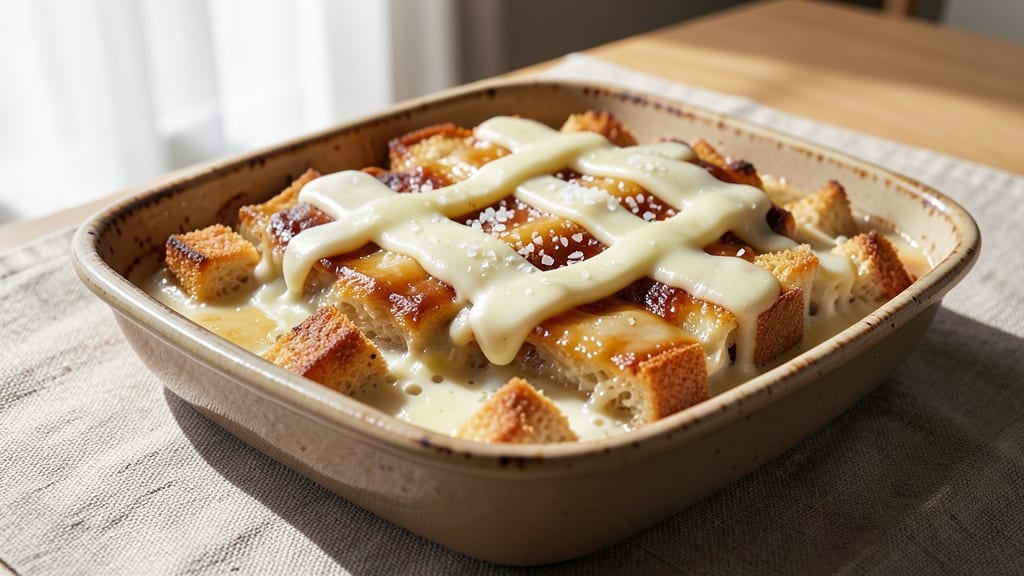
This awesome bread pudding recipe delivers the perfect balance of creamy vanilla custard and crispy caramelized edges—every bite is a revelation. 🌟 The secret lies in soaking stale bread just right, creating those signature vanilla-infused swirls that make this dessert irresistible.
What sets this apart is the foolproof custard technique, where eggs and milk meld into a velvety texture that coats each bread cube perfectly.
What makes this recipe truly special is its versatility—whether you're baking for a crowd or treating yourself to a single serving, the results are consistently restaurant-quality.
The custard mixture is simple yet precise, with just the right ratio of milk to eggs to ensure a tender, moist center without a hint of dryness. And don’t worry if you’re new to baking; this recipe guides you through every step, from soaking to baking, ensuring success every time.
The moment you pull it from the oven, you’ll be greeted by golden, caramelized corners and a fragrant aroma that fills your kitchen. The vanilla swirls peek through the custard, adding a touch of elegance, while the crispy edges provide the perfect contrast.
This isn’t just dessert—it’s a showstopper that pairs beautifully with vanilla ice cream or a drizzle of caramel sauce.
Ready to elevate your dessert game? This beginner-friendly recipe comes together in under an hour, with just a few simple ingredients and a little patience. Whether you’re hosting a dinner party or craving a comforting treat, this bread pudding will leave everyone asking for seconds. Let’s get started!
Ingredients for awesome bread pudding
Six simple ingredients transform stale bread into restaurant-quality dessert magic.
| Ingredient | Amount | Notes |
|---|---|---|
| Stale Bread Cubes 🍞 | 6 cups | Day-old white or brioche bread |
| Large Eggs 🥚 | 4 whole | Room temperature preferred |
| Whole Milk 🥛 | 2 cups | Full-fat for creaminess |
| Vanilla Extract 🌿 | 2 tbsp | Pure vanilla for best flavor |
| Granulated Sugar 🍚 | 1 ½ cups | Adjust for sweetness preference |
| Unsalted Butter 🧈 | ½ cup | Melted, full-fat version |
| Vanilla Bean Paste 🌿 | 1 tbsp | For visible swirls (optional) |
| Cinnamon 🌶️ | 1 tsp | Ground for warmth |
| Salt 🧂 | ½ tsp | Kosher or sea salt |
| Vanilla Ice Cream 🍦 | 1 ½ cups | For serving (optional) |
| Caramel Sauce 🍯 | ½ cup | For drizzling (optional) |
The bread is non-negotiable here—day-old white or brioche works best (the drier, the better). Costco or Trader Joe's often have great bakery sections for fresh loaves to stale overnight. If you're in a pinch, French bread or challah add extra texture, but stick with 6 cups total. The eggs should be at room temperature for a silky custard—take them out 30 minutes before mixing. For vanilla, Nielsen-Massey or McCormick pure extract is my go-to, but whatever's in your cabinet works. Pro tip: toast your bread cubes lightly before soaking—they'll stay crispier longer.
No vanilla bean paste? Pure vanilla extract plus a pinch of ground vanilla bean gets you close. Running low on butter? Coconut oil works too (same amount, melted). The custard ratio is key—don't skimp on eggs, or it'll be too thin. For a boozy twist, add 1 tbsp bourbon or rum to the custard. The ice cream and caramel are just for serving, but drizzling warm caramel sauce over hot pudding is next-level. If you're making this ahead, skip the ice cream until serving—it'll melt too fast.
This keeps beautifully—3-4 days in the fridge, covered tightly. Reheat at 350°F for 10-15 minutes until golden. For make-ahead magic, assemble the pudding the night before, refrigerate, then bake straight from cold. Portion into ramekins for individual servings—perfect for dinner parties. Leftovers? Freeze for up to 3 months, but it's best fresh. Trust me, the second day is even better as flavors meld.
Why You'll Love This Recipe
- I’ll be real: this feeds six for the price of a single fancy dessert. The eggs and milk make it rich, the sugar keeps it sweet, and the vanilla? That’s the secret weapon. Make a double batch, reheat slices for breakfast the next morning—suddenly, you’ve got a week’s worth of meals covered without breaking the bank.
- No-Waste Magic: I swear by this trick—toss in those dried-out bread ends from last night’s sandwiches. No grocery run, no extra cost, just pure resourcefulness. The cubes soak up the custard like a dream, turning scraps into something so good you’ll forget they were stale five minutes ago.
- One-Bowl Wonder: Honestly, this recipe is my lazy-day hero. Crack eggs, pour milk, stir—done. No fancy layers, no complicated baking dishes. Just dump the bread cubes in, let them marinate in the custard for 10 minutes, and pop it in the oven. That’s it. Zero cleanup, all satisfaction.
- Crowd-Pleasing Classic: Between us, this is the dessert that gets everyone at the table nodding. Kids love the soft, custardy bites. Adults swoon over the caramelized top. Serve it warm with a drizzle of vanilla ice cream, and suddenly you’re the host who gets dessert right. (Yes, even on a Tuesday night.)
Step-by-step instructions for vanilla-infused bread pudding
Here's how to make bread pudding that's got those perfect caramelized edges and swirling vanilla goodness.
👨🍳 Step 1: Prep the Bread and Mix the Custard
Start by preheating your oven to 350°F. In a large bowl, combine the 6 cups stale bread cubes, 1.5 cups granulated sugar, 1 tsp cinnamon, and 0.5 tsp salt. Toss until every bread cube is evenly coated—this ensures sweetness and spice in every bite. Set aside while you make the custard.
In a separate bowl, whisk together the 4 whole large eggs, 2 cups whole milk, 2 tbsp vanilla extract, and the 1 tbsp vanilla bean paste. Melt the 0.5 cup unsalted butter in the microwave for 20-30 seconds, then stir it into the egg mixture until fully combined. This custard will soak into the bread and create that creamy, custardy center we all love.
🥘 Step 2: Combine and Let It Soak
Pour the custard mixture over the bread cubes in the large bowl. Use a wooden spoon to gently fold everything together—you want the bread to absorb the custard but not become a soggy mess. Let it sit for 10-15 minutes while you prepare your baking dish. This soaking step is crucial; it ensures the bread gets perfectly moist without turning into a pudding.
Here's the thing—if you rush this step, your bread pudding will be dense and heavy. Let it soak properly, and you'll get that light, airy texture with just the right amount of custardy richness. Trust me, it's worth the wait.
🔥 Step 3: Bake Until Golden and Set
Transfer the bread mixture to a greased 9x13-inch baking dish. Spread it out evenly, pressing down gently to help it set properly. Bake for 40-45 minutes until the top is golden brown and the edges are caramelized. You'll know it's ready when a toothpick inserted in the center comes out clean—no raw egg, just a slight custardy coating.
Don't walk away during this step. The last 10 minutes are when the magic happens—the top starts to brown and crisp up. If it's browning too quickly, tent it loosely with aluminum foil to prevent burning while it finishes baking.
⏰ Step 4: Chill and Add the Finishing Touches
Once out of the oven, let the bread pudding cool for 10 minutes before adding the 1.5 cups vanilla ice cream. Scoop the ice cream evenly over the top and press it down gently with a spatula. This creates those beautiful swirls and adds a creamy contrast to the warm, custardy bread.
Chill the bread pudding in the refrigerator for at least 2 hours (overnight is even better). This chilling step lets the flavors meld together and makes it easier to slice. When you're ready to serve, drizzle with the 0.5 cup caramel sauce and enjoy the perfect balance of warm, creamy, and sweet.
Pro Tips For Making Awesome Bread Pudding
- Soak the Bread Right: Dump those cubes into a bowl and pour the milk-egg mix over them—then wait 15 minutes before baking. I used to rush this, and the pudding always came out dense instead of custardy. Let the bread absorb the liquid fully; it’s the only way to guarantee that tender, melt-in-your-mouth texture.
- Use Room-Temp Eggs: Cold eggs from the fridge won’t blend smoothly into your custard, and they can make the pudding set unevenly. Crack them into a measuring cup, let them sit for 10 minutes, then whisk them into the milk. Trust me, your pudding will be creamier and less likely to curdle.
- Skip the Overmixing: Once you fold the soaked bread into the custard, stop stirring after 10 gentle turns. Overworking it turns the bread into a gummy mess. Just give it a few folds to combine—uneven is fine, as long as every cube gets moistened.
- Bake at 325°F, Not Hotter: Cranking the oven to 350°F will give you a browned top before the center sets, leaving you with a gooey, underdone middle. 325°F is the sweet spot—it lets the custard cook through without burning the edges. If you’re worried about browning, tent it with foil after 30 minutes.
Essential equipment for this recipe
Baking Dish Essentials
You’ll need a 9x13-inch baking dish—I recommend Corelle stoneware or Ceramic Plus for even heat distribution. These dishes handle the custard’s moisture without warping, and they’re easy to clean.
Avoid thin metal pans; they can cause uneven browning. If you’re short on time, a greased glass dish works too, but it may require slightly less baking time. 🔥
Mixing Tools
A large mixing bowl (at least 8-quart capacity) is a must for combining bread and custard. I use OXO Good Grips because the non-slip base prevents spills when folding.
For the custard, a whisk ensures no lumps form in the eggs—Cuisinart stainless steel is my go-to. A wooden spoon helps fold the bread without crushing it.
Measuring Precision
Accurate measurements matter! Use a liquid measuring cup for milk and melted butter, and a dry measuring cup for sugar and bread cubes. For vanilla extract, a small squeeze bottle or medicine dropper gives you precise 2-tbsp control.
A kitchen scale isn’t required, but it’s handy for adjusting sugar if you prefer a sweeter or less sweet pudding.
Oven Thermometer
Ovens lie! A Thermoworks Thermapen ensures your oven hits 350°F accurately. I’ve seen home ovens run 25°F hotter or colder than set—this small investment prevents underbaked or burnt pudding.
If you don’t have one, test your oven’s accuracy with a baking soda test (place a spoonful on a tray at 350°F; it should foam in 10-12 minutes).
Optional Upgrades
For vanilla swirls, a piping bag with a small round tip helps create elegant patterns. A spatula (like Nordic Ware) makes spreading the ice cream on top effortless.
If you love caramel drizzle, a small saucepan with a heatproof spatula is perfect for warming store-bought sauce to 160°F before serving. ✨
Storage Containers
Leftovers deserve love! Store in glass Pyrex containers with tight lids to maintain moisture. For freezing, use quart-sized freezer bags—they’re stackable and prevent freezer burn. Label with the date; this pudding tastes even better the second day, but freezing works for up to 3 months. 💫
Nutrition facts
Frequently asked questions
Can I use fresh bread instead of stale bread?
Fresh bread works, but it's not ideal because the moisture content will make your pudding soggy. If you must use fresh bread, lightly toast the cubes first to remove excess moisture. For best results, use day-old bread—it absorbs the custard perfectly without turning into a mushy mess.
How do I make this bread pudding ahead of time?
You can assemble the pudding the night before and refrigerate it overnight. Bake it straight from the fridge at 350°F for 50-55 minutes (the extra time accounts for the cold start). For even better flavor, let it sit at room temperature for 30 minutes before serving to bring out the vanilla notes.
What can I substitute if I don't have vanilla bean paste?
No problem! Use 2 tbsp pure vanilla extract plus a pinch of ground vanilla bean for flavor. For visible swirls, mix 1 tbsp vanilla extract with 1 tsp cornstarch to thicken it slightly, then drizzle it over the bread before adding the custard mixture.
Why did my bread pudding turn out dry?
Dry pudding usually means the bread soaked up too much custard or baked too long. Next time, reduce baking time by 5 minutes and cover loosely with foil during the last 10 minutes to trap moisture. Also, ensure your custard mixture has the right ratio—4 eggs to 2 cups milk is crucial for creaminess.
Can I make this in individual ramekins?
Divide the bread mixture evenly among 6-8 greased ramekins (about 6 oz each). Bake at 350°F for 30-35 minutes until set and golden. These make perfect individual servings for dinner parties—just top each with a scoop of ice cream before serving.