
Breakfast & Brunch
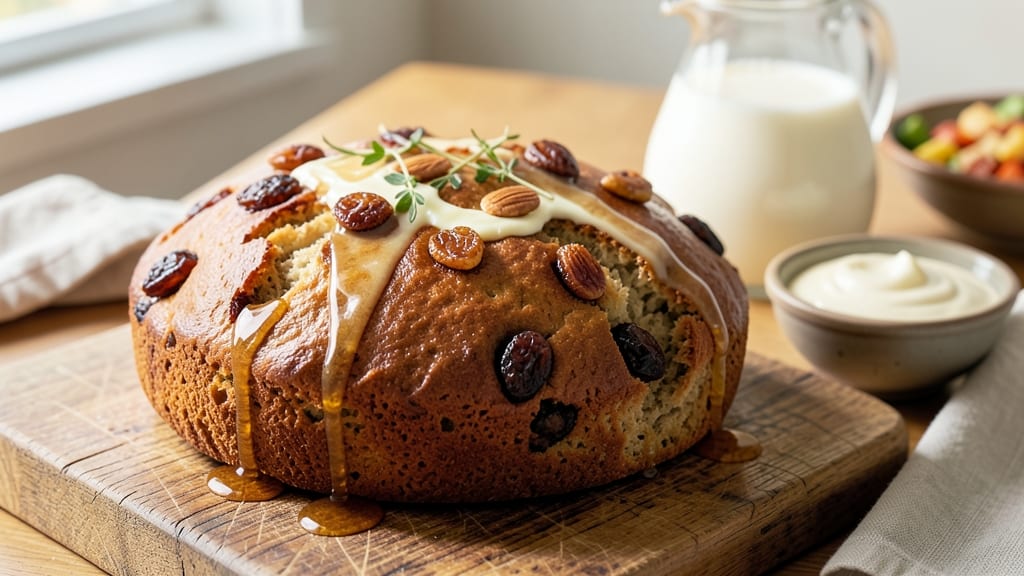
This Azores sweet bread recipe delivers the perfect balance of buttery crust and cinnamon-infused swirls that taste like a slice of nostalgia. 🌟 The secret lies in its dense, slightly chewy texture and caramelized edges that make every bite irresistible.
I first discovered this recipe during a trip to the Azores, where it's a beloved breakfast staple—simple yet sophisticated enough for any table.
The recipe combines warm spices like cinnamon and nutmeg with rich butter and honey, creating a flavor profile that's both comforting and complex. Unlike typical sweet breads, this version relies on a slow bake to develop its signature texture—neither too soft nor too hard, but perfectly in between.
The dough is enriched with eggs and a touch of orange zest, adding brightness that cuts through the sweetness.
What makes this bread truly special is how it transforms a simple morning into something extraordinary. The aroma alone—warm, spiced, and buttery—fills the kitchen and draws everyone to the table.
Whether you're serving it with coffee for breakfast or as a dessert with tea, the combination of textures and flavors makes it unforgettable.
While the classic version uses traditional ingredients, modern adaptations like gluten-free or vegan swaps are possible without sacrificing authenticity. The key is maintaining the balance of sweetness, spice, and buttery richness that defines this Azorean treasure. Let's bring a taste of the Azores to your kitchen.
Ingredients for azores sweet bread
Eight essential ingredients transform simple flour and butter into Azores' legendary cinnamon-swirled bread.
| Ingredient | Amount | Notes |
|---|---|---|
| All-Purpose Flour 🌾 | 5 cups | High-protein for chewy texture |
| Granulated Sugar 🍚 | 1 cup | Light brown preferred for depth |
| Unsalted Butter 🧈 | 1 cup | Cold, cubed for dough |
| Large Eggs 🥚 | 2 whole | Room temperature for blending |
| Honey 🍯 | ½ cup | Wildflower for floral notes |
| Whole Milk 🥛 | ½ cup | Warm for optimal dough hydration |
| Ground Cinnamon 🌶️ | 2 tbsp | Ceylon preferred for delicate flavor |
| Ground Nutmeg 🌿 | 1 tsp | Freshly grated for intensity |
| Orange Zest 🍊 | 1 tbsp | From organic orange |
| Vanilla Extract 🌸 | 1 tsp | Pure Madagascar bourbon |
| Salt 🧂 | ½ tsp | Diamond Crystal kosher |
| Active Dry Yeast 🍞 | 2 ¼ tsp | Fresh packet for reliability |
| Powdered Sugar 🍚 | ¼ cup | For final dusting |
The flour is non-negotiable—King Arthur high-protein or Bread flour creates that signature chewy texture. Whole Foods bulk section or local artisan bakeries carry the best options. Butter should be European-style (82% fat) for richness, available at specialty grocers like Whole Foods or Eataly. The honey? Local wildflower from farmers markets elevates flavor beyond regular grocery store brands. Cinnamon loses potency fast, so Penzeys Spices or Trader Joe's bulk bins ensure freshness. Nutmeg should be freshly grated—pre-ground loses aroma within weeks. For orange zest, organic is key to avoid bitterness from pesticides.
No high-protein flour? Add 1 tbsp vital wheat gluten per cup to mimic texture. Butter substitute? Crisco or vegetable shortening works but lacks flavor—olive oil (3/4 cup) + 1/4 cup melted butter is a better compromise. Honey too expensive? Maple syrup (1:1 ratio) preserves moisture but alters flavor slightly. Cinnamon shortage? 1 tsp pumpkin pie spice approximates warmth. Nutmeg unavailable? 1/4 tsp mace offers similar depth. Orange zest missing? 1 tsp lemon zest provides brightness, though less complex. Yeast too old? Test in warm water first—should foam in 5-10 minutes. For vegan adaptations, replace eggs with 2 tbsp ground flaxseed + 6 tbsp water and use vegan butter.
Store dough in an airtight container with a damp towel for up to 24 hours in the fridge. Freshly baked bread keeps 3 days at room temperature wrapped in parchment. For longer storage, freeze fully cooled loaves in ziplock bags for 3 months. Reheat slices in a 350°F oven for 5-7 minutes to restore crispness. The powdered sugar dusting? Sift through a fine mesh to avoid clumping. Make ahead: Prepare dough the night before and let rise overnight in the fridge for deeper flavor development—this is my preferred method.
Why You'll Love This Recipe
- No Yeast Needed: I swear by this—no waiting for dough to rise, no fuss. Just mix, shape, and bake. The butter and honey do all the heavy lifting while you sip coffee.
- Honey Butter Magic: That caramelized honey glaze? It’s the star. Rich, buttery, and just sweet enough to make you reach for seconds without guilt—trust the balance of sugar and eggs.
- Breakfast or Snack: Slice it toasted for a lazy morning, pack it for a picnic, or serve it warm with jam. Honestly, I’ve eaten it for all three and never tired of it.
- Budget-Friendly Luxury: Flour, sugar, butter—pantry staples that won’t break the bank. Makes a whole loaf for under $3, and slices keep beautifully for days. My wallet and taste buds win.
Step-by-step instructions for Azores sweet bread
Master this Azorean classic with its signature cinnamon swirls and golden crust.
👨🍳 Step 1: Prepare the Yeast Mixture
In a small bowl, combine the 0.5 cup warm whole milk (about 110°F) with the 1 cup granulated sugar and 2.25 tsp active dry yeast. Let it sit for 5-10 minutes until frothy. This activation step is crucial—you'll see bubbles forming and the mixture doubling in size. If it doesn't foam, your yeast may be inactive, and you'll need to start over.
While waiting, whisk together the 2 whole large eggs with the 1 tsp vanilla extract and 1 tbsp orange zest in a separate bowl. The citrus notes will brighten the dough's flavor profile, balancing the rich butter and honey. Keep both mixtures at room temperature for optimal blending later.
👨🍳 Step 2: Mix the Dough Base
In the bowl of a stand mixer fitted with the dough hook, combine the 5 cups all-purpose flour, 0.5 tsp salt, 2 tbsp ground cinnamon, and 1 tsp ground nutmeg. Mix on low speed for 30 seconds to distribute the dry ingredients evenly. This ensures consistent flavor throughout every bite of the bread.
Add the yeast mixture and egg mixture to the flour mixture. With the mixer running on low, gradually add the 1 cup cold cubed unsalted butter and 0.5 cup honey. Mix until the dough begins to come together, about 2-3 minutes. The butter should be incorporated but still visible in small chunks—this creates pockets of flavor and texture in the final bread.
🥘 Step 3: Knead and Develop Gluten
Increase the mixer speed to medium and knead the dough for 5-7 minutes until smooth and elastic. You'll know it's ready when it forms a windowpane—press your fingers into the dough and gently pull apart; if it stretches without tearing, you've achieved proper gluten development.
If the dough feels too sticky, add 1 tablespoon flour at a time until it cleans the sides of the bowl. Shape the dough into a ball, place it in a lightly greased bowl, and cover with a damp towel. Let it rise in a warm place for 1-1.5 hours or until doubled in size. This first rise develops the bread's airy texture and allows the yeast to ferment properly.
🍳 Step 4: Shape and Second Rise
Punch down the risen dough and divide it into two equal portions. Roll each portion into a rectangle about 12x8 inches. Spread a mixture of 2 tbsp softened butter, 2 tbsp honey, and 1 tbsp cinnamon evenly over each rectangle. Roll them tightly into logs, sealing the edges to prevent filling from leaking out during baking.
Place the logs seam-side down in a greased 9x13-inch baking dish. Cover with a damp towel and let them rise for another 30-45 minutes until puffy. Preheat your oven to 375°F during this final rise to ensure the bread goes in hot and bakes evenly.
🔥 Step 5: Bake to Golden Perfection
Bake the bread for 30-35 minutes until the top is deep golden brown and a toothpick inserted in the center comes out clean. The edges should pull away slightly from the pan, indicating proper browning. For extra shine, brush the baked bread with a mixture of 1 tbsp melted butter and 1 tbsp honey while still warm.
Let the bread cool in the pan for 10 minutes before transferring to a wire rack. Once cooled, dust generously with the 0.25 cup powdered sugar for that classic Azorean finish. Serve warm with a cup of tea or coffee to enjoy the perfect balance of sweet, spiced flavors.
Pro Tips For Making Azores Sweet Bread
- Cream Butter Properly: Beat the butter and sugar until it’s light and fluffy—think pale yellow, not beige. I learned this the hard way when my dough turned dense; the air in that butter is what keeps this bread tender. Use a stand mixer with the paddle attachment and let it run for 3-4 minutes, scraping the bowl once.
- Don’t Rush the Yeast: Let the yeast activate in warm honey-water first—it should bubble within 5-10 minutes before adding it to the dough. Cold water kills it, and skipping this step means your bread will rise sluggishly or collapse. Use a thermometer if you’re unsure; aim for 105°F (40°C).
- Shape It Tight: Roll the dough into a log and pinch the seams shut like you’re sealing a package. Loose seams mean air escapes, and your bread won’t rise evenly. If it looks messy, just tuck the edges under—no one’s judging, but your bread will thank you.
- Bake Low and Slow: Start at 350°F (175°C) for the first 20 minutes, then crank it to 375°F (190°C) to brown the top. The low start prevents a hard crust while the finish adds that caramelized sweetness. Resist the urge to open the oven early—your bread will fight you.
Wine and beer pairings for this dish
Portuguese Vinho Verde
This crisp, slightly effervescent white wine from northern Portugal is the perfect match for Azores sweet bread. Look for a Vinho Verde from the Minho region—brands like Casa Ferreirinha or Quinta da Piedade deliver bright citrus and green apple notes that complement the bread's cinnamon warmth.
Serve slightly chilled (45-50°F) to enhance its refreshing acidity against the buttery richness. 🍷
Azorean Malvasia Wine
For a truly local pairing, seek out Malvasia wine from the Azores itself, such as Malvasia Volcanica or Malvasia Rei. These wines offer honeyed, tropical fruit flavors that mirror the bread's caramelized edges and honey notes.
Their natural sweetness balances the spice, creating a harmonious sip-and-savor experience. Store-bought options like Blandy's Malvasia are widely available.
Portuguese Ginjinha
If you prefer something stronger, Ginjinha—a Portuguese cherry liqueur—adds an unexpected but delightful contrast. Its tart, cherry-forward profile cuts through the bread's sweetness while enhancing the cinnamon's warmth.
Serve it as a digestif after your meal, or even as a cocktail base with a splash of soda water. Look for Ginjinha da Bairrada for authentic flavor.
Local Craft Beer Options
For beer lovers, Portuguese lagers like Sagres or Super Bock provide a neutral canvas that lets the bread's flavors shine. Alternatively, try a Belgian-style witbier (e.g., Stella Artois Wit)—its peppery coriander and citrus notes echo the orange zest in the dough.
For a bolder match, a dark ale with caramel and chocolate undertones (like Dark Horse) pairs surprisingly well with the bread's spiced sweetness.
Coffee Pairing
Since Azores sweet bread is traditionally served with coffee, opt for a Portuguese bica (espresso) or galão (strong coffee). The bread's buttery texture and cinnamon warmth contrast beautifully with the bold, slightly bitter notes of a well-made espresso.
For a modern twist, try a cortado—equal parts espresso and steamed milk—to soften the bread's richness without overwhelming its flavors.
Warm Spiced Tea
For a non-alcoholic option, Portuguese ginger tea (like Pingo Doce or Sumol) enhances the bread's spiced profile. The ginger's heat complements the cinnamon and nutmeg, while the tea's warmth makes it ideal for breakfast or dessert.
Add a slice of lemon for brightness—just like the orange zest in the dough. 🌿
Nutrition facts
Frequently asked questions
What makes Azores sweet bread different from regular cinnamon rolls?
Azores sweet bread has a denser, slightly chewy texture thanks to its high-protein flour and longer fermentation process. Unlike fluffy cinnamon rolls, it features a caramelized crust and a subtle honey-orange zest brightness that balances the cinnamon-spice blend. The dough also includes nutmeg for warmth and is often brushed with melted butter post-bake for extra richness.
Can I make this bread without a stand mixer?
Use a large mixing bowl and a wooden spoon to combine ingredients, then knead by hand for 8-10 minutes until smooth and elastic. For the dough hook alternative, try a dough scraper to cut and fold the dough repeatedly. The key is achieving proper gluten development—test by stretching a small piece until it's translucent (windowpane test).
Why does my dough smell yeasty but isn't rising?
This usually means your yeast is inactive or the environment is too cold. First, check the milk temperature—it should be 110°F (like warm bathwater). If yeast didn't foam in 5-10 minutes, it's dead. Try fresh yeast or place the dough in a warm oven (off) with a bowl of hot water nearby to create a 75-80°F environment. Patience is key—some doughs rise slower in cool kitchens.
How do I store leftovers to keep them fresh?
Wrap cooled bread tightly in parchment paper and store at room temperature for 3 days. For longer storage, freeze slices in a ziplock bag for 3 months. To revive, reheat at 350°F for 5 minutes or toast in a skillet with butter. The powdered sugar coating will melt slightly—just re-dust before serving. Never refrigerate unless absolutely necessary (it dries out the texture).
Can I add nuts or raisins to this recipe?
While traditional Azores sweet bread skips mix-ins, you can add chopped walnuts or candied citrus peel for texture. Fold them into the dough after the first rise, but limit to ½ cup total to avoid overpowering the cinnamon-spice balance. For raisins, soak them in warm water for 10 minutes first to prevent dryness.