
Breakfast & Brunch
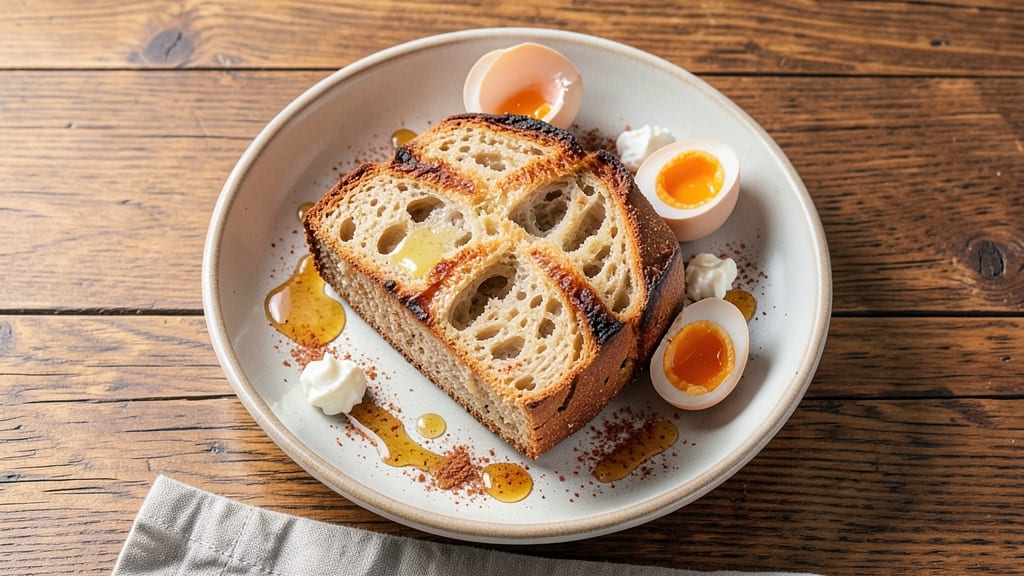
This Bamana bread recipe brings the rich flavors of West Africa to your breakfast table with its perfect balance of cornmeal, honey, and aromatic spices. The traditional technique of shaping and baking creates a bread that’s both rustic and delightfully tender—ideal for soaking up eggs or pairing with stews.
I’ve refined this recipe to ensure every bite delivers that signature fluffy texture and subtle sweetness that makes it unforgettable.
The key to authentic Bamana bread lies in the cornmeal’s earthy depth and the honey’s golden warmth, combined with a pinch of salt and a touch of baking powder for lift. Unlike many flatbreads, this version bakes to a soft, pillowy center while maintaining a slightly crisp exterior—no frying required.
The process is straightforward, but the results are anything but ordinary, offering a taste of tradition with minimal effort.
Once baked, you’ll have a batch of bread that’s versatile enough for any meal—serve it warm with scrambled eggs, use it to scoop up hearty African stews, or enjoy it plain with a pat of butter.
The aroma alone will transport you to bustling markets in Bamana culture, where this bread is a staple. Ready to bring this classic to life?
This recipe delivers on both tradition and simplicity, ensuring your Bamana bread turns out perfectly every time. Whether you’re a seasoned baker or just starting out, the step-by-step method makes it accessible while keeping the cultural essence intact. Let’s get started on creating bread that tastes like home.
Ingredients for bamana bread
Fourteen simple ingredients transform into fluffy Bamana bread with cornmeal's earthy heart and honey's golden kiss.
| Ingredient | Amount | Notes |
|---|---|---|
| Fine Cornmeal 🌽 | 2 cups | Medium grind for best texture |
| All-Purpose Flour 🌾 | 1 cup | For structure and rise |
| Honey 🍯 | ½ cup | Wildflower or clover preferred |
| Unsalted Butter 🧈 | ¼ cup | Cold, cubed for easier mixing |
| Large Eggs 🥚 | 1 whole | Room temperature for even mixing |
| Baking Powder 🍞 | 1 tsp | Aluminum-free for best results |
| Salt 🧂 | ½ tsp | Fine sea salt preferred |
| Ground Ginger 🌿 | ½ tsp | Freshly ground for warmth |
| Ground Cinnamon 🌶️ | ½ tsp | For subtle sweetness |
| Warm Water 💧 | ½ cup | Not boiling, just off heat |
| Vegetable Oil 🫒 | 1 tbsp | For greasing the pan |
The cornmeal is non-negotiable here—Bob’s Red Mill fine grind is my go-to, but any medium grind works. Trader Joe’s or King Arthur also carry great options. Skip the pre-mixed cornmeal blends with additives; you want pure cornmeal for that authentic texture. Honey matters too—local wildflower adds depth, but clover works in a pinch. The butter should be cold so it creates pockets of flavor rather than melting into the dough. If your kitchen’s warm, pop those cubes in the freezer for 10 minutes first.
No cornmeal? Stone-ground corn flour is your best bet, but it’ll be denser. Short on honey? Maple syrup at half the amount works, though it’s more liquid. The spices? Penzeys or bulk bins give the freshest ground ginger and cinnamon—pre-ground spices lose potency fast. If you’ve got whole spices, toast and grind them yourself (worth the effort). The baking powder is crucial—aluminum-free ensures no metallic aftertaste. And yes, you can use milk instead of water if you prefer, but the bread stays more tender with water.
This dough’s sensitive—don’t overmix. Knead just until combined, about 2 minutes by hand. The bread keeps best in a paper bag at room temp for 2 days—it gets stale faster than most breads. For longer storage, freeze portions wrapped in foil for up to 3 months. Reheat in a 350°F oven for 5-7 minutes to revive that pillowy texture. Pro tip: Brush warm slices with melted butter and a sprinkle of cinnamon—game changer.
Why You'll Love This Recipe
- Five-Ingredient Magic: I swear, this recipe lives up to its name—just cornmeal, flour, honey, butter, and eggs. No fancy pantry runs, no last-minute grocery scrambles. Honestly, I’ve made it twice while my toddler spilled flour everywhere and still ended up with golden, flaky layers.
- Honey-Butter Bliss: That drizzle of honey in the dough? It’s the secret weapon. The butter keeps it rich but not greasy, and the cornmeal gives it this just-right crumb—tender inside, with a hint of toothsome texture. Between us, I’ve caught myself sneaking bites straight from the pan.
- Breakfast to Dessert: Serve it warm with jam for a lazy weekend brunch, or cut into squares for a quick snack when the kids need something fast. I’ll be real: I’ve even used it as a base for French toast—yes, even on a Tuesday night. The possibilities don’t end; they just get better.
- Leftovers That Last: This bread stays fresh for days, and if you’re like me, that’s a win. Toast a slice the next morning, or pack it for lunch—it’s sturdy enough to handle a brown bag. (My husband’s favorite, actually.) Plus, the ingredients are cheap, so you’re not breaking the bank for something this reliably good.
Step-by-step instructions for Bamana bread
Here's how to bake this golden, honey-sweetened bread with perfect texture every time.
Prep the Dry Ingredients Together
In a large mixing bowl, whisk together the 2 cups fine cornmeal, 1 cup all-purpose flour, 1 teaspoon baking powder, ½ teaspoon salt, ½ teaspoon ground ginger, and ½ teaspoon ground cinnamon. This dry blend creates the signature crumbly yet tender texture of Bamana bread. Sift the mixture once to remove any lumps—this ensures your bread rises evenly without dense pockets.
I like to press the mixture through a fine-mesh sieve into the bowl to break up any stubborn clumps. The cornmeal needs to be fully incorporated so it doesn't create gritty patches in your finished loaf. Set this mixture aside while you prepare the wet ingredients.
Mix Wet Ingredients and Combine
In a separate medium bowl, melt the ¼ cup unsalted butter in the microwave for 15-20 seconds until just softened but not liquid. Add the ½ cup honey and 1 large egg (at room temperature), then whisk until completely smooth. The butter should blend seamlessly with the honey—this creates the bread's signature tender crumb.
With the mixer on low speed, gradually add the dry ingredients to the wet mixture. Mix just until combined—about 30 seconds—then pour in the ½ cup warm water. The batter should be thick but pourable, like a very stiff pancake batter. If it looks too dry, add 1 tablespoon more warm water; if too wet, sprinkle in 1 tablespoon more dry mix. The perfect consistency is crucial for that signature Bamana texture.
Grease and Bake in a Hot Oven
Preheat your oven to 375°F while you prepare the pan. Lightly grease an 8x4-inch loaf pan with 1 tablespoon vegetable oil, then rub it with a paper towel to ensure even coating. Pour the batter into the prepared pan and smooth the top with a spatula. The batter will settle slightly as it bakes.
Bake for 40-45 minutes until the top is deep golden brown and a toothpick inserted in the center comes out clean. Here's the thing—your oven might run hot, so start checking at the 35-minute mark. The bread is done when it springs back slightly when pressed and has developed that beautiful caramelized crust. If the edges brown too quickly, loosely tent with foil after 25 minutes to prevent over-browning.
Cool and Serve
Remove the bread from the oven and let it cool in the pan for 10 minutes before transferring to a wire rack. This resting period prevents the bread from falling apart when you slice it. Bamana bread is best served warm, straight from the oven, when it's at its most tender and fragrant.
For serving, slice into ½-inch thick pieces. The interior should be moist with a delicate crumb, while the exterior remains crisp. Store any leftovers wrapped in a clean kitchen towel to keep them fresh overnight. This bread pairs perfectly with butter, jam, or even as a side to hearty breakfasts.
Pro Tips For Making Bamana Bread
- STIR THE CORNMEAL DRY: Whisk the fine cornmeal into the flour before adding wet ingredients—this prevents clumping and ensures an even texture. I learned this the hard way after scraping out stubborn gobs of dough from my mixer bowl.
- MELT THE BUTTER COOL: Warm the butter just until it softens, then let it sit for 5 minutes before mixing—liquid butter makes the dough greasy and hard to shape. My grandmother swore by this, and she was right: the crumb stays tender, not dense.
- DON’T OVERMIX THE DOUGH: Mix the wet ingredients into the dry just until combined—overworking develops gluten, and Bamana bread should stay crumbly, not chewy. Stop when there are a few dry spots; the heat will finish the job.
- USE ROOM-TEMPERATURE EGGS: Cold eggs make the dough thick and uneven. Let them sit in warm water for 5 minutes first—this guarantees a smooth batter that spreads evenly in the pan. (Yes, even if you’re impatient like me.)
Essential equipment for bamana bread
Essential Mixing Tools
Start with a large mixing bowl—I recommend a stainless steel 5-quart bowl like the OXO Good Grips—to handle the thick batter without spills. A whisk (like the Cuisinart Stainless Steel Whisk) ensures your dry ingredients are lump-free before mixing.
For wet ingredients, a medium bowl with a silicone spatula (I use OXO Good Grips) helps scrape every last bit of honey and butter from the sides. 🥄
Baking Essentials
Your oven needs to reach 375°F reliably, so invest in an infrared thermometer (like the Thermoworks Thermapen) to verify accuracy. A lightly greased 8x4-inch loaf pan is non-negotiable—I swear by Wilton’s nonstick loaf pans for even baking.
For greasing, vegetable oil works best, but a pastry brush (like King Arthur’s silicone brush) helps distribute it evenly without overdoing it.
Precision Measuring
Cornmeal and flour can vary wildly in density, so use a digital kitchen scale (I love the OXO Good Grips) for accuracy. For liquids, a liquid measuring cup with clear markings (like Pyrex) ensures you hit the ½ cup honey and ½ cup water marks precisely.
A fine-mesh sieve (such as OXO’s) breaks up clumps in the dry mix, preventing gritty texture in your bread. 🌾
Optional Pro Upgrades
For extra authenticity, a cast-iron skillet (like Lodge’s) lets you bake small batches with a crispier crust. If you’re making multiple loaves, a bread thermometer (like Thermoworks Smoke) inserted into the center ensures 205°F internal temp for perfect doneness.
A wire cooling rack (I use OXO’s) prevents soggy bottoms while cooling. For storage, paper bags (not plastic) keep the bread fresh longer by allowing airflow.
Budget-Friendly Swaps
No fancy tools? A standard measuring cup and wooden spoon work fine for mixing. For greasing, butter on parchment paper rubbed into the pan mimics oil’s effect. A fork can replace a whisk for sifting dry ingredients.
The key is consistency—measure carefully and bake at the right temp, even without high-end gear. Your bread will still turn out delicious! 💪
Nutrition facts
Frequently asked questions
What makes Bamana bread different from regular corn bread?
Bamana bread stands out with its honey-sweetened flavor and tender, pillowy texture—unlike traditional corn bread which often has a denser crumb. The recipe skips the savory elements (like cheese or herbs) and focuses on warm spices like ginger and cinnamon, plus the signature cornmeal-to-flour ratio that creates a lighter loaf.
Can I substitute honey with another sweetener?
Yes, but results vary. Maple syrup (½ cup) works best—reduce by 1 tablespoon since it's more liquid. For a neutral sweetener, try agave nectar (same amount), but avoid molasses (too strong) or brown sugar (adds moisture). The honey's floral notes are key to Bamana bread's authentic flavor.
Why did my Bamana bread turn out dense?
Overmixing or incorrect batter consistency usually causes this. The dough should be thick but pourable—like stiff pancake batter. If too dry, add 1 tablespoon warm water; if too wet, stir in 1 tablespoon dry mix. Also ensure your baking powder is fresh (test with a vinegar + baking powder fizz check).
How do I store Bamana bread to keep it fresh?
Wrap cooled slices in a clean kitchen towel and store at room temperature for 2 days in a paper bag. For longer storage, freeze portions wrapped in foil for up to 3 months. Reheat in a 350°F oven for 5-7 minutes—never microwave, as it makes the bread gummy.
Can I make Bamana bread without cornmeal?
Yes, but texture will differ. Use stone-ground corn flour (1:1 swap) for a closer result, or replace with all-purpose flour (reduce by ¼ cup) and add 1 teaspoon cornstarch for moisture. The honey and spices will still shine, though the bread will lack cornmeal's signature earthy depth.