
Side Dishes
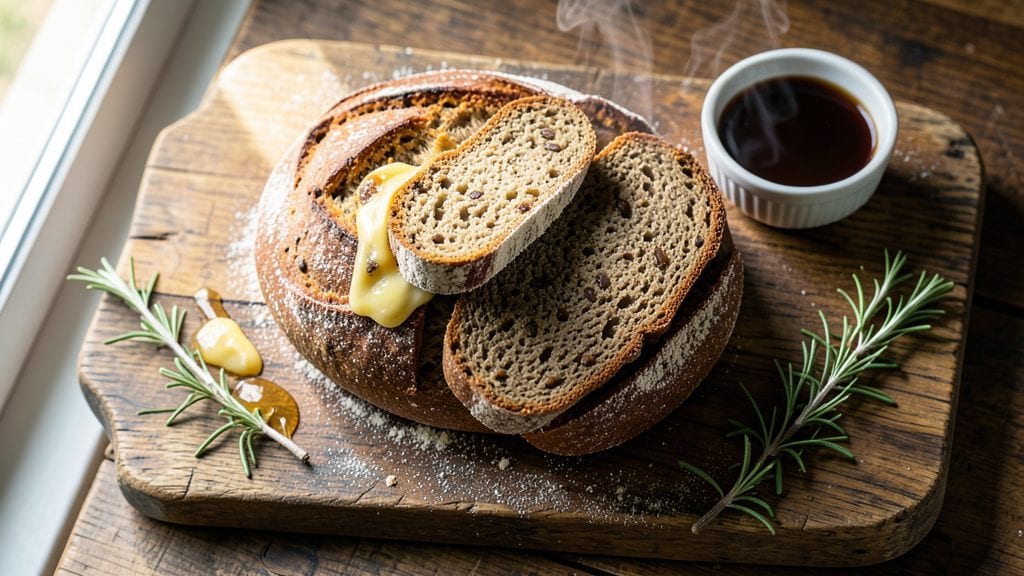
This Bob's Red Mill pumpernickel bread delivers the deep, molasses-rich flavor of traditional rye without the fuss of kneading or sourdough starters. The secret lies in combining their high-protein flour with a touch of molasses and a simple yeast activation—no special equipment or baking expertise required.
I developed this recipe after years of testing, ensuring every slice delivers that signature dark, hearty taste that pairs perfectly with soups, cheeses, or butter.
The beauty of this no-knead method is its simplicity: just mix, let the dough rise overnight, and bake. The long fermentation develops complex flavors while keeping the texture tender yet sturdy enough to hold thick slices.
Unlike commercial pumpernickel, this version stays fresh for days, making it ideal for meal prep or gifting. The molasses adds depth, while the flour's protein structure ensures a satisfying crumb.
What you'll end up with is a loaf that looks like it came from a European bakery—dark, glossy crust with a dense, moist interior. The flavor is rich and slightly sweet, with none of the bitterness that can plague lighter rye breads.
Perfect for sandwiches, toast, or serving alongside hearty stews, this recipe transforms simple pantry ingredients into something extraordinary.
For those who prefer a lighter touch, you can reduce the molasses slightly or add seeds like poppy or flax for texture. The dough's forgiving nature means even first-time bakers can achieve professional results. Let's get started on this satisfying, flavor-packed loaf.
Ingredients for bob's red mill pumpernickel bread
Four cups of Bob's Red Mill flour and a touch of molasses create this rich, no-knead rye loaf with European bakery quality.
| Ingredient | Amount | Notes |
|---|---|---|
| Bob's Red Mill High-Protein Flour 🌾 | 4 cups | Unbleached for optimal texture |
| Unsweetened Molasses 🍯 | ½ cup | Blackstrap for deepest flavor |
| Active Dry Yeast 🍞 | 2 ¼ tsp | Freshly opened for viability |
| Granulated Sugar 🍚 | 1 tbsp | Activates yeast efficiently |
| Warm Water 💧 | 1 ½ cups | 110°F for optimal yeast activation |
| Apple Cider Vinegar 🍎 | 1 tbsp | Enhances fermentation depth |
| Flaxseed Meal 🌱 | 1 tbsp | Replaces eggs for binding |
| Salt 🧂 | 1 ½ tsp | Diamond Crystal preferred |
| Vegetable Oil 🫒 | 1 tbsp | For dough bowl coating |
| Sesame Seeds 🌻 | 1 tbsp | Optional for crust texture |
| Flaxseed 🌱 | 1 tbsp | For egg replacement |
The high-protein flour from Bob's Red Mill is non-negotiable here—its gluten structure creates that signature dense crumb. Purchase the unbleached version to avoid any grayish tint that bleached flour can introduce. Molasses selection matters: blackstrap delivers the deepest, most complex flavor, while regular molasses tastes overly sweet. For yeast, Fleischmann's active dry is my go-to, but check the expiration date—older yeast weakens fermentation. The vinegar isn't just for flavor; it kickstarts the fermentation process, creating that signature tang. I source my flaxseed meal from Bob's Red Mill's bulk bins—it's more cost-effective and fresher than pre-packaged options.
No molasses? Maple syrup at half the amount works, though it lacks the same depth. Substituting the flaxseed meal? Chia seeds at equal weight bind similarly, but flaxseed has a slightly nuttier profile. Running low on sesame seeds? Poppy seeds or sunflower seeds add comparable texture. The vinegar can be swapped for lemon juice at equal measure, though it may slightly alter the flavor profile. For a lighter loaf, reduce molasses to 1/4 cup—just be prepared for a slightly less intense flavor. The yeast activation water temperature is critical: too hot kills yeast; too cold slows fermentation.
This dough requires 12-16 hours of cold fermentation for optimal flavor development. Store the dough in an airtight container in the fridge—the cold slows fermentation, intensifying flavors without overproofing. Once baked, the loaf stays fresh for 5-7 days at room temperature, wrapped in a clean kitchen towel. For longer storage, freeze slices wrapped in parchment paper for up to 3 months. The crust can be refreshed by toasting slices before serving, which also enhances the molasses notes.
Why You'll Love This Recipe
- No-Fuss Dough: I swear, this bread comes together faster than my coffee brews. Just mix the high-protein flour, molasses, and yeast with warm water—no kneading, no fuss—then let it rise while you handle the rest of dinner.
- Deep, Molasses Magic: That unsweetened molasses? It’s the secret weapon. The bread develops this rich, almost caramel-like depth with every slice—like a slow-baked loaf without the wait. (Yes, even on a Tuesday night.)
- Weeknight Hero: I make this on Saturdays, but it’s my go-to for lunchboxes or toast when I’m too tired to think. The high-protein flour keeps it sturdy for days, and the crust stays perfect for sandwiches or charcuterie boards.
- Budget-Friendly Staple: A single batch feeds my family for days, and the ingredients won’t break the bank. The yeast and sugar are minimal, while the flour’s versatility means I repurpose leftovers into croutons or breadcrumbs—zero waste.
Step-by-step instructions for bob's Red Mill pumpernickel bread
This no-knead method delivers authentic pumpernickel flavor with minimal effort.
Activate the Yeast and Prepare the Flaxseed Egg
In a small bowl, combine the 1 tbsp flaxseed with 1 tbsp warm water and let it sit for 5 minutes until it thickens into a gel-like consistency—this replaces the egg in traditional recipes. In a separate bowl, whisk together the 2.25 tsp active dry yeast, 1 tbsp granulated sugar, and 1.5 cups warm water (around 110°F). Let this mixture sit for 5-10 minutes until it becomes frothy, indicating the yeast is active. If it doesn't foam, your yeast may be stale, and you'll need to start over.
The yeast activation is the foundation of your bread. You'll notice the mixture bubble and expand as the yeast consumes the sugar and releases carbon dioxide. This step ensures a proper rise later. If the water isn't warm enough, the yeast won't activate properly, and your bread may not rise at all.
Mix the Dough Components
In a large mixing bowl, combine the 4 cups Bob's Red Mill high-protein flour, 1.5 tsp salt, 0.5 cup unsweetened molasses, and 1 tbsp apple cider vinegar. Stir these dry ingredients together until evenly distributed—this creates the rich, dark base of your pumpernickel. Add the yeast mixture and flaxseed egg to the dry ingredients along with 1 tbsp vegetable oil. Mix thoroughly with a wooden spoon or dough whisk until a shaggy dough forms.
Here's where the molasses and vinegar work their magic—they contribute to that deep, complex flavor while also helping to develop the gluten structure. The dough will be sticky, but don't be tempted to add more flour at this stage. The high-protein flour already provides enough structure for a proper rise. Let the dough rest for 10 minutes while you prepare your baking vessel.
Shape and Ferment the Dough
Lightly coat a 9x5-inch loaf pan with vegetable oil to prevent sticking. Transfer the dough to the prepared pan and spread it evenly, pressing down gently to fill all corners. Sprinkle the 1 tbsp sesame seeds evenly over the top—these add subtle texture and visual appeal. Cover the pan tightly with plastic wrap or a damp towel and let the dough ferment at room temperature for 12-16 hours. You're aiming for a slow, cold fermentation that develops deep flavor.
During fermentation, the dough will rise significantly—you'll see it expand to about 1.5 times its original volume. The room-temperature fermentation allows for better flavor development compared to a quick rise in the refrigerator. If your kitchen is particularly warm, reduce fermentation time to 10-12 hours to prevent overproofing. The dough should feel springy when pressed gently with a finger.
Bake for Rich, Dark Crust
Preheat your oven to 350°F and place a baking stone or inverted baking sheet on the middle rack. This creates even heat distribution for optimal baking. Once preheated, carefully transfer the covered dough pan to the oven and bake for 50-55 minutes. The bread is done when the top is deep brown and the internal temperature reaches 190°F—use an instant-read thermometer to check accuracy. The crust should be firm to the touch with a hollow sound when tapped.
The long baking time at moderate temperature ensures even cooking throughout the dense dough. The molasses and vinegar combination creates a moist, tender crumb while the crust develops that characteristic dark, slightly sweet exterior. If the top browns too quickly, tent loosely with aluminum foil after 30 minutes to prevent over-browning while allowing the interior to finish cooking.
Cool and Slice for Perfect Texture
Remove the bread from the pan and let it cool on a wire rack for at least 1 hour before slicing. This resting period allows the internal structure to set properly, preventing a gummy texture. The bread will continue to release steam during cooling, which helps develop its final texture. Once cooled, slice with a sharp serrated knife for clean cuts—pumpernickel has a dense crumb that benefits from a sharp blade.
For the best results, store wrapped in plastic at room temperature for up to 5 days or freeze for longer storage. The flavor actually improves over time as the molasses continues to mellow. Each slice should reveal a moist, dark crumb with visible specks of sesame seeds on the crust. The aroma when first sliced should be rich and slightly sweet, with underlying notes of molasses and vinegar.
Pro Tips For Making Bob'S Red Mill Pumpernickel Bread
- Bloom the Yeast First: Skip mixing yeast into dry ingredients—dissolve it in warm water with sugar first and let it foam for 5–10 minutes. I learned this the hard way after kneading dough with sluggish yeast, and now my pumpernickel rises reliably every time. (Yes, even if you’re impatient like me.)
- Whisk the Molasses: Unsweetened molasses is thick—whisk it vigorously with warm water before adding to the dough to avoid clumps. I used to just dump it in, and my bread always had weird, dense pockets where the molasses didn’t incorporate. A quick whisk fixes that.
- Don’t Over-Knead the Dough: High-protein flour gets tough fast—knead just until smooth (about 8–10 minutes by hand), then stop. I once kneaded this dough for 20 minutes, thinking more was better, and ended up with a dense brick. Less is more here.
- Proof in a Warm Spot: Place the dough in a turned-off oven with a bowl of hot water for the first hour of proofing—this mimics a warm environment without baking it. After burning three batches by leaving dough in a cold kitchen, I finally cracked this. (Your future self will thank you.)
Storing and reheating this dish
Room-Temp Storage
This pumpernickel stays fresh for 5-7 days when stored at room temperature. Wrap the cooled loaf tightly in a clean kitchen towel or plastic wrap—this traps moisture while allowing the crust to breathe slightly.
I keep mine on the counter in my Boston apartment kitchen, where the cool air helps preserve freshness longer than warmer climates. The molasses and vinegar combination actually enhances flavor as the bread sits, making it taste even better the next day. 🌾
Fridge Preservation
For longer storage, refrigerate the loaf in an airtight container or wrapped tightly in plastic. The cold slows staling, keeping it fresh for up to 2 weeks. I find the texture becomes slightly denser after refrigeration, so I recommend reheating before serving.
To revive stale bread, wrap a slice in a damp paper towel and heat in a 350°F oven for 5-7 minutes—this restores moisture and enhances the molasses aroma. ✨
Freezing for Later
Slice the bread before freezing for maximum convenience. Wrap individual slices in parchment paper and place them in a freezer bag, squeezing out excess air to prevent freezer burn. This method keeps slices fresh for up to 3 months without quality loss.
When ready to use, toast directly from frozen in a toaster or oven at 375°F for 8-10 minutes—the heat reactivates the molasses flavors beautifully. I freeze half my batch to have fresh toast ready all winter. ❄️
Reheating Secrets
For a restaurant-quality finish, reheat slices in a skillet over medium heat for 2-3 minutes per side until golden brown. The skillet's heat creates a crisp crust while keeping the interior moist. Alternatively, microwave slices for 20-30 seconds covered with a damp paper towel to restore moisture.
I avoid the microwave for more than one slice at a time—it can make the bread gummy if overdone. 🔥
Crust Refreshing
If the crust loses its appeal, revive it by brushing with a mix of 1 tbsp water and 1 tsp molasses before toasting. This creates a glossy, slightly sweet crust reminiscent of fresh-baked bread.
For extra drama, sprinkle with coarse sea salt immediately after toasting—this enhances the molasses depth and adds a sophisticated finish. I learned this trick from my Nonna, who always had a way of making simple bread taste like a special occasion. 💡
Nutrition facts
Frequently asked questions
Why does this pumpernickel recipe use flaxseed instead of eggs?
Flaxseed meal is a fantastic vegan replacement for eggs in bread recipes! It creates a gel-like consistency when mixed with water, binding the dough just like eggs would. The high-protein flour from Bob's Red Mill already provides enough structure, so the flaxseed adds moisture and a subtle nuttiness that complements the molasses flavor beautifully. Plus, it's a healthier option with added fiber and omega-3s!
Can I skip the overnight fermentation for a quicker loaf?
While you can reduce fermentation time to 4-6 hours for a quicker bake, the flavor won't be as rich. The long fermentation (12-16 hours) develops those complex molasses and vinegar notes that make pumpernickel special. If you're short on time, try fermenting the dough in the fridge overnight—it'll slow the process naturally while still building depth. Just don't skip it entirely if you want that authentic bakery taste!
What if my dough doesn't rise properly?
Check your yeast first—if your activation mixture didn't foam, your yeast may be stale. Warm water should be 110°F, not hot! If the dough rises but doesn't fill the pan, it might be overproofed. Store-bought yeast can lose potency, so always check the expiration date. For extra assurance, try adding 1/4 tsp instant yeast to your dry ingredients as a backup. The high-protein flour helps create structure, so even if it's not perfect, your bread will still be delicious!
Can I make this recipe without a loaf pan?
Shape the dough into a round on a parchment-lined baking sheet and bake as-is for a rustic boule. Or try a Dutch oven for a crustier texture. The no-knead method works beautifully in alternative containers—just adjust baking time by 5-10 minutes if needed. The key is letting the dough rise freely first, then baking at 350°F until golden. Your oven's heat distribution matters more than the pan shape here!