
Side Dishes
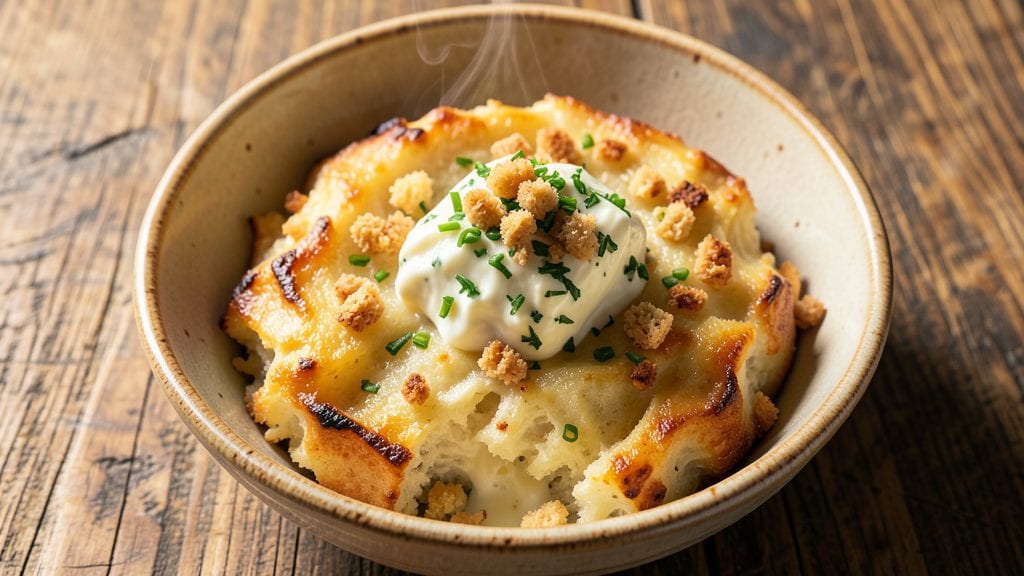
Boone Tavern's spoon bread recipe brings Southern comfort to your table with its signature herbed butter swirls and crispy panko crown—this dish has been a staple in Appalachian kitchens for generations.
The secret lies in the perfect balance of fluffy cornbread texture and golden, buttery layers that make every bite irresistible. I've refined this version to deliver that signature crispy top while keeping the interior tender, just like the original tavern recipe.
What sets this spoon bread apart is its rich heritage and foolproof technique—no special equipment needed, just a few simple ingredients that transform into something extraordinary. The herbed butter swirls add depth, while the panko topping creates that coveted crunch that disappears with the first bite.
This recipe delivers restaurant-quality results with a homestyle touch that feels like coming home to a warm kitchen.
The baking process is where the magic happens—steaming the bread creates that signature moist center while the panko topping achieves that perfect golden crisp. Each forkful delivers tender, buttery cornbread with pockets of herbed butter that melt into every bite.
Whether serving as a side to fried chicken or as a main dish with honey, this spoon bread is a crowd-pleaser that never disappoints.
For those who love to customize, you can add shredded cheddar or fresh herbs to the batter before baking—just be sure to keep the crispy panko topping intact for that Boone Tavern signature.
The recipe scales easily, making it perfect for family gatherings or holiday meals where Southern comfort food is always welcome.
Ingredients for boone tavern spoon bread
Six simple ingredients transform into Boone Tavern's legendary crispy-topped spoon bread with herbed butter swirls.
| Ingredient | Amount | Notes |
|---|---|---|
| Self-Rising Cornmeal 🌽 | 2 cups | Stone-ground preferred for texture |
| All-Purpose Flour 🌾 | 1 cup | For structure and binding |
| Unsalted Butter 🧈 | ½ cup | Cold, cubed for swirls |
| Milk 🥛 | 1 ½ cups | Whole milk for richness |
| Large Eggs 🥚 | 2 whole | Room temperature for mixing |
| Japanese Panko Breadcrumbs 🍞 | ½ cup | For signature crispy top |
| Fresh Chives 🌿 | ¼ cup | Finely chopped for herbed butter |
| Fresh Parsley 🌿 | ¼ cup | Finely chopped for herbed butter |
| Garlic Cloves 🧄 | 2 cloves | Minced for herbed butter |
| Salt 🧂 | ½ tsp | Adjust if using self-rising |
| Black Pepper 🌶️ | ¼ tsp | Freshly cracked for heat |
| Baking Powder 🍞 | 1 tsp | For extra lift |
| Butter (extra for greasing) 🧈 | 2 tbsp | For ramekins and pan |
| Water 💧 | ½ cup | For steaming bath |
The cornmeal is non-negotiable—stone-ground gives that authentic Southern texture. Bob's Red Mill or Martha White are my go-tos, but any good cornmeal works. The panko? Japanese-style from Trader Joe's is my secret weapon for that signature crunch. Fresh herbs matter too—chives and parsley should be vibrant, not wilted. If you're short on time, dried herbs work at half the amount, but fresh gives that tavern-quality depth. For the butter swirls, use unsalted so you control the seasoning.
No panko? Toast regular breadcrumbs in a dry pan until golden for a close substitute. Short on chives? Green onion or fresh dill works in a pinch. The baking powder is crucial—don't skip it, even if your cornmeal is self-rising. For extra richness, add 1 tbsp sour cream to the batter. The butter swirls should be cold and cubed—microwave for 10 seconds if they soften while mixing. This keeps those gorgeous swirls intact while baking. And trust me, the crispy top is worth the extra minute of pressing panko firmly on top before baking.
Bake fresh, serve fresh—this spoon bread reheats beautifully but loses that signature crunch. Store leftovers covered at room temp for 2 hours or refrigerate for up to 3 days. Freeze baked portions for up to 2 months—just reheat wrapped in foil at 350°F for 10 minutes. The best part? This doubles easily for crowds—just increase all ingredients by 50% and bake in a larger pan. Leftovers? Toast and serve with honey for a sweet twist.
Why You'll Love This Recipe
- No-Fuss Mixing: I swear by this recipe because it’s literally just whisking. No sifting, no measuring cups of flour in a pile—just fold the self-rising cornmeal and flour together, then stir in the milk and eggs. The butter melts right in while it bakes, so you’re not even dealing with a separate step. Honestly, I’ve made it in my daughter’s plastic mixing bowl when the real one was full of laundry.
- Buttery Crispy Magic: That golden crust? It’s all thanks to the self-rising cornmeal and cold butter cut into the batter. The outside gets shatteringly crisp while the inside stays pillowy—like a hug from a Southern grandma. I’ll be real: the first time I tasted it, I nearly burned my tongue waiting for it to cool. Worth it.
- Weeknight to Crowd-Pleaser: This recipe works for everything. Serve it warm with honey butter for breakfast, tear it into chunks for chili, or slice it alongside fried chicken. Leftovers? Toast them the next morning—crispy edges every time. Between us, I’ve even used it to soak up gravy at a tailgate. It’s my secret weapon for when guests show up unannounced.
- Budget Breakfast Win: Self-rising cornmeal and eggs stretch farther than you’d think, and you’re using basic pantry staples. A single batch feeds four for breakfast or six as a side dish, and the leftovers last days in the fridge. I make a double batch on Sundays, freeze half, and thank myself later when I’m scrambling for an easy dinner. Plus, the butter makes it feel fancy without costing a fortune.
Step-by-step instructions for herbed butter spoon bread
This spoon bread delivers that signature Boone Tavern crunch and creamy swirls every time—just follow these simple steps!
Make the Herbed Butter and Prep the Dough
In a small bowl, combine the 0.5 cup unsalted butter, 0.25 cup fresh chives, 0.25 cup fresh parsley, 2 cloves garlic cloves (minced), 0.5 tsp salt, and 0.25 tsp black pepper. Use a fork to mash everything together until it forms a chunky, herbed butter. Set aside to soften slightly while you prepare the dough.
In a separate large bowl, whisk together the 2 cups self-rising cornmeal, 1 cup all-purpose flour, and 1 tsp baking powder. In another bowl, beat the 2 whole large eggs until frothy, then gradually whisk in the 1.5 cups milk until smooth. Pour the wet ingredients into the dry ingredients and stir just until combined—you should still see some cornmeal streaks. Don't overmix or the bread will be dense.
Cut in Cold Butter and Fold in Panko
Add the herbed butter to the dough and use a rubber spatula to cut it in with a folding motion. You want the butter distributed in pea-sized chunks throughout the batter—this creates those beautiful swirls when baked. Sprinkle the 0.5 cup Japanese panko breadcrumbs over the top and gently fold them in just until evenly distributed.
The panko is key for that signature crispy top, so don't skip this step. If the dough seems too thick, add 1-2 tablespoons of the 0.5 cup water to loosen it slightly. The batter should be thick but pourable—like a very thick pancake batter.
Assemble and Bake to Golden Perfection
Preheat your oven to 375°F. Generously butter six 6-ounce ramekins using the 2 tbsp butter (extra for greasing)—this prevents sticking and adds flavor. Divide the batter evenly among the ramekins, filling each about ¾ full. Place the ramekins in a large baking dish.
Pour the 0.5 cup water into the bottom of the baking dish—this creates a steaming bath that keeps the bread moist while the top crisps. Bake for 30-35 minutes until the tops are deep golden brown and a toothpick inserted comes out clean. The edges should be set but the centers should still be slightly jiggly—this ensures a creamy texture.
Rest and Serve Warm
Remove the spoon bread from the oven and let it rest in the ramekins for 5 minutes. This allows the internal heat to distribute, preventing any potential cracks when you unmold. Run a knife around the edges to loosen, then invert each onto a serving plate.
Serve immediately while still warm—this bread is best enjoyed fresh out of the oven. The top should be crispy enough to hold its shape, while the interior remains tender and creamy with those herbed butter swirls peeking through. The panko topping will be perfectly golden and crunchy, just like at the Boone Tavern!
Pro Tips For Making Boone Tavern Spoon Bread
- STIR JUST UNTIL COMBINED: The batter for spoon bread is stubborn—don’t overmix it like pancakes. Once the cornmeal and flour are incorporated, stop stirring when you still see dry patches. I learned this the hard way when my spoon bread turned dense and tough instead of light and fluffy.
- MELT BUTTER IN MILK: Skip the cold butter chunks—melt it into the warm milk first. This creates a smoother batter and ensures even distribution of fat, which keeps the spoon bread tender. (Yes, even if you’re impatient like me, let it cool slightly before mixing.)
- USE A CAST-IRON SKILLET: This isn’t optional—it’s the thing that matters most. The heavy metal retains heat perfectly, giving you that crisp bottom and golden crust. If you don’t have cast iron, a well-seasoned heavy steel pan is the next best thing.
- LET IT REST AFTER BAKING: Resist the urge to cut into it immediately. Give the spoon bread a solid 5-10 minutes under foil before serving—this lets the steam redistribute, keeping it moist inside. I was skeptical until I tried it; now I never skip this step.
Regional styles of this recipe
Appalachian Tavern Roots
This spoon bread traces back to Appalachian mountain kitchens where resourcefulness was key. The original "spoon bread" got its name from being cooked in Dutch ovens using wooden spoons—no fancy equipment needed. Boone Tavern’s version keeps that homestyle charm while adding the herbed butter swirls that became their signature.
The dish was traditionally served with fried chicken or as a dessert with honey, reflecting its dual role in Southern meals. 🏡
Kentucky Mountain Twist
In Kentucky’s mountain regions, spoon bread often included extra milk for richness and was topped with a sprinkle of sugar or cinnamon. Boone Tavern’s version elevates this by adding the crispy panko crown and herbed butter swirls.
The steaming technique—using water in the baking dish—was a clever way to keep the bread moist in wood-fired ovens. This method ensures the signature tender crumb while achieving that golden crust. 🌄
Tennessee Smoky Mountain Style
Over in Tennessee’s Smoky Mountains, spoon bread sometimes incorporated cornbread and biscuit elements, creating a hybrid texture. Boone Tavern’s adaptation leans into this by blending cornmeal’s heartiness with the flakiness of panko.
The herbed butter swirls add depth, while the crispy top nods to the region’s love of crunchy, savory sides. This version keeps the soul of mountain cooking but with a refined touch. 🍄
Modern Boone Tavern Adaptation
The Boone Tavern version stands out for its precision—herbed butter swirls and panko topping are what make it restaurant-quality. While traditional spoon bread relied on whatever was on hand, this recipe balances authenticity with technique.
The self-rising cornmeal and baking powder ensure a light texture, while the panko topping delivers that coveted crunch. It’s a nod to the past with a modern twist that keeps guests asking for seconds. 💛
Virginia Piedmont Influence
In Virginia’s Piedmont region, spoon bread often included a touch of sweetness—sometimes even raisins or brown sugar. Boone Tavern’s savory version skips the sweetness but keeps the focus on rich, buttery layers.
The herbed butter swirls draw inspiration from Virginia’s love of fresh herbs in cooking, while the panko topping adds a texture that’s purely Southern. This fusion of techniques makes it a true regional hybrid. 🌿
Crowd-Pleasing Serving Styles
At Boone Tavern, this spoon bread is served as both a side and a main—pair it with fried chicken for a classic combo or drizzle with honey for a sweet twist. The crispy panko topping holds up well, making it perfect for sharing.
In mountain homes, it’s often sliced thick and served with gravy or hot sauce. The versatility is what makes it a staple across Southern tables. 🍽️
Nutrition facts
Frequently asked questions
What makes Boone Tavern's spoon bread different from regular cornbread?
This version features herbed butter swirls and a crispy panko topping that set it apart from traditional cornbread. The steaming technique creates a moist center while the panko delivers that signature crunch. It's more like a cross between cornbread and a savory casserole than classic cornbread.
Can I make this spoon bread without ramekins?
Yes! Use a greased 9x9-inch baking dish instead. Pour the batter in, sprinkle panko on top, and bake for 25-30 minutes at 375°F. The steaming water still works—just place the dish in a larger pan with 0.5 cup water in the bottom. The texture will be similar, though the shape will be different.
Why does my spoon bread turn out dense instead of fluffy?
Overmixing the batter or skipping the baking powder are common culprits. Stir just until combined—lumps are okay! Also ensure your butter is cold when cutting it in. For extra fluffiness, whisk the eggs and milk separately before combining. The steaming bath is crucial too—never skip the water in the baking dish.
How can I make this recipe gluten-free?
Replace the all-purpose flour with a 1:1 gluten-free flour blend and use gluten-free panko. For the cornmeal, choose certified gluten-free. You may need to add 0.5 tsp xanthan gum to improve texture. Keep the baking powder and follow the same mixing technique—just be gentle to avoid activating gluten in other ingredients.
Can I prepare this ahead of time for a gathering?
Bake it a day ahead and store covered at room temperature for up to 2 hours or refrigerate for 3 days. For longer storage, freeze baked portions for up to 2 months. Reheat wrapped in foil at 350°F for 10 minutes to restore crispiness. The flavor actually improves with time!