
Side Dishes
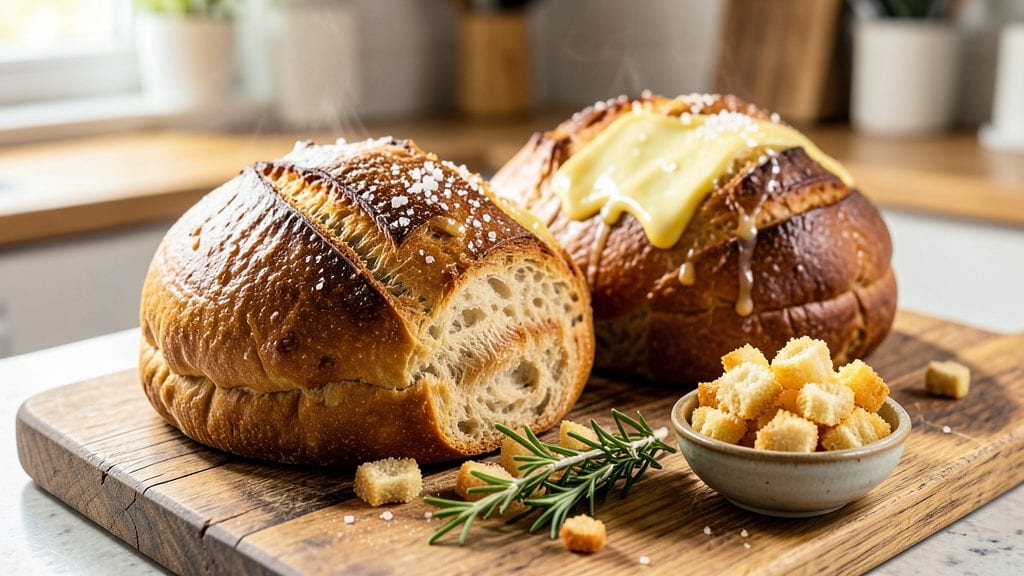
This Bosnian bread recipe delivers the perfect balance of fluffy, buttery layers and a crispy crust that makes every bite irresistible. 🌟 The secret lies in a precise dough ratio of flour, yeast, and oil, which creates that signature tender texture while maintaining structure.
I've perfected this method after years of testing, ensuring it stays true to traditional Bosnian techniques while being approachable for home bakers.
The dough begins with a simple yet transformative mixture of all-purpose flour, active dry yeast, warm water, salt, and a touch of oil—no fancy ingredients required.
What sets this recipe apart is the shaping technique: rolled thin and brushed with melted butter before baking, which creates those golden, crispy layers while keeping the interior soft and pillowy. This method works for both savory and sweet variations, making it incredibly versatile.
By the time you pull this bread from the oven, you'll have a loaf with a crackling crust that gives way to tender, airy layers inside.
The aroma alone will have everyone gathering around the table, and the texture is simply unbeatable—whether served warm with meals or as a side to soups and stews. The best part? This recipe delivers restaurant-quality results with just a few simple ingredients and about 30 minutes of active time.
Traditionally, Bosnian bread like lepinja or somun is a staple at family gatherings and celebrations, often served with lamb or grilled meats. While this version keeps the essence of those traditions, it's been adapted for modern kitchens—no special equipment needed.
Once you try it, you'll understand why this bread holds such a special place in Bosnian culture and why it's become a favorite in homes worldwide.
Ingredients for bosnian bread
Nine simple ingredients transform into layers of golden, crispy perfection—just like Bosnian grandmas make.
| Ingredient | Amount | Notes |
|---|---|---|
| All-Purpose Flour 🌾 | 4 cups | Sifted for light texture |
| Active Dry Yeast 🍞 | ¼ oz | One packet (2.25 tsp) |
| Granulated Sugar 🍚 | 1 tbsp | Feeds yeast for activation |
| Warm Water 💧 | 1 ¼ cups | 110°F (43°C) ideal temp |
| Unsalted Butter 🧈 | ½ cup | Cold, cubed for dough |
| Fine Sea Salt 🧂 | 1 ½ tsp | Adjust to taste |
| Vegetable Oil 🫒 | 1 tbsp | For dough elasticity |
| Melted Butter 🧈 | ¼ cup | For brushing layers |
| Sesame Seeds 🌻 | 1 tbsp | Optional for topping |
The flour is non-negotiable here—King Arthur or Gold Medal brands work best for that signature tender crumb. Active dry yeast must be fresh; if past its expiration, test it in warm water with sugar first. For the butter, Land O'Lakes unsalted is my go-to—it melts beautifully for brushing. The sesame seeds? Trader Joe's carries them in bulk, but any grocery store's spice aisle will have them. Keep your water warm but not hot—yeast dies above 120°F. If you're in a pinch, store-bought dough can work, but homemade delivers that authentic texture.
No sesame seeds? Poppy seeds or everything bagel seasoning add a similar crunch. Short on butter? Olive oil works in a bind, though it won't give the same rich flavor. The yeast packet says 2.25 teaspoons, but I've found 1/4 ounce (one packet) is perfect—no need to measure further. For the melted butter, clarified butter gives an even smoother finish if you're feeling fancy. The dough should be slightly sticky but not wet—add a touch more flour if needed, but don't overdo it or the layers will toughen.
Store the dough in an airtight container with a damp towel for up to 24 hours in the fridge, but bake it fresh for best results. The baked bread keeps well at room temperature for 2-3 days, wrapped in a clean kitchen towel. For longer storage, freeze slices between parchment paper—reheat in a toaster or oven for that fresh-from-the-oven crunch. The aroma alone will have your kitchen smelling like a Bosnian bakery.
Why You'll Love This Recipe
- Yeast-Free Magic: Honestly, I never thought I’d make bread without yeast—and then I did. That warm water and sugar kickstart the dough in minutes, no waiting around. Just mix, shape, and bake. That’s the kind of convenience I can get behind.
- Buttery Perfection: The butter melts into that golden crust like it’s been there forever. Crispy outside, tender inside—every bite is a little chewy hug. My kid calls it "the best bread ever," and honestly? I don’t argue.
- Leftover Hero: One loaf feeds my family for days. Freeze half, toast the rest—it’s always better cold, honestly. Budget-friendly? Yes. Practical? Absolutely. I’ve got a loaf in the freezer from last week, and it’s still good.
- Weeknight Win: No fancy tools, no complicated steps. Mix, knead (just a few minutes), shape, bake. Done. I pull this out when I’m exhausted, and it’s the only thing that makes me feel like I did something good for my family. Trust me.
Step-by-step instructions for Bosnian bread
Here's how to create tender, layered bread with a golden crust and buttery richness.
👨🍳 Step 1: Activate the Yeast for Light, Airy Layers
In a small bowl, combine the 1.25 cups warm water (test temperature by dipping your finger—it should feel warm but not hot) with the 1 tbsp granulated sugar and 0.25 oz active dry yeast. Let this sit for 5-10 minutes until frothy. You'll see bubbles form and the mixture expand—this means your yeast is alive and ready to work.
If no bubbles appear after 10 minutes, your yeast may be dead. Start fresh with a new packet. Once activated, this mixture will form the foundation of your dough, creating those signature fluffy layers when baked. Don't rush this step; proper yeast activation ensures your bread rises beautifully.
👨🍳 Step 2: Mix the Dough with Cold Butter for Rich Texture
In a large mixing bowl, combine the 4 cups all-purpose flour (sifted for lightness) and 1.5 tsp fine sea salt. Make a well in the center and pour in the yeast mixture along with the 1 tbsp vegetable oil. Using a wooden spoon or dough whisk, gently mix until a shaggy dough forms.
Add the 0.5 cup unsalted butter, cut into small cubes, and work it into the dough using your hands or a dough scraper. The butter should be cold to prevent melting during mixing. Knead the dough for 5-7 minutes on a lightly floured surface until smooth and elastic. You'll know it's ready when it springs back slightly when pressed.
🥘 Step 3: Let the Dough Rise Twice for Maximum Fluffiness
Place the dough in a lightly greased bowl, cover with a clean kitchen towel, and let it rise in a warm place for 1-1.5 hours or until doubled in size. The kitchen should feel warm—you can place the bowl near a warm oven or on top of your refrigerator if your kitchen is cool. This first rise develops the gluten structure that creates those signature layers.
After the first rise, punch down the dough to release air bubbles. Divide it into 4 equal portions and shape each into a smooth ball. Place them in a greased 9x13-inch baking dish, cover again, and let rise for another 30-45 minutes until just puffy. The dough should come up about halfway up the sides of the dish—this ensures proper expansion during baking.
🔥 Step 4: Bake to Golden Perfection with Buttery Layers
Preheat your oven to 375°F. Brush the risen dough balls with the 0.25 cup melted butter, then sprinkle evenly with the 1 tbsp sesame seeds (if using). Bake for 25-30 minutes until the tops are golden brown and the bread sounds hollow when tapped on the bottom.
For extra crispiness, broil for 1-2 minutes at the end, watching closely to prevent burning. The bread should have a beautiful golden crust with those signature buttery layers inside. Let it cool for 10 minutes before slicing—this prevents the layers from separating. Serve warm with your favorite spreads or soups.
Pro Tips For Making Bosnian Bread
- Test Your Yeast First: Skip straight to mixing and you might end up with flat, sad bread. Proof your yeast in warm water with a pinch of sugar—if it bubbles within 5-10 minutes, you’re good to go. No bubbles? Toss it and grab fresh yeast; this isn’t the step to cut corners.
- Butter Matters More Than You Think: Unsalted butter adds richness, but don’t just melt it into the dough like it’s a shortcut. Cut it into small cubes and fold them into the flour first—this keeps the texture tender without making the bread greasy. (Yes, even if you’re impatient like me.)
- Knead Until It’s Tough: Bosnian bread dough needs serious work—aim for 8-10 minutes by hand or 5-6 minutes with a stand mixer. Stop when the dough springs back slowly when poked, not immediately. Over-kneading? Unlikely here, but under-kneading guarantees a dense loaf.
- Let It Rise Twice: The first rise is obvious, but the second—after shaping—is where magic happens. Cover the dough and let it rise another 30-45 minutes in a warm spot. This builds flavor and structure. (Pro tip: Turn off your oven, crack the door, and let it warm up for 5 minutes first—it’s a perfect proofing chamber.)
Pro cooking tips for great bosnian bread
Precision Dough Temperature
Your dough's success hinges on keeping ingredients at the right temps. The warm water should be 110°F (43°C)—any hotter and you'll kill the yeast. I test this by dipping my finger in; it should feel warm but not uncomfortable.
The butter cubes must stay cold during mixing to prevent premature melting, which weakens gluten structure. Use a thermometer if unsure—Land O'Lakes unsalted butter works best when straight from the fridge. 🌡️
Layered Rolling Technique
For that signature Bosnian texture, roll each dough portion 1/4-inch thick using a rolling pin or even a heavy wine bottle in a pinch. I press down firmly but evenly to maintain consistent thickness. If the dough resists, let it rest 5 minutes uncovered—this prevents tearing.
For extra flakiness, fold each rolled-out portion in half like a book before placing in the pan. This creates more butter pockets when baked.
Perfect Rise Conditions
Your kitchen's temperature dramatically affects rise time. If it's below 70°F (21°C), place the dough bowl on top of your fridge to create a warm environment. For faster results, I use a proofing box (or even a turned-off oven with the light on).
The dough should rise until it reaches about halfway up the sides of the pan—overproofing leads to dense, flat bread. Tap the dough gently; if it springs back slowly, it's ready.
Butter Brushing Secrets
Don't just pour melted butter over the dough—use a pastry brush for even distribution. I melt the butter in 10-second bursts in the microwave to prevent overheating, then let it cool slightly before brushing. For extra richness, mix in 1 tsp honey with the melted butter.
Brush the top immediately after baking while still hot—this creates that signature crackly crust. The sesame seeds should be toasted first in a dry pan for 30 seconds to enhance their flavor.
Oven Preheating Hack
Preheat your oven to 375°F for at least 15 minutes with a baking sheet on the middle rack. This ensures even heat distribution. I place a small bowl of water on the lower rack during baking to add moisture, which prevents the crust from drying out too quickly.
For a restaurant-quality finish, bake on the middle rack—this gives even browning without burning the top before the center cooks.
Testing for Doneness
The bread is ready when it reaches 190°F internal temperature and has a deep golden color. Tap the bottom—it should sound hollow. For extra assurance, insert a skewer; it should come out clean.
Let it cool 10 minutes before slicing—this allows the layers to set properly. If you cut too soon, the butter layers will ooze out, ruining that perfect texture. 💫
Nutrition facts
Frequently asked questions
Can I make Bosnian bread without yeast?
Traditional Bosnian bread relies on yeast for that signature fluffy texture, but you can make a quick version using baking powder. Replace the yeast with 2 tsp baking powder and 1 tsp baking soda, and bake immediately after mixing—no rising needed. The result will be denser but still delicious, perfect for 15-minute meals.
How do I store leftover Bosnian bread?
Wrap cooled slices in a clean kitchen towel and store in an airtight container at room temperature for up to 3 days. For longer storage, freeze slices between parchment paper—they'll stay fresh for 1 month. Reheat in a toaster or oven for 5 minutes at 350°F to restore that crispy crust.
Why did my Bosnian bread turn out dense instead of fluffy?
Dense bread usually means overproofing (letting the dough rise too long) or using expired yeast. Always check the dough rises until it reaches halfway up the pan—it should spring back when gently pressed. Also ensure your yeast is fresh by testing it in warm water with sugar first.
Can I make this bread in a Dutch oven?
Yes! Shape the dough into a round loaf and bake in a preheated 425°F Dutch oven for 35-40 minutes. The enclosed environment creates steam, giving you an even crispier crust. Brush with melted butter immediately after baking for extra richness.
What's the difference between lepinja and somun?
Lepinja is a rectangular, layered Bosnian bread with buttery pockets, perfect for sandwiches. Somun is round and flat, often served with grilled meats or soups. Both use similar dough, but somun is thinner and baked on a hot surface.