
Sauces & Condiments
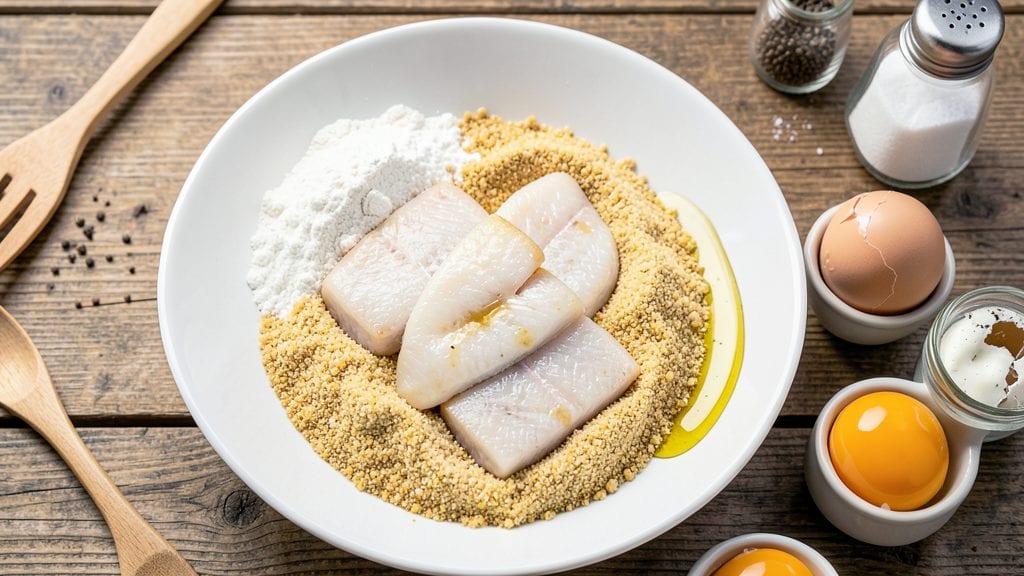
Master this breading for fried fish recipe to turn ordinary fillets into golden, crispy masterpieces with juicy interiors—this cornmeal-crusted method delivers restaurant-quality results every time.
The secret lies in the three-step process: a light flour base for adhesion, an egg wash that locks in moisture, and cornmeal that creates that signature crunch without overwhelming the delicate fish flavor.
I developed this recipe after years of testing different ratios, and it never fails to impress, even with picky eaters.
What makes this breading exceptional is its balance—crispy enough to satisfy any crunch lover but light enough to avoid soggy fish. The cornmeal adds texture while absorbing excess moisture, ensuring your fillets stay juicy inside.
This method works with any white fish (cod, haddock, or tilapia) and takes just 15 minutes from prep to serving, making it ideal for weeknight dinners or special occasions.
By the time you plate your perfectly fried fish, you’ll have golden-brown fillets with a shatteringly crisp crust that gives way to tender, flaky meat beneath. The cornmeal crust stays crisp even after resting, and the flavor is subtly savory without masking the natural taste of the fish.
Serve with lemon wedges, tartar sauce, or a simple green salad to complete the meal.
This recipe is designed for pescatarians and seafood enthusiasts alike, offering a foolproof technique that eliminates guesswork. Whether you're frying for a crowd or treating yourself to a special meal, this breading delivers consistent, professional-quality results every time. Let’s get started on creating your perfect fried fish.
Ingredients for breading for fried fish
Nine simple ingredients transform delicate fish into restaurant-style golden bites.
| Ingredient | Amount | Notes |
|---|---|---|
| White Fish Fillets 🐟 | 1 ½ lb | Cod, haddock, or tilapia preferred |
| All-Purpose Flour 🌾 | ½ cup | For light adhesion base |
| Fine Cornmeal 🌽 | ½ cup | Yellow or white preferred |
| Large Eggs 🥚 | 2 whole | Room temperature for best coating |
| Vegetable Oil 🫒 | 2 cups | For frying (peanut oil works too) |
| Salt 🧂 | 1 ½ tsp | Kosher or sea salt preferred |
| Ground Black Pepper 🌶️ | ½ tsp | Freshly ground for best flavor |
| Garlic Powder 🧄 | ½ tsp | For subtle savory depth |
| Paprika 🌶️ | ½ tsp | Smoked or sweet variety |
| Lemon Juice 🍋 | 1 tbsp | Freshly squeezed for brightness |
| Unsalted Butter 🧈 | 2 tbsp | For basting after frying |
| Ice Cold Water 💧 | 1 cup | For keeping fish chilled |
The fish is your canvas, so freshness matters. Grab fillets from the seafood counter—look for bright, translucent flesh with no fishy odor. Trader Joe's and Whole Foods have the best quality, but your local fishmonger is ideal. Pat them dry with paper towels (the drier, the better for adhesion). If using frozen fillets, thaw them overnight in the fridge—never at room temperature. The cornmeal is non-negotiable for that signature crunch. Bob's Red Mill or King Arthur brands work perfectly, but any fine cornmeal will do. I keep a bag on hand for frying—it's worth the small investment for that perfect texture.
No cornmeal? Crushed cornflakes or panko work in a pinch, but the texture won't be identical. Short on paprika? Dried oregano at half the amount gives a similar earthy note. The eggs should be room temp—cold eggs make for a messy coating. For extra crispiness, add 1 tbsp cornstarch to the cornmeal. The lemon juice is key for brightness—don't skip it. If you're frying for a crowd, double the oil and keep it at 350°F the whole time. The butter at the end adds richness, but you can skip it if you're watching calories. Just remember: the fish should be golden in 3-4 minutes per side, no longer or it'll turn rubbery.
This breading stays crisp for 20 minutes after frying if you keep it warm in a 200°F oven. For longer storage, freeze the uncooked fillets with breading on them—cook straight from frozen, adding 1-2 minutes per side. The oil can be reused 2-3 times if you keep it straining through a fine-mesh sieve. I always make a double batch of breading mix and store it in an airtight container for 1 month—saves time on busy nights. Serve immediately with lemon wedges to keep that crispy texture intact.
Why You'll Love This Recipe
- No-Fuss Setup: I swear by this combo—just flour, cornmeal, and eggs. No fancy mixers or measuring cups; I eyeball the ratio and still get that perfect crunch every time.
- Crispy Magic: That cornmeal flour blend? It’s the secret weapon. The flour gets you a golden crust, but the cornmeal adds this addictive crunch that stays crispy even when reheated.
- Game for Any Meal: I’ve used this for weeknight dinners, potlucks, and even as a quick lunch. Double the batch, freeze half, and you’ve got a ready-to-fry meal when you’re too tired to think.
- Budget-Friendly Crunch: Fish fillets are cheap, and the pantry staples (flour, cornmeal) last forever. Plus, leftover breading? Toss it in a bag—it’s perfect for coating chicken or veggies next time.
Step-by-step instructions for cornmeal-crusted fried fish
Here's how to get that perfect crispy crust while keeping the fish juicy inside.
Prep the Fish for Maximum Crisp and Juiciness
Pat the 1.5 lb white fish fillets completely dry with paper towels. You want them bone-dry for that crispy crust to form properly. I like to press down firmly on each fillet to remove any excess moisture from the surface. This step is non-negotiable—wet fish equals soggy breading.
Place the fillets in a shallow dish and pour the 1 cup ice cold water over them. Let them soak for 10 minutes. This chilling step keeps the fish from overcooking while it waits to be breaded. After soaking, remove the fillets and pat them dry again with fresh paper towels. The cold water helps firm up the flesh slightly, making it less likely to fall apart during frying.
Create the Perfect Breading Station
In a medium bowl, whisk together the 0.5 cup all-purpose flour, 1.5 tsp salt, 0.5 tsp ground black pepper, 0.5 tsp garlic powder, and 0.5 tsp paprika. This dry mixture forms the foundation of our crispy crust. I like to use a whisk to break up any flour clumps, ensuring an even distribution of seasonings throughout.
In another shallow dish, crack the 2 whole large eggs and whisk them lightly with a fork. Add the 1 tbsp lemon juice to the egg mixture and stir well. The acidity from the lemon juice helps tenderize the fish slightly while adding a bright note that cuts through the richness of the fried crust. Keep both the dry seasoning and egg wash at room temperature—they'll work better when not cold.
Bread the Fish for Maximum Crunch
Working with one fillet at a time, dredge it in the flour mixture, pressing gently to adhere the seasoning evenly to both sides. Tap off any excess flour—you want a light, even coating, not a thick layer that would fall off during frying. Then dip the floured fillet into the egg wash, allowing any excess to drip off.
Finally, coat the egg-washed fillet with the 0.5 cup fine cornmeal. The cornmeal gives us that signature Southern-style crunch while helping absorb any remaining moisture from the egg wash. Press the cornmeal gently into the fish to ensure good adhesion. Repeat with all fillets, working quickly so they don't sit too long in the wet egg mixture. Arrange the breaded fillets on a wire rack set over a baking sheet to keep them from sticking together.
Fry to Golden Perfection
Heat the 2 cups vegetable oil in a deep skillet or Dutch oven over medium-high heat until it reaches 350°F. Use a thermometer to monitor the temperature—this is crucial for getting that perfect crisp without burning the outside before the inside cooks. The oil should be shimmering but not smoking when ready.
Carefully place the breaded fillets in the hot oil, working in batches if needed to avoid overcrowding. Fry for 3-4 minutes per side until the crust is deep golden brown and the fish flakes easily with a fork. You'll know it's done when the crust looks crisp and the fish releases cleanly from the breading. Drain on paper towels to remove excess oil.
Finish with Butter for Extra Flavor
While the fish is still hot, transfer it to a serving platter. Immediately melt the 2 tbsp unsalted butter in a small saucepan over low heat. Pour the melted butter over the fried fish, letting it drip down between the fillets. This basting step adds richness and helps seal in those juices.
Serve immediately while the crust is still crisp and the fish is hot. The cornmeal crust should be golden and crunchy, while the fish inside should be tender and flaky. Each bite should deliver that satisfying crunch followed by juicy, flavorful fish. The lemon juice in the breading gives a nice bright contrast to the richness of the fried crust.
Pro Tips For Making Breading For Fried Fish
- PAT THE FILLETS DRY: Fish breading clings like a wet sock if you skip this. Use paper towels to press every surface—no moisture means the cornmeal-flour mix sticks instead of sliding off. I learned this the hard way when my first batch turned into a soggy mess.
- MIX CORNMEAL AND FLOUR: Don’t just dump flour first—toss the fillets in cornmeal before the flour. The cornmeal adds crunch and absorbs oil better, while the flour locks it all in. My grandmother swore by this, and she was right: the crust stays crispy longer.
- USE ROOM-TEMP EGG: Cold eggs make for a lumpy wash that won’t coat the fish properly. Crack them into a bowl 10 minutes before dredging—room temp eggs coat evenly and set faster. Yes, even if you’re impatient like me.
- FRIED IN BATCHES: Overcrowding the pan drops the oil temp and turns your fish greasy instead of golden. Fry two fillets at a time, no matter how tempting it is to rush. The oil needs space to bubble—this is the thing that matters most for that perfect crust.
Pro cooking tips for perfect results
Dry vs. Wet Breading
Dry breading (just flour) creates a lighter crust but needs extra care—pat fillets bone-dry first, or the crust will turn soggy. For this recipe, I use a hybrid method: start with flour for adhesion, then add cornmeal for that signature Southern crunch.
The cornmeal absorbs moisture from the egg wash, preventing a gummy texture. 🌾
Double-Dredging Secret
For maximum crispiness, double-dredge your fillets: dip in flour, egg wash, cornmeal, then back into egg wash before final cornmeal coating. This three-step breading locks in flavor and creates an extra-crispy outer layer. Work quickly—fish absorbs moisture fast, making the crust soggy if left too long in the egg wash.
Oil Temperature Control
Use a thermometer—this isn’t optional! Maintain oil at 350°F for perfect frying. Too low (<325°F) = greasy, soggy crust; too high (>375°F) = burnt outside, raw inside. I test with a wooden chopstick: if bubbles form around it immediately, the oil’s ready. 🌡️
Fish Prep Matters
Never skip the ice water soak—it firms up delicate fillets and prevents them from falling apart during frying. Pat them extra dry after soaking, especially around edges.
For thicker fillets (>1 inch), reduce fry time to 2-3 minutes per side to avoid overcooking. A fork test is key: the fish should flake easily when done.
Butter Basting Trick
After frying, melt 2 tbsp butter and pour it over hot fish while plating. The butter’s fat redistributes, keeping the crust crisp while adding richness. For extra flavor, add ½ tsp garlic powder to the melted butter. This step elevates simple fried fish to restaurant-quality in seconds. 🧈
Equipment Must-Haves
Skip the deep fryer—you only need a heavy-bottomed skillet (like All-Clad) or Dutch oven for even heat distribution. A wire rack on a baking sheet keeps fried fish from steaming.
For frying, vegetable oil is neutral and affordable, but peanut oil has a higher smoke point if you prefer. Always use tongs to avoid breaking the crust.
Nutrition facts
Frequently asked questions
Why does my fried fish crust turn out soggy instead of crispy?
Soggy crusts happen when moisture gets trapped between the fish and breading. Always pat fillets bone-dry before breading, and never skip the 10-minute ice water soak—it firms up the fish and prevents moisture from leaking out during frying. Also, keep your breading station cold (use room-temperature eggs and flour) to avoid steaming the crust.
Can I use this breading method for other types of fish?
This recipe works beautifully with most white fish like cod, haddock, or tilapia, but avoid delicate varieties like flounder—they're too fragile for the cornmeal crust. For firmer fish (salmon, trout), you can increase fry time to 4-5 minutes per side. The cornmeal ratio stays the same, but thicker fillets may need an extra coating for even crispiness.
How do I keep the breading crispy after frying?
Serve immediately on a wire rack to allow air circulation—this prevents steam from making the crust soggy. If you need to hold fried fish, keep it in a 200°F oven for no more than 20 minutes. For reheating, broil for 1-2 minutes on high heat to restore crispiness. Never microwave—it turns breading rubbery.
What's the best oil for frying, and how do I reuse it?
Use vegetable or peanut oil—both have high smoke points (400°F+) and neutral flavors. Strain used oil through a fine-mesh sieve after each use, then store in an airtight container. Reuse 2-3 times max, discarding if it smells rancid or smokes excessively when heated. Always keep oil at 350°F for perfect frying.
Can I make the breading mix ahead of time?
Combine the flour, cornmeal, and seasonings in an airtight container and store for up to 1 month. Keep eggs separate until ready to use. For the cornmeal, store it in the pantry—it stays fresh indefinitely. Just whisk the flour mix before using to break up any clumps. Prepping ahead saves 10 minutes on busy days!