
Side Dishes
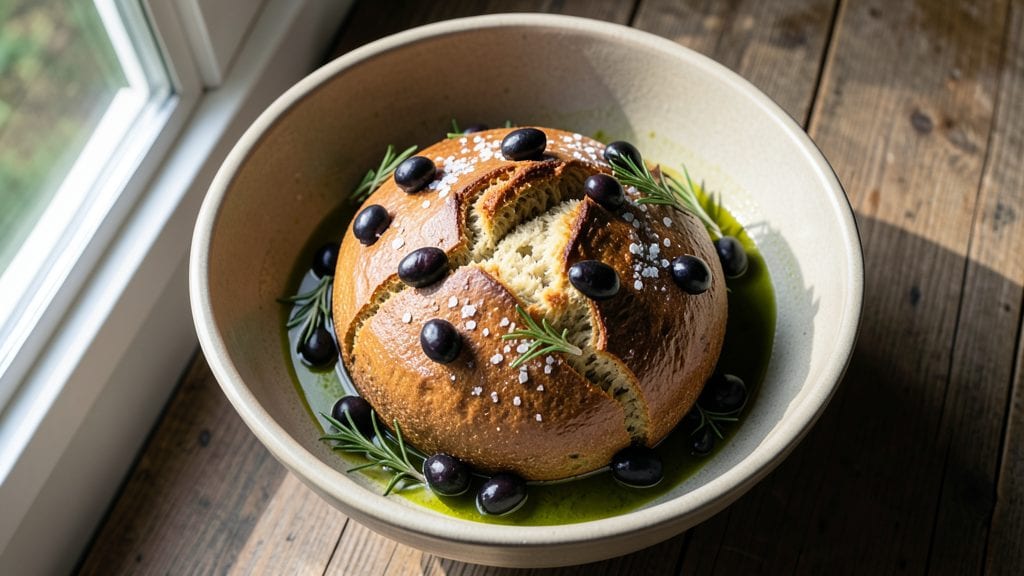
This breadmaker olive bread recipe unlocks the secret to golden crusts and fragrant, herby depth—no bakery trip required. This recipe leverages the breadmaker’s precision to create a loaf with a golden, crackling exterior and a tender crumb infused with briny olives and aromatic olive oil—perfect for sandwiches or toast.
The key lies in the right olive oil-to-flour ratio and a precise kneading cycle, both of which I’ve tested to guarantee a foolproof result every time.
The beauty of this method is its simplicity: just combine basic pantry staples with a handful of olives and olive oil, then let the breadmaker handle the rest. No hand-kneading, no guesswork—just set it, forget it, and return to a loaf that smells like a Mediterranean market.
The olives add subtle saltiness and texture, while the olive oil keeps the bread moist and rich, even days later.
What you’ll end up with is a loaf that’s crispy on the outside, soft and airy inside, and packed with the savory punch of olives and olive oil.
The crust develops a satisfying snap when sliced, and each bite delivers that perfect balance of herby, briny, and buttery notes. This isn’t just bread—it’s a flavor experience that turns a simple side dish into the star of the meal.
Use this olive bread for everything from sandwiches to crostini, or simply enjoy it fresh from the breadmaker with a smear of garlic butter. The recipe scales easily, so you can make a single loaf for two or double it for a crowd.
Here’s how to achieve that restaurant-quality crunch and herby infusion at home.
Ingredients for breadmaker olive bread
Basic pantry staples meet Mediterranean flavors for a breadmaker loaf with restaurant-quality crunch and herby depth.
| Ingredient | Amount | Notes |
|---|---|---|
| All-Purpose Flour 🌾 | 4 cups | Unbleached for best texture |
| Extra-Virgin Olive Oil 🫒 | ¼ cup | High quality, fruity aroma |
| Active Dry Yeast 🍞 | 2 ¼ tsp | Freshly opened for best rise |
| Granulated Sugar 🍬 | 1 tbsp | Feeds yeast for activation |
| Warm Water 💧 | 1 ¼ cups | 110°F for yeast activation |
| Salt 🧂 | 1 ½ tsp | Kosher or sea salt preferred |
| Pitted Kalamata Olives 🫒 | ½ cup | Chopped, brined variety |
| Garlic Cloves 🧄 | 2 cloves | Minced, for herby depth |
| Dried Oregano 🌿 | 1 tsp | Mediterranean blend preferred |
| Ground Black Pepper 🌶️ | ½ tsp | Freshly cracked for flavor |
| Coarse Sea Salt 🧂 | 1 tsp | For crust enhancement |
| Cornmeal 🌽 | 2 tbsp | For dusting breadmaker pan |
| Egg Wash 🥚 | 1 whole | Optional for golden crust |
The olive oil is non-negotiable here—look for extra-virgin with a fruity aroma, not the cheap cooking oil. Trader Joe's or Whole Foods carry excellent options, but even a mid-range grocery store will have a decent one. Kalamata olives are ideal for their briny punch, but green olives work too. Just drain them well and chop them finely so they distribute evenly. The yeast? Freshly opened packets activate faster—old yeast won’t rise properly. If your breadmaker pan is new, lightly grease it with olive oil before adding cornmeal. For the garlic, roast it first if you want a sweeter, deeper flavor—just toss whole cloves in the oven at 400°F for 15 minutes before mincing.
No Kalamata olives? Green olives or even sun-dried tomatoes add a similar savory note, though the flavor will differ slightly. Short on olive oil? Avocado oil works in a pinch, but it won’t have the same fruity depth. The dried oregano can be swapped for fresh oregano at double the amount, but it’ll add moisture. For a quicker rise, instant yeast can replace active dry yeast at the same measurement. The egg wash is optional but worth it for that golden crust—just whisk the egg with a splash of water and brush it on before the final cycle. If you’re making this ahead, freeze the dough as a log before baking—thaw overnight in the fridge for best results.
This dough keeps in the fridge for 3 days if wrapped tightly in plastic, but it’s best fresh from the breadmaker. For extra crunch, bake the loaf for 5-10 minutes after it finishes the cycle—just pop it in the oven at 375°F until the crust is deep golden. Store leftovers in a paper bag at room temperature to keep them crispy. The olives and garlic infuse the bread beautifully, so don’t skip them—they’re what makes this loaf taste like a Mediterranean bakery. If you’re doubling the recipe, use two breadmaker pans or shape the dough into a free-form loaf for a rustic touch.
Why You'll Love This Recipe
- Set-and-Forget Magic: I dump the ingredients—flour, yeast, olive oil, sugar, and water—into the breadmaker, press start, and walk away. No kneading, no waiting by the stove, just pure hands-off baking that still delivers a golden crust.
- Olive Oil Luxury: That rich extra-virgin olive oil isn’t just flavor—it’s the star. The bread has this buttery richness without butter, and the crust? Crispy enough to hold up to charred veggies or fresh mozzarella, but tender enough to soak up marinara like a dream.
- Weeknight Workhorse: This isn’t just bread—it’s my go-to for sandwiches, toast, or even garlic bread. Make a batch on Sunday, and you’ve got breakfast, lunch, and dinner covered without extra effort. (Yes, even on a Tuesday night.)
- Budget-Friendly Staple: Five ingredients, zero specialty items, and it costs pennies per loaf. The yeast and sugar are minimal, the flour is basic, and that olive oil? A little goes a long way—meaning more leftovers for toast or croutons without breaking the bank.
Step-by-step instructions for breadmaker olive bread
This method transforms simple ingredients into a fragrant, crusty loaf with Mediterranean flair.
Combine Wet Ingredients and Activate Yeast
In a small bowl, whisk together the 1.25 cups warm water (about 110°F), 1 tbsp granulated sugar, and 2.25 tsp active dry yeast. Let this mixture sit for 5-10 minutes until it becomes frothy—this confirms the yeast is active and ready to work. The surface should bubble vigorously, signaling the yeast is alive and ready to leaven your dough.
In a separate small bowl, combine the 0.25 cup extra-virgin olive oil, 1 tsp dried oregano, 0.5 tsp ground black pepper, 2 cloves minced garlic cloves, and 0.5 cup chopped pitted kalamata olives. Mix well to distribute the olive oil evenly throughout the mixture. This infusion will become the aromatic heart of your bread, giving it that signature Mediterranean character.
Mix Dough in the Breadmaker
Add the 4 cups all-purpose flour and 1.5 tsp salt to your breadmaker pan. Create a well in the center and pour in the yeast mixture and the olive oil infusion. Use a silicone spatula to gently combine everything—you're looking for a shaggy dough that comes together but still has some dry spots.
Sprinkle 2 tbsp cornmeal over the dough to prevent sticking. This step is crucial for creating a crispy crust later. Set your breadmaker to the basic white bread cycle (or equivalent setting) and let it do its work. The machine will knead, rise, and shape the dough automatically, saving you time and effort.
Shape and Prepare for Baking
Once the dough has completed its cycle and is fully risen in the pan, carefully remove it. If your breadmaker doesn't have a removable pan, you'll need to transfer the dough to a greased baking sheet. Gently shape the dough into a loaf if needed, but don't overwork it—just enough to create a smooth surface.
Brush the dough with the 1 whole egg wash (beat the egg with a fork and strain it to remove any large pieces). This creates a beautiful golden crust and adds a subtle richness to the bread. Sprinkle the 1 tsp coarse sea salt evenly over the top for extra flavor and texture contrast. Let the loaf rest for 10 minutes while you preheat your oven to 375°F.
Bake to Golden Perfection
Place the loaf in the preheated oven and bake for 30-35 minutes, until the crust is deep golden brown and sounds hollow when tapped on the bottom. The interior temperature should reach 190-200°F when measured with an instant-read thermometer. This ensures the bread is fully baked without being dry.
If the top browns too quickly, tent the loaf with aluminum foil to prevent over-browning while it continues to bake through. The aroma of freshly baked bread with olive and garlic notes will fill your kitchen—worth every minute of the process. Remove from the oven and let the bread cool on a wire rack for at least 20 minutes before slicing.
Pro Tips For Making Breadmaker Olive Bread
- Measure Yeast First: Sprinkle that active dry yeast into the breadmaker pan before adding anything else—flour, oil, or water. I learned this the hard way when clumps formed mid-cycle, and the bread ended up dense. The yeast needs to bloom evenly, and this ensures it’s fully hydrated when the water hits.
- Use Room-Temp Oil: Extra-virgin olive oil thickens when cold, and your breadmaker will struggle to incorporate it properly. Let that bottle sit out for 10–15 minutes before measuring—just enough to pour smoothly. Cold oil = uneven dough = sad, gummy bread.
- Skip the Extra Sugar: The recipe already calls for granulated sugar to feed the yeast, but adding more won’t sweeten the bread—it’ll just make it gummy. Trust the original amount; the olive oil gives enough richness without turning your loaf into a cake.
- Punch Down Once: After the first knead cycle, pause the machine and manually punch down the dough in the pan. This breaks up any air pockets and ensures the olive oil distributes evenly. (Yes, even if the display says “kneading”—your bread’s texture will thank you.)
Storing and reheating this recipe
Room-Temp Storage
Keep your olive bread at room temperature in a paper bag (not plastic) to maintain that perfect crusty exterior. I store mine on the counter for up to 3 days—the paper bag prevents sogginess while allowing the bread to breathe.
For extra crunch, place the loaf on a wire rack inside a cool, dry place away from direct sunlight. The olive oil and olives help preserve moisture, so you won’t get that dry, stale bread you sometimes find with regular loaves. 🌾
Refrigerator Refresh
If you need to store leftovers longer than 3 days, pop the bread in the fridge wrapped tightly in plastic wrap or a resealable bag. When reheating, I slice it and warm in a 350°F oven for 5-8 minutes until toasty.
For a quicker fix, toast slices in a toaster or toaster oven—this restores the crispy texture beautifully. The garlic and olive flavors actually intensify slightly after refrigeration, making it even more flavorful. ✨
Freezer Preservation
For long-term storage, I recommend freezing the bread as a whole loaf or in individual slices. Wrap tightly in plastic wrap, then place in a freezer bag to prevent freezer burn. Thaw overnight in the fridge before slicing.
When ready to eat, reheat slices in a 375°F oven for 8-10 minutes or until warmed through. The texture stays remarkably fresh, and the olive oil keeps it from drying out. 💫
Reviving Stale Bread
Even if your olive bread loses its crispness, don’t toss it! I revive stale slices by sprinkling them with water or milk, then toasting in a 400°F oven for 5-7 minutes until golden and crisp again.
For extra flavor, brush with melted butter or olive oil before toasting. This trick works especially well for crostini or garlic bread—just add a sprinkle of Parmesan cheese or fresh herbs. 🔥
Crust Maintenance Tips
The key to keeping the crust crisp is never storing it in an airtight container—this traps moisture and makes it soft. If you must use one, place a paper towel inside to absorb excess moisture.
For best results, I keep my olive bread in a basket lined with a clean kitchen towel on the counter. This method preserves the crust while keeping the interior soft and flavorful for up to 5 days. The olive oil’s natural preservative properties help extend freshness. 💡
Nutrition facts
Frequently asked questions
Can I use green olives instead of Kalamata olives in this recipe?
While Kalamata olives provide that classic briny depth, green olives work perfectly too. Just drain and chop them finely to distribute evenly. The flavor will be slightly milder, but still delicious. For extra punch, try mixing both types.
Why does my breadmaker olive bread sometimes turn out dense?
Dense olive bread usually means the dough didn't knead enough or rise properly. First, check your yeast is fresh—old yeast won't activate well. Also, ensure your breadmaker's kneading cycle is set correctly (most machines need 3-5 minutes of active kneading). If using a basic white bread cycle, it should handle this automatically. For extra rise, try adding 1 extra teaspoon of sugar to feed the yeast.
How can I make this olive bread extra crispy?
For a restaurant-style crust, brush the loaf with egg wash before baking, then sprinkle with coarse sea salt. After baking, let it cool completely on a wire rack. For even more crunch, bake it for 5 extra minutes at 375°F after the breadmaker cycle finishes. The olive oil in the dough also helps maintain crispness longer than regular bread.
Can I add other herbs or spices to this recipe?
This recipe works beautifully with Mediterranean herbs! Try adding 1 tsp dried rosemary or ½ tsp red pepper flakes for heat. Fresh herbs like thyme or parsley can also be mixed in—just reduce the water slightly since fresh herbs add moisture. The key is balancing flavors while keeping the olive and garlic as the stars.
What's the best way to use up leftover olive bread?
Transform stale slices into crostini by toasting and topping with olive oil, garlic, and Parmesan. It also makes amazing garlic bread or French toast. For a quick snack, try olive bread croutons—toss cubes with olive oil and bake at 375°F for 8-10 minutes until crispy. The olive flavor actually enhances when reheated!