
Side Dishes
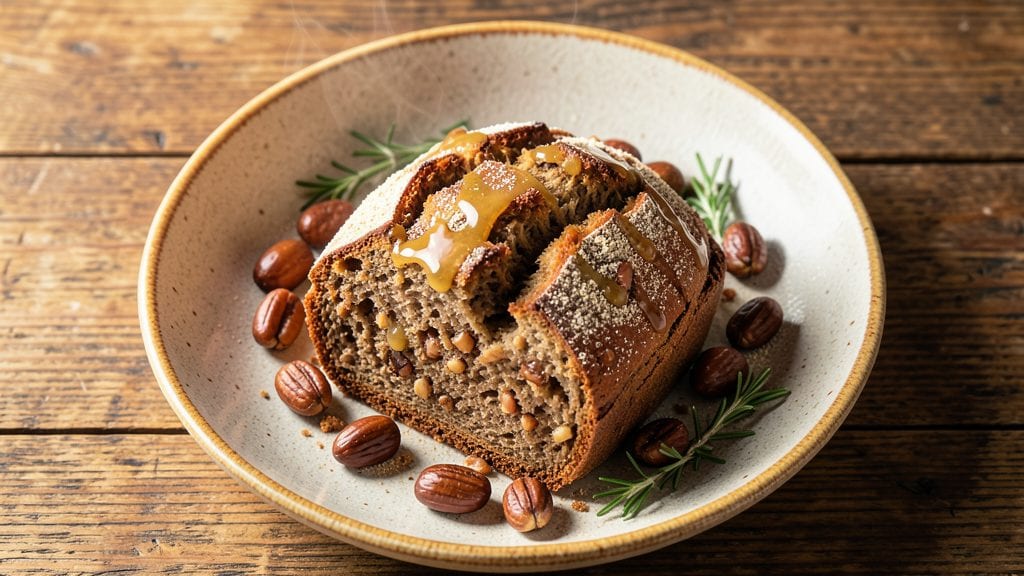
This chestnut bread recipe transforms humble pantry staples into a nutty, earthy loaf with a crusty crunch that rivals artisanal bakeries. The secret lies in blending chestnut flour with traditional wheat flour, creating a dense yet tender crumb that's rich with autumnal warmth.
I developed this recipe after years of experimenting with gluten-free alternatives, but the texture here is anything but compromising—it's a celebration of chestnuts' natural sweetness and heartiness.
The dough comes together with just 10 ingredients, including toasted chestnuts that add both flavor and moisture. Unlike many chestnut breads that rely on heavy substitutions, this version maintains a satisfying chew while delivering that signature nutty depth.
The baking process is where the magic happens—steam creates that coveted crusty exterior while keeping the interior moist and fragrant.
By the time it emerges from the oven, you'll have a loaf that's golden brown on the outside and tender yet substantial within. The aroma alone—warm chestnuts mingling with yeasty bread notes—will have everyone gathering around.
This bread pairs beautifully with sharp cheeses, honey drizzles, or simply butter, making it the perfect addition to any meal.
Store leftovers wrapped in a clean kitchen towel to maintain freshness, or freeze slices for quick toastings later. The versatility doesn't end there—slice it for sandwiches, toast it for breakfast, or serve it warm with soups. Let's get baking this restaurant-quality loaf at home.
Ingredients for chestnut bread
Ten essential ingredients craft this artisanal chestnut bread with autumnal depth and professional texture.
| Ingredient | Amount | Notes |
|---|---|---|
| Chestnut Flour 🌰 | 1 ½ cups | Finely ground, toasted flavor preferred |
| All-Purpose Flour 🌾 | 1 ½ cups | Bread flour for improved texture |
| Active Dry Yeast 🍞 | 2 ¼ tsp | One packet (2.25g), proofed in warm water |
| Granulated Sugar 🍚 | ¼ cup | For yeast activation |
| Unsalted Butter 🧈 | ½ cup | Cold, cubed for dough development |
| Toasted Chestnuts 🌰 | 1 cup | Finely chopped, skin removed |
| Large Eggs 🥚 | 1 whole | Room temperature, beaten |
| Whole Milk 🥛 | ¾ cup | Warm, enhances dough elasticity |
| Diamond Crystal Kosher Salt 🧂 | 1 ½ tsp | Adjusts to taste after baking |
| Extra-Virgin Olive Oil 🫒 | 2 tbsp | For dough and crust brushing |
Chestnut flour demands quality—Bob's Red Mill or King Arthur brands deliver the finest grind for optimal texture. Toast your chestnuts until fragrant (350°F for 15 minutes) to enhance their natural sweetness. The yeast must be fresh: test by dropping a packet in warm water with sugar—it should foam within 5 minutes. For the flour, King Arthur Bread Flour creates a superior crumb, though all-purpose works in a pinch. Pre-measure all ingredients to avoid overmixing the delicate dough.
No chestnut flour? Substitute half with almond flour for a similar nutty profile, though texture will differ slightly. Swap butter for vegetable shortening if avoiding dairy, though flavor suffers. Milk can be replaced with unsweetened almond milk, though dough may become slightly drier. Olive oil can be substituted with avocado oil for neutral flavor. For yeast issues, instant yeast works at half the weight (1 tsp instead of 2.25g packet). Always proof yeast in warm (110°F) water—too hot kills it, too cool prevents activation.
Store baked loaves in a bread bag at room temperature for up to 3 days, or freeze wrapped in plastic for 3 months. Toast slices directly from frozen for crispy results. The crust benefits from brushing with melted butter after cooling—enhances both flavor and shelf life. For gift-giving, wrap cooled loaves in parchment paper and tie with twine. Leftovers reheat beautifully in a 350°F oven for 5 minutes to restore freshness.
Why You'll Love This Recipe
- No-Knead Magic: I swear, the yeast does all the work here. Just mix, let it rise overnight, and bake—no fuss, no stress. The chestnut flour gives it that earthy richness without extra effort.
- Earthy Sweetness: That chestnut flour? It’s like autumn in a loaf—naturally sweet, nutty, and just a hint of toasty depth. The butter keeps it tender, and the sugar? Just enough to make it irresistible.
- Weeknight & Holiday: Same dough, endless uses. Toast it for breakfast, slice it for charcuterie, or serve it warm with jam. It’s my go-to for lazy mornings and impressive gatherings—no one ever guesses how easy it was.
- Budget-Friendly Staple: A little chestnut flour goes a long way, and the rest of the ingredients? Basic pantry stuff. Bake a big batch, freeze slices, and you’ve got fresh bread for days—no wasted trips to the store.
Step-by-step instructions for chestnut bread recipe
Mastering this nutty loaf requires precise technique and patience—every step builds that signature crusty crunch.
Activate the Yeast with Warm Milk and Sugar
In a small bowl, combine the 0.75 cup whole milk with the 0.25 cup granulated sugar and warm it until it reaches 110°F—just warm enough to dissolve the sugar completely. Sprinkle the 2.25 tsp active dry yeast over the surface and let it sit for 5-7 minutes until it becomes frothy and bubbles vigorously. This activation ensures your dough will rise properly later.
I always check for bubbles by gently swirling the bowl—if nothing happens after 7 minutes, your yeast may be dead. Start fresh with a new packet immediately. The warm milk should never feel hot to the touch; yeast dies in temperatures above 120°F. Once activated, proceed quickly to maintain the yeast's vitality.
Mix the Dough with Chestnut and All-Purpose Flours
In the bowl of a stand mixer fitted with the dough hook attachment, combine the 1.5 cups chestnut flour and 1.5 cups all-purpose flour with the 1.5 tsp diamond crystal kosher salt. Mix on low speed for 30 seconds to aerate the flours before adding the yeast mixture. This step prevents dense pockets in the final loaf.
With the mixer running on low, gradually add the 1 whole large eggs and 0.5 cup unsalted butter (cold and cubed). Let the butter incorporate fully before increasing speed to medium—this prevents gluten development too early. Add the 1 cup toasted chestnuts and mix for another 2 minutes until the dough begins to pull away from the bowl. The chestnuts should be evenly distributed but not pulverized.
Knead the Dough to Develop Gluten
Increase the mixer speed to medium and knead the dough for 5-7 minutes until it becomes smooth, elastic, and springs back slowly when pressed. The dough should pass the windowpane test—stretch a small piece between your fingers and hold it up to the light. If it's translucent without tearing, you're ready.
Here's the thing—chestnut flour absorbs more moisture than all-purpose flour, so the dough will feel slightly stickier. If it's too wet after kneading, add 1 tablespoon all-purpose flour at a time until it improves. Once properly kneaded, transfer the dough to a lightly oiled bowl, cover with a damp towel, and let it rise in a warm place for 1-1.5 hours or until doubled in size. The warm environment (around 75°F) is critical for proper fermentation.
Shape and Proof the Dough for Optimal Rise
Turn the risen dough onto a lightly floured surface and gently shape it into a 9x5-inch loaf pan. Press the dough down firmly to fill the pan completely—this prevents a flat loaf. Brush the top with 1 tablespoon extra-virgin olive oil and sprinkle with a pinch of the diamond crystal kosher salt for added flavor. Cover the pan loosely with plastic wrap and let it proof for another 30-45 minutes until it rises 1-2 inches above the pan.
During this final proof, the dough should feel soft and slightly springy when pressed. If it doesn't rise significantly, your environment may be too cold. Preheat your oven to 375°F while the dough proofs—this ensures it goes straight into a hot oven for maximum oven spring. The chestnut flavor will intensify as it bakes, so resist the urge to overproof or the texture will suffer.
Bake to Achieve Crusty Crunch and Even Texture
Place the loaf pan in the preheated oven and bake for 35-40 minutes until the top is deep golden brown and the internal temperature reaches 190°F. Tap the loaf gently—it should sound hollow when done. The crust should be crisp enough to hold its shape when sliced, with a slightly chewy interior.
For that signature crusty crunch, I like to brush the top with an additional 1 tablespoon extra-virgin olive oil after 20 minutes in the oven. This creates a glossy, caramelized finish. Let the bread cool in the pan for 10 minutes before transferring it to a wire rack. Slice while still slightly warm to highlight the nutty chestnut flecks and tender crumb. The bread will continue to firm up as it cools, making it easier to handle and serve.
Pro Tips For Making Chestnut Bread
- Bloom the Yeast First: Chestnut flour is heavy—don’t risk underproofing by skipping this step. Mix the yeast, warm water (110°F), and a pinch of sugar in a separate bowl and let it bubble for 5-10 minutes before adding to the dry ingredients. I learned this the hard way when my first batch turned dense because the yeast struggled in the thick chestnut mix.
- Toast the Chestnut Flour: Skip the raw chestnut flavor by lightly toasting the chestnut flour in a dry pan over medium heat for 2-3 minutes, stirring constantly. It deepens the nutty notes and prevents that "wet cardboard" taste—trust me, your bread will smell like autumn instead of a bakery mistake.
- Don’t Overmix the Dough: Chestnut flour makes dough sticky and gummy. Mix just until combined—lumps are fine—then fold in the butter last and work fast. After burning three batches from overworking, I now use a dough scraper and stop when the butter is just incorporated, no more.
- Chill the Dough Overnight: This isn’t just lazy—it’s genius. Shape your dough, cover it, and refrigerate for 8-12 hours. The chestnut flour’s moisture redistributes, the gluten relaxes, and you’ll get a lighter crumb without fighting a stubborn dough. (Yes, even if you’re impatient like me.)
Creative variations of this dish
Sweet Chestnut-Honey Twist
Infuse your chestnut bread with 1 tablespoon honey during the final proof by brushing it over the dough before baking. This creates a subtle caramelized sweetness that pairs beautifully with the nutty base.
I recommend local wildflower honey for depth—its floral notes complement the chestnuts' earthiness. For extra richness, sprinkle 1 teaspoon cinnamon over the honey before baking. 🌰
Savory Herb & Garlic Version
Transform this into a savory loaf by replacing ½ cup chestnut flour with ½ cup whole wheat flour and adding 2 tablespoons chopped fresh rosemary and 3 minced garlic cloves to the dough.
The herbs brighten the chestnut flavor while the garlic adds depth. Brush the baked loaf with garlic-infused olive oil for an aromatic finish. Perfect for pairing with soups or charcuterie boards.
Gluten-Free Adaptation
For a gluten-free version, replace the all-purpose flour with 1.5 cups gluten-free 1:1 baking flour (like Bob's Red Mill) and add 1 tablespoon xanthan gum to improve texture. Use 1 extra egg to bind the dough, as gluten-free flours absorb more liquid.
The chestnut flavor remains dominant, though the crumb will be slightly denser. Bake at 350°F for 45-50 minutes to prevent over-browning.
Spiced Pumpkin-Chestnut Hybrid
Blend autumn flavors by adding 1 cup cooked pumpkin puree to the dough along with 1 teaspoon pumpkin pie spice. The pumpkin adds moisture while the spices (cinnamon, nutmeg, ginger) create warmth.
Reduce the milk to ½ cup to balance the extra liquid. This variation works especially well with maple glaze drizzled on top after baking.
Crunchy Chestnut Topping
Create a textured crust by mixing ½ cup chopped toasted chestnuts with 2 tablespoons melted butter and 1 tablespoon honey. Press this mixture onto the dough before the final proof.
The chestnuts will toast beautifully during baking, adding crunch to every bite. This technique works particularly well for free-form boules shaped on a baking sheet instead of a loaf pan.
Vegan Adaptation
Make this bread vegan by replacing the egg with 1 flax egg (1 tablespoon ground flaxseed + 3 tablespoons water, mixed and rested for 5 minutes) and using vegan butter (like Miyoko's).
Substitute the whole milk with unsweetened almond milk, though you may need an extra 1 tablespoon of plant-based milk to compensate for reduced moisture. The chestnut flavor remains rich, though the texture will be slightly denser without eggs.
Nutrition facts
Frequently asked questions
Can I substitute chestnut flour with regular flour?
While you can replace up to 50% of chestnut flour with all-purpose flour, the nutty flavor and moisture profile will change significantly. For best results, use chestnut flour—it's what gives this bread its signature texture and earthy sweetness. If you must substitute, try almond flour for a similar nutty taste, though the crumb will be denser.
Why does my chestnut bread turn out dense?
Dense bread usually means overmixing the dough or insufficient kneading. Chestnut flour absorbs more moisture, so if your dough feels too sticky, add 1 tablespoon flour at a time during kneading. Also, ensure your yeast is active (test it in warm water first) and that the dough rises in a warm environment (75°F). Overproofing can also cause density—bake immediately after the final proof.
How do I store chestnut bread to keep it fresh?
Wrap the cooled loaf in a clean kitchen towel and store it at room temperature for up to 3 days. For longer storage, freeze slices wrapped in plastic for 3 months. Toast directly from frozen for crispy results. Avoid plastic bags—they trap moisture and make the bread soggy. A bread box works well, but the towel method preserves freshness best.
Can I make this bread without a stand mixer?
Use a large bowl and a wooden spoon to mix ingredients, then knead by hand for 8-10 minutes on a floured surface. The dough will feel stickier, so wet your hands slightly to prevent sticking. Work until the dough is smooth and elastic. Chestnut flour makes the dough heavier, so kneading by hand requires extra effort—but it’s totally doable!
What’s the best way to reheat chestnut bread?
For crispy slices, toast directly in a 375°F oven for 5-7 minutes until golden. For softer bread, wrap slices in a damp paper towel and microwave for 10-15 seconds. Avoid the microwave for crusty slices—it turns them rubbery. A cast-iron skillet over medium heat also works beautifully for a quick crisp.