
Main Courses
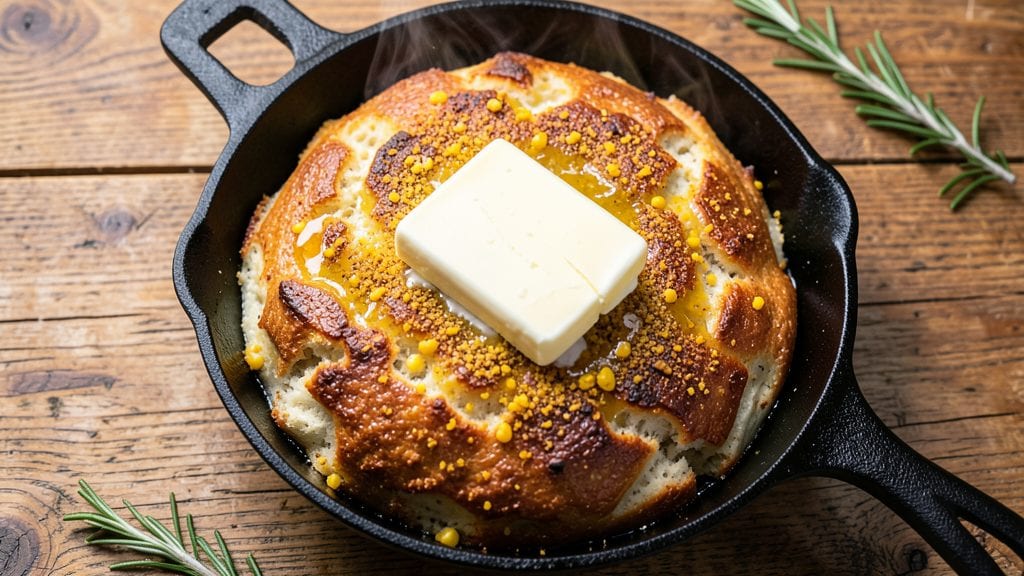
This Southern-style cob bread recipe delivers the perfect balance of crispy crust, tender crumb, and a secret cheese surprise that transforms a simple loaf into a family heirloom.
The technique combines traditional cornmeal crust with a savory cheese center that melts into golden perfection, a method passed down through generations in Appalachian kitchens. What sets this apart is the high-heat baking method that creates that signature crackly exterior while keeping the interior moist and flavorful.
The recipe begins with a simple dough that incorporates cornmeal for texture and a blend of cheddar and parmesan for depth. Unlike standard bread recipes, this version uses a cast-iron skillet or Dutch oven to bake, which ensures even heat distribution and that signature crispy crust.
The cheese doesn't just flavor the bread—it becomes part of the structure, creating pockets of melted goodness that disappear with every bite.
By the time you pull it from the oven, you'll have a loaf with a crispy, caramelized exterior and a tender, slightly cheesy interior that's impossible to resist. This bread works as a side for stews, a base for sandwiches, or simply toasted with butter for breakfast.
The aroma alone will have everyone gathering around the table, and the texture delivers every time.
Whether you're recreating a classic Southern meal or modernizing the dish with honey butter or savory toppings, this recipe adapts effortlessly. The key is patience—letting the dough rise properly and baking at the right temperature ensures that foolproof, restaurant-quality results every time.
Let's get started on creating this beloved Southern staple.
Ingredients for cob bread
Fourteen simple ingredients transform into Southern cob bread with crispy crust and hidden cheesy magic.
| Ingredient | Amount | Notes |
|---|---|---|
| All-Purpose Flour 🌾 | 3 ½ cups | Unbleached preferred for texture |
| Yellow Cornmeal 🌽 | 1 cup | Fine grind for smooth texture |
| Active Dry Yeast 🍞 | 2 ¼ tsp | Fresh yeast at half amount |
| Granulated Sugar 🍚 | 1 tbsp | Feeds yeast for proper rise |
| Warm Water 💧 | 1 ¼ cups | 110°F for optimal yeast activation |
| Unsalted Butter 🧈 | ¼ cup | Cold, cubed for proper mixing |
| Diamond Crystal Kosher Salt 🧂 | 1 ½ tsp | Adjust to taste after initial mix |
| Sharp White Cheddar Cheese 🧀 | 1 ½ cups | Shredded, aged 6+ months |
| Parmesan Cheese 🧀 | ½ cup | Freshly grated, block preferred |
| Large Egg 🥚 | 1 whole | Room temperature for even mixing |
| Extra-Virgin Olive Oil 🫒 | 1 tbsp | For dough and skillet coating |
| Corn Oil 🫒 | 1 tbsp | High smoke point for skillet |
The cornmeal and cheese blend is non-negotiable for that signature texture. Bob's Red Mill cornmeal delivers the finest grind, while Whole Foods Market carries the best aged cheddar—look for blocks labeled 'sharp' with at least six months of aging. The Parmesan should be Parmigiano-Reggiano from a wedge, freshly grated with a microplane. For yeast, Red StarActive Dry is the gold standard, but ensure your water is between 105°F-115°F for proper activation. The butter must be cold when mixed; if it softens too quickly, chill the dough for 30 minutes before shaping. This is where the magic begins—proper yeast activation and cold butter create that tender crumb.
No cornmeal? Semolina flour at the same weight works in a pinch, though texture will differ slightly. Substituting sharp cheddar? Monterey Jack adds creaminess but lacks the tang. For Parmesan, Pecorino Romano offers a sharper bite. The egg can be omitted if avoiding dairy, but the dough will be slightly less tender. Olive oil shortages? Avocado oil has a similar high smoke point. If your yeast isn't active after 5 minutes, replace it immediately—this is critical for proper rise. The dough should be slightly sticky but manageable; if too wet, add 1 tbsp more flour. For a gluten-free version, King Arthur Measure for Measure flour blend works well, though texture will be denser.
This dough requires 2 hours of rising time at room temperature, then an additional 1 hour in the fridge before baking for optimal texture. Store baked cob bread in an airtight container at room temperature for 3 days or freeze for up to 3 months. For reheating, wrap in foil and warm at 350°F for 10 minutes. The cheese pockets remain gooey when reheated properly—this is the true test of a successful loaf. Portion dough into 4 equal pieces before shaping to ensure even baking. If making ahead, shape the cobs and freeze on a tray before wrapping; bake straight from frozen, adding 10 minutes to the cooking time.
Why You'll Love This Recipe
- No-Measurement Guessing: I swear by this dough—just eyeball the cornmeal-to-flour ratio, and you’ll nail that perfect crumb. The yeast blooms fast in warm water, so it’s ready when you are, no waiting around.
- Sweet-Savory Magic: That touch of sugar? It’s not a dessert—it caramelizes just enough to balance the earthy cornmeal, giving it this addictive, slightly toasty depth. Honestly, it’s the kind of bread that disappears in minutes.
- Crowd-Pleaser Always: Serve it warm with chili, split it for sandwiches, or freeze slices for quick toast later. Between us, I’ve even used it as a base for homemade pizza crust—yes, even on a Tuesday night.
- Pantry Staples Only: Five ingredients, zero specialty items. The cornmeal gives it character, but the flour keeps it familiar, and the yeast means no waiting days for sourdough. Budget-friendly? Absolutely. Reliable? Even better.
Step-by-step instructions for Southern-style Cobb bread
Mastering this crusty, cheesy loaf requires precision in technique and patience in rising.
Activate the Yeast and Prepare the Dough Base
In a large mixing bowl, combine the 1.25 cups warm water (110°F) with the 1 tbsp granulated sugar and 2.25 tsp active dry yeast. Let this mixture sit for 5-7 minutes until it becomes frothy and bubbles form on the surface. This confirms the yeast is active and ready to work.
To the yeast mixture, add the 3.5 cups all-purpose flour, 1 cup yellow cornmeal, and 1.5 tsp diamond crystal kosher salt. Using a wooden spoon or dough whisk, stir just until combined—you'll still see dry patches, which is ideal for developing gluten properly. Avoid overmixing at this stage.
Create a well in the center of the dry ingredients and add the 1 whole large egg and 0.25 cup cold unsalted butter (cut into small cubes). Begin mixing gently with your hands or a dough scraper, gradually incorporating the wet ingredients into the dry until a shaggy dough forms. The butter should be fully incorporated but still visible in small flecks throughout.
Knead and Incorporate the Cheese
Turn the dough onto a lightly floured surface and knead for 8-10 minutes until smooth and elastic. The dough should spring back slowly when pressed with your finger—a sign of proper gluten development. Work quickly to avoid overheating the butter.
Return the dough to the mixing bowl and let it rest for 5 minutes. This brief rest helps relax the gluten before incorporating the cheeses. Using your hands, gently work the 1.5 cups sharp white cheddar cheese and 0.5 cup parmesan cheese into the dough until evenly distributed. The cheese should melt slightly from the warmth of the dough, creating pockets of flavor throughout.
Cover the bowl with a damp towel and let the dough rise in a warm place for 1-2 hours, or until it has doubled in size. The dough should feel light and airy, with a slight jiggle when the bowl is shaken gently. If the kitchen is cool, place the bowl near a warm oven (with the light on) to maintain an ideal rising temperature of 75-80°F.
Shape and Proof the Dough
Punch down the risen dough to release air, then shape it into a 9-inch round loaf by gently pulling the edges toward the center and sealing the seams. Place the shaped dough on a parchment-lined baking sheet, seam-side down, and cover loosely with the damp towel. Let it proof for an additional 30-45 minutes until it has risen about 50% and feels slightly springy to the touch.
While the dough proofs, preheat your oven to 375°F. In a small bowl, mix the 1 tbsp extra-virgin olive oil and 1 tbsp corn oil to create a brushing mixture for the crust. This combination ensures a crispy exterior without overpowering the bread's flavor.
Bake to Golden Perfection
Brush the top of the risen dough generously with the oil mixture, then score the surface with a sharp knife in a crosshatch pattern (about ¼-inch deep). This allows the bread to expand evenly and creates that iconic rustic texture. Bake for 30-35 minutes until the crust is deep golden brown and the internal temperature reaches 190°F when measured with an instant-read thermometer.
For the final 5 minutes of baking, place a metal tray filled with ½ cup hot water on the lower oven rack to create steam. This steam helps develop the bread's signature crispy crust and chewy interior. Remove the bread from the oven and let it cool on a wire rack for at least 15 minutes before slicing—this ensures clean cuts and prevents a gummy texture.
Serve Warm for Maximum Enjoyment
Slice the Cobb bread into ½-inch thick wedges and serve immediately while still warm. The interior should be tender with pockets of melted cheese, while the crust remains shatteringly crisp. Pair with honey butter, jam, or a simple cheese plate to highlight its rich, savory-sweet flavor profile.
Real talk: This bread tastes even better the next day, but the crust loses its crispness within 2-3 hours. If storing, wrap tightly in plastic wrap and reheat in a 350°F oven for 5-7 minutes to restore texture before serving.
Pro Tips For Making Cob Bread
- Bloom the Yeast First: Skip mixing dry yeast directly into flour—it’s a rookie move. Instead, whisk it with warm water (110°F) and 1 tsp sugar for 5 minutes until frothy. This guarantees your cob bread rises properly, not that sad, flat loaf you’ll get if you wing it.
- Sift the Cornmeal: I learned this the hard way—lumpy cornmeal ruins texture. Sift it with the flour before mixing, or at least break up clumps with your fingers. The result? A lighter, more even crumb that doesn’t taste like you skipped prep.
- Steam the First 10 Minutes: After shaping, cover the cob bread with a damp towel and let it proof in a hot oven (200°F) for 10 minutes. This traps steam, helping the crust form without cracking—no more dry, tough tops or collapsed centers.
- Brush with Water: Before baking, lightly spray or brush the top with water. Sounds weird, but it works: the crust turns golden and crispy instead of pale and gummy. (Yes, even if you’re impatient like me.)
Perfect pairings for cob bread
Sweet Pairings
This cob bread shines with classic Southern sweet accompaniments. A generous drizzle of local honey—I love Wildflower Honey Company—creates a perfect balance with the cheesy richness. For a more decadent touch, spread peanut butter (like Smucker's Natural) and top with banana slices for a breakfast favorite. 🍯
Try a warm apple butter made with McIntosh apples and a pinch of cinnamon. The tangy-sweet flavor cuts through the bread's savory notes beautifully. For a festive twist, pair with blackberry jam and fresh berries during summer months.
Savory Accompaniments
For a hearty meal, serve with fried chicken and a side of collard greens. The bread's crispy crust soaks up the juices perfectly, creating a delicious contrast. I often make buttermilk biscuits alongside it for a full Southern spread. 🍗
Add a sharp cheddar cheese platter with cured meats like prosciutto or salami. The cob bread's cheesy interior pairs wonderfully with cured meats, creating a satisfying bite. For a lighter option, serve with a tomato and basil salad to balance the richness.
Breakfast Pairings
Transform this bread into a breakfast star by serving with scrambled eggs and crispy bacon. The cheesy center adds a savory depth that elevates simple breakfast foods. For a sweeter morning, top with Greek yogurt, sliced peaches, and a sprinkle of granola. 🍳
Make a honey butter by mixing softened butter with local honey and a pinch of sea salt. Spread it warm on freshly sliced cob bread for a luxurious breakfast treat that feels indulgent yet simple.
Drink Pairings
Pair this bread with a bold Southern sweet tea or unsweetened iced tea to cleanse the palate between bites. For a refreshing contrast, serve with sparkling lemonade made with fresh-squeezed lemons and a touch of mint syrup. 🍹
For an adult-friendly option, a crisp white wine like Albariño or a light rosé complements the cheesy, crusty flavors beautifully. If you prefer beer, a wheat beer like Blue Moon offers a light, refreshing contrast.
Nutrition facts
Frequently asked questions
What makes cob bread different from regular cornbread?
Cob bread has a chewy, crusty exterior with a tender interior and hidden pockets of melted cheese, unlike traditional cornbread which is dense and cake-like. The dough includes yeast for rising, creating a bread-like texture rather than a quick bread. The cornmeal crust is key—it gives that signature crackly exterior while keeping the inside moist.
Can I use a Dutch oven instead of a cast-iron skillet?
A Dutch oven works perfectly—it distributes heat evenly and traps steam, creating an even crispier crust. Just preheat it with the bread for the first 5 minutes to ensure proper browning. The steam helps develop that signature chewy interior too.
Why did my cob bread turn out dense instead of crispy?
Dense cob bread usually means the dough didn't rise enough. Check your yeast—it should be fresh and activated properly in warm water. Also, ensure your kitchen is warm enough (75-80°F) and the dough doubled in size before shaping. Over-kneading can also tighten the gluten, so handle it gently.
How do I store leftover cob bread?
Wrap cooled bread tightly in plastic wrap or an airtight container to preserve freshness for 3 days at room temperature. For longer storage, freeze slices wrapped individually—they'll stay crispy when reheated in a 350°F oven for 5-7 minutes.
Can I add herbs or spices to this recipe?
Yes! Try adding 1 tsp dried rosemary or ½ tsp smoked paprika to the dough for extra flavor. For a sweet version, swap cheddar for Gouda and add ½ cup dried cranberries. Just reduce the cheese slightly to maintain the right texture.