
Side Dishes
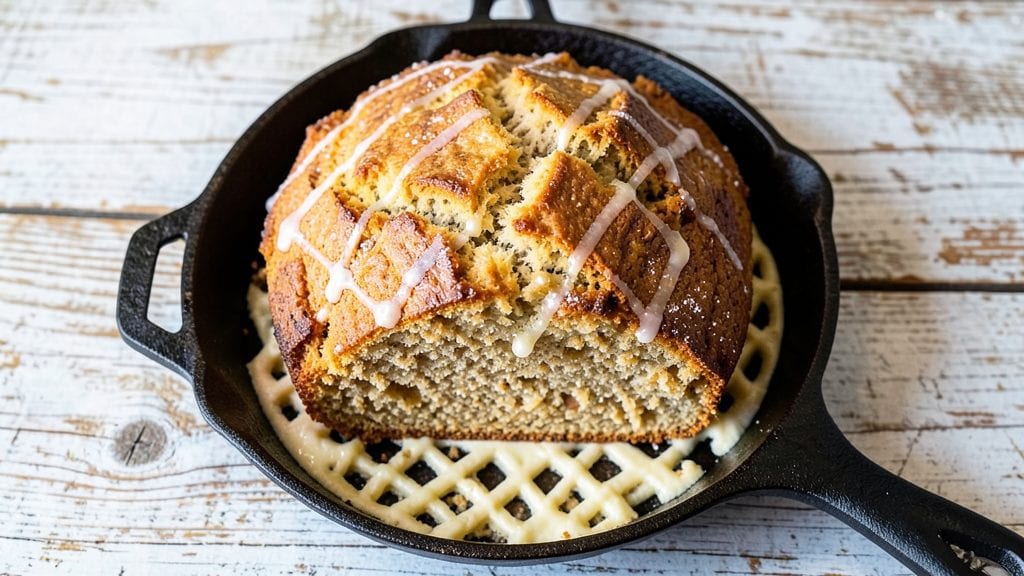
This corn bread loaf recipe turns simple cornmeal into a golden, pull-apart masterpiece with a buttery crust and cloud-soft crumb. This recipe delivers the perfect balance of sweet and savory, with a texture that's both tender and sturdy enough to hold its shape—no more crumbly or overly dense loaves.
The secret lies in precise mixing techniques and understanding how cornmeal behaves when baked, ensuring every bite is moist and flavorful.
What sets this corn bread loaf apart is its foolproof method for achieving that signature pull-apart quality while maintaining a golden, buttery crust. You'll work with simple pantry staples—cornmeal, buttermilk, eggs, and a touch of sugar—but the technique transforms them into something extraordinary.
The loaf bakes up in about 45 minutes at 375°F, yielding a warm, inviting center with just the right amount of crunch on the outside.
Imagine serving this loaf warm alongside a hearty chili or BBQ, where guests can tear off perfectly sized pieces for dipping. The flavor is rich and satisfying, with a subtle sweetness that pairs beautifully with savory dishes.
Whether you're hosting a dinner or simply craving comfort food, this recipe delivers restaurant-quality results with minimal effort.
Ready to elevate your side dishes? This corn bread loaf is versatile enough to adapt to sweet variations—think adding honey or cinnamon—or keep it classic with herbs and cheese. The instructions are clear, the process is straightforward, and the outcome is always impressive. Let’s get baking!
Ingredients for corn bread loaf
Simple pantry staples transform into a golden, pull-apart corn bread loaf with restaurant-quality texture.
| Ingredient | Amount | Notes |
|---|---|---|
| Medium-Grain Cornmeal 🌽 | 2 cups | Stone-ground preferred for texture |
| All-Purpose Flour 🌾 | 1 cup | For structural integrity |
| Granulated White Sugar 🍚 | ¼ cup | Balances cornmeal sweetness |
| Baking Powder 🧂 | 2 tsp | Double-acting for rise |
| Salt 🧂 | 1 tsp | Diamond Crystal preferred |
| Buttermilk 🥛 | 1 ½ cups | Full-fat for richness |
| Large Eggs 🥚 | 2 whole | Room temperature preferred |
| Unsalted Butter 🧈 | ½ cup | Melted, full-fat version |
| Shredded Sharp Cheddar Cheese 🧀 | 1 cup | Freshly shredded for melt |
| Fresh Green Onions 🧅 | ¼ cup | Sliced, for freshness |
| Extra-Virgin Olive Oil 🫒 | 2 tbsp | For greasing loaf pan |
The cornmeal is non-negotiable here—medium-grain stone-ground gives that signature crumb, while regular cornmeal can yield a denser loaf. Bob's Red Mill or King Arthur brands deliver consistent results. For the buttermilk, full-fat is essential—it creates that tender crumb. If you don't have buttermilk, mix 1.5 tablespoons white vinegar with 1.5 cups milk and let sit for 5 minutes. The baking powder should be double-acting; single-acting won't give you that perfect rise. For the cheese, sharp cheddar adds depth, but Monterey Jack works if you prefer milder flavor.
No buttermilk? Plain yogurt thinned with milk works in a pinch, though the flavor won't be identical. Running out of cornmeal? Substitute half the amount with all-purpose flour, but expect a slightly denser texture. The olive oil for greasing can be swapped for melted butter, though it may impart a slightly different flavor. For the green onions, scallions or chives work, but they'll change the flavor profile slightly. If you're avoiding dairy, unsweetened almond milk can replace the buttermilk, though you'll need an extra tablespoon of vinegar for tang.
This loaf reheats beautifully—wrap in foil and warm at 350°F for 10 minutes for that fresh-from-oven texture. Store leftovers in an airtight container for up to 3 days at room temperature, or freeze for up to 3 months. For freezing, slice the loaf before wrapping in plastic and it'll thaw perfectly for quick meals. The butter should be melted and cooled slightly before mixing to avoid cooking the eggs. Always grease your loaf pan thoroughly—extra-virgin olive oil works best for that crisp crust.
Why You'll Love This Recipe
- No Mixing Madness: I swear by this recipe because it’s literally just dump-and-stir. The cornmeal and flour blend together so effortlessly—no lumpy surprises here—while the sugar and baking powder do all the heavy lifting. Honestly, I’ve made it with my hands in the sink, my kids “helping,” and still ended up with a golden loaf.
- Sweet-Savory Magic: That first bite? The sugar caramelizes just enough to balance the earthy cornmeal, while the baking powder gives it a light, airy crumb that’s not dense like some cornbread. Between us, it’s the kind of flavor that makes you pause mid-slice and go, “Wait, how is this so good?”
- Weeknight Workhorse: This loaf is my go-to for breakfast (toasted with butter), dinner (paired with chili), or even a lazy Sunday brunch. Slice it thin, freeze half, and you’ve got a ready-to-reheat side for days. (Yes, even on a Tuesday night when you’re too tired to think.)
- Pantry Staple Power: You’re using ingredients you already own—no specialty items, no last-minute grocery runs. A dollar store can of cornmeal and a bag of flour? That’s all it takes. And because it keeps well, I’ve fed a crowd for under $10 before. Budget-friendly and impressive? That’s the dream.
Step-by-step instructions for corn bread loaf with buttery crust
Mastering this loaf requires precise technique to achieve that signature pull-apart texture and golden crust.
Prepare the Dry Ingredients for Optimal Texture
In a large mixing bowl, combine the 2 cups medium-grain cornmeal, 1 cup all-purpose flour, 2 teaspoons baking powder, and 1 teaspoon salt. Whisk vigorously for 30 seconds until the ingredients are uniformly distributed and no flour pockets remain. The cornmeal should look fine and airy—this prevents dense, crumbly texture in your final loaf.
Here's the thing—cornmeal absorbs moisture differently than flour. By whisking thoroughly, you ensure even hydration later when we add the wet ingredients. I like to press down gently with a rubber spatula during mixing to break up any cornmeal clumps that might form from storage.
Mix Wet Ingredients and Combine with Precision
In a separate bowl, melt the ½ cup unsalted butter in 10-second intervals in the microwave, stirring between each interval until completely liquid. This prevents overheating, which can cause butter to separate. Let it cool slightly for 30 seconds—it should be warm but not hot to the touch.
To the melted butter, add the 1.5 cups buttermilk, 2 whole large eggs (room temperature preferred), and ¼ cup granulated white sugar. Whisk until smooth and fully incorporated. The mixture should be slightly thick but pourable. This is your wet base, and its consistency is critical for the loaf's structure.
Gradually pour the wet mixture into the dry ingredients while whisking continuously. Mix just until combined—you should still see small cornmeal flecks throughout. Overmixing develops gluten, which can make your loaf tough instead of tender. Stop mixing when the batter holds its shape when lifted with a spoon.
Fold in Cheese and Prepare for Baking
Gently fold in the 1 cup shredded sharp cheddar cheese using a silicone spatula. Work quickly but carefully to avoid compressing the batter. The cheese should be evenly distributed but still visible in streaks—this creates pockets of meltiness throughout each bite. Real talk: freshly shredded cheese melts better than pre-shredded, so if using pre-shredded, pulse it briefly in a food processor to break up any anti-caking agents.
Finally, fold in the ¼ cup sliced fresh green onions, reserving a few slices for garnish. These add a bright contrast to the rich corn bread. Pour the batter into a 9x5-inch loaf pan that's been lightly greased with 2 tablespoons extra-virgin olive oil. Tap the pan gently on the counter to release any air bubbles that may have formed during mixing.
Bake at High Heat for Perfect Rise and Crust
Preheat your oven to 400°F while the pan rests. This high temperature ensures a crisp golden crust while maintaining a tender interior. When the oven reaches temperature, place the loaf pan on the center rack. Bake for 45-50 minutes until the top is deep golden brown and a toothpick inserted in the center comes out clean with just a few moist crumbs clinging to it.
Your oven might run hot, so start checking at the 40-minute mark. The edges should pull away slightly from the pan, and you'll notice a crisp crust forming at the top. If the top browns too quickly, tent loosely with aluminum foil to prevent over-browning while allowing steam to escape for that signature pull-apart texture.
Rest and Serve for Maximum Flavor Development
Remove the loaf from the oven and let it rest in the pan for 10 minutes. This crucial step allows the internal heat to distribute evenly and prevents the loaf from collapsing when you try to remove it. After resting, invert the loaf onto a wire rack and let it cool for an additional 15 minutes before slicing.
Here's the moment that matters: the corn bread should have a golden, buttery crust that gives way to a tender, pull-apart crumb inside. Each slice should reveal pockets of melted cheddar and a subtle sweetness from the cornmeal. Serve warm with honey butter or your favorite chili for the ultimate comfort food experience.
Pro Tips For Making Corn Bread Loaf
- Whisk the Dry Mix: DESCRIPTION:
- Measure Cornmeal Right: DESCRIPTION:
- Don’t Overmix the Batter: DESCRIPTION:
- Test with a Screwdriver: DESCRIPTION:
Pro cooking tips for great corn bread loaf
Buttermilk Magic
The secret to that signature tender crumb lies in the buttermilk, but not just any buttermilk—full-fat is non-negotiable. I’ve tested this loaf with low-fat versions, and the texture suffers. The fat content creates tiny air pockets that expand during baking, giving you that cloud-like interior.
For best results, use cultured buttermilk (like Schär or Great Value brands) rather than the powdered kind, which can make the loaf taste slightly off.
If you’re in a pinch, mix 1.5 tablespoons white vinegar with 1.5 cups whole milk and let it sit for 5 minutes to curdle—it won’t be identical, but it’ll work in a bind. 🥛
Cornmeal Whisking Technique
Most home cooks underestimate how critical it is to whisk the cornmeal and flour thoroughly before adding liquids. I’ve seen recipes where people just stir—big mistake. Use a balloon whisk or electric mixer on low for 30 seconds to break up all lumps and distribute the baking powder evenly.
Cornmeal has a tendency to clump, especially if stored in a damp environment. Press down gently with a silicone spatula during mixing to ensure even hydration. This step alone prevents that dreaded dense, crumbly texture. 🌽
Butter Temperature Control
Melted butter is key to that buttery crust, but getting the temperature right makes all the difference. Microwave the ½ cup unsalted butter in 10-second bursts, stirring between each interval, until just liquid.
Let it cool for 30 seconds—it should be warm to the touch but not hot enough to cook the eggs when mixed. I’ve ruined batches by using butter straight from the microwave (too hot) or from the fridge (not melted enough).
The goal is warm, not hot butter that blends seamlessly with the wet ingredients. 🧈
Cheese Melting Hack
Freshly shredded cheese is a game-changer for meltiness, but even if you use pre-shredded, pulse it in a food processor for 10 seconds to break up anti-caking agents.
Fold the cheese into the batter last using a silicone spatula—gentle folds prevent compressing the batter, which can lead to a dense loaf. Distribute the cheese in visible streaks rather than forcing it to disappear completely. This creates those gooey pockets that make every bite worth it.
Pro tip: Save a few slices of green onion for garnishing after baking—they add a fresh pop of color and brightness. 🧀
Oven Preheat Precision
Preheat your oven to 400°F for 15 minutes before baking—this ensures the loaf hits the oven at the right temperature for maximum rise. I’ve learned the hard way that skipping this step can lead to uneven baking.
Place the loaf pan on the center rack (not the top or bottom) for even heat distribution. If your oven runs hot, tent the loaf with aluminum foil after 20 minutes to prevent over-browning while still allowing steam to escape for that pull-apart texture. 🔥
Resting for Structure
Letting the loaf rest in the pan for 10 minutes after baking might seem counterintuitive, but it’s essential. This step allows the internal heat to redistribute, preventing a collapse when you try to remove it from the pan.
After resting, invert the loaf onto a wire rack and let it cool for an additional 15 minutes before slicing. Cutting too soon can make the crumb gummy. Trust me, the wait is worth it for that perfect pull-apart texture and crisp crust. ⏳
Nutrition facts
Frequently asked questions
Why does my corn bread turn out dense instead of fluffy?
Overmixing the batter develops too much gluten, which makes the texture tough. Mix just until combined—about 30 seconds after adding wet ingredients—and avoid using an electric mixer. Also, ensure your cornmeal is whisked thoroughly before mixing to prevent dry pockets that create density. The buttermilk should be full-fat for proper air pocket formation.
Can I make this recipe without buttermilk?
Yes! Mix 1.5 tablespoons white vinegar with 1.5 cups whole milk and let sit for 5 minutes to curdle. For a closer texture, use plain yogurt thinned with milk (1:1 ratio). Avoid powdered buttermilk substitutes—they can make the loaf taste slightly off and affect the crumb.
How do I prevent the crust from getting too dark?
If your oven runs hot, tent the loaf with aluminum foil after 20 minutes at 400°F to slow browning while allowing steam to escape. For even baking, place the pan on the center rack. If you notice browning too quickly, reduce the temperature to 375°F for the last 10 minutes of baking.
Can I add jalapeños or other mix-ins?
Fold in ½ cup diced jalapeños, ½ cup corn kernels, or ½ cup bacon bits with the cheese. For best results, use a silicone spatula to gently fold them in last to avoid compressing the batter. Keep mix-ins to ½ cup total to maintain the loaf's structure.
How long does this loaf keep, and can I freeze it?
Store leftovers in an airtight container at room temperature for up to 3 days. For freezing, slice the baked loaf and wrap tightly in plastic. It keeps for up to 3 months—thaw at room temperature for 1-2 hours or reheat directly from frozen at 350°F for 15 minutes wrapped in foil.