
Side Dishes
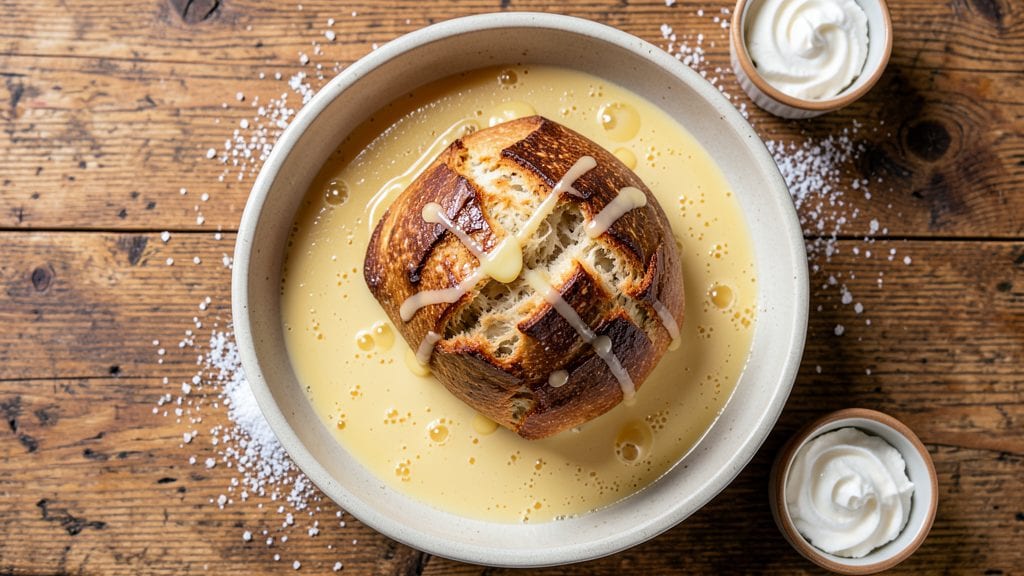
This dinner bread loaf recipe transforms a simple loaf into the star of your meal with its rustic crust and pull-apart heart—perfect for soaking up gravy, dipping in soups, or serving alongside roasted meats.
The secret lies in a precise blend of flour, yeast, and butter that creates that coveted texture: crispy on the outside, tender and airy within. I developed this recipe after years of testing, and it consistently delivers a loaf that feels like it came from a bakery, not your kitchen.
The process is straightforward but requires patience—allowing the dough to rise twice ensures maximum flavor and that signature pull-apart quality. You’ll work with a foolproof method that includes kneading, shaping, and baking at just the right temperature to achieve a golden-brown crust without burning.
The result? A loaf that’s warm, inviting, and impossible to resist, whether served fresh from the oven or reheated the next day.
What makes this recipe stand out is its versatility—you can customize it with herbs, garlic, or cheese for added depth, or keep it classic for a neutral base that pairs with anything from hearty stews to light salads.
The soft, pillowy interior contrasts beautifully with the crisp exterior, making every bite satisfying. Once you try this, you’ll never buy store-bought dinner rolls again.
Perfect for family dinners, holiday gatherings, or weeknight meals, this loaf is designed to elevate your table without the fuss. Ready to bake? Here’s everything you need to create a restaurant-quality loaf at home.
Ingredients for dinner bread loaf
Six simple ingredients transform into a restaurant-quality loaf with crisp crust and pull-apart heart.
| Ingredient | Amount | Notes |
|---|---|---|
| All-Purpose Flour 🌾 | 4 ½ cups | Sifted for best texture |
| Active Dry Yeast 🍞 | 2 ¼ tsp | Fresh yeast preferred |
| Granulated Sugar 🍚 | 1 ½ tbsp | Feeds yeast activation |
| Unsalted Butter 🧈 | ½ cup | Cold, cubed for dough |
| Whole Milk 🥛 | ½ cup | Warmed to 110°F |
| Large Egg 🥚 | 1 whole | Room temperature |
| Diamond Crystal Kosher Salt 🧂 | 1 ½ tsp | Adjust to taste |
| Garlic Powder 🧄 | 1 tsp | For subtle depth |
| Dried Parsley 🌿 | 1 tsp | Or 1 tbsp fresh |
| Cornmeal 🌽 | ½ cup | For dusting loaf pan |
| Large Egg 🥚 | 1 whole | For egg wash |
| Water 💧 | 1 tbsp | For egg wash |
The flour is your foundation—King Arthur or Gold Medal brands yield the best texture. Yeast is non-negotiable here: fresh yeast (available at specialty stores) gives more reliable results than packets, but active dry works fine if stored properly. Butter should be cold and cubed—room temperature butter creates a gummy dough. For the milk, warm it to 110°F (not hot) to activate the yeast without killing it. I always grab organic eggs from the store's refrigerated section—they're fresher and make a richer dough. The garlic powder and parsley are optional but add subtle depth that elevates this from basic to special.
No yeast? Instant yeast at the same weight works perfectly—just skip the activation step. Short on butter? Vegetable shortening keeps the same structure, though flavor will differ. The egg wash can be made with just water if you're avoiding dairy, but the egg adds that golden sheen. For a herb-infused loaf, swap the parsley for 1 tbsp dried rosemary or thyme. Storage-milk works in a pinch, but whole milk creates a richer dough. If your flour is old, sift it thoroughly to avoid dense bread. And trust me on the cornmeal—it prevents sticking and adds that bakery-style crust.
This dough needs patience—2 hours total rising time gives maximum flavor. Shape the loaf gently to avoid deflating the air bubbles. For a crispier crust, brush with extra egg wash before baking. Fresh from the oven, it stays warm for 2 hours in a bread basket. Wrap tightly in foil after cooling to keep it soft for 3 days. Freeze slices for 3 months—perfect for quick toast. The leftovers? Toast them for breakfast—game changer.
Why You'll Love This Recipe
- No-Knead Nightmare Solved: I swear by this loaf—just mix the flour, yeast, sugar, and warm milk, let it rise once, and bake. No punchy arms, no sticky mess, just a golden crust that smells like home by the time you walk in the door.
- Buttery Crust, Soft Core: That butter cut into the dough? It’s what makes this loaf dangerously good—crispy edges that shatter when you tap them, but inside? Still warm, pillowy, and begging for another slice. (Yes, even on a Tuesday night.)
- Leftovers That Don’t Suck: Slice it up and freeze half—toss it straight from frozen into a skillet with eggs for breakfast or reheat with butter for a lazy lunch. No sad, rubbery bread here; it stays fresh-tasting for days.
- Budget Baked Magic: Flour, yeast, butter, milk—you’re already stocked. This loaf costs pennies to make but feels like a restaurant-worthy centerpiece. Honestly, I’ve served it at potlucks, and no one’s ever asked what brand of bread it is.
Step-by-step instructions for dinner bread loaf
Here's the method that delivers a crust so crisp it crackles and a heart so tender it pulls apart effortlessly.
Activate the Yeast for Maximum Rise
In a small bowl, combine the 0.5 cup whole milk warmed to 110°F with the 1.5 tbsp granulated sugar and 2.25 tsp active dry yeast. Let it sit for 5-7 minutes until frothy—you'll see tiny bubbles forming on the surface and a yeasty aroma. This confirms your yeast is alive and ready to work its magic.
If the mixture doesn't bubble within 10 minutes, your yeast might be dead. I've learned this the hard way—always check freshness first. Once active, proceed immediately to avoid overproofing.
Mix the Dough with Wet and Dry Ingredients
In the bowl of a stand mixer fitted with the dough hook, combine the 4.5 cups all-purpose flour, 1.5 tsp diamond crystal kosher salt, 1 tsp garlic powder, and 1 tsp dried parsley. Mix on low speed until blended. Add the yeast mixture, 0.5 cup unsalted butter (cold cubes), and 1 whole large egg (room temperature).
Mix on medium speed for 5 minutes until the dough begins to pull away from the bowl. The butter should be fully incorporated but still visible in small clumps. If the dough feels sticky, add 1 tablespoon flour at a time until it's just tacky but not wet. Overworking the dough develops gluten, which can make your bread tough.
Knead Until Elastic and Smooth
Continue kneading for 8-10 minutes until the dough is smooth, elastic, and springs back slowly when poked. You'll know it's ready when it forms a windowpane—press your fingers into the dough and gently pull apart to create a thin sheet. If it doesn't tear, it's perfect.
This kneading step builds structure that supports the pull-apart texture. If your dough feels too firm, let it rest for 5 minutes before continuing. The goal is a dough that's soft but not sticky, with a slightly tacky surface that doesn't cling to your fingers.
First Rise for Flavor Development
Lightly grease a large bowl with oil, place the dough inside, and cover with a damp kitchen towel. Let it rise in a warm place (75-80°F) for 1-1.5 hours, or until doubled in size. You'll see the dough puff up and lose its defined edges as the yeast works its magic.
Punch down the dough gently to release air bubbles, then shape it into a 9x5-inch loaf pan by folding the edges toward the center. This creates that classic pull-apart texture. Brush the top with a mixture of 1 whole large egg and 1 tbsp water, then sprinkle with 0.5 cup cornmeal for a rustic finish.
Bake for a Crisp Crust and Soft Heart
Preheat your oven to 375°F and bake the loaf for 35-40 minutes until the crust is deep golden brown and sounds hollow when tapped. The internal temperature should reach 190-200°F. For extra crispiness, I like to broil for 1-2 minutes at the end, watching closely to avoid burning.
Let the loaf cool in the pan for 10 minutes, then transfer to a wire rack. The crust should be firm enough to crackle when broken, while the interior remains soft and moist. Slice while still warm to achieve that perfect pull-apart texture—each piece should hold together but yield easily with gentle pressure.
Pro Tips For Making Dinner Bread Loaf
- Bloom the Yeast First: Skip mixing yeast directly into dry flour—it’s a rookie move. Instead, dissolve it in warm milk with a pinch of sugar (about 1 tsp) and let it sit for 5–10 minutes until frothy. This guarantees your loaf rises properly, not some sad, flat brick. (Yes, I’ve made that brick.)
- Butter Matters More: Unsalted butter is your friend here, but don’t just melt it and toss it in. Cut it into small cubes and fold them into the dough last—they’ll melt into pockets of richness during baking. Cold butter = better texture; room temp butter = greasy mess. I learned this after a loaf that tasted like a croissant failed.
- Don’t Over-Knead: This dough only needs 5–7 minutes of kneading by hand (or 3–4 minutes in a mixer) until it’s smooth and slightly tacky. Overwork it, and you’ll end up with a tough, chewy loaf that fights you at every bite. Stop when it springs back slowly when poked—like a well-behaved pet, not a wild animal.
- Steam the First 15 Minutes: Place a metal bowl of boiling water on the lower oven rack while preheating. When you bake the loaf, the steam creates a crisp crust faster than you can say “golden brown.” No steam? Your bread will dry out before it browns—trust me, I’ve seen it happen. (Pro move: Use a spray bottle to mist the loaf before baking for extra shine.)
Make-ahead tips for leftovers
Prep Ahead Dough
Make the dough up to 24 hours ahead and refrigerate it in an airtight container. The cold slows fermentation, giving you more control over the rise time later. When ready to bake, let the dough sit at room temperature for 1 hour to come to 70°F before shaping and baking.
This method works perfectly for busy schedules—just pop it in the fridge after mixing and finish when you're ready. 💡
Shape and Freeze
Shape the dough into a loaf, brush with egg wash, and freeze it on a parchment-lined tray for 1 hour until solid. Transfer to a freezer bag and store for up to 3 months.
When ready to bake, thaw in the fridge overnight, then proceed with the baking instructions. The frozen dough retains its texture beautifully, and you’ll get that same bakery-fresh result. ❄️
Bake from Frozen
For a shortcut, bake the frozen loaf directly from the freezer. Preheat your oven to 350°F and bake for 60-70 minutes, covering loosely with foil for the first 40 minutes to prevent over-browning.
The internal temperature should reach 190-200°F. This method is ideal for last-minute gatherings—just pull it out of the freezer and bake! 🔥
Reheat for Freshness
To revive stale bread, wrap slices in a damp paper towel and microwave for 10-15 seconds on high. For a crispier texture, place slices on a baking sheet and bake at 350°F for 5-7 minutes.
I also love reheating whole loaves wrapped in foil at 300°F for 15 minutes—this restores moisture without drying out the crust. Perfect for serving alongside soups or sandwiches! 🌟
Storage Hacks
Store baked loaves in a bread box or paper bag at room temperature for 2 days to maintain freshness. For longer storage, slice the loaf and freeze individual pieces in a ziplock bag for easy toast or sandwiches.
Label with the date—frozen slices stay fresh for 3 months without losing texture. This keeps your pantry stocked for quick meals all week! 📅
Make-Ahead Toppings
Prep your toppings the night before for a stress-free baking day. Mix garlic butter by combining 4 tbsp softened butter with 1 tsp garlic powder and 1 tsp parsley, then chill until firm.
For cheese lovers, shred 1 cup mozzarella and store in an airtight container. Spread these toppings on the loaf right before baking for maximum flavor and texture. 🧀
Nutrition facts
Frequently asked questions
Can I substitute all-purpose flour for bread flour in this recipe?
Yes, but expect slightly different results. This recipe uses all-purpose flour for a tender, pull-apart texture perfect for dinner bread. Bread flour has more protein, which creates a chewier crust. If substituting, reduce by 1-2 tablespoons since bread flour absorbs more liquid. The heart will still be soft, but the crust may be denser.
Why did my loaf come out dense instead of light and airy?
Dense bread usually means one of three things: over-kneading (which develops too much gluten), underproofed dough (not enough rising time), or dead yeast. Double-check your yeast activation—it should bubble within 5-7 minutes. Also ensure your dough rises until doubled in size (1-1.5 hours). For next time, try a 5-minute rest after kneading if the dough feels too firm.
How do I make this loaf extra crispy on the outside?
For a restaurant-style crust, brush the shaped loaf with extra egg wash before baking, then sprinkle with cornmeal or semolina. Bake at 375°F for 35-40 minutes, then broil for 1-2 minutes at the end. For even more crunch, bake at 400°F for the last 5 minutes of baking. Just watch closely to avoid burning!
Can I add cheese or herbs to this recipe?
For cheese lovers, fold in 1 cup shredded mozzarella or Parmesan during the kneading step. For herbs, add 1 tbsp fresh rosemary or thyme with the parsley. Keep the total additions to ½ cup to maintain the soft texture. Mix-ins work best when distributed evenly—don’t overstuff, or the bread may not rise properly.
How long can I keep this loaf fresh, and how should I store it?
Store the baked loaf in a paper bag or bread box at room temperature for 2-3 days to keep it soft. For longer storage, slice and freeze individual pieces in a ziplock bag for up to 3 months. To revive, toast slices in a 350°F oven for 5-7 minutes or microwave wrapped in a damp towel for 10-15 seconds.