
Side Dishes
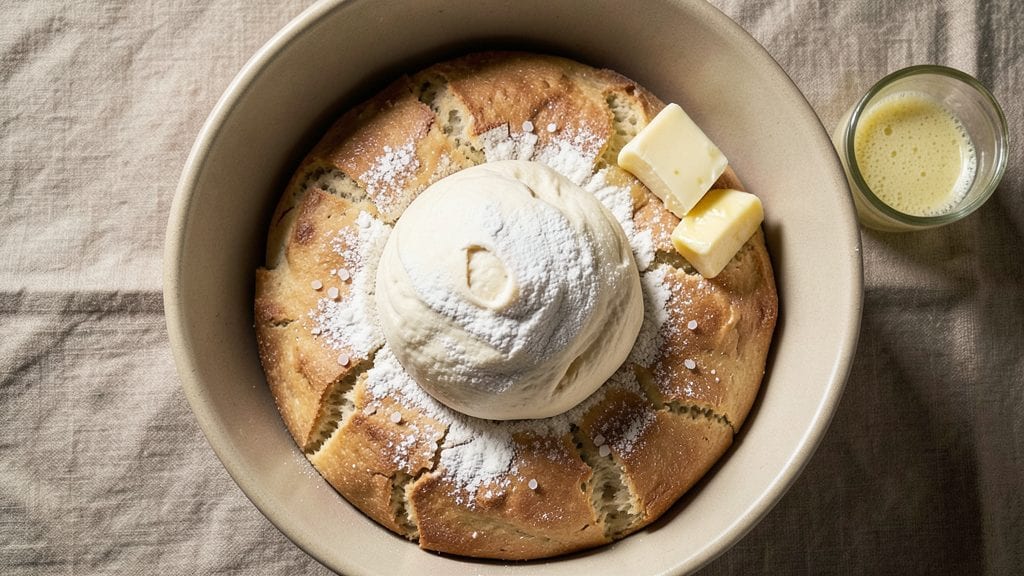
This English bread recipe delivers the perfect balance of a crisp, golden crust and a soft, airy crumb—just like the classic loaves from British bakeries. The secret lies in precise dough hydration and controlled fermentation, creating that signature texture that makes every slice satisfying.
I've refined this method over years of baking, ensuring it's approachable yet delivers professional results every time.
What sets this recipe apart is the foolproof technique that combines traditional yeast fermentation with modern precision. You'll work with a straightforward dough that develops flavor during an overnight cold proof, then bakes to a crisp exterior and tender interior in just 45 minutes.
The scoring pattern isn't just decorative—it helps direct steam for that iconic crust development.
By the time your loaf emerges from the oven, you'll have a bread with a shatteringly crisp crust that gives way to an open, airy crumb perfect for sandwiches or toast.
The aroma alone will transform your kitchen into a bakery, and the texture will make you question why you ever bought store-bought. This is the kind of bread that earns second helpings.
Whether you're serving it with soup, using it for sandwiches, or simply enjoying it with butter, this recipe scales beautifully for any occasion. The dough can be prepped ahead, making it ideal for busy schedules. Let's get baking—your kitchen is about to smell like a British bakery.
Ingredients for english bread
Nine simple ingredients transform into that iconic British bakery loaf with crisp crust and airy crumb.
| Ingredient | Amount | Notes |
|---|---|---|
| All-Purpose Flour 🌾 | 5 cups | High-protein preferred for structure |
| Active Dry Yeast 🍞 | ¼ tsp | Fresh yeast for best results |
| Granulated Sugar 🍚 | 1 tbsp | Feeds yeast for activation |
| Unsalted Butter 🧈 | ½ cup | Cold, cubed for flavor development |
| Warm Water 💧 | 1 ½ cups | 105°F for ideal yeast activation |
| Diamond Crystal Kosher Salt 🧂 | 1 ½ tsp | Fine grain for even distribution |
| Cornmeal 🌽 | ¼ cup | For dusting baking surface |
| Coarse Sea Salt 🧂 | 1 tsp | For sprinkling on crust |
| Ice Cubes ❄️ | ½ cup | For dough chilling |
| Egg Wash 🥚 | 1 whole | Beaten with 1 tsp water |
The flour is non-negotiable here—King Arthur or Caputo Tipo 00 if you want to splurge, but Bread flour from the grocery store works perfectly. Yeast needs to be fresh: Saf-Instant is my go-to for convenience, but active dry works too (just proof it first). The butter should be cold—European-style if you can find it, but regular unsalted butter adds enough flavor. Warm water is crucial: too hot and you kill the yeast; too cold and it won't activate. 105°F is ideal—if you don't have a thermometer, let tap water sit for 10 minutes after boiling.
No bread flour? All-purpose plus 1 tbsp vital wheat gluten mimics the protein structure. Short on butter? Olive oil at half the amount keeps the dough tender, though it lacks richness. The egg wash can be skipped if you're strict vegan, but it gives that golden sheen. For the crust, flaky sea salt like Maldon is worth hunting down—it melts beautifully. The cornmeal isn't just for dusting; it adds a subtle sweetness to the crust. If you're making this ahead, the dough keeps 24 hours in the fridge before shaping.
This dough is a two-day project—the overnight cold proof develops unmatched flavor. Shape it into a batard or boule for classic shapes, then score with a razor before baking. The loaf keeps 3 days wrapped at room temperature or 1 week in the fridge. For freezing, slice first—toast straight from frozen for crispy results. The aroma when it comes out of the oven? That's why you bake: it smells like a British tea shop in your kitchen.
Why You'll Love This Recipe
- No-Knead Nightmare Solved: I’ll admit, I used to dread bread-making—until this. Just mix the flour, yeast, sugar, and warm water, let it rise overnight, then bake. That’s it. No punishing kneading, no messy dough scraps.
- Butter-Kissed Magic: The secret’s in that soft butter folded into the dough—it gives this bread a tender crumb and a subtle richness that store-bought loaves can’t match. Honestly, the first time I bit into it still warm, I nearly dropped the knife.
- Weeknight Workhorse: This bread is my go-to for sandwiches, toast, or even French toast. I make a double batch on Sundays and freeze half; by Wednesday, I’m pulling out a perfectly soft slice without any extra effort.
- Pantry-Friendly Staple: Five basic ingredients, minimal prep, and it keeps for days. Between us, I’ve fed a houseful of guests with this—it’s the kind of bread that disappears fast but costs next to nothing to make.
Step-by-step instructions for English bread with perfect crust and crumb
Here’s how to craft that iconic English bread texture—crisp golden crust and tender interior—using just these simple ingredients.
Activate the Yeast for Maximum Rise
In a small bowl, whisk together the 1.5 cups warm water (about 105°F), 1 tbsp granulated sugar, and 0.25 tsp active dry yeast. Let it sit for 5-10 minutes until frothy—this confirms the yeast is alive and ready to work. If it doesn’t bubble, your yeast may be dead, and you’ll need to start over. I always test mine first to avoid flat bread.
While waiting, measure out the 5 cups all-purpose flour and 1.5 tsp diamond crystal kosher salt in a large mixing bowl. The high-protein flour here ensures that signature chewy-yet-tender crumb. Keep the bowl nearby so you can combine everything once the yeast is active.
Mix and Knead the Dough for Structure
Add the yeast mixture to the dry ingredients and stir with a wooden spoon until a shaggy dough forms. Then, switch to your hands and knead for 8-10 minutes until the dough is smooth and elastic. You’ll know it’s ready when it springs back slowly when poked—this means the gluten has developed properly for that classic English bread texture.
If the dough feels too sticky, add 1-2 tablespoons of flour at a time, but don’t overdo it. Too much flour will make the bread dense. Once kneaded, shape the dough into a round ball, place it in a lightly oiled bowl, cover with a damp towel, and let it rise in a warm place for 1-2 hours or until doubled in size. The warmth helps the yeast work faster, giving you that soft, airy crumb.
Incorporate Butter for Richness and Shape the Loaf
After the first rise, punch down the dough to release air, then turn it onto a lightly floured surface. Cut the 0.5 cup unsalted butter, still cold, into small cubes and press them into the dough, stretching and folding it gently to distribute the butter evenly. This step is what gives English bread its buttery richness without making it greasy.
Shape the dough into a round loaf, tucking the edges under to seal. Place it seam-side up in a 9x5-inch loaf pan that’s been dusted with 0.25 cup cornmeal—this prevents sticking and adds a subtle crunch to the crust. Cover again with a damp towel and let it rise for another 30-45 minutes until it’s just about to overflow the pan.
Chill and Score for a Crispy Crust
To prevent overproofing (which can make the bread dense), transfer the loaf pan to the freezer and add 0.5 cup ice cubes around the outside of the dough. This chills the dough just enough to firm it up while keeping the butter from melting prematurely. Let it sit for 10 minutes—this is where the magic happens for that crisp crust.
Preheat your oven to 375°F. Once preheated, remove the ice cubes and score the top of the loaf with a sharp knife in a simple crosshatch pattern. Brush the top with the 1 whole egg wash (beaten with 1 tsp water) and sprinkle generously with 1 tsp coarse sea salt—this ensures a crisp, flavorful crust.
Bake to Golden Perfection
Bake the bread for 35-40 minutes until the crust is deep golden brown and the internal temperature reaches 190°F. The crust should sound hollow when tapped—this is your cue that it’s fully baked. If it browns too quickly, tent the loaf with foil to prevent over-browning while it finishes cooking.
Remove the bread from the oven and let it cool in the pan for 10 minutes, then transfer to a wire rack to cool completely. The crust will firm up as it cools, and the crumb will soften just enough to be irresistibly tender. Slice it thick—this bread is best enjoyed fresh, with that perfect balance of crispy exterior and soft, buttery interior.
Pro Tips For Making English Bread
- Test Yeast First: Mix a pinch of yeast with warm water and a tiny bit of sugar—wait 5-10 minutes for bubbles. If nothing happens, your yeast is dead, and you’ll waste hours kneading a brick. I learned this the hard way after making a dough that never rose, and it’s a 60-second check that saves frustration.
- Soften Butter Properly: Unsalted butter straight from the fridge won’t melt evenly in warm dough. Cut it into small cubes and let them sit at room temp for 20-30 minutes until soft but not greasy—this ensures it distributes smoothly without clumping. I used to eyeball it and end up with butter pools in my loaf.
- Knead Until Windowpane: The dough should stretch thin enough to see light through it without tearing. Stop when it’s smooth and slightly tacky—over-kneading makes bread dense. My first few batches were gummy because I thought "more kneading = better," but this test guarantees the right texture.
- Shape Loaves Tightly: Press the dough into a tight rectangle, then roll it into a log with the seam side down. This prevents cracks and ensures even rising. I was sloppy about this until I noticed my breads splitting open—now I tuck the edges firmly and cover them with a damp towel for extra security.
Perfect pairings for this dish
Classic Tea Pairings
English bread pairs beautifully with traditional British teas, especially Earl Grey or English Breakfast. The crisp crust and buttery richness complement the bergamot notes in Earl Grey, while the robust flavor of English Breakfast balances the bread's mild sweetness.
I always keep a pot of Twinings English Breakfast brewing when I bake this loaf—it’s a match made in British kitchens. 🍵
Cheese and Charcuterie
Create a British-style charcuterie board with this bread as the star. Pair it with sharp cheddar, Stilton, and smoked salmon for a sophisticated spread. The bread’s crisp crust holds up perfectly to creamy cheeses, while the soft crumb soaks up flavors from cured meats and pickles.
For extra flair, add cornichons and mustard—trust me, it’s a game-changer. 🧀
Butter and Jam
Nothing beats the simplicity of unsalted butter and strawberry jam on warm slices. The buttery richness of the bread enhances the jam’s sweetness, while the crisp crust adds texture. I use Plugrá butter (it’s a British classic) and Smucker’s strawberry preserves for a nostalgic taste.
For a twist, try raspberry jam or clotted cream—both elevate the experience. 🍓
Soup and Sandwiches
This bread excels in soup pairings—try it with creamy tomato soup or English pea soup for a cozy meal. For sandwiches, layer it with roast beef, horseradish cream, and watercress for a classic British ploughman’s lunch.
The crisp crust holds up to fillings, while the soft crumb keeps everything tender. I always make extra for leftovers—it’s that good. 🥖
Sweet Spreads
Drizzle warm slices with honey and sprinkle with crushed pistachios for a sweet treat. The bread’s buttery flavor pairs surprisingly well with dark chocolate spread (like Nutella) or marzipan.
For a festive touch, add cinnamon sugar and serve with mulled wine during the holidays. The contrast of crisp and sweet is pure magic. 🍯
Beverage Pairings
For a non-alcoholic option, iced hibiscus tea cuts through the bread’s richness beautifully. If you prefer beer, a light English ale like Fuller’s ESB complements the buttery notes without overpowering.
For wine lovers, a dry Riesling or Pinot Noir enhances the bread’s complexity. The key is balance—let the bread’s flavors shine. 🍷
Nutrition facts
Frequently asked questions
Why does this English-style loaf have such a crisp crust?
The secret lies in the ice cube chilling trick before baking and the crosshatch scoring pattern. The ice cubes create steam during baking, while the scoring directs it to develop that signature crackly crust. The egg wash and coarse sea salt finish seals in moisture while creating a golden, textured exterior.
Can I make this bread without a loaf pan?
Shape the dough into a boule or batard and bake on a parchment-lined baking sheet. Brush with egg wash, score deeply, and bake at 425°F for 25-30 minutes until golden. For extra crispness, bake with a tray of boiling water below to create steam. The texture will be slightly different but still delicious.
What's the best way to store leftover English bread?
Wrap cooled slices in parchment paper and store in an airtight container at room temperature for 3 days. For longer storage, freeze slices (no need to wrap) and toast straight from frozen. The crust stays crispy when reheated this way. For maximum freshness, keep the whole loaf wrapped in a bread bag at room temperature.
Why did my bread turn out dense instead of light?
Dense bread usually means one of three things: overproofing (dough rose too long), under-kneaded dough (gluten didn't develop), or dead yeast. Check your yeast first—it should bubble in 5-10 minutes in warm water. If the dough didn't spring back when poked after kneading, knead 2-3 more minutes. For future batches, use a timer for proofing and keep dough at 70-75°F.
Can I add seeds or herbs to this recipe?
Yes! For a seeded version, mix in 1-2 tablespoons of poppy seeds, sesame seeds, or flaxseeds with the flour. For herbs, try 1 teaspoon dried rosemary or thyme in the dough or sprinkle fresh herbs on top before baking. Just reduce water slightly if adding seeds to maintain dough consistency. The crust will have subtle texture variations while keeping the signature soft crumb.