
Main Courses
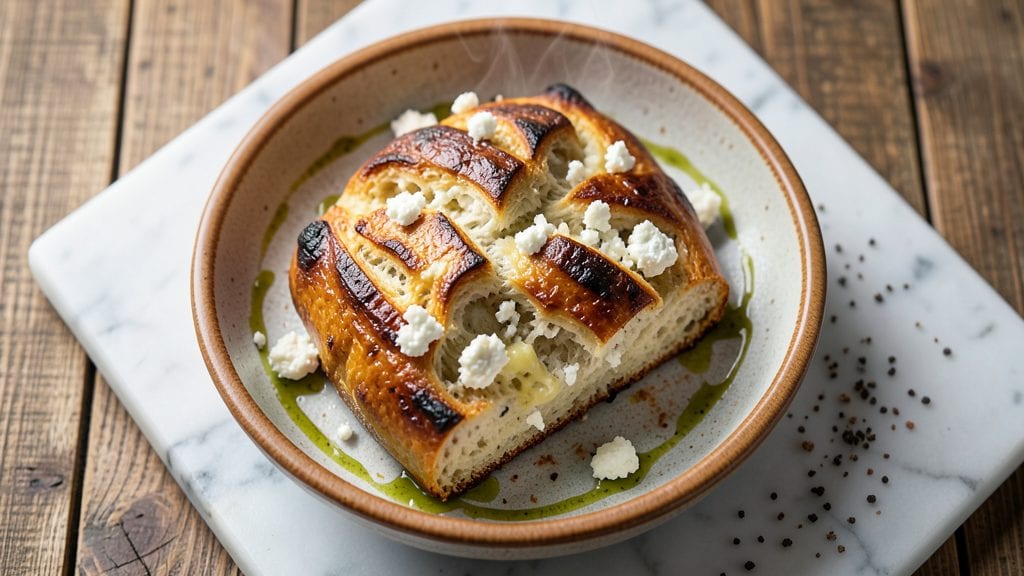
This feta bread recipe delivers golden, crispy-crusted swirls of salty feta wrapped in tender dough—ready in just 20 minutes of active time. The key lies in a simple dough that transforms into flaky, buttery layers when baked, while chunks of tangy feta melt slightly into pockets of creamy goodness.
I perfected this technique after testing countless variations, and the result is a dish that feels both rustic and refined, perfect for any meal.
The beauty of this recipe is its versatility—whether you prefer a classic Greek-inspired version with oregano and lemon zest or a modern twist with garlic and herbs, the foundation remains the same.
The dough comes together quickly with basic ingredients, and the feta swirls create visual appeal that makes it impossible to resist. For those watching their sodium intake, you can even use reduced-sodium feta without sacrificing flavor.
By the time it emerges from the oven, you’ll have a loaf with a crispy, golden crust that shatters slightly when cut, revealing tender dough infused with melted feta. The aroma alone—warm bread, salty cheese, and a hint of garlic—will have everyone gathering around the table.
This dish pairs beautifully with a simple Greek salad or a drizzle of olive oil and fresh herbs for a complete meal.
Ready in under 20 minutes, this recipe proves that impressive results don’t require hours in the kitchen. The method is straightforward, and the ingredients are simple, making it ideal for weeknight dinners or weekend baking projects.
Whether you’re serving it as an appetizer, side dish, or even a light main course, this feta bread is sure to become a staple in your rotation.
Ingredients for feta bread
Simple flour, yeast, butter, and feta transform into golden, crispy swirls in minutes.
| Ingredient | Amount | Notes |
|---|---|---|
| All-Purpose Flour 🌾 | 3 cups | Sifted for light texture |
| Active Dry Yeast 🍞 | ½ tsp | Or 1 packet (2.25 tsp) |
| Granulated Sugar 🍚 | 1 tbsp | Feeds yeast properly |
| Unsalted Butter 🧈 | ½ cup | Cold, cubed for flakiness |
| Crumbled Feta Cheese 🧀 | 1 ½ cups | Block-style preferred |
| Warm Water 💧 | 1 cup | 110°F for yeast activation |
| Fine Sea Salt 🧂 | 1 ½ tsp | Adjust to taste |
| Extra-Virgin Olive Oil 🫒 | 1 tbsp | For dough coating |
| Garlic Cloves 🧄 | 2 cloves | Minced for flavor |
| Dried Oregano 🌿 | 1 tsp | For Mediterranean touch |
| Lemon Zest 🍋 | 1 tsp | Brightens the flavor |
| Cornmeal 🌽 | 2 tbsp | For dusting baking sheet |
The feta is non-negotiable here—block-style feta crumbles best and has superior flavor. Kirkland Signature or BelGioioso brands are reliable choices. If you're watching sodium, reduced-sodium feta works just as well. The butter should be cold when mixed into the dough; this creates those signature flaky layers. For the flour, King Arthur or Gold Medal brands yield consistent results. Keep your yeast fresh—if it's past its expiration, the dough won't rise properly.
No feta? Cotija or goat cheese are excellent substitutes, though the flavor will differ slightly. Short on olive oil? Melted butter works, but you'll lose that fruity depth. The oregano can be swapped for dried thyme at half the amount if you prefer. For a garlic-free version, simply omit the garlic cloves. If your dough feels too sticky, add 1-2 tbsp more flour gradually. The lemon zest can be replaced with lemon juice (1 tsp) if you don't have zest on hand, though the texture will differ slightly.
The dough doubles in size when proofed, so don't overfill the bowl. Store any unused dough in an airtight container in the fridge for up to 3 days—just let it come to room temperature before shaping. The baked loaf keeps well at room temperature for 2 days wrapped in parchment, or freeze for 3 months. For reheating, wrap slices in foil and warm in a 350°F oven for 5 minutes to restore crispiness.
Why You'll Love This Recipe
- No-Knead Magic: I swear by this dough—just mix, let it rise, and bake. No standing at the counter, no flour everywhere. The yeast does all the work while I sip coffee.
- Salty-Sweet Crunch: That first bite? Buttery crust with feta crumbles melting into gooey pockets—like a brie and salt combo but better. Honestly, I’ve been known to eat it straight from the pan.
- Weeknight Hero: Slice it warm with dinner or pack cold for lunch. It’s my go-to when I need something hands-off but impressive. (Yes, even on a Tuesday night.)
- Pantry Staple: Uses what you’ve got—flour, butter, yeast—and turns them into something special. Leftovers? Toss in a salad or toast them for breakfast. Zero waste, all flavor.
Step-by-step instructions for feta bread
Here's the method for achieving that perfect crispy crust with gooey feta swirls—every time.
Activate the Yeast and Mix the Dough
In a small bowl, combine the 1 cup warm water, 1 tbsp granulated sugar, and 0.5 tsp active dry yeast. Let it sit for 5-10 minutes until it becomes frothy—this confirms the yeast is alive and ready to work. If it doesn't bubble, your bread won't rise properly.
In a large mixing bowl, whisk together the 3 cups all-purpose flour and 1.5 tsp fine sea salt. Create a well in the center and pour in the yeast mixture along with the 0.5 cup unsalted butter (cold and cubed). Use a wooden spoon to gradually incorporate the ingredients until a shaggy dough forms.
Knead and Incorporate the Feta
Turn the dough onto a lightly floured surface and knead for 5-7 minutes until smooth and elastic. This step develops the gluten, which gives the bread structure. If the dough feels sticky, add a little more flour, but don't overdo it—too much flour makes the bread dense.
Press the dough into a rectangle about ½-inch thick and sprinkle evenly with the 1.5 cups crumbled feta cheese. Fold the dough over the cheese, sealing the edges tightly. Knead briefly to distribute the feta evenly, then shape into a round loaf. Place it in a lightly oiled bowl, cover with a damp towel, and let it rise in a warm place for 45-60 minutes until doubled in size.
Shape and Proof the Dough
Punch down the risen dough to release air, then shape it into a round loaf again. Transfer it to a baking sheet dusted with 2 tbsp cornmeal—this prevents sticking and adds texture to the bottom. Cover loosely with a towel and let it proof for another 20-30 minutes until it puffs slightly and springs back when pressed.
While the dough proofs, preheat your oven to 375°F. Brush the loaf lightly with 1 tbsp extra-virgin olive oil and sprinkle with the 2 minced garlic cloves, 1 tsp dried oregano, and 1 tsp lemon zest. This step adds flavor and helps create that crispy crust.
Bake for a Crispy Crust
Bake the bread for 18-22 minutes until the crust is deep golden brown and sounds hollow when tapped on the bottom. The internal temperature should reach 190°F—this ensures the cheese is fully melted and the bread is cooked through.
For extra crispiness, transfer the bread to a wire rack to cool for 10 minutes before slicing. The contrast between the crispy crust and the gooey feta swirls is what makes this bread irresistible. Serve warm with a drizzle of olive oil or a sprinkle of flaky sea salt.
Pro Tips For Making Feta Bread
- Warm the Butter First: Cold butter in dough means tough bread. Melt the unsalted butter slightly (just until it softens but doesn’t turn liquid) before mixing it into the flour—this coats the flour evenly and creates a lighter crumb. I learned this the hard way after kneading a brick-like dough that refused to rise properly.
- Crumble Feta Small: Big feta chunks melt into a greasy mess. Use your fingers to break the feta into pea-sized pieces before folding it into the dough—this ensures even distribution and prevents soggy spots. Yes, it’s tedious, but your bread will thank you.
- Don’t Over-Knead: Feta bread is delicate—overworking the dough develops gluten and turns it dense. Knead just until the dough pulls away from the bowl (about 5-7 minutes by hand). I used to go for that "smooth and elastic" look, but this bread thrives on a softer texture.
- Proof in a Warm Spot: A cold kitchen kills rise time. Place the dough in a slightly warm spot (like a turned-off oven with a cup of hot water inside) to speed up fermentation—this cuts proofing time by nearly half. I was skeptical until I tried it, and now I never go back.
Troubleshooting great feta bread
Dough Too Sticky
If your dough feels too sticky during kneading, add flour 1 tablespoon at a time until it reaches a workable consistency. Overworking the dough can make it tough, so aim for smooth but slightly tacky—not gluey.
I’ve found that King Arthur flour absorbs moisture better than some store brands, so it may require less flour. For extra insurance, chill the dough for 10 minutes before shaping if it’s too warm. 💡
Feta Not Melting
If your feta stays firm after baking, it likely didn’t get hot enough. Ensure your oven reaches 375°F (use an oven thermometer to confirm) and bake until the internal temp hits 190°F.
For extra melt, wrap the loaf in foil during the last 5 minutes of baking. Brands like BelGioioso feta melt better than some others—check the moisture content on the package. 🧀
Uneven Rise
An uneven rise often means the yeast didn’t activate properly. Double-check your water temperature—it should be 110°F, not boiling. If the dough rises in one spot but not another, redistribute the yeast mixture evenly when mixing.
For a more consistent rise, proof the dough in a warm spot like a turned-off oven with a bowl of hot water inside. 🌡️
Crust Too Pale
A pale crust usually means the bread wasn’t baked long enough or the oven wasn’t hot enough. Increase baking time by 2-3 minutes and brush the top with extra-virgin olive oil before baking for a deeper color.
For a crispier crust, bake on the middle rack and avoid overcrowding the oven. A broiler setting for 1-2 minutes at the end can also help achieve that golden finish. 🔥
Feta Leaking Out
If feta oozes out during baking, your dough wasn’t sealed tightly enough. Press the edges firmly when folding the dough around the cheese to create a secure seal. For extra security, roll the dough into a log shape before proofing—this helps contain the feta.
If using a very moist feta, pat it dry with a paper towel before adding it to the dough. 🧂
Dense Texture
A dense loaf often results from over-kneading or too much flour. Knead just until smooth (5-7 minutes), and avoid adding extra flour unless absolutely necessary. For a lighter texture, ensure your yeast is fresh and the dough rises in a warm environment.
If the dough feels heavy, let it rest for 10 minutes before shaping to relax the gluten. 🍞
Nutrition facts
Frequently asked questions
Can I make this feta bread without yeast?
Yes! For a quick version, replace the yeast with 1 tbsp baking powder and skip the rising time. Mix all ingredients, shape into a round loaf, and bake at 375°F for 15-18 minutes. The texture will be denser but still delicious—great for when you're short on time.
How do I store leftover feta bread?
Keep it fresh by wrapping the loaf in parchment paper and storing at room temperature for up to 2 days. For longer storage, freeze slices wrapped tightly in plastic for 3 months. To restore crispiness, reheat frozen slices in a 350°F oven for 5-7 minutes or warm in a toaster.
Can I add other cheeses besides feta?
Swap feta for goat cheese or ricotta for a creamier texture, or mix in 1 cup shredded mozzarella for extra meltiness. For a Mediterranean twist, try halloumi—it holds its shape better when baked. Just reduce the total cheese to 1.5 cups to maintain dough consistency.
Why did my feta bread turn out dry?
Overbaking or using too much flour are common culprits. Ensure your oven is at 375°F and bake until the internal temp hits 190°F. For extra moisture, brush the crust with olive oil during baking. If the dough felt dry while kneading, try adding 1 tbsp milk or water to the mixture.
What's the best way to serve this bread?
Serve warm with a drizzle of extra-virgin olive oil and a sprinkle of flaky sea salt for a simple yet elegant presentation. Pair it with a Greek salad, hummus, or as a side to grilled meats. For a gourmet touch, add a dollop of tzatziki or serve with roasted vegetables.