
Side Dishes
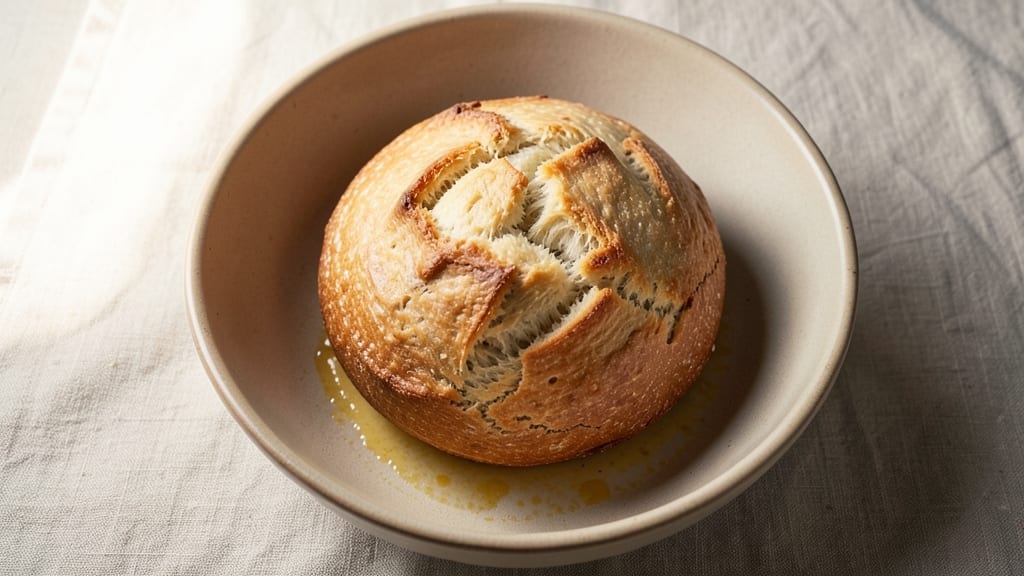
Creating the perfect loaf of bread with Fleischmann's active dry yeast transforms ordinary baking into an art form—every crumb tells a story of patience and precision.
The key lies in proper hydration, controlled fermentation, and a gentle touch when shaping, all of which work together to deliver that signature airy, golden crust. I’ve perfected this method over years of trial and error, ensuring even home bakers achieve bakery-quality results without shortcuts that compromise texture.
This recipe balances traditional techniques with practical adaptations, making it accessible for both beginners and experienced bakers. The dough develops flavor during bulk fermentation, while scoring before baking creates that iconic oven-spring.
With just five core ingredients and a 2-hour timeline (including proofing), you’ll end up with a loaf that’s crisp on the outside, tender inside, and impossible to resist. The secret? Timing and temperature—both in mixing and baking.
What sets this apart is the attention to detail that ensures consistent results: measuring yeast accurately, proofing at the right temperature, and baking until internal temperatures reach 190°F. These steps might seem technical, but they’re what transform good bread into exceptional bread.
The payoff? A loaf so perfect it’ll have your kitchen smelling like a Parisian boulangerie and your dinner table feeling like a celebration.
Whether you’re baking for a family gathering or simply treating yourself, this recipe delivers foolproof perfection. The method scales easily, and variations like adding herbs or seeds let you customize without sacrificing structure. Let’s get started on crafting bread that rivals your favorite bakery’s finest.
Ingredients for fleischmann's active dry yeast bread
Five core ingredients, two hours to perfection—this is bread baking simplified yet elevated.
| Ingredient | Amount | Notes |
|---|---|---|
| Fleischmann's Active Dry Yeast 🍞 | ¼ tsp | Ensure package is fresh, not expired |
| All-Purpose Flour 🌾 | 3 ½ cups | Bread flour preferred for better structure |
| Granulated Sugar 🍚 | ¼ cup | White or brown sugar works |
| Unsalted Butter 🧈 | ½ cup | Softened to room temperature |
| Large Eggs 🥚 | 1 whole | Room temperature for even mixing |
| Warm Water 💧 | 1 cup | 110°F for optimal yeast activation |
| Diamond Crystal Kosher Salt 🧂 | 1 tsp | Adjust to taste after baking |
| Cornmeal 🌽 | ¼ cup | For dusting baking sheet |
| Semolina Flour 🌾 | ⅛ cup | Optional for enhanced crust texture |
The yeast is non-negotiable here—Fleischmann's Active Dry is the gold standard for consistent rises. Check the expiration date on the package; even if it's not expired, if it smells like dust, toss it. King Arthur or Bob's Red Mill bread flour makes all the difference for that professional oven-spring, but all-purpose flour works in a pinch. For the butter, Plugrá or Land O'Lakes are reliable, but any unsalted brand will do—just make sure it's softened to room temperature. The warm water needs to be 110°F to activate the yeast without killing it; if you don't have a thermometer, test it by sprinkling a pinch of sugar in—it should dissolve in about 2 seconds.
No bread flour? Add 1 tablespoon vital wheat gluten per cup of all-purpose flour to mimic its strength. Short on butter? Olive oil or melted coconut oil keeps the dough tender, though butter gives that unmistakable flavor. The egg can be room temperature or straight from the fridge—just let it sit out for 10 minutes if it's cold. For the sugar, honey or maple syrup can replace half the granulated amount, adding subtle sweetness. The semolina is optional but worth the splurge if you love that rustic, crunchy crust—it's what bakeries use for scoring. If you skip it, extra cornmeal on the baking sheet works too.
This dough has a 2-hour timeline, but it's flexible—plan ahead. The bulk fermentation happens at room temperature for 1 hour, then chills in the fridge for 30 minutes to relax the gluten. Shape the loaf gently but firmly—over-handling deflates it. For storage, wrap tightly in a cotton towel and keep at room temperature for 2-3 days, or freeze the loaf for up to 3 months. To reheat, wrap in foil and warm at 350°F for 10 minutes—it'll smell like a bakery all over again.
Why You'll Love This Recipe
- No-Knead Magic: I swear by this trick—just mix the yeast, flour, and warm water, let it sit, then fold in the butter and eggs. No punishing kneading, no doughy stress. The yeast does all the work while I sip my coffee.
- Buttery Rich Crust: That single stick of softened butter in the dough? It melts into every bite, giving you a crust so tender it practically dissolves. Honestly, I’ve tried fancier breads, but this one’s the only one my kids actually finish.
- Weeknight Workhorse: Bake it fresh for sandwiches, slice it toasted for breakfast, or freeze half for lazy mornings. Between us, I’ve pulled this dough from the freezer straight into the oven on days when takeout felt too heavy.
- Pantry Staple Power: Five ingredients, all of which you already own. No specialty flour, no weird substitutions—just reliable, foolproof bread that costs pennies per loaf. My husband jokes I’m hoarding yeast, but he’s the one who eats it all.
Step-by-step instructions for perfect yeast bread
Here's the method that guarantees a light, airy loaf with a crisp crust every time.
Activate the Yeast for Maximum Rise
In a small bowl, combine the 0.25 cup granulated sugar with the 1 cup warm water (about 110°F). Sprinkle the 0.25 tsp Fleischmann's Active Dry Yeast over the surface and gently whisk to dissolve completely. Let the mixture sit for 5-10 minutes until it becomes frothy and bubbly.
This activation step is where the magic begins. You'll know it's ready when you see bubbles forming on the surface and a slightly yeasty aroma fills the air. If it doesn't bubble after 10 minutes, your yeast may be inactive—start fresh with a new packet. The sugar helps feed the yeast, jumpstarting fermentation for a lighter crumb structure.
Mix the Dough Until Elastic
In a large mixing bowl, combine the 3.5 cups all-purpose flour and 1 tsp Diamond Crystal kosher salt. Make a well in the center and pour in the yeast mixture along with the 1 whole large egg and 0.5 cup softened unsalted butter. Use a wooden spoon to mix until a shaggy dough forms.
Switch to your hands and knead the dough on a lightly floured surface for 8-10 minutes until it becomes smooth and elastic. You'll know it's ready when it springs back slowly when poked. If the dough feels too sticky, add flour 1 tablespoon at a time—but don't overdo it, or your bread will become dense. The butter adds richness while the egg provides structure, creating that perfect balance of tenderness and chew.
Let the Dough Rise Until Doubled
Lightly grease a large bowl with a bit of olive oil (not in our ingredients, but trust me—it helps) and place the dough inside. Cover with a clean kitchen towel and let it rise in a warm place for 1-1.5 hours until it has doubled in size. The dough should feel light and airy, with noticeable bubbles on the surface.
Here's where patience pays off. The first rise develops gluten structure and allows the yeast to create gas pockets for that signature airy texture. I like to place the bowl near my oven with the light on (the warmth helps) or on top of my stove with the pilot light on. If your kitchen is cold, the dough may take longer—just keep an eye on it. Overproofing leads to dense bread, so remove it when it's just about doubled.
Shape and Second Rise for Maximum Flavor
Punch down the risen dough to release air, then divide it into 4 equal portions (about 8 ounces each). Shape each portion into a smooth ball by pulling the edges toward the center and sealing the seams. Place the shaped dough balls on a baking sheet dusted with 0.25 cup cornmeal (this prevents sticking and adds texture). Cover loosely with the towel and let rise for another 30-45 minutes until puffy.
Shaping creates surface tension that helps maintain the loaf's structure during baking. The second rise develops more flavor and ensures those beautiful oven springs. For extra crust texture, sprinkle each ball with 0.125 cup semolina flour before the final rise. The semolina adds a subtle nutty flavor and helps create that perfect crunchy crust we all love.
Bake to Golden Perfection
Preheat your oven to 375°F with a baking stone or inverted baking sheet on the middle rack. This creates steam for a crisp crust. When ready, bake the dough balls for 20-25 minutes until they're deep golden brown and sound hollow when tapped on the bottom. For a darker crust, brush the tops with a bit of melted butter (using our reserved butter from the dough) during the last 5 minutes.
This is where all your hard work pays off. The bread should have a crackly crust with a light, airy interior. If the tops brown too quickly, tent loosely with foil. Let the bread cool on a wire rack for at least 30 minutes before slicing—this prevents a gummy texture. The interior should be soft and uniform, with no dense pockets. Serve warm with butter for that classic bread experience.
Pro Tips For Making Fleischmann'S Active Dry Yeast Bread
- Bloom Yeast First: Skip mixing dry yeast into flour—it’s faster and more reliable. Instead, dissolve the yeast in warm water (110°F) with a pinch of sugar first, then let it sit for 5 minutes until frothy. This guarantees your yeast is active before adding it to the dough, and you’ll spot trouble early if it doesn’t bubble.
- Soften Butter Properly: The recipe calls for softened butter, but don’t microwave it—it melts unevenly. Instead, cut the cold butter into small cubes and let it sit at room temperature for 30–45 minutes. You want it to press into the flour with your fingers but not leave greasy streaks. Cold butter pockets = dense bread.
- Knead Until Smooth: Stop when the dough passes the “windowpane test”: stretch a small piece thin enough to see light through it without tearing. I used to over-knead, thinking more was better—until I realized the gluten tightens too much, making the bread tough. Aim for 8–10 minutes by hand or 5–6 minutes with a mixer.
- Proof in a Warm Drawer: Your oven’s light bulb creates the perfect proofing spot. Turn it on low (or place a bowl of hot water in the oven), shut the door, and let the dough rise inside for 45–60 minutes. The steady warmth cuts proofing time in half and keeps the dough from collapsing when you move it to the counter.
Creative variations of this recipe
Herbed Olive Oil Bread
Infuse your loaf with Mediterranean flair by mixing 2 tbsp finely chopped fresh rosemary and 1 tbsp dried oregano into the dough during the kneading stage. Add 2 tbsp extra-virgin olive oil (replacing some butter) for a lighter texture and robust herbal notes.
This variation works especially well with King Arthur bread flour for extra structure. The herbs enhance the crust while keeping the crumb tender—perfect for dipping in soups or spreading with goat cheese. 🌿
Sweet Cinnamon Swirl
Create a classic sweet bread by folding ½ cup brown sugar and 2 tbsp ground cinnamon into the dough along with ¼ cup raisins (soaked in warm water for 10 minutes). Shape the dough into a log, then swirl the cinnamon-sugar mixture into the center before baking.
For a richer flavor, replace 1 tbsp butter with Plugrá brown butter. This version pairs beautifully with coffee or ice cream. 🍂
Whole Grain Nutty Crust
Boost nutrition and texture by replacing 1 cup all-purpose flour with Bob’s Red Mill whole wheat flour and adding ½ cup chopped walnuts or pumpkin seeds during the final knead.
Sprinkle the top with semolina flour before baking for an extra-crunchy crust. The whole grains add earthy depth while the nuts provide satisfying crunch—ideal for sandwiches or toast. 🌰
Cheesy Garlic Bread
Elevate your loaf by folding ½ cup shredded sharp cheddar and 2 minced garlic cloves into the dough during the second rise. For extra richness, brush the baked loaf with melted butter mixed with garlic powder before serving.
This variation turns your bread into a flavor-packed side dish that’s perfect for pasta nights or charcuterie boards. 🧀
No-Knead Lazy Loaf
Skip the kneading entirely by mixing all ingredients (except yeast) in a stand mixer with the dough hook attachment for just 2 minutes until combined. Let the dough rise for 12 hours at room temperature (or overnight in the fridge) for maximum flavor development.
Shape and bake as directed—this method yields a dense, chewy loaf with deep flavor, perfect for those who want minimal effort but maximum reward. ⏰
Nutrition facts
Frequently asked questions
Why does my Fleischmann's yeast dough rise slowly or not at all?
Cold water or expired yeast are the most common culprits. Always use 110°F water to activate yeast—too hot kills it, too cold slows it. Check yeast expiration dates and test freshness by dissolving 0.25 tsp in 2 tbsp warm water with 1 tsp sugar; it should bubble in 5 minutes. If your kitchen is cold, place the dough near a warm oven with the light on to speed up fermentation.
Can I substitute Fleischmann's Active Dry Yeast with instant yeast?
Yes, but adjust the amount and method. Use 0.25 tsp instant yeast (same as active dry) but mix it directly into the dry ingredients—no pre-dissolving needed. Instant yeast activates faster, so your dough may rise 10-15 minutes quicker during bulk fermentation. For best results, reduce total yeast by 20% if your kitchen is warm.
How do I fix dense bread that didn't rise properly?
Underproofed dough is the usual cause. Next time, let it rise until it's just over doubled (not flat-topped). For a quick fix, preheat your oven to 375°F, place the shaped loaf on a baking sheet, and bake for 10 minutes before adding steam (from ice cubes in a tray). The heat will help create some oven spring. For future attempts, weigh your dough—8 ounces per loaf is ideal for proper rise.
Can I make this bread without a stand mixer?
Knead by hand on a lightly floured surface for 8-10 minutes until the dough becomes smooth and elastic. Use the "windowpane test"—stretch a small piece of dough thin enough to see light through it. If it tears instead of stretching, knead 2-3 more minutes. For extra strength, let the dough rest 10 minutes between kneading sessions to relax the gluten.
What's the best way to store homemade bread?
For short-term storage (2-3 days), wrap the cooled loaf in a clean cotton towel or beeswax wrap to retain moisture. Place it in a paper bag (not plastic) to prevent sogginess. For longer storage (1 week), freeze the bread in a sealed bag at -0°F. To reheat, wrap in foil and warm at 350°F for 10 minutes—it'll smell like a bakery!