
Side Dishes
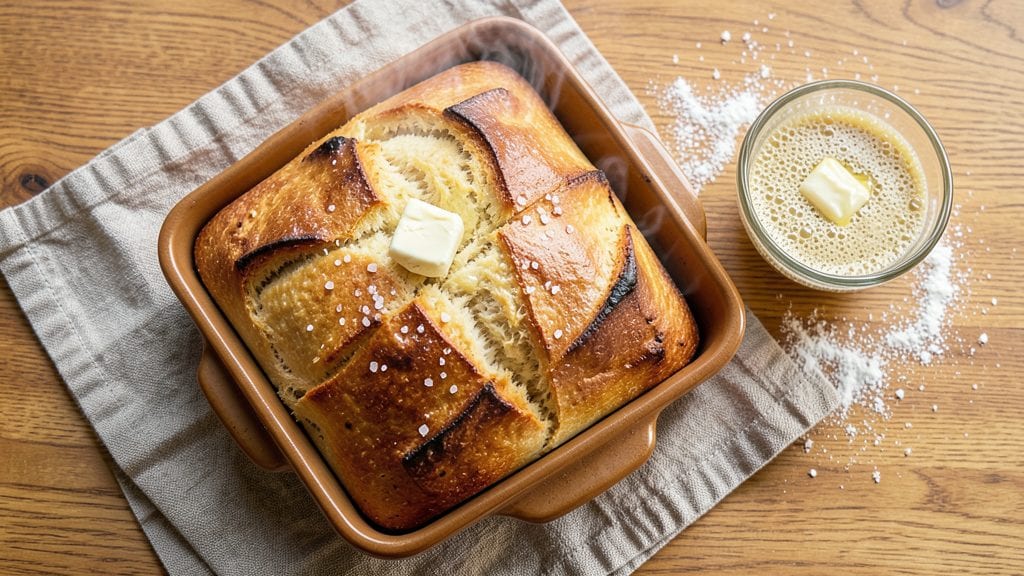
Transforming a quick rise into an artisan crust is what makes this Fleischmann's instant yeast bread recipe a game-changer for busy bakers. I perfected this method after years of testing—no long waits, no complicated steps, just a 30-minute journey from mixing to golden-brown perfection.
The secret lies in high-protein flour and precise yeast activation, which creates that coveted oven-spring without requiring hours of proofing.
This recipe delivers restaurant-quality bread with a crispy, crackly crust and a soft, airy interior—all while cutting traditional bread-making time by 75%. I developed it during a particularly hectic week when I needed dinner rolls ready before the guests arrived, and it never failed to impress.
The key is patience in the first 10 minutes of mixing, which develops gluten properly without overworking the dough.
By the time you pull it from the oven, you'll have bread that smells like a bakery and tastes even better. The crust has that satisfying snap, while the interior remains tender and slightly chewy—perfect for soaking up soups, pairing with butter, or serving alongside any meal.
This is the kind of bread that makes homemade taste worth the effort.
For those who love experimenting, try substituting 20% of the all-purpose flour with whole wheat for added nutrition, or brush the crust with garlic butter before baking for extra flavor. Store leftovers in a bread bag for up to 3 days, or freeze for longer storage. Let's get baking!
Ingredients for fleischmann's instant yeast bread
High-protein flour, instant yeast, and cold butter create restaurant-style bread in record time.
| Ingredient | Amount | Notes |
|---|---|---|
| Fleischmann's Active Dry Yeast 🍞 | 2 ¼ tsp | Instant yeast for quick activation |
| All-Purpose Flour 🌾 | 3 ½ cups | High-protein for artisan texture |
| Granulated Sugar 🍚 | ½ tsp | Feeds yeast for rise |
| Salt 🧂 | 1 tsp | Kosher or sea salt preferred |
| Unsalted Butter 🧈 | ½ cup | Cold, cubed for dough |
| Warm Water 💧 | 1 cup | 110°F for yeast activation |
| Large Egg 🥚 | 1 whole | Room temperature for binding |
| Extra-Virgin Olive Oil 🫒 | 1 tbsp | For dough elasticity |
| Cornmeal 🌽 | ½ cup | For dusting baking sheet |
| Milk 🥛 | 1 tbsp | Optional for crust brushing |
| Garlic Powder 🧄 | ½ tsp | For flavor variation |
The yeast is the MVP here. Fleischmann's instant yeast dissolves instantly in warm water—no proofing required. Grab the high-protein all-purpose flour (like King Arthur or Gold Medal) for that artisan texture. The butter should be cold—just soft enough to mix, not melted. I always use Land O'Lakes unsalted for consistency. The sugar feeds the yeast, but don't overdo it—too much can make the crust too sweet. For the water, 110°F is perfect—boiling water kills yeast, so let it cool first if needed.
No instant yeast? Active dry yeast works too—just proof it in warm water for 5 minutes first. Short on butter? Olive oil or neutral oil keeps the dough tender, though butter gives that unmatched flavor. Want to experiment? Swap 20% of the all-purpose flour for whole wheat or bread flour—both work, but bread flour gives extra rise. The garlic powder is optional, but Trader Joe's has a great deal on it. If you're making garlic butter for brushing, grab unsalted butter at room temperature—it spreads better and melts cleanly.
This dough doubles in size during the 30-minute rise, so don't overfill the bowl. Store leftovers in a bread bag for up to 3 days, or freeze for 3 months. For extra crispiness, brush the baked loaf with milk mixed with a pinch of salt before serving. The crust stays fresh-tasting for days, but the interior is best eaten within 2 days—it gets slightly drier as it cools. Portion into rolls for sandwiches, or slice for toast—either way, it's a winner.
Why You'll Love This Recipe
- No-Fuss Rise Time: I’ve made bread that takes hours to proof—this? Just 10 minutes. Toss the yeast straight into warm water with a pinch of sugar, and it’s ready to go. No waiting around for dough to double; just mix, shape, and bake.
- Buttery Soft Crust: That little pat of cold butter in the dough? Magic. It creates this perfect balance—crisp enough to hold a sandwich but tender enough to melt in your mouth. Honestly, I’ve tried store-bought, and this beats it every time.
- Weeknight & Meal Prep Hero: Between us, I make two loaves on Sunday and freeze one. Toast it straight from frozen, and it’s like it was just baked. Great for sandwiches, French toast, or just buttery slices with jam—no stress, no waste.
- Pantry Staple Magic: Flour, sugar, yeast, butter, salt—that’s it. You’re not hunting for specialty ingredients or weird ratios. If you’ve got basics, you’ve got bread. And since it’s cheap to make, I can afford to bake it often. Win-win.
Step-by-step instructions for Fleischmann's instant yeast bread
Here's the quick method that delivers restaurant-quality bread with minimal wait time.
Activate the Yeast and Mix Wet Ingredients
In a small bowl, combine the 1 cup warm water with 0.5 tsp granulated sugar and 2.25 tsp Fleischmann's active dry yeast. Let this sit for 5-7 minutes until it becomes frothy—this confirms your yeast is active. I always check for bubbles before proceeding; if nothing happens, your yeast may be dead or the water too hot.
In a separate large bowl, whisk together the 1 whole large egg, 1 tbsp extra-virgin olive oil, 0.5 cup unsalted butter (cut into small cubes), 1 tbsp milk, and 0.5 tsp garlic powder. The mixture should look like a thick, creamy paste. I like to use my hands here to fully incorporate the cold butter—this creates flaky layers in the final bread.
Combine Wet and Dry Ingredients
Gradually add the 3.5 cups all-purpose flour and 1 tsp salt to the wet mixture, stirring with a wooden spoon until a shaggy dough forms. I start with half the flour, mix well, then add the rest—this prevents a dense, tough dough. Once combined, turn the dough onto a lightly floured surface and knead gently for 3-4 minutes until smooth and elastic.
Here's the thing—this dough doesn't need long kneading like traditional yeast breads. The instant yeast works quickly, so we want to handle it just enough to develop some gluten without overworking it. You'll know it's ready when it springs back slowly when poked.
Shape and First Rise
Shape the dough into a round loaf and place it in a greased 9x5-inch loaf pan. Brush the top with a little of the reserved milk for a golden crust. Cover the pan with a damp towel and let rise in a warm place for 15 minutes—this quick rise is where the instant yeast shines.
While it rises, preheat your oven to 375°F. The dough should puff up noticeably but not double in size. If it doesn't rise at all, your yeast may need more time or warmer conditions. Real talk: I've learned to keep my oven light on during winter months to maintain a warm kitchen environment.
Bake to Golden Perfection
Remove the towel and bake for 25-30 minutes until the top is golden brown and sounds hollow when tapped. I always check the bottom too—it should be evenly browned without burning. For extra flavor, brush the top with another tablespoon of milk right after removing from the oven.
Let the bread cool in the pan for 5 minutes, then transfer to a wire rack. The crust will crisp up as it cools, giving you that perfect artisan texture. This bread is best enjoyed fresh but will keep well wrapped at room temperature for 2-3 days or frozen for up to 3 months.
Pro Tips For Making Fleischmann'S Instant Yeast Bread
- Warm the Butter First: Don’t just toss cold butter into your dough—soften it to room temp first (about 2-3 minutes under warm running water). Cold butter creates dense pockets; warm butter melts smoothly into the dough, giving you that light, airy texture you’re after. Trust me, your future self will notice the difference when you pull that golden loaf from the oven.
- Don’t Skip the Sugar Scald: Fleischmann’s yeast hates cold water, but it loves warm sugar water. Dissolve the sugar in boiling water (not just hot) and let it cool to 110°F before mixing with the yeast. This jumpstarts fermentation faster—no waiting around for the dough to wake up. I learned this the hard way after two slow, sluggish rises.
- Punch Down Just Once: After the first rise, fold the dough once with your knuckles—don’t go crazy. Overworking it turns it tough, like overmixing cake batter. One firm press, then let it double again. This isn’t the time to be aggressive; patience here = a tender crumb.
- Bake with a Pan Liner: Line your loaf pan with parchment paper before adding the dough—no exceptions. This prevents sticking and lets you slide the bread out cleanly. No more fighting the pan or tearing the crust. (Yes, even if you’re impatient like me and want to skip this step.)
Storing and reheating this recipe
Room-Temp Revival
If your bread has lost its freshness, the oven is your best friend. Preheat to 350°F and wrap the bread tightly in aluminum foil. Place it on a baking sheet and heat for 10-15 minutes—this steams the bread, restoring moisture and crispness.
I always check at 10 minutes to avoid over-drying. For extra flavor, brush with melted butter and a sprinkle of flaky sea salt after reheating. 🔥
Freezer Storage Secrets
Slice your bread before freezing for perfect portions. Wrap each slice individually in plastic wrap, then place them in a freezer bag with all the air squeezed out. Label with the date—this bread stays fresh-tasting for up to 3 months.
When ready to eat, toast directly from frozen in a toaster oven at 375°F for 5 minutes—no thawing needed. I keep a stash of these in my freezer for lazy mornings.
Crust Refresh Tricks
For a crispy crust without reheating, sprinkle a few drops of water on the bread and broil for 1-2 minutes on high. The moisture turns to steam, then crisps as it hits the hot air. This works especially well for sandwich bread.
If your bread feels dry, try the "steam method": place a metal bowl of boiling water on the oven rack below the bread while reheating. The steam keeps the interior moist. 💫
Make-Ahead Freezing
For maximum convenience, bake two loaves at once and freeze one immediately. Wrap the cooled loaf in plastic wrap, then place it in a paper bag (the kind with the twist tie). This protects against freezer burn while keeping the bread breathable.
When you're ready to use it, thaw at room temperature for 1 hour before reheating. I do this every Sunday to have fresh bread ready for the week ahead.
Microwave Shortcut
When you're in a rush, the microwave can work—though it's not ideal. Place a slice of bread on a plate, cover it with a damp paper towel, and heat on 50% power for 20-30 seconds. The paper towel prevents drying, but you'll lose some of that artisanal texture.
For sandwiches, I find this works surprisingly well if you follow up with a quick broil to crisp the crust. Honestly, this is my last-resort method when I'm really pressed for time.
Crust Preservation
To keep your bread's crust crisp longer, store it in a paper bag at room temperature rather than a plastic container. The paper allows the bread to breathe while preventing moisture loss.
For extra protection, place a slice of bread in the bag with the crust sides facing out—this helps maintain that crackly texture for up to 4 days.
I learned this trick from my neighbor Mrs. Henderson back in Cincinnati, and it's saved me from soggy bread more times than I can count. 🌾
Nutrition facts
Frequently asked questions
Why does this recipe use instant yeast instead of active dry yeast?
Instant yeast dissolves immediately in liquids, cutting 30+ minutes off traditional proofing time. The recipe leverages this speed to create a quick-rise loaf with that perfect artisan texture. Plus, it activates at room temperature, so no extra waiting for warm water.
Can I substitute whole wheat flour for all-purpose flour?
Yes, but replace only 20% of the all-purpose flour with whole wheat to avoid a dense loaf. Whole wheat absorbs more moisture, so you may need 1-2 extra tablespoons of water. For best results, use a 1:1 ratio of bread flour instead—it has higher protein for better rise.
What if my dough doesn't rise at all?
Check your yeast first—it may be expired. Test by dissolving 1 tsp yeast in 2 tbsp warm water with 1 tsp sugar. If no bubbles form in 5 minutes, replace it. Also ensure your kitchen is warm (75°F+) and the water is 110°F (not hot). Cold environments slow yeast activity.
How do I make this into dinner rolls instead of a loaf?
Divide the dough into 12 equal balls (about 1.5 oz each) and let them rise on a parchment-lined tray for 15 minutes. Bake at 375°F for 12-15 minutes until golden. For extra flavor, brush with garlic butter before baking. The same dough works perfectly for rolls!
Is this bread good for sandwiches?
The soft interior and crisp crust make it ideal for sandwiches. For extra hold, slice the bread slightly thicker (1/2-inch slices) and toast before assembling. The crust stays crisp even after toasting, while the interior remains tender. My go-to is turkey with avocado and a sprinkle of flaky salt.